Newsletters




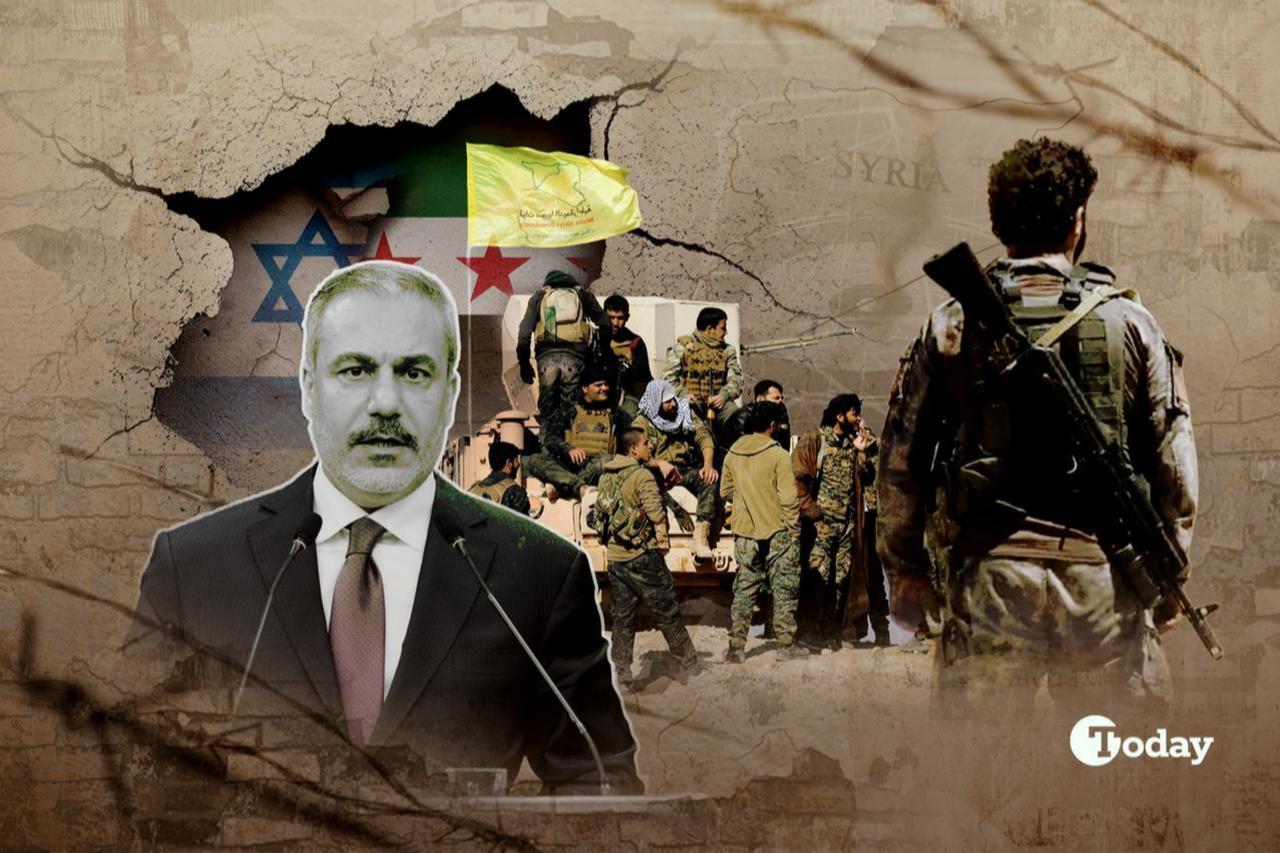
The Syrian government and SDF remain at an impasse over the implementation of the March 10 agreement, with Damascus calling SDF's counter-demands a "disappointment" that deepens division rather than resolving it, according to Turkish columnist Abdulkadir Selvi writing in Hurriyet on Monday.
SDF ringleader Ferhat Abdi Sahin, code-named “Mazloum Abdi," scheduled to visit Damascus on Monday, has been postponed "for technical reasons," with a new date to be set later.
"This postponement is related to logistical and technical arrangements for the visit, and there has been no change to the course of communication or the objectives of the talks," the SDF said in a statement.
Syrian Defense Minister Murhaf Abu Qasra sent written notification to MazloumAbdi on Dec. 7 regarding implementation of the March 10 agreement, Selvi reported.
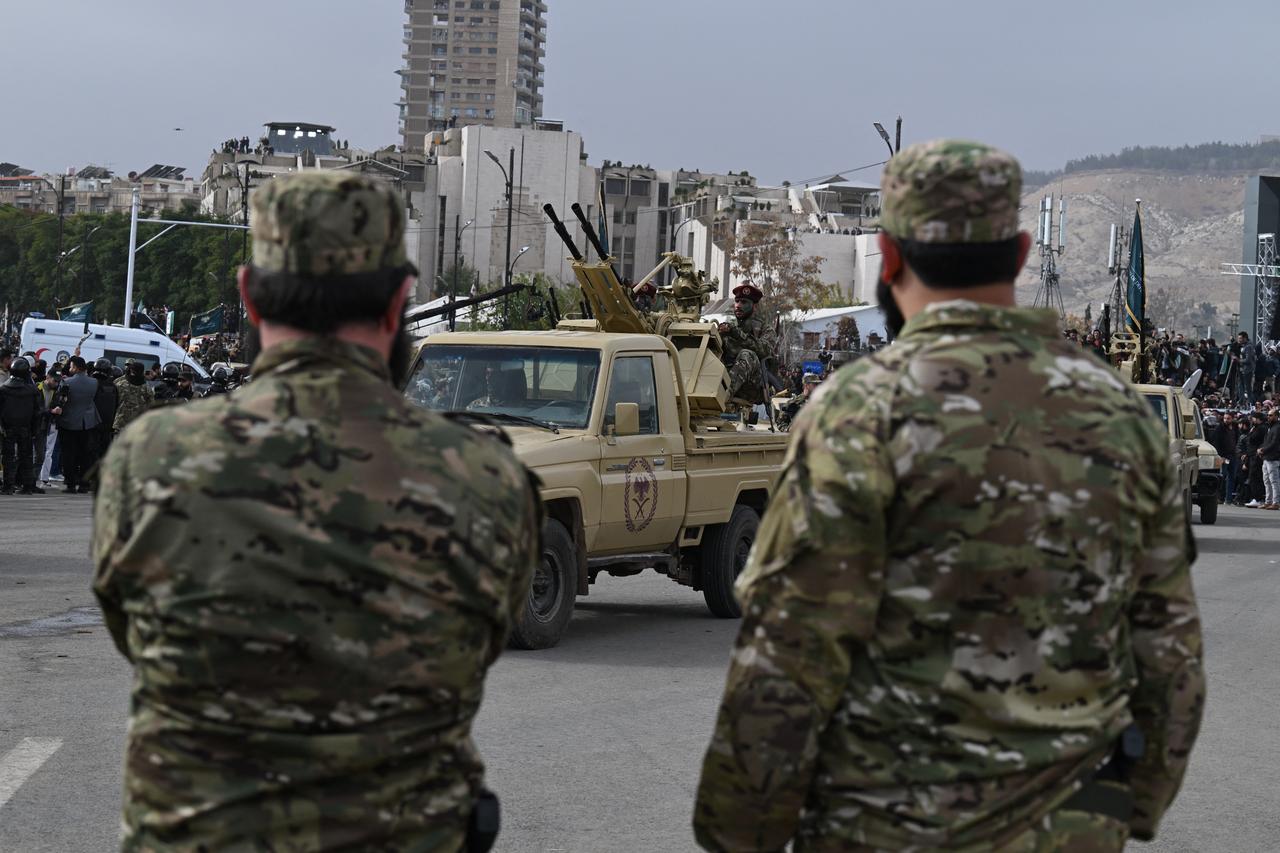
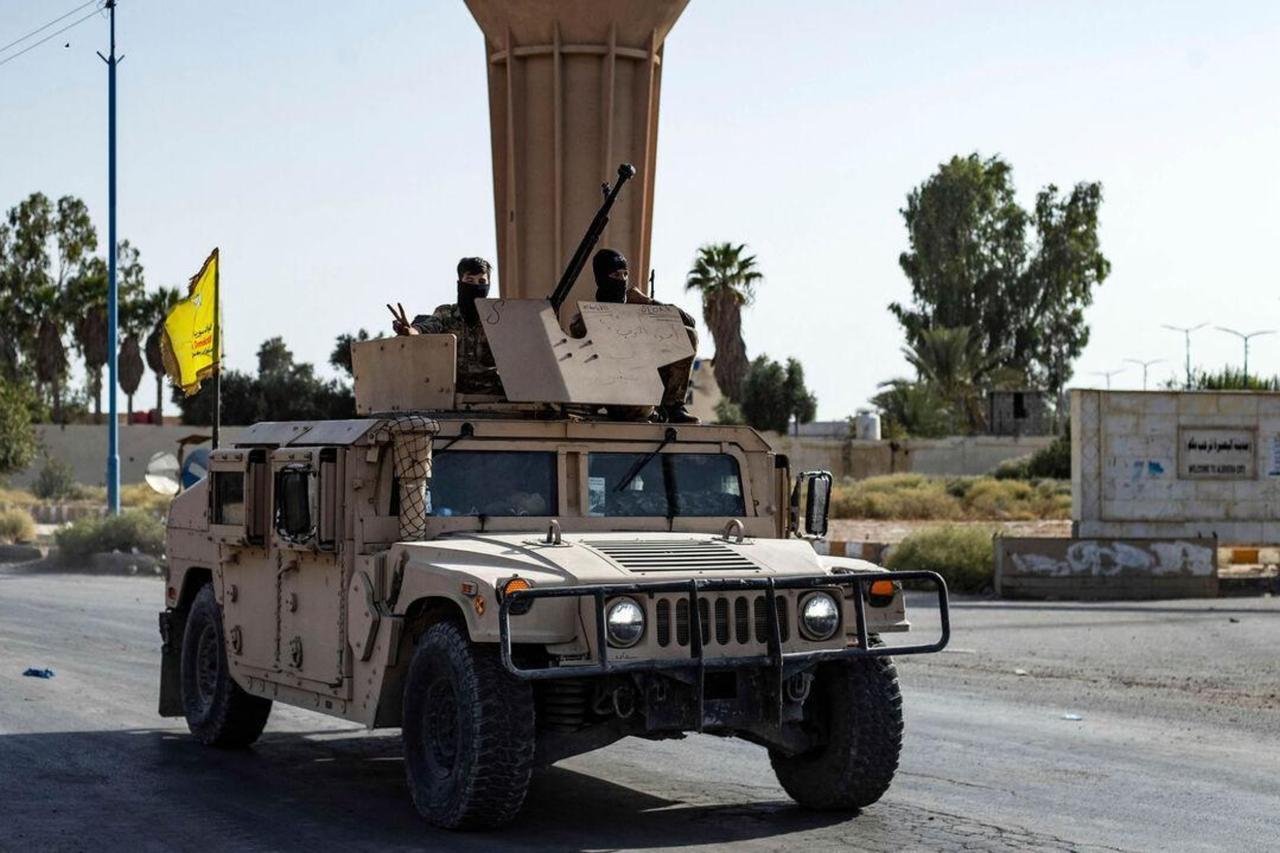
Damascus's demands included acceptance of three military divisions in Raqqa, al-Hasakah, and Deir ez-Zor provinces under the Defense Ministry, with soldiers receiving orders from Damascus rather than the SDF.
The Syrian government also demanded the transfer of border crossings and borders to the central authority, the transfer of oil, gas, and underground resources to the relevant ministries, and the connection of state institutions in SDF-controlled areas to Damascus ministries to end de facto administrative separation.

Rather than responding to Damascus's demands, SDF made new demands in its Dec. 20 response, Selvi reported.
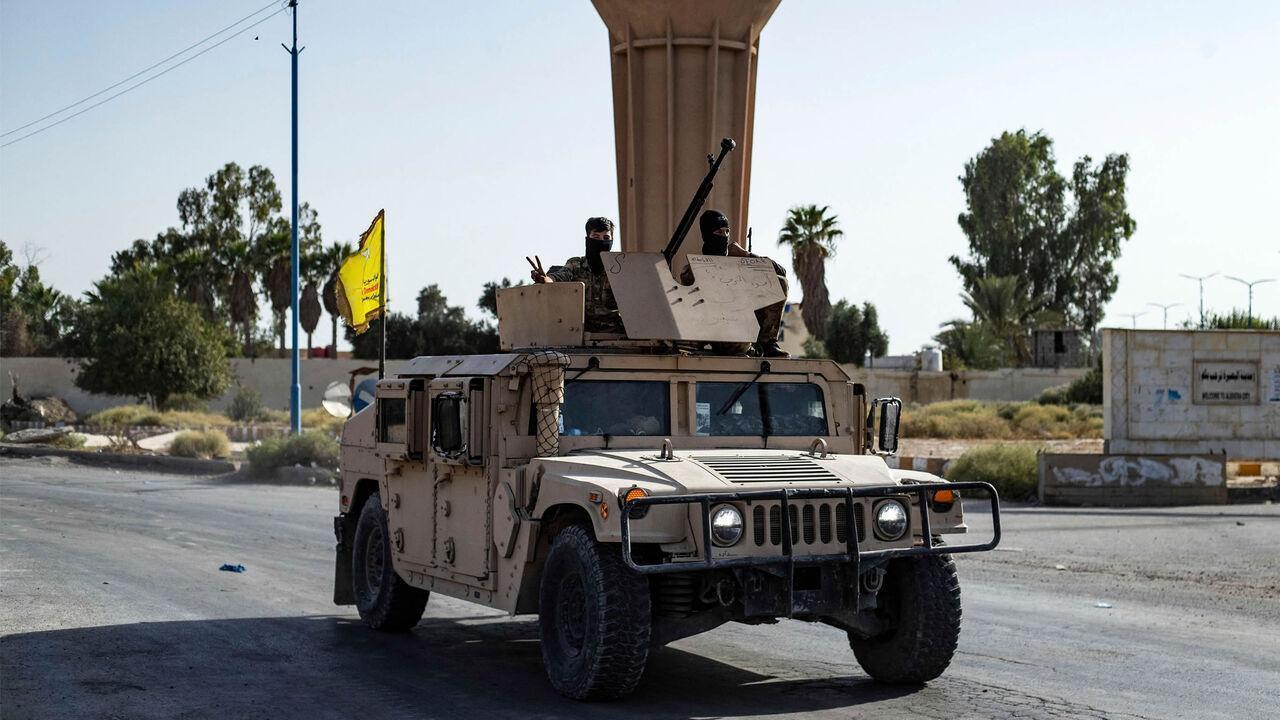
SDF reportedly demanded three independent brigades in addition to the three divisions: "a Women's Protection Brigade, a Counter-Terrorism Brigade, and a Border Guards Brigade."
SDF also demanded inclusion of 35 officers in Defense Ministry departments and institutions with permanent representation in the General Staff.
Additionally, SDF proposed the appointment of a special deputy defense minister representing the eastern region.
SDF rejected the transfer of borders to the central administration and argued that the transfer of oil, local government, and state institutions to the Damascus transitional government should be addressed in separate political negotiations rather than military integration.
SDF also demanded a decentralized constitutional solution allowing the region's population to manage its own affairs, according to a Turkish columnist.
Damascus described SDF's demands as a "disappointment" that deepens division rather than resolving it, Selvi reported.
The Syrian Foreign Ministry stated on Friday that talks with the PKK/YPG have not produced any concrete results, with statements not being reflected in implementation.
"Such statements are used more for media purposes and aimed at reducing political pressure," a Foreign Ministry source told state news agency SANA.
Selvi wrote that "Israel-SDF joint perception operations" have not stopped, with attempts to spread misinformation before Syrian President Ahmed al-Sharaa's expected statement.
"SDF spread the news that an agreement was reached with the Damascus administration and that political issues would be negotiated separately. It was immediately denied by the Syrian Information Ministry," Selvi wrote.
"News that MazloumAbdi was in Damascus on Saturday was floated. This was also denied by the Syrian state," he added.
Selvi wrote that Israel "pressed the button" hours before al-Sharaa's statement, attempting to incite Alawites in Latakia over Assad-era remnants.
"Assad-era soldiers were also supported by Iranian-backed Shia militias. Before the March 10 agreement, in February, they played the same game in Tartus and Latakia, inciting Alawites. But they failed," Selvi wrote.
"Israel, on the other hand, while provoking the Druze in Sweida, also put the Daesh card on the table. Daesh was revived, and bloody attacks were launched," he added.
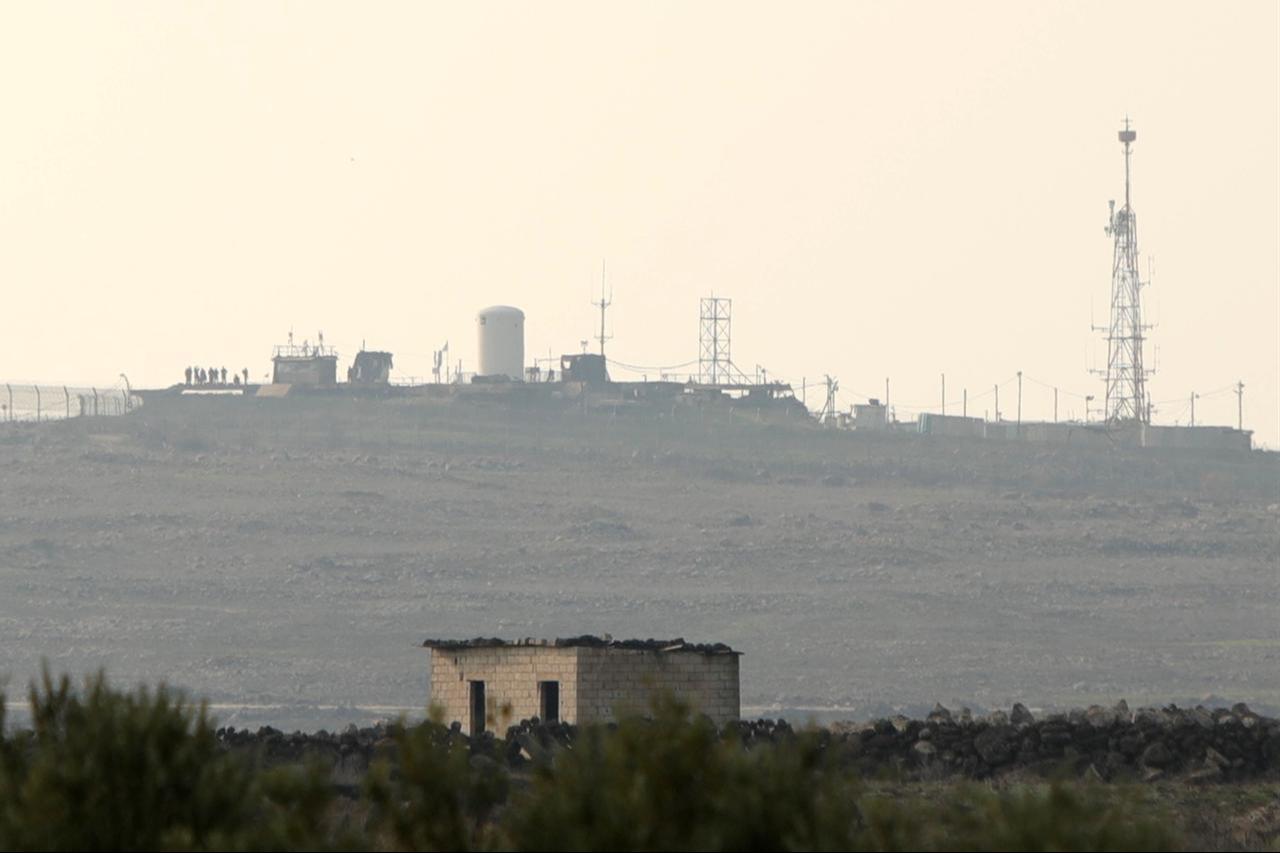
Selvi wrote that the goal is to destabilize Syria, prevent SDF integration into the Syrian army, and drag the country back into civil war.
"SDF, Israel and Iran want to destabilize Syria and restart the civil war. Türkiye, the Damascus administration, and the U.S. have taken a stance in favor of stability. Let's see who wins the arm wrestling," Selvi wrote.
"The Damascus administration's hand is stronger because it has the support of Türkiye and the U.S., is integrated into the international system, and has escaped Caesar sanctions. Türkiye's patience stone, which is working to ensure the terror-free Türkiye process is not infected, is about to crack," he concluded.


 Set as preferred source
 Set as preferred source


 1 min read
 1 min read