Newsletters


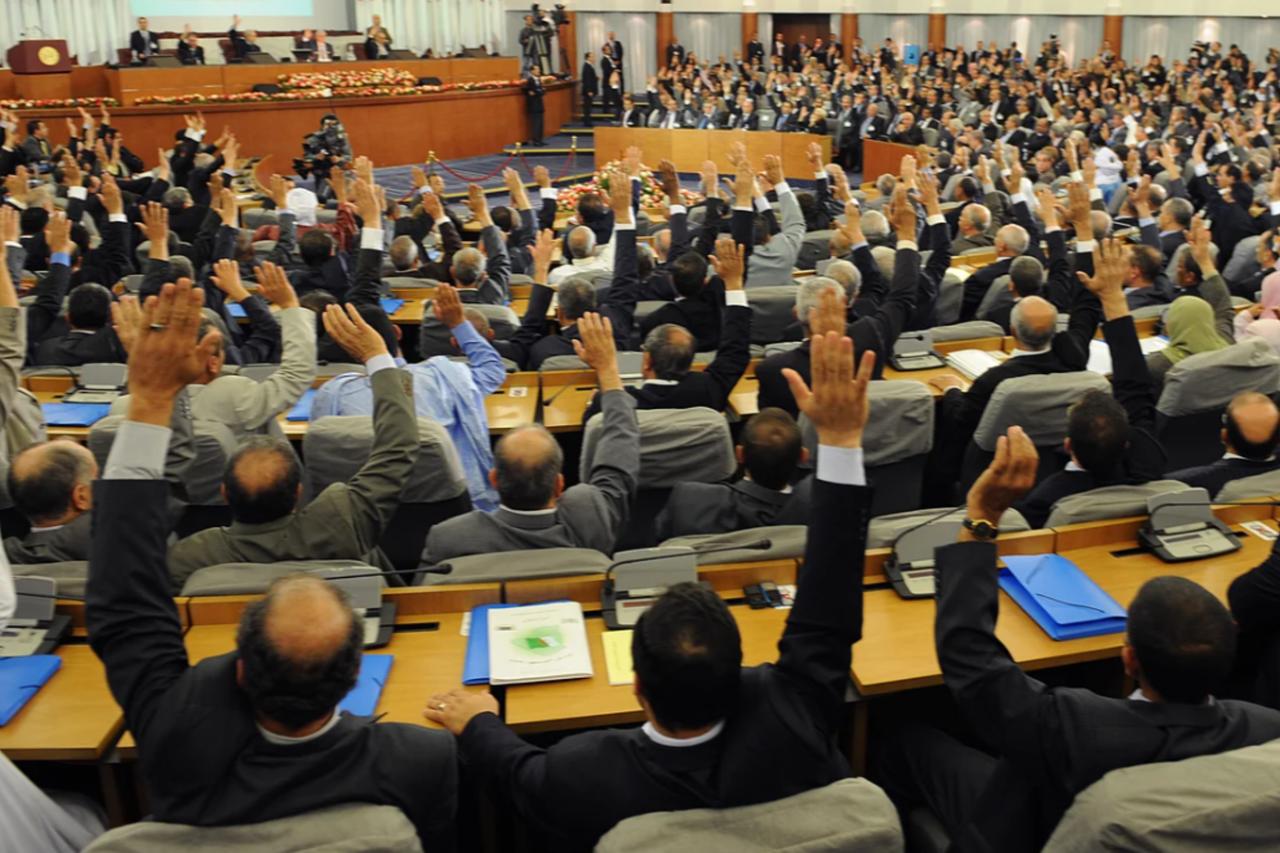


Algeria’s Council of the Nation on Thursday approved a draft law criminalizing French colonialism while entering reservations on 13 articles for further review and revision, particularly those related to “compensation” and an “apology,” which lawmakers said do not align with the national approach set by President Abdelmadjid Tebboune.
Algeria is revising a draft “colonization law,” shelving 13 articles, especially on compensation and apology, after it labeled colonial rule a “state crime” and sought an official French apology and legal accountability.
The text was adopted during a public session chaired by Council Speaker Azzouz Nasri, attended by Minister of Mujahideen and Rights Holders Abdelmalek Tashrifet and Minister of Relations with Parliament Najiba Djilali.
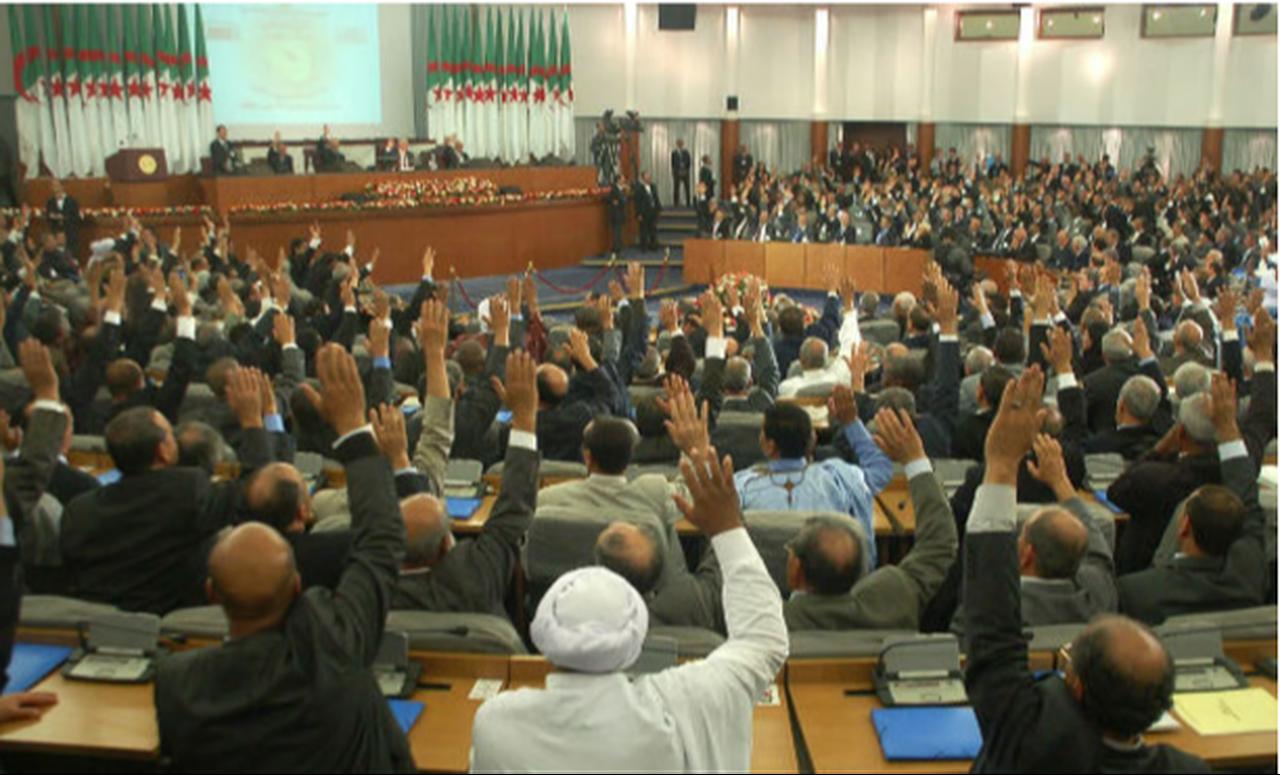

Under the reservations, the provisions will be handled under constitutional and legal procedures, including Article 145(5) of the Constitution and Articles 88 to 98 of amended Organic Law No. 16-12, through referral to a joint parity committee between the two chambers.
The reserved articles are 1, 5, 7, 9, 10, 15, 16, 17, 18, 20, 21, 25 and 26. The Council’s National Defense Committee called for them to be recalibrated in wording and substance to strengthen coherence and legal effectiveness.
The Council began debating the draft on Thursday after the lower house adopted it on Dec. 24. The text does not become law until approved by both chambers and published in the Official Gazette.
Press reports said lawmakers were leaning toward freezing or rewriting the draft, ruling out for now direct demands for an apology or reparations. Parliamentary blocs also raised concerns about the clarity of seeking official recognition of colonial crimes without conflating it with a political apology, the risks of legal interpretation, and the legal basis for international accountability mechanisms.
In its original form, the draft classifies colonial rule as a “state crime,” calls for an official apology, and asserts France’s legal responsibility for abuses, including crimes it says are not subject to a statute of limitations.
In the new decision, Algeria decided to reserve 13 articles in their current form in order to reconsider them and review their provisions, especially those related to “compensation and apology,” as they are not in line with the national approach laid down by President Abdelmadjid Tebboune.
It also calls for cleanup and maps of nuclear test sites and land mines, the return of archives and stolen funds, and penalties for promoting colonialism or denying its criminal nature. It also deems collaboration with colonialism a crime of high treason.
Tebboune has said Algeria’s core demand is acknowledgment as moral redress, not financial compensation. France has described the draft as a hostile step and said it harms the diplomatic climate, amid broader tensions in recent months.


 Set as preferred source
 Set as preferred source



 1 min read