Newsletters


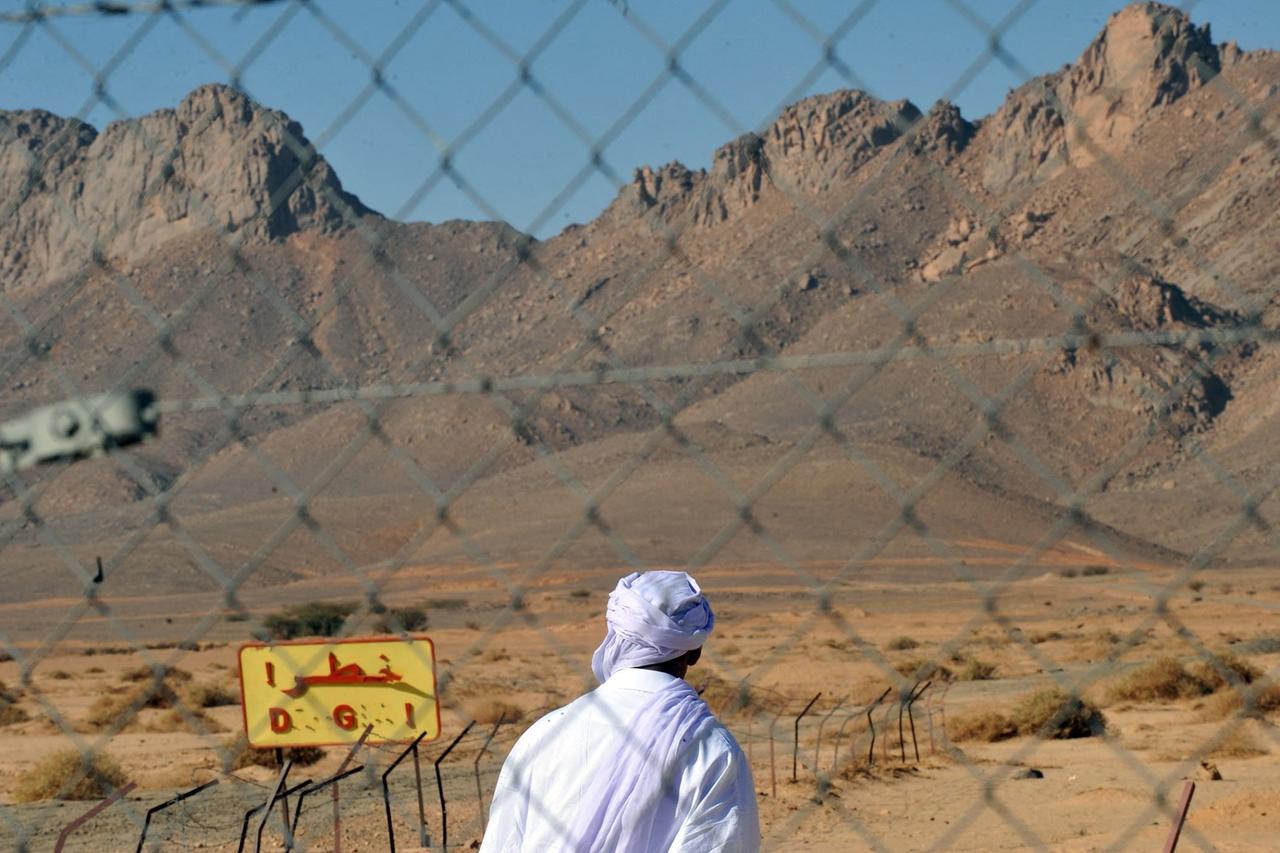


A scientific forum in the Algerian capital on Tuesday examined current challenges in cleaning up French nuclear test sites in the Sahara, with speakers calling for victim compensation, access to archival records and the release of detailed maps showing where radioactive waste was buried.
The event, titled “Current challenges in cleaning up French nuclear test sites in Algeria,” was organized by the Algerian Academy of Sciences and Technologies.
It came amid renewed scientific and rights-based demands to address the environmental and health legacy of France’s nuclear experiments in the Algerian desert.
Between 1960 and 1966, the French colonial regime detonated atmospheric atomic bombs and thirteen underground nuclear bombs and conducted other nuclear experiments in the Algerian Sahara.
During the event, nuclear and atomic physics expert Ali Meftah delivered a lecture in which he explained that the sites of nuclear explosions in southern Algeria are “environmental and health files that require in-depth scientific discussion involving all relevant parties.”
He reviewed the historical and political context of the French colonial-era tests, as well as the scientific methods that must be applied to clean the sites and ensure their long-term safety.
Meftah emphasized “the role of science in cleaning contaminated areas and reducing the dangerous fallout of the explosions.”
He noted that this requires a series of scientific steps, including identifying the locations of buried radioactive waste, measuring contamination levels and conducting epidemiological studies to determine related health effects.
For his part, President of the Algerian Academy of Sciences and Technologies, Mohamed Hicham Gara, stressed in a press statement the importance of addressing the nuclear test file, given the “grave damage inflicted on humans, the environment and wildlife, damage whose effects persist to this day.”
Gara highlighted the need to clean the sites, especially those containing waste buried underground, compensate the victims and open the archives related to the tests.
Gara noted that the issue requires “cooperation among various institutions, particularly in the scientific field, which can accurately identify the explosion sites and the burial grounds of radioactive waste, thus contributing to the cleanup process.”
During the discussion that followed the lecture, speakers urged French authorities to release detailed maps and precise information about the locations of radioactive waste while acknowledging full responsibility for the harm caused to people and the environment.
The forum was attended by Minister of Environment and Quality of Life Kawthar Krikou, Coordinator of the Algerian Committee on History and Memory Mohamed Lahcene Zghidi, as well as members of parliament and representatives of security institutions.


 Set as preferred source
 Set as preferred source


 2 min read