Newsletters


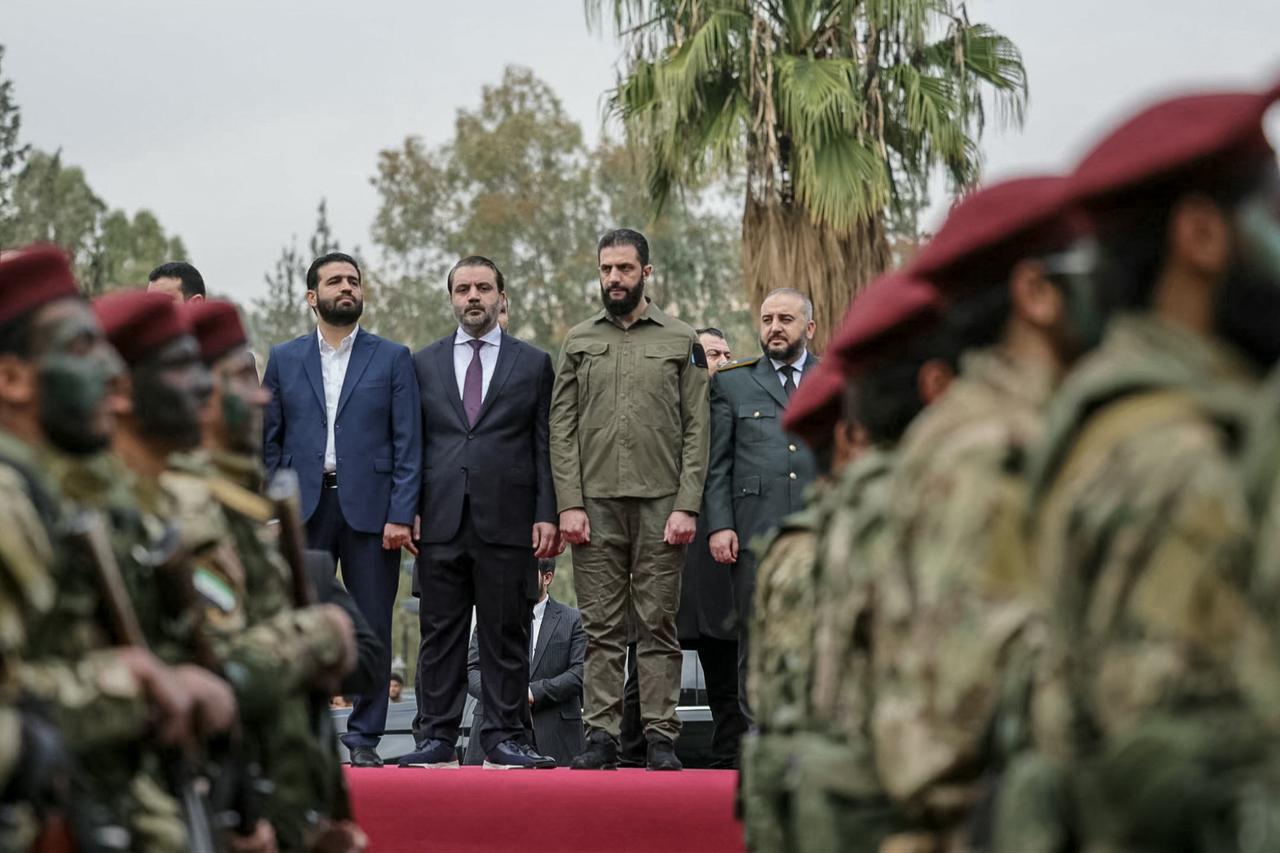


As the deadline for implementing the March 10 agreement approaches, Syria has reached a critical juncture. According to my contacts and media leaks, Damascus has now delivered what it considers its final offer to the SDF, outlining a roadmap for integration and consisting of 13 points.
In the March 10 agreement, Dec. 31 was determined as the deadline for the implementation.
In Damascus’ latest offer, in order to find a peaceful solution to the longstanding stalemate, the SDF will be able to reorganize itself into three divisions within the Syrian army.
In addition, the new offer also includes a clause that stipulates that other divisions of the Syrian army will enter northeastern Syria.
SDF has been insisting that only three divisions consisting solely of its own armed groups should be stationed in northern Syria, excluding the Syrian government forces.
For Damascus, it has been essential to demonstrate a constructive posture to the U.S. and the broader international community by showing that every effort was made to resolve the issue peacefully.
This approach went so far that Damascus had to persuade Ankara to show flexibility on certain details. Despite these concessions, the SDF continued to insist on maintaining control over Arab-majority areas of Syria.
After the SDF rejected an earlier proposal referenced in Amberin Zaman’s reporting, Damascus prepared a new 13-point offer. The proposal is significant, as it would allow the SDF to reorganize itself into three divisions within the Syrian army.
The core disagreement, however, appears to be territorial. The SDF insists on limiting the Syrian army’s presence in northeastern Syria, demanding that only its three divisions be stationed east of the Euphrates.
This is a red line for both Damascus and Ankara. The offer stipulates that other divisions of the Syrian army will enter northeastern Syria.
A second major point of contention is command and control. Damascus insists that the three divisions fall under the authority of the Ministry of Defense, while the SDF seeks to preserve an autonomous command structure, effectively creating an army within an army.
Damascus is now awaiting the SDF’s official response. If the SDF compromises and accepts the final offer, Syria and Türkiye could face a significantly brighter future. If, however, the SDF continues to insist on control over Arab-majority territories, escalation appears increasingly likely.
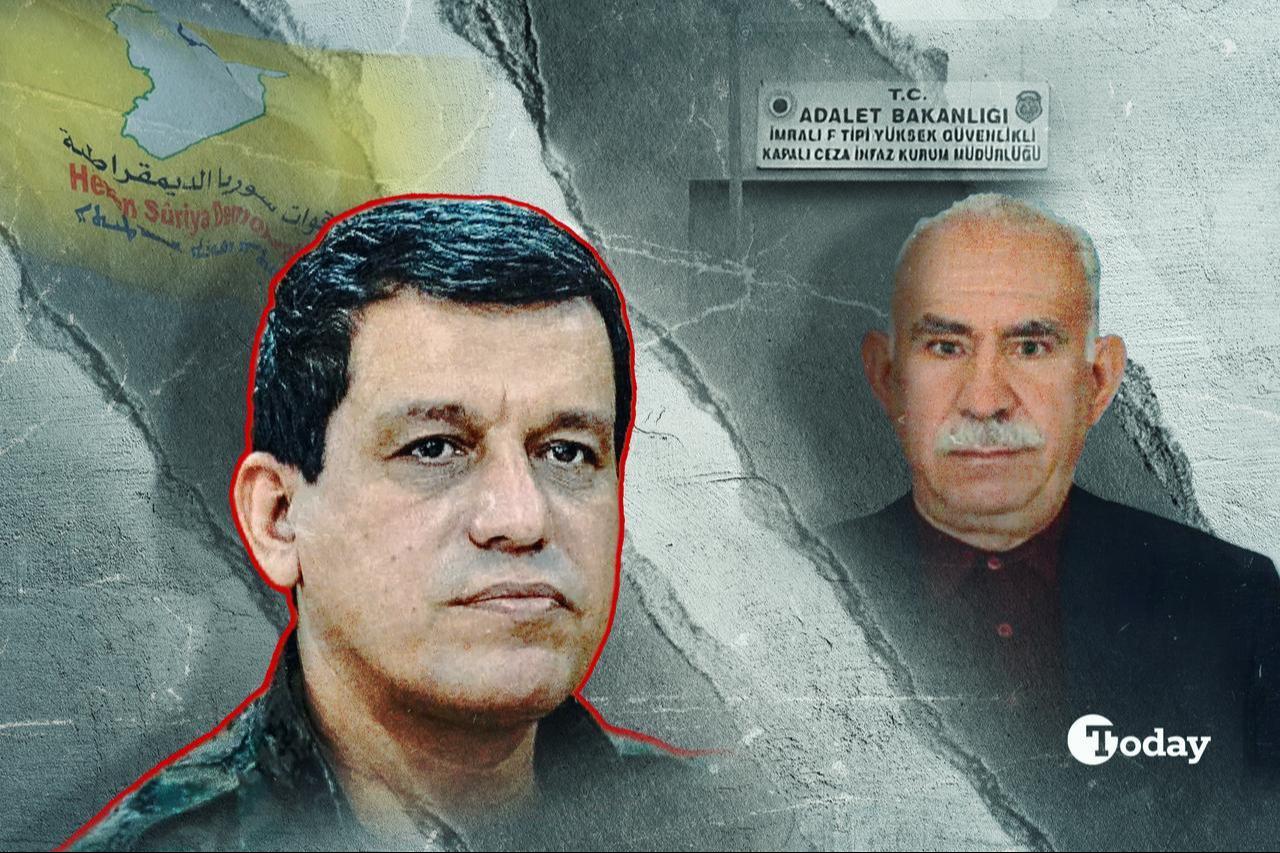

Efforts to peacefully integrate the YPG-dominated SDF and its so-called “Autonomous Administration of North and East Syria” into the Syrian state have been ongoing since the fall of the Assad regime.
When the March 10 agreement was signed, prospects appeared promising. Coupled with the imprisoned PKK leader Abdullah Ocalan’s call for the PKK’s dissolution and disarmament, many hoped Syria would reunify without further conflict.
That trajectory changed following the Israeli intervention in Sweida. Since then, the SDF has stalled and blocked successive rounds of negotiations.
Even U.S. Special Envoy to Syria Tom Barrack reportedly grew frustrated with the SDF’s approach, at times raising his voice and leaving negotiation sessions altogether.


 Set as preferred source
 Set as preferred source


 1 min read