Newsletters




Americans have been departing Baghdad International Airport in large numbers over the past 24 hours, as tensions between Washington and Tehran remain high, according to reports.
The developments come amid a wider U.S. military buildup in the region and growing security concerns.
The U.S. Embassy in Israel authorized the departure of non-emergency personnel and family members from Jerusalem due to what it described as “safety risks.”
In addition, the U.S. called on “non-essential” embassy employees in Israel to leave as soon as possible, urging them to “get on a flight today,” according to reports.
China and Canada also issued travel advisories urging their citizens to leave Iran amid rising tensions between Tehran and Washington.
China’s Foreign Ministry and its embassy and consulates in Iran advised citizens to refrain from traveling to Iran and urged those already in the country to heighten safety precautions and leave as soon as possible.
Assistance is available through flights or land routes, according to statements shared on social media and reported by the Global Times.
“Due to ongoing tensions, hostilities in the region could resume with little or no warning. Leave Iran now if you can do so safely,” the Canadian government said.
Media reported that the U.S. military presence and level of readiness in and around Israel have reached an “unprecedented” level in recent days.
The buildup is being assessed in the context of rising tensions with Iran and the possibility of a military strike aimed at pressuring Tehran over its nuclear program.
Israeli state broadcaster KAN reported that four KC-46A Pegasus refueling aircraft arrived at Ben Gurion Airport in Tel Aviv as part of the broader deployment. The report said four KC-135 Stratotanker aircraft were already at the airport, bringing the total number of refueling aircraft there to eight.
The Times of Israel reported that six additional U.S. refueling aircraft are scheduled to land at Ben Gurion Airport, citing analysts tracking open-source flight data. Five KC-46 aircraft are expected to depart from Portsmouth International Airport in New Hampshire, and a sixth from Seymour Johnson Air Force Base in North Carolina.
Reports also said several U.S. refueling and cargo aircraft were spotted at the airport earlier this week, along with the arrival of 11 F-22 fighter jets at Ovda Air Base in southern Israel, accompanied by logistical support aircraft and aircrews.
In recent weeks, dozens of U.S. fighter jets, including F-35, F-22, F-15 and F-16 aircraft, along with refueling planes and hundreds of military cargo flights, have been observed heading to the Middle East.
Satellite images showed F-22 jets at Ovda base positioned on runways.
Israeli media said the arrival of refueling aircraft enhances long-range operational capacity by extending the range and endurance of fighter jets, allowing sustained missions without returning to nearby bases.
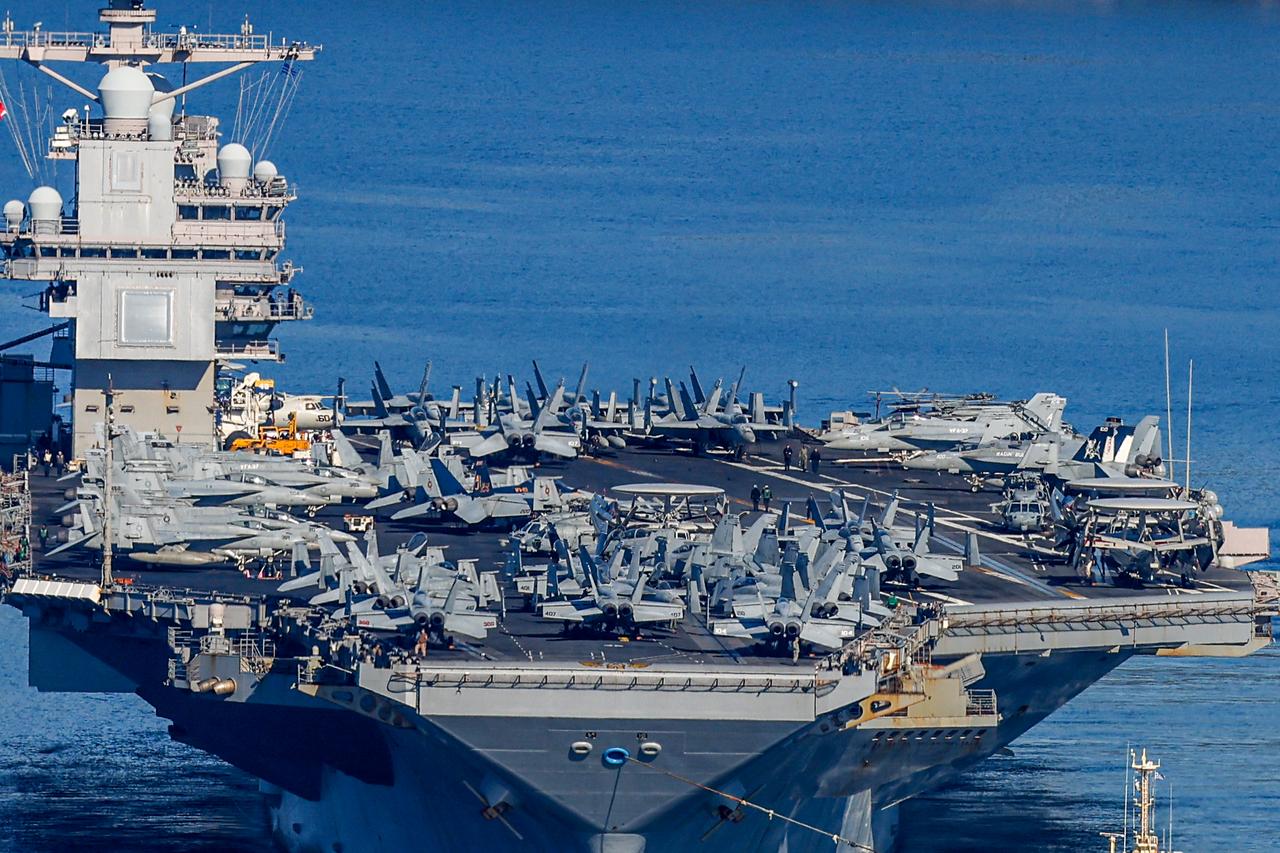
Israeli outlets also reported on the approach of the USS Gerald R. Ford to the eastern Mediterranean and the presence of another U.S. aircraft carrier, USS Abraham Lincoln, in the region.
Channel 12 reported that carrier strike groups are operating as part of a broader deployment of American forces, including escort vessels, air and reconnaissance capabilities and refueling assets.
According to i24NEWS, the USS Gerald R. Ford departed from the U.S. Navy base at Souda Bay on the island of Crete and is heading toward Haifa, with arrival expected within days.
Channel 12, citing a security source, said the carrier’s arrival is part of an “unprecedented buildup” that could serve multiple scenarios, from protecting bases against possible Iran-linked attacks to potential retaliatory operations.
Haaretz reported that discussions are ongoing within the U.S. administration regarding the nature and timing of a possible strike, with reservations expressed about a prolonged operation. The report said air and naval reinforcements could also be linked to preparations for potential military action.
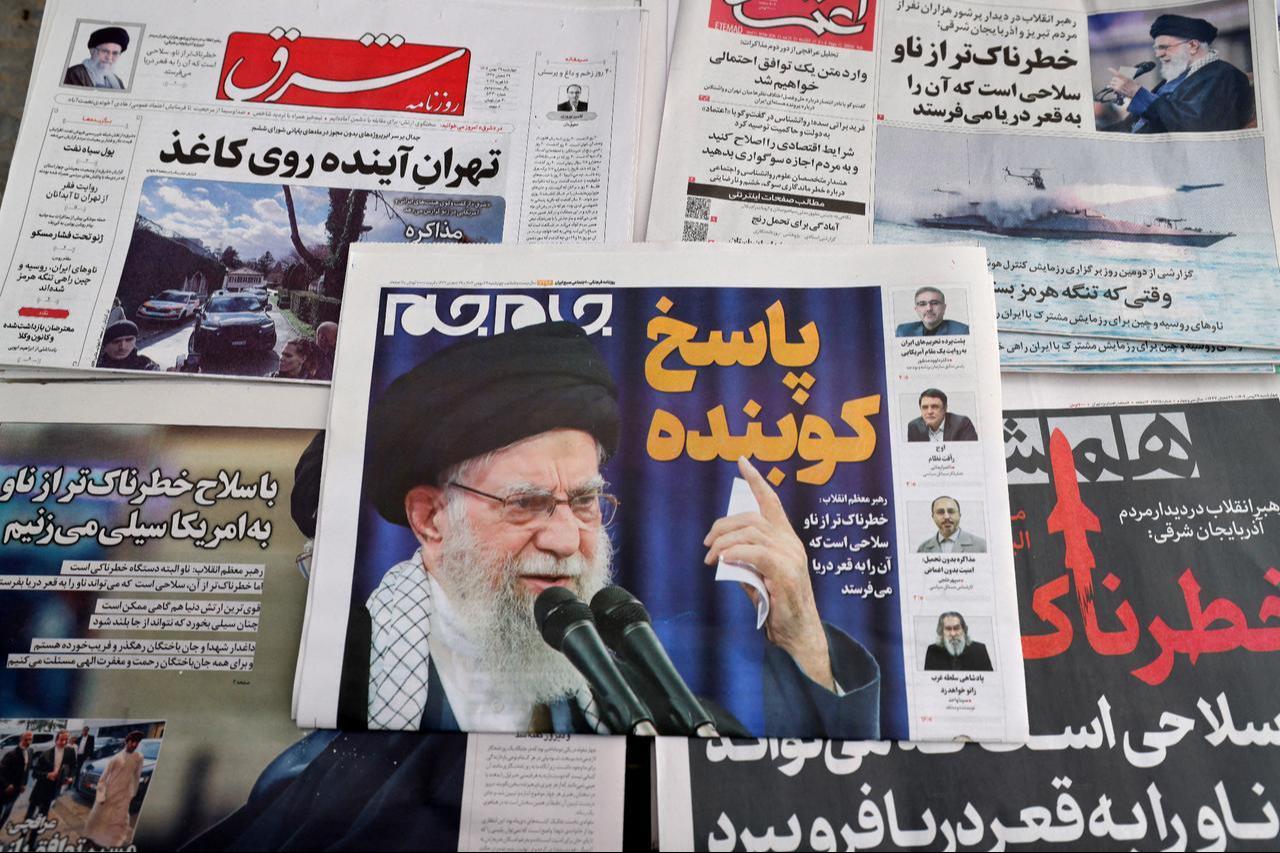

The developments come as indirect negotiations between the U.S. and Iran continue, with no official military decision announced by Washington.
In recent weeks, the U.S. has reinforced its presence in the Persian Gulf and signaled the possibility of military action to pressure Iran to abandon its nuclear and missile programs and curb its regional allies.
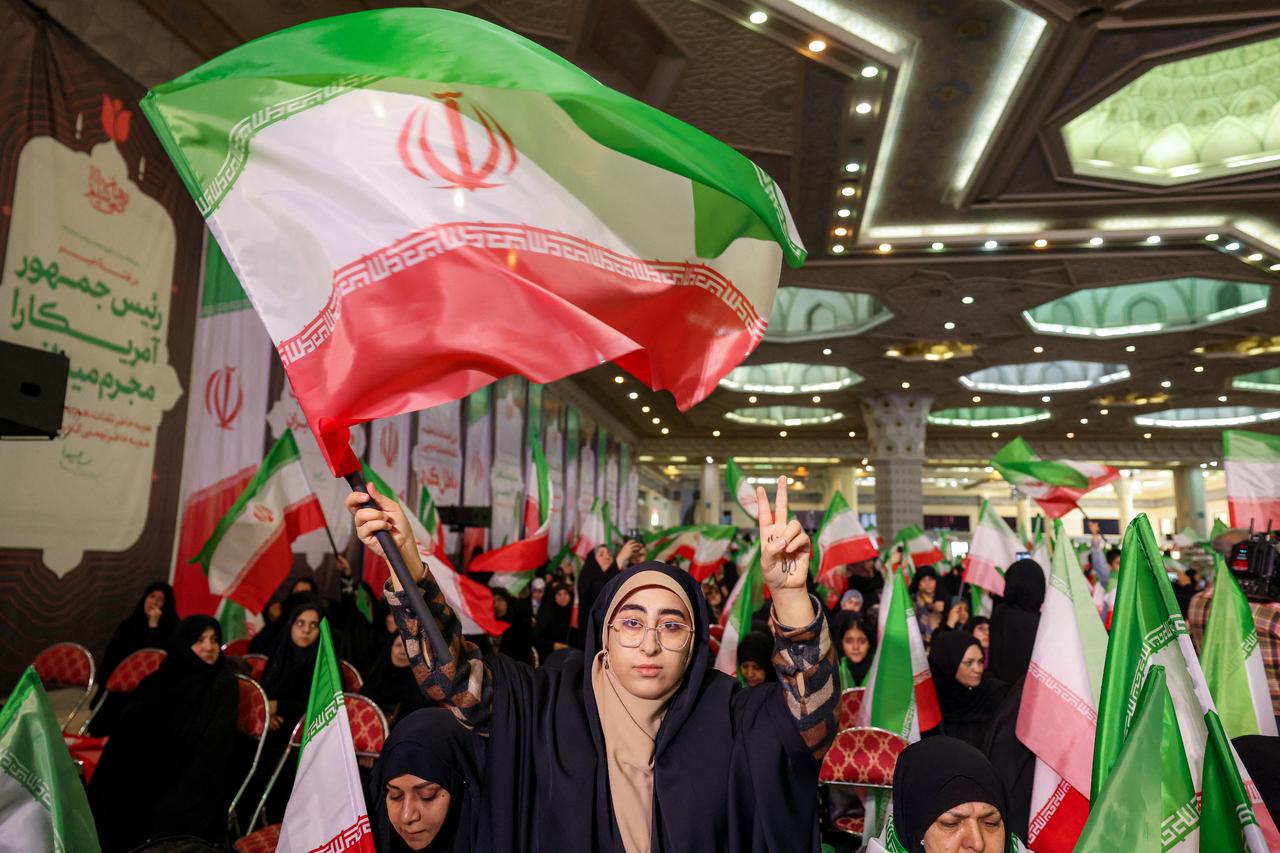
Tehran has accused Washington and Israel of fabricating pretexts for intervention and regime change and warned it would respond to any military attack, even if limited, while insisting that sanctions relief must accompany any restrictions on its nuclear program.
Reports also said that in Sana’a, the Houthis are preparing for possible war, having used a ceasefire period to build up forces in Yemen, Iraq and even Africa, potentially enabling coordinated attacks from the other side of the Red Sea.
The Houthis had previously launched ballistic missiles and drones toward Israel and disrupted navigation in the Red Sea, but ceased operations following the ceasefire between Israel and Hamas. Israeli reports said they have since been preparing for another round.
Meanwhile, Oman's foreign minister is expected to meet with the U.S. vice president as diplomatic contacts continue.


 Set as preferred source
 Set as preferred source


 1 min read
 1 min read