Newsletters


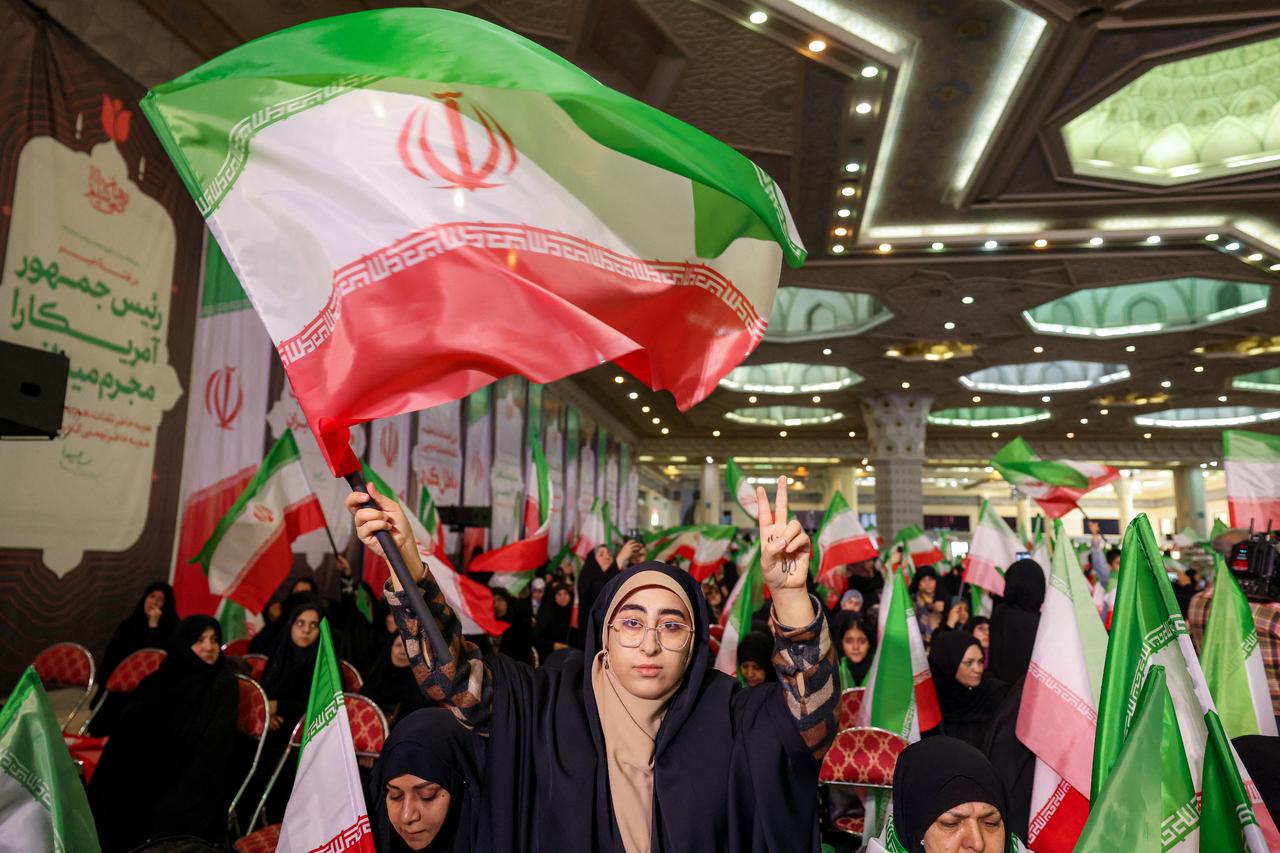


In recent days, a possible U.S. strike on Iran and a new coalition formed by regime-opposed Kurdish movements have dominated discussions. However, this is not the first such effort. In 2023, Iranian Kurdish groups established a broad consultative platform called the Dialogue and Cooperation Center and issued joint statements. Attempts at unity are not new among Kurdish groups. Yet this latest move occurs within a vastly different geopolitical context and must be taken seriously.
On Feb. 22, five Iranian Kurdish organizations announced the formation of a new alliance called the Coalition of Iranian Kurdistan Political Forces in areas of northern Iraq controlled by the Kurdistan Regional Government. The groups include the Kurdistan Freedom Party (PAK), the Democratic Party of Iranian Kurdistan (PDKI), the Kurdistan Free Life Party (PJAK), the Kurdistan Struggle Organization of Iran (Khabat), and Komala (Komala of the Toilers). Their joint declaration was clear: overthrow the Iranian regime.
Speaking to RFE/RL, PDKI leader Mustafa Hijri said they negotiated for eight months to bring together organizations with differing views and ultimately managed to “set aside their differences.” His remarks suggest that this process began shortly after last June’s attack on Iran.
Hijri also stated that the alliance has prepared a “joint transitional plan” to govern Iranian Kurdistan in the event of regime change. The concept will sound familiar to those who followed developments in Syria.
There are also claims that the alliance’s main goal is not long-term integration, but to present a single armed ground partner in the event of a U.S. strike on Iran. In other words, we may see a new YPG-style scenario, this time in Iran. Although a unified command structure and representation mechanisms remain unclear, the alliance sends a clear message of unity and ground force readiness to the U.S. and Israel. Whether Washington or Tel Aviv will transform this into an operational partnership remains uncertain.
Regional sources describe the unification of Kurdish separatist movements as a positive development. However, they stress that the U.S. position must become clearer both tactically and strategically. According to these sources, Washington views Kurdish unity favorably but remains reluctant to use them directly against Tehran.
“Washington is still not prepared to implement a military plan on the scale we prefer. We know they do not want a second Iraq. They are also hesitant to design Kurdish unity, Lur anger, and the Ahvaz movement as local partners,” a senior regional source who is familiar with Israel's military said. For the Kurdish groups to become openly part of a military plan, the U.S. stance must be clarified.
As of late February, the United States has deployed 240 combat aircraft across several Middle Eastern bases, including Muwaffaq Salti Air Base. This marks the largest U.S. air buildup in the region since the 2003 Iraq War. The deployment includes F-35 and F-22 fighters, F-15s and F-16s, as well as cargo and tanker aircraft. During Operation Midnight Hammer in 2025, F-35s and F-22s protected B-2 bombers targeting Iranian nuclear facilities. This time, A-10 aircraft and E-3 Sentry AWACS planes are also part of the force.
This looks like preparation for a prolonged campaign. Many analysts argue that airstrikes alone would not change the regime in Iran. Others insist that no U.S. strategy can fully succeed without ground support.
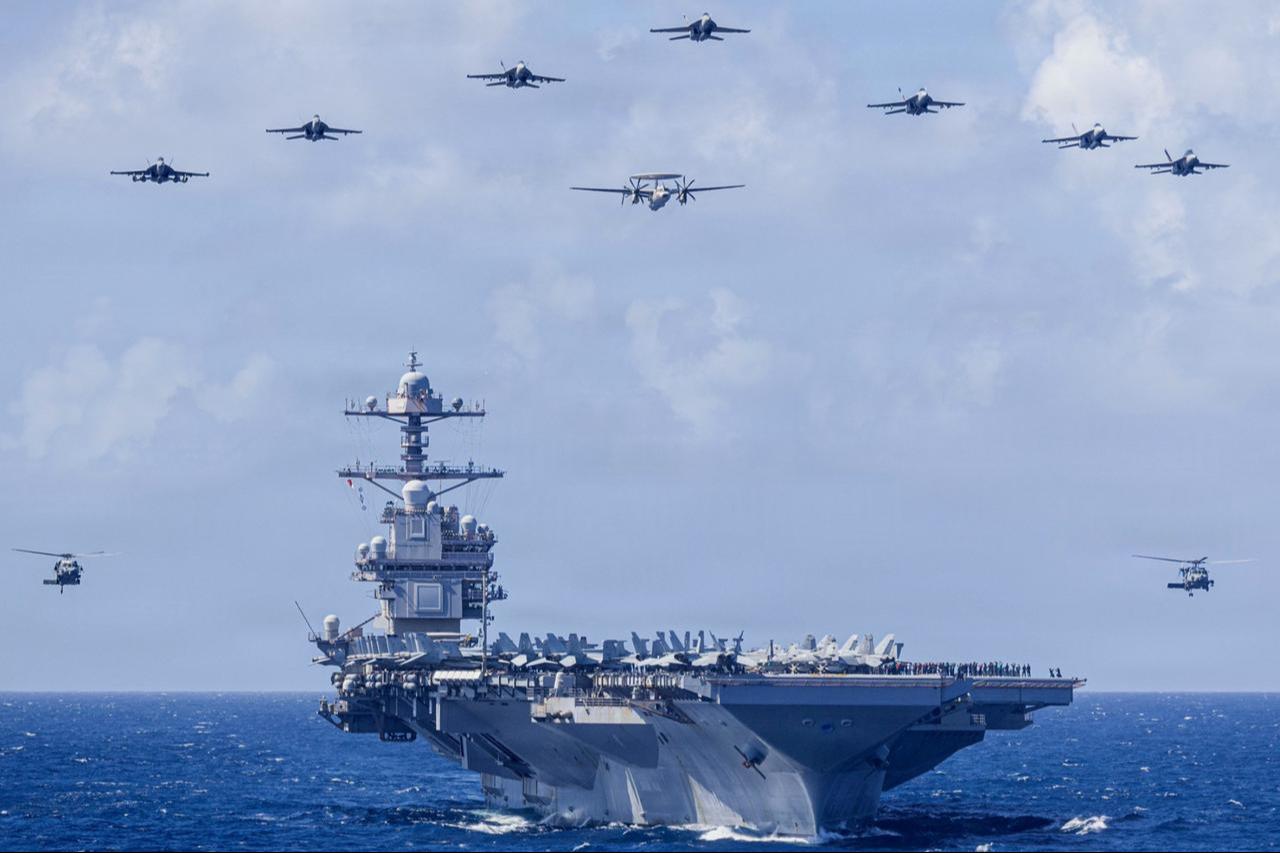

The U.S. has several potential options against Iran. While joint operations may appear limited under current deployments, the positioning significantly widens the operational window for Washington and Israel.
At least 12 F-35s are stationed at Muwaffaq Salti Air Base in Jordan. Their precision strike capability increases the likelihood of an initial blow capable of penetrating Iranian air defenses. F-16s and F-35s operating from bases in Cyprus, Greece, and Bulgaria could launch secondary waves via the Black Sea and routes through Georgia, Armenia, and Azerbaijan. Mid-air refueling presents logistical challenges. Yet the presence of numerous tanker aircraft makes such operations feasible. Combined with carrier strike groups and destroyers targeting Iranian coasts and the Strait of Hormuz, a multi-wave, multi-axis assault could immobilize Iran along three main fronts.
This concept also assumes the use of advanced electronic warfare systems to blind Iranian radar networks and neutralize air defenses.
Nonetheless, these scenarios leave the core question unanswered: what are the strategic objectives of the U.S. and Israel? Their deliberate ambiguity functions as a tool for pressure. However, the active diplomatic track and the lack of a clear ground component weaken the argument for imminent regime change. A prolonged, multi-wave air campaign remains one possibility; another is a series of limited, high-value strikes intended solely for deterrence.
The most destructive scenario, however, would be a hybrid strategy combining external attacks with internal unrest, as suggested by MEI expert Alex Vatanka.
 1 min read
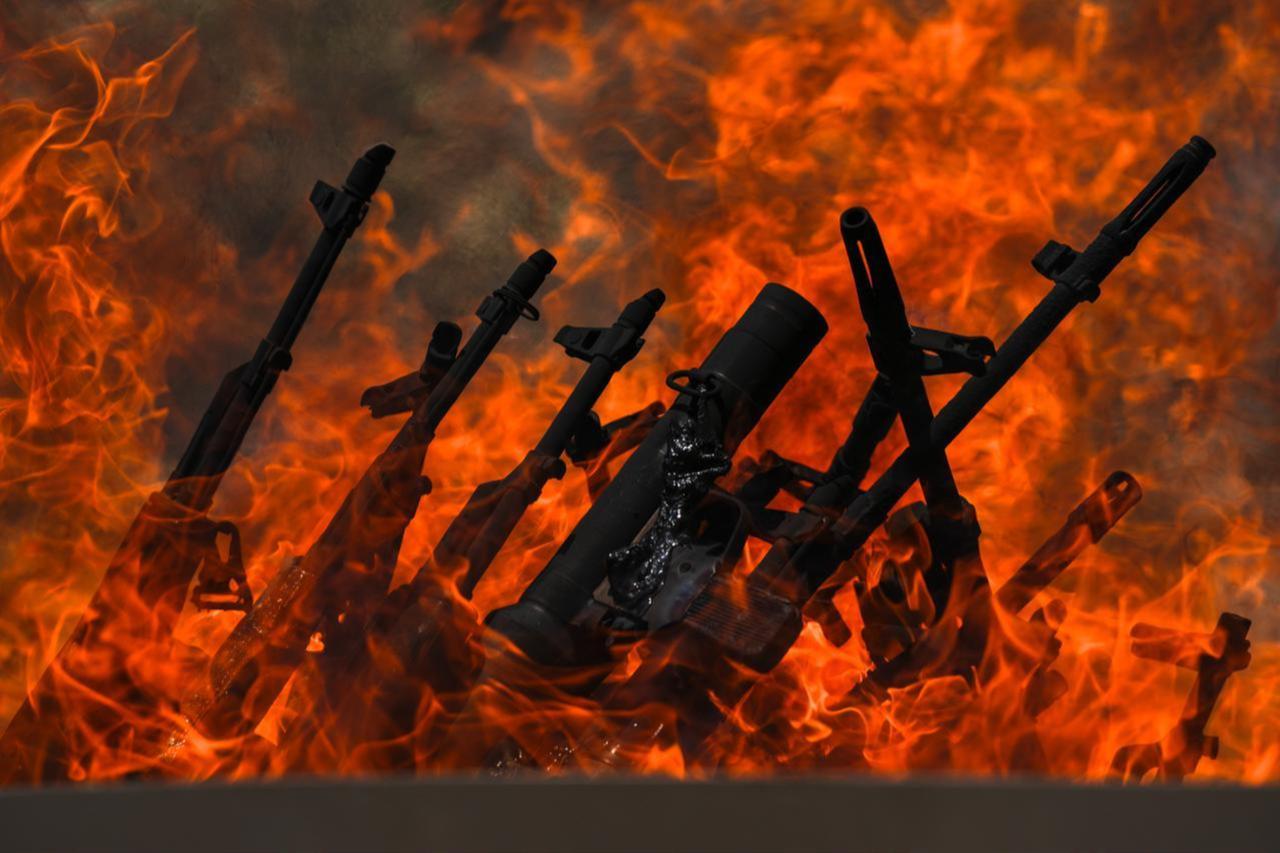
Iran is strengthening its defenses. Reuters reports based on satellite imagery show that Tehran has built reinforced concrete domes over bombed nuclear facilities and relocated tunnel entrances deeper underground. Iran is reportedly restoring missile bases and maintaining a layered defense system that includes mines, ballistic missiles, submarines and drones.
Yet Iran’s defenses may not withstand a technologically superior air fleet. Many expect Tehran to retaliate outside its borders through proxy forces. But that is not the core issue.
If U.S. and Israeli strikes weaken central authority—especially in western Iran—and hybrid tactics mobilize internal opposition groups simultaneously, Iran’s political, economic and military stability could collapse. The regime may retain control over Farsi- and Shiite-majority regions. However, losing its western flank would drastically reduce Iran’s strategic depth.
Most military scenarios could preserve some form of political structure. But airstrikes combined with hybrid operations and the arming of opposition groups would open the door to a prolonged regional crisis.
The United States does not want another civil war or occupation. Israel, however, hopes that intervention would severely weaken Iran even if it does not topple the regime. Israeli military sources argue that regime change in Iran has two possible paths.
“We may not be close to the preferred one, but the current situation forces us to act. We cannot miss this opportunity. A scenario where our troops are not present, but our support is visible, continuous, and strong, accompanied by internal mobilization, is possible,” an Israeli source said, pointing again to Kurdish movements.
“Azeris, Kurds, Lurs, and Sunni groups in the northwest have long-standing grievances with Tehran. In many ways, they are ready. Once the framework is clear, they can be mobilized. We have told the Americans this would reduce costs,” the source added.
At this stage, military scenarios against Iran should not be viewed solely through air power or limited strikes on nuclear facilities. The newly formed Kurdish alliance may not be decisive on its own. But within a hybrid warfare framework, it could serve as a critical lever. Washington seeks to avoid a “second Iraq,” while Israel aims to significantly weaken Iran even without regime change. The most fragile scenario lies at the intersection of external military pressure and internal destabilization.
The key issue is not only Iran’s military capacity. It is whether the central authority can preserve territorial integrity, political cohesion and manage deep ethnic fault lines. Ultimately, the coming phase will be shaped less by military deployment and more by the political objective attached to it.


 Set as preferred source
 Set as preferred source


 1 min read