Newsletters


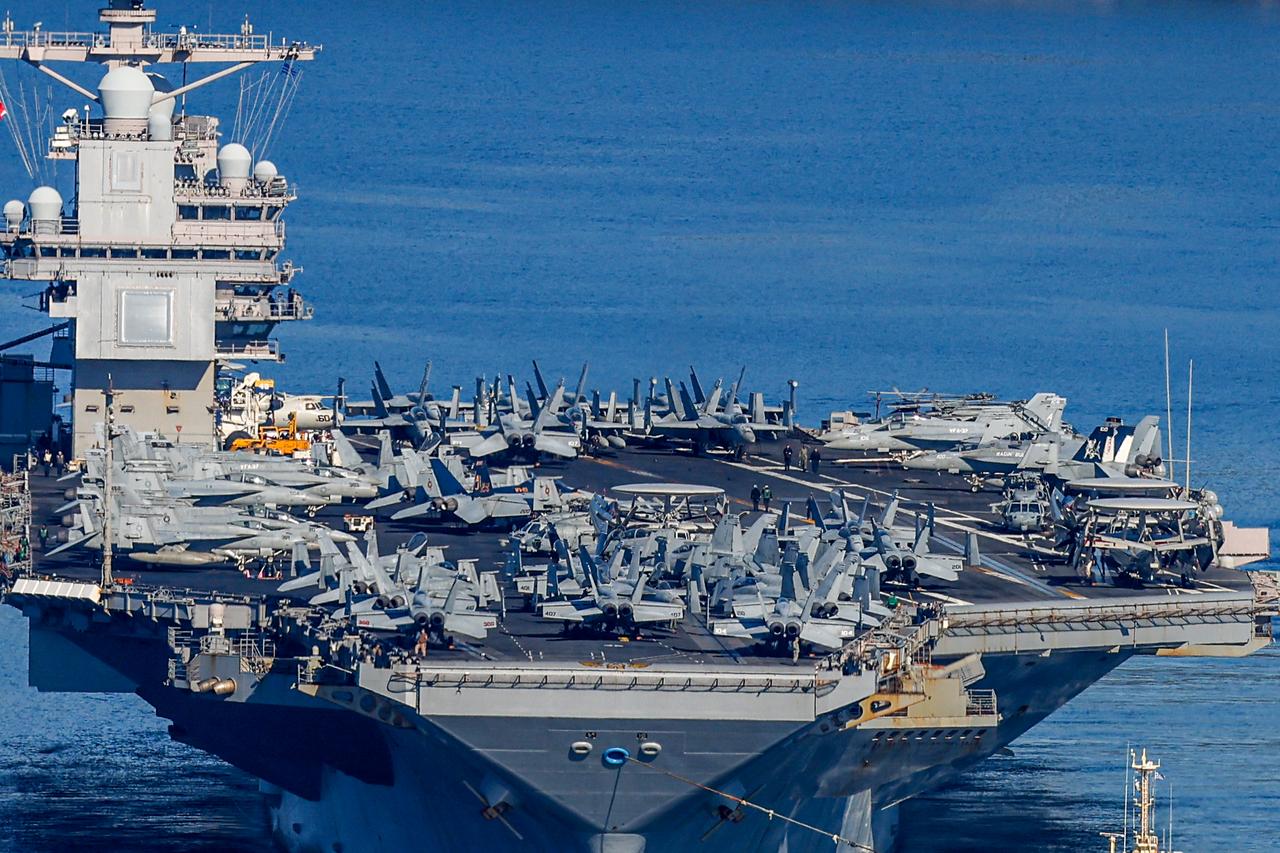


President Donald Trump's claim that Iran will soon have a missile capable of reaching the United States is not supported by intelligence reports and appears to be exaggerated, according to three sources familiar with the assessments speaking to Reuters, casting doubt on part of his case for a possible attack on Iran.
In his State of the Union address on Tuesday, Trump said Iran was "working on missiles that will soon reach" the United States.
But there have been no changes, two sources said, to an unclassified 2025 U.S. Defense Intelligence Agency (DIA) assessment that Iran could take until 2035 to develop a "militarily viable intercontinental ballistic missile" from its existing satellite-launching space vehicles.


The sources, who spoke on condition of anonymity to discuss sensitive intelligence, said they were unaware of any U.S. intelligence assessments indicating Iran was developing a missile that could soon range the U.S. homeland, Reuters reported.
They did not rule out the possibility of a new intelligence report they were unaware of.
One source said that even if China or North Korea, which closely cooperate with Iran, provided technological assistance, Iran would probably take up to eight years at the earliest to produce "something that is actually ICBM level and operational."
White House spokesperson Anna Kelly said: "President Trump is absolutely right to highlight the grave concern posed by Iran, a country that chants 'death to America,' possessing intercontinental ballistic missiles."
U.S. Secretary of State Marco Rubio used less definitive terms than Trump on Wednesday, saying Iran is "on a pathway to one day being able to develop weapons that could reach the continental U.S."
Iranian Foreign Minister Abbas Araghchi denied that Iran was expanding its missile capabilities in an interview with India Today TV released Wednesday.
"We are not developing long-range missiles. We have limited-range to below 2,000 kilometers intentionally," Araghchi said.
"We don't want it to be a global threat. We only have them to defend ourselves. Our missiles build deterrence," he added.
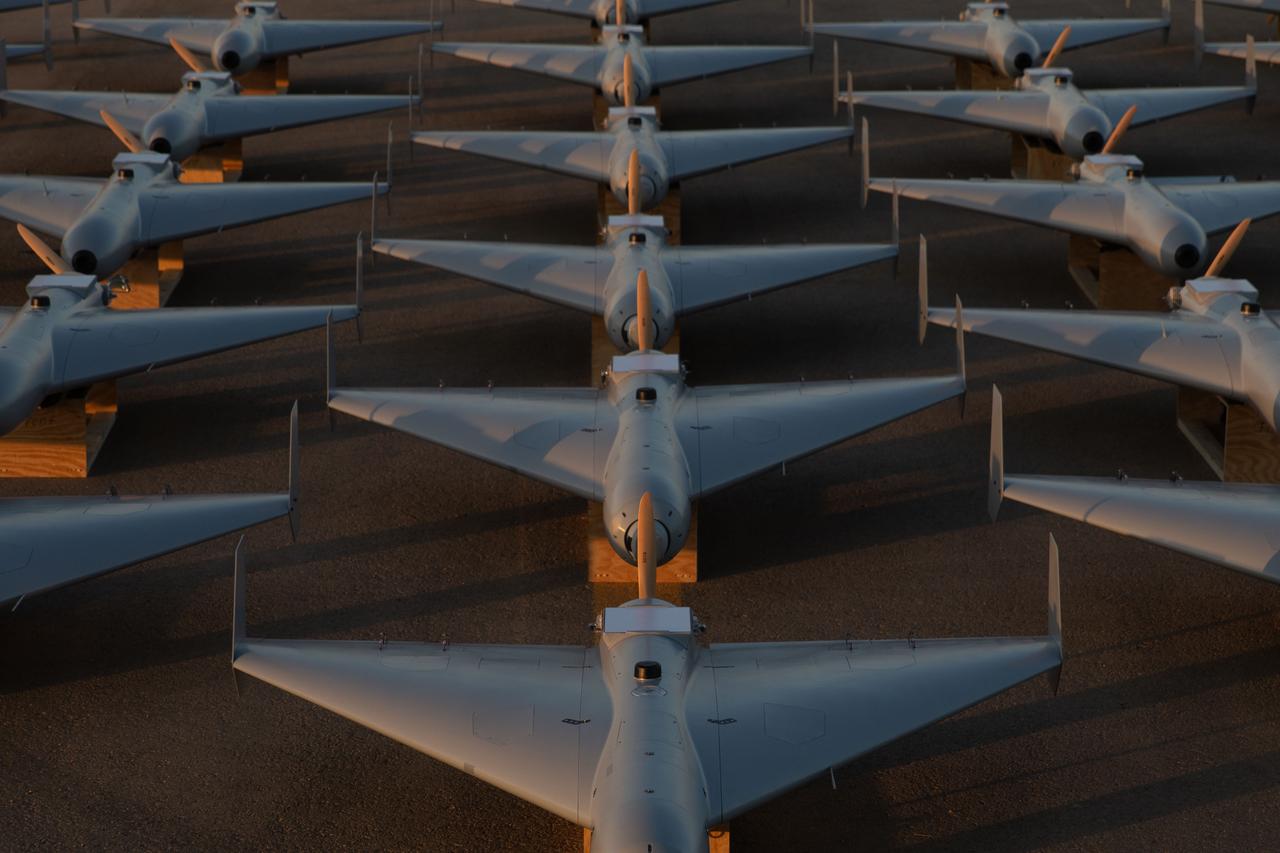
Iran has the largest ballistic missile force in the Middle East, with missiles able to strike Israel, U.S. bases in the region and parts of Europe.
Tehran currently possesses short- and medium-range ballistic missiles with ranges topping out at about 1,850 miles (3,000 kilometers), according to the U.S. Congressional Research Service.
The continental United States is more than 6,000 miles from Iran.
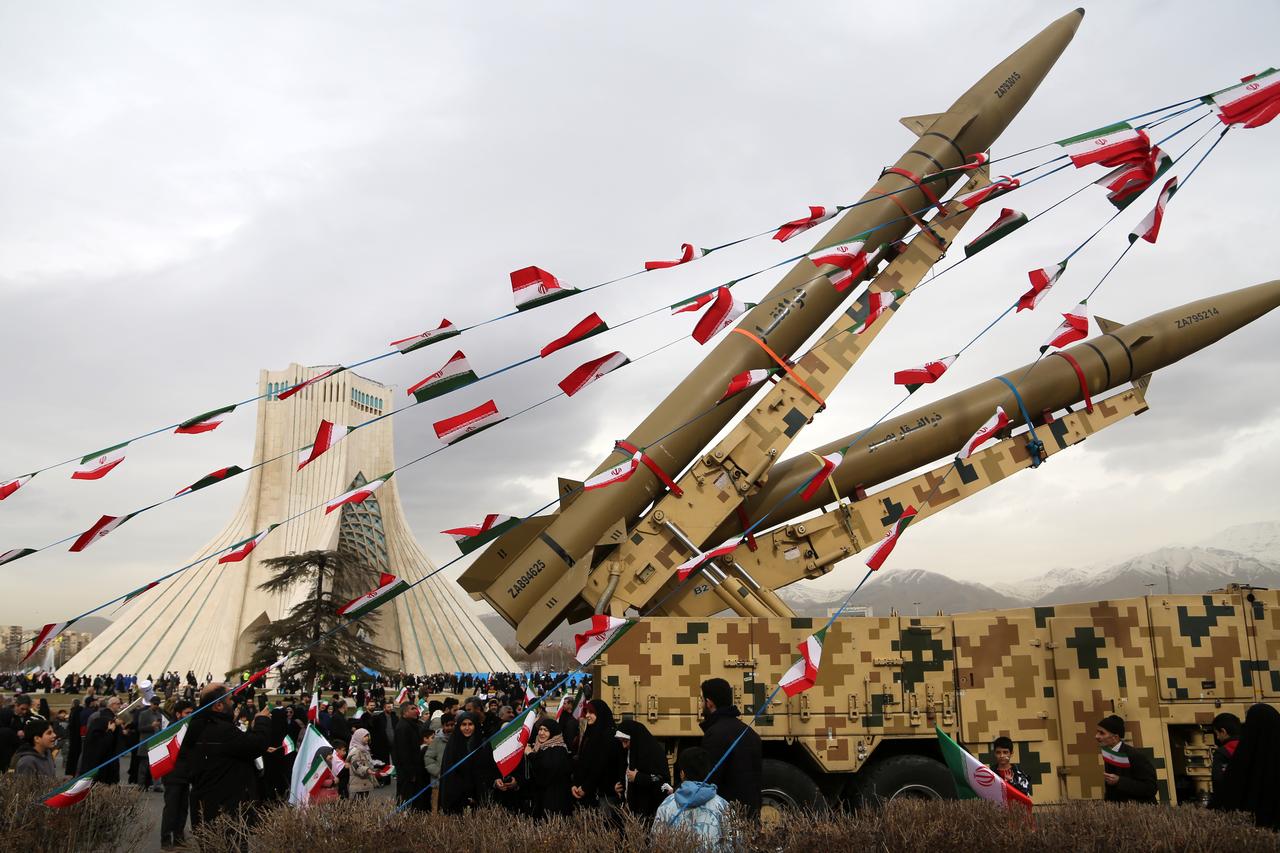
Navy Adm. Brad Cooper, head of U.S. Central Command (CENTCOM), briefed Trump on potential military options in Iran, ABC News reported, citing a person close to the president.
Joint Chiefs of Staff Chairman Gen. Dan Caine was also present.
The briefing coincided with the third round of indirect talks between U.S. and Iranian delegations in Geneva on Iran's nuclear and ballistic missile program.
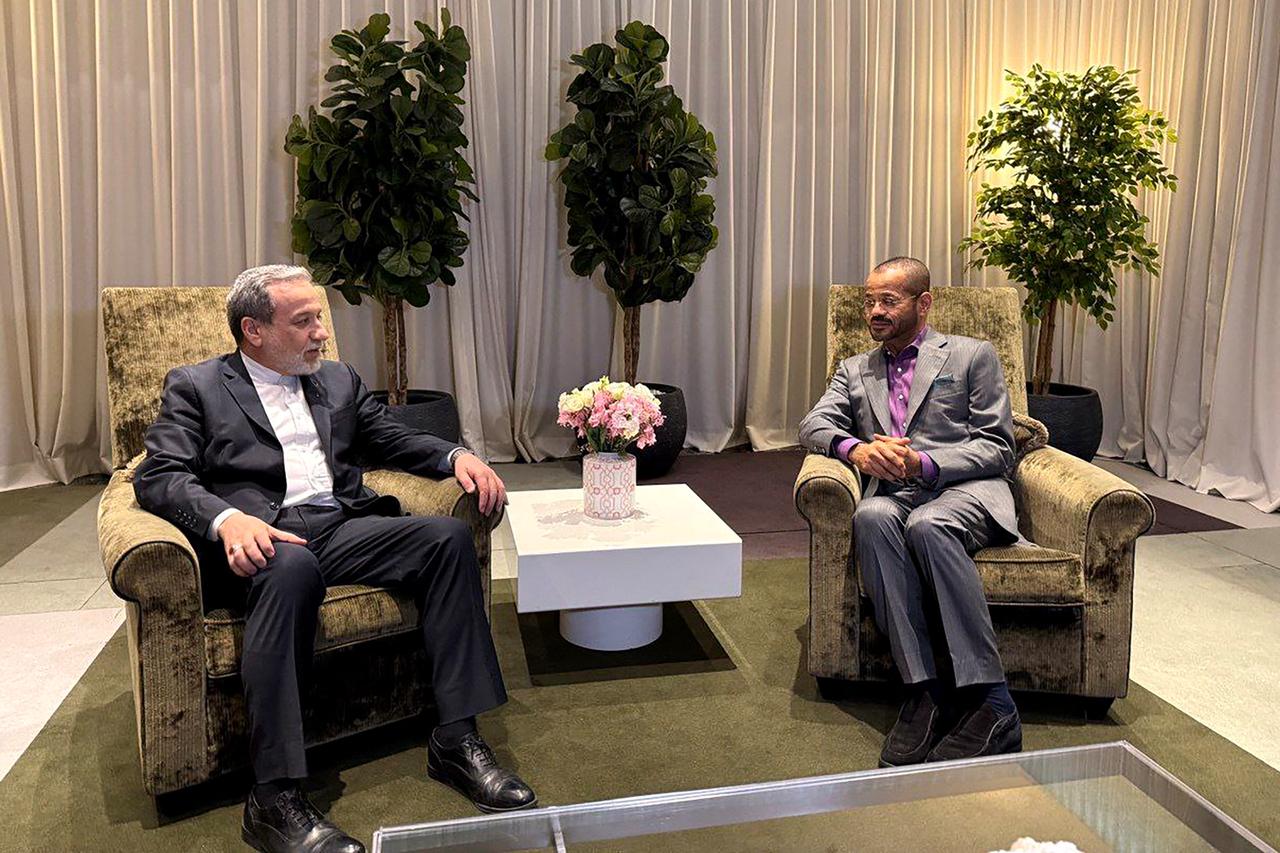
After the talks concluded, Omani Foreign Minister Badr al-Busaidi, who served as mediator, reported "significant progress" in the negotiations. Araghchi said the two countries "moved closer to agreement" on certain issues and that seriousness was evident on both sides.
Technical talks are expected to resume in Vienna, Austria next week.
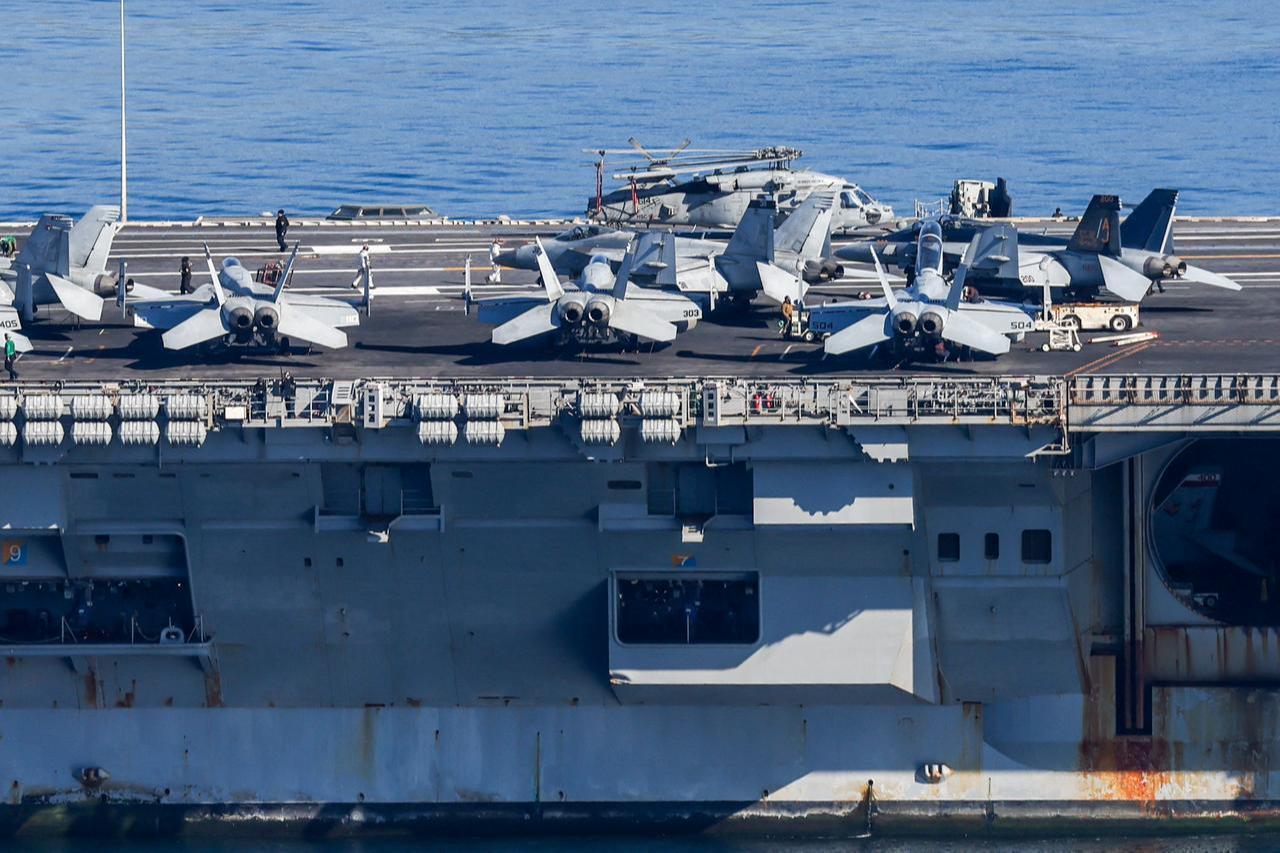
Several Republicans and some Trump officials have privately advocated in recent days for Israel to take the lead in striking Iran instead of the U.S. initiating hostilities, ABC News reported, citing two people familiar with the discussions.
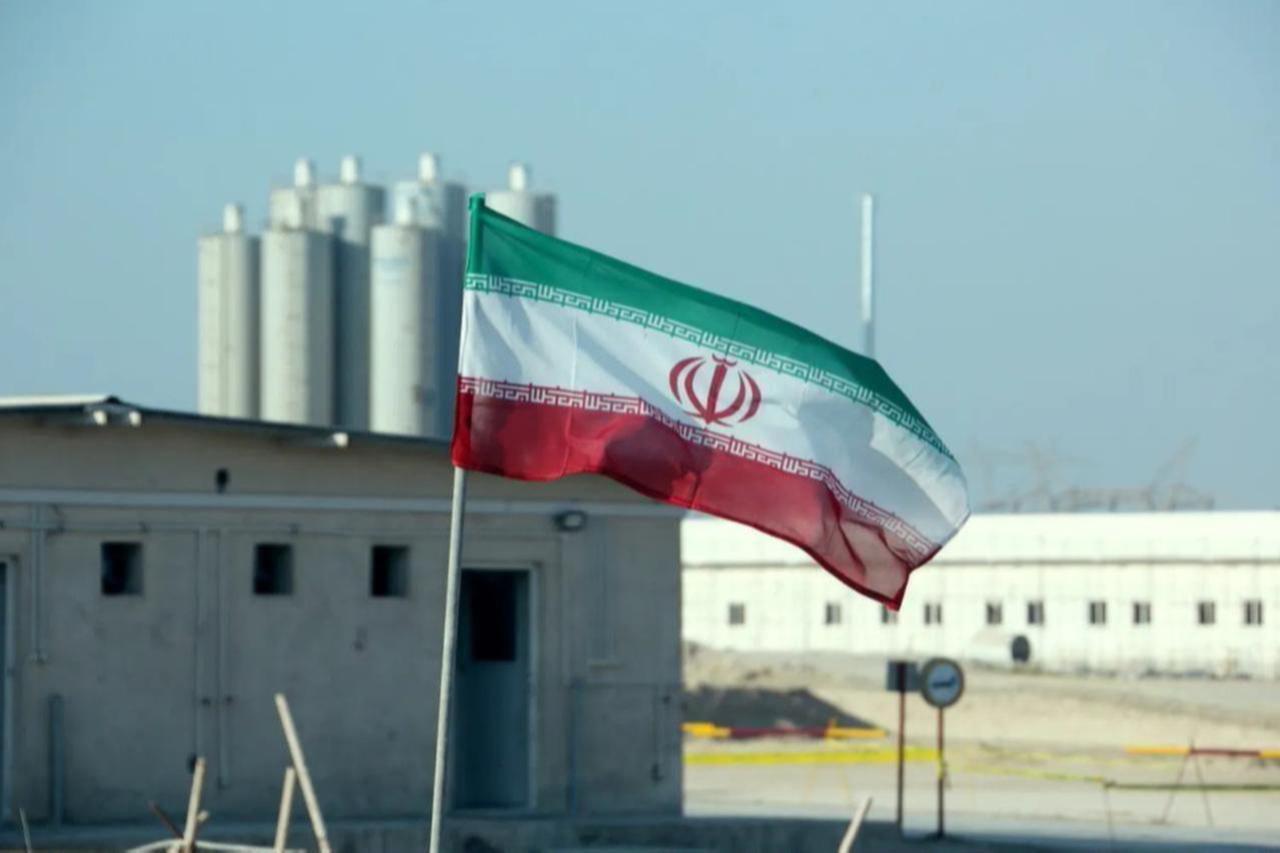
As of Thursday, it remained unclear whether Trump had embraced such a proposal. The president is reportedly growing increasingly frustrated with Iran's refusal to agree to his demands to halt uranium enrichment and cap its ballistic missile program.
"The media may continue to speculate on the president's thinking all they want, but only President Trump knows what he may or may not do," White House Deputy Press Secretary Anna Kelly said.
If Israel struck Iran, defense officials predict Tehran would almost certainly retaliate.
"Trump could then argue that U.S. intervention was in line with decades-long policy of defending Israel," analysts said.
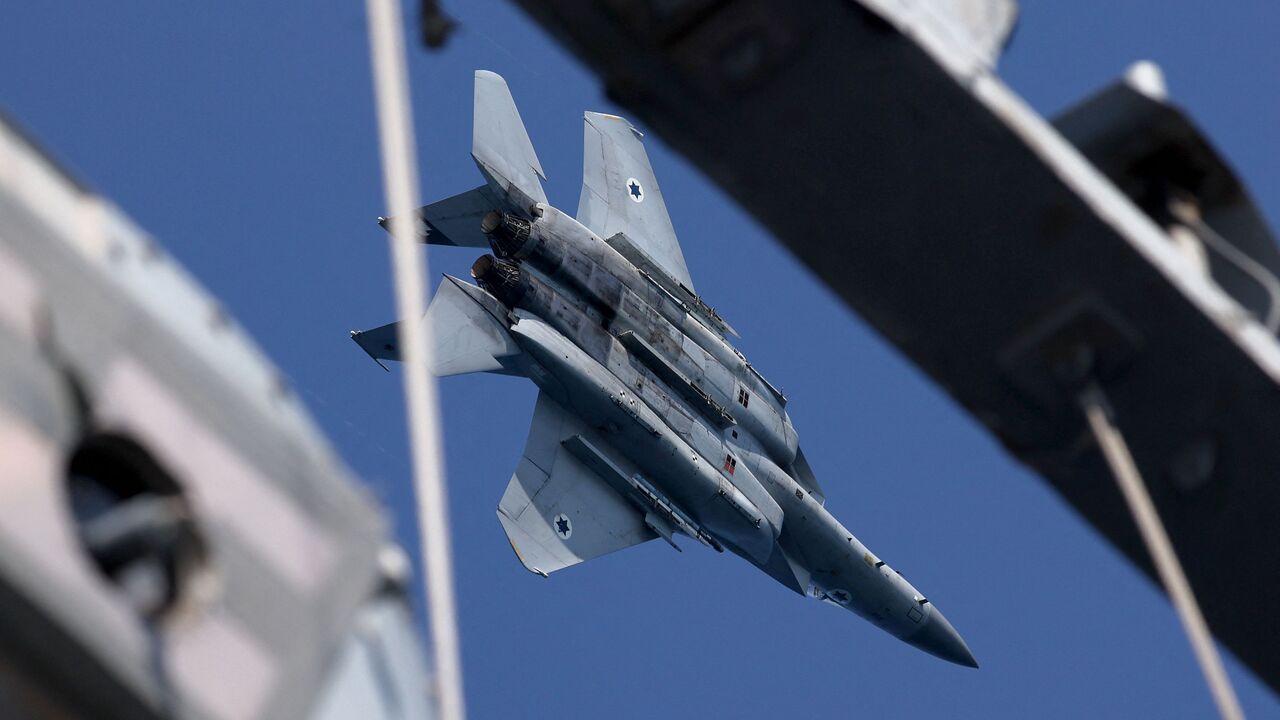
Sources told ABC News that among Trump's options is a limited strike on ballistic missile launchers and nuclear sites as a warning to force Tehran to agree to his demands. Also under consideration is a major operation hitting a large number of targets over a sustained period.
"An opening salvo led by Israel could serve to cripple more of Iran's air defenses should Trump decide to follow up with a sustained military campaign," sources said.
Analysts say such an operation could last weeks and be extraordinarily risky without any guarantee that Iran would emerge with a government more favorable to U.S. interests.


 Set as preferred source
 Set as preferred source


 1 min read
 1 min read