

 Newsletters


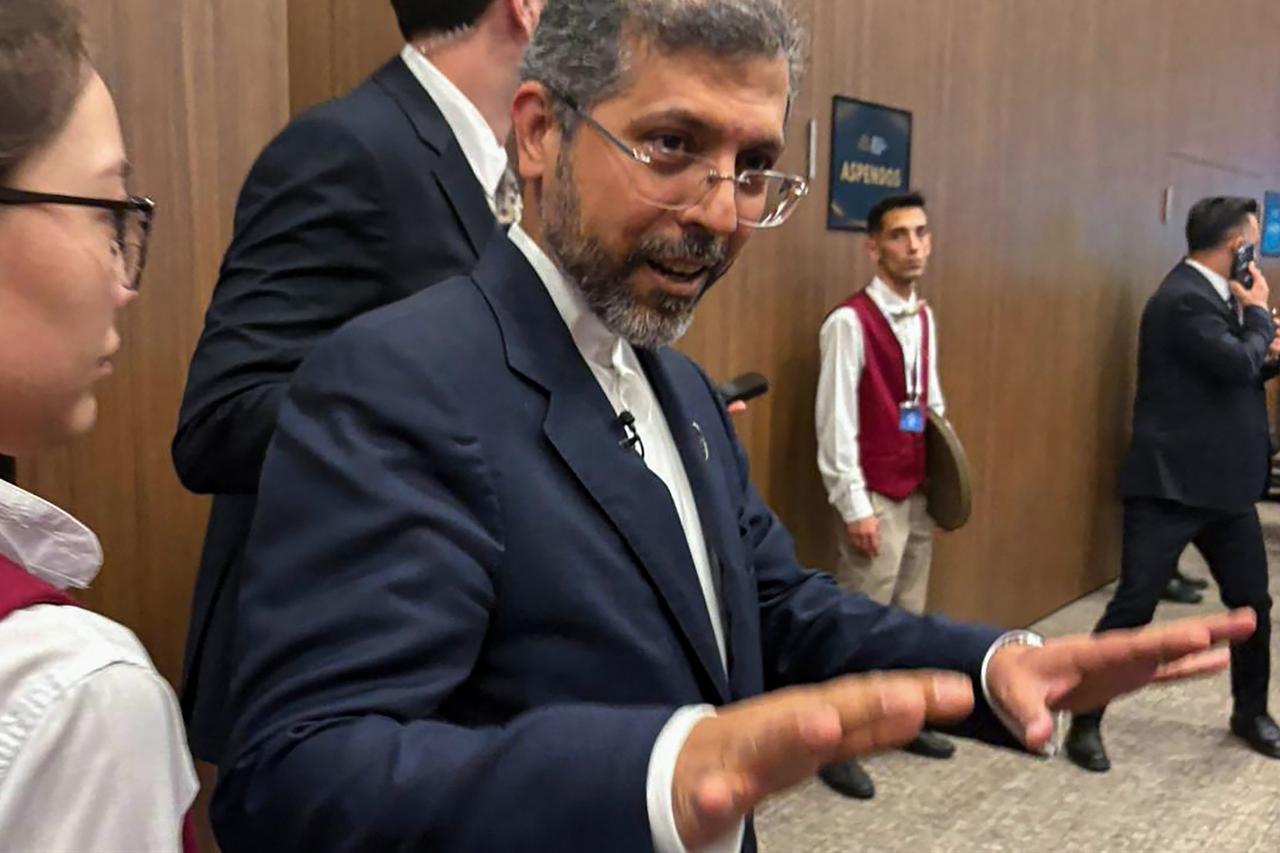


Iran's Deputy Foreign Minister Saeed Khatibzadeh told Turkish media outlet CNN Turk on Saturday, accusing Washington of using diplomacy as "deception" to derail negotiations while continuing to fight.
He said nothing was confirmed about a second round in Islamabad and declared, noting, "Whatever the Americans say should not be considered confirmed until Iran confirms it."
Khatibzadeh said Iran remained committed to results-oriented diplomacy but accused the U.S. of using the process as cover during his remarks to the Turkish media.
"Diplomacy is our first goal, but we see that the U.S. is using diplomacy as deception. They use it to derail negotiations. They tell everyone that talks are going very well and great distances have been covered, but at the negotiating table, they continue attacking Iran and starting this war," he said.
He said Iran's skepticism of the other side was rooted in recent experience.
"Based on our most recent experiences, we naturally have doubts about the other side. They have been preparing for war with all their strength every single day. Now they have understood that they are getting nothing from the war, so negotiations and diplomacy are starting again," the Iranian official noted.
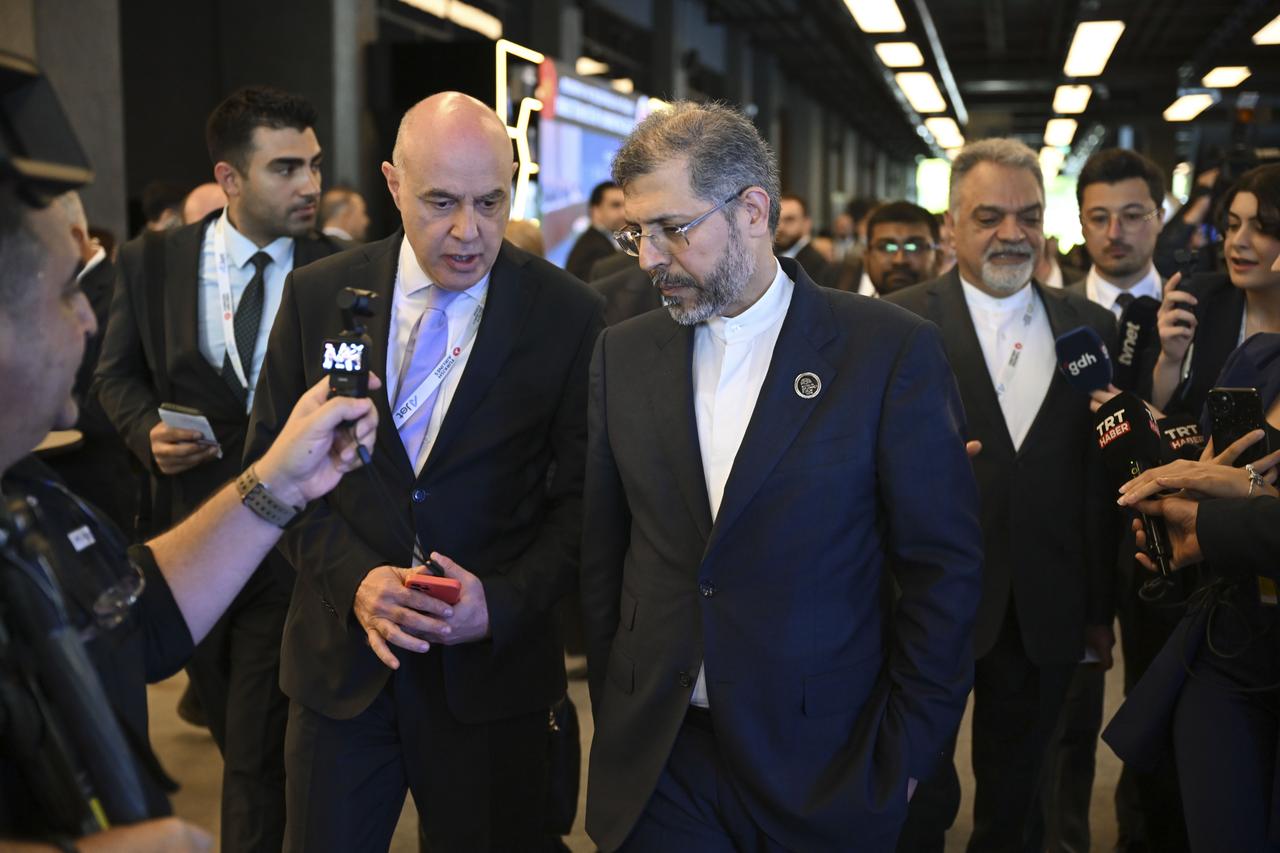

Khatibzadeh was explicit that no second round was confirmed.
"There is currently nothing certain about talks in Islamabad. First, we want the Americans to approach our goals with determination; then, face-to-face talks can happen. When we first saw it, President Trump had said Iran's 10-point plan was perfectly workable. But after talks started, they threw everything away and started from scratch," he noted.
"Iran will not be an exception to international law. We will not accept anything not in conformity with international law," he added.
"Whatever the Americans say should not be considered confirmed until Iran confirms it. This is very clear. It was said that Iran's enriched uranium would go to America. But no such discussion has taken place," he said.
"These statements are disrupting the negotiations here, and we consider them negotiating strategies or media campaigns with no connection to what we are actually discussing at the table," Khatibzadeh stated.
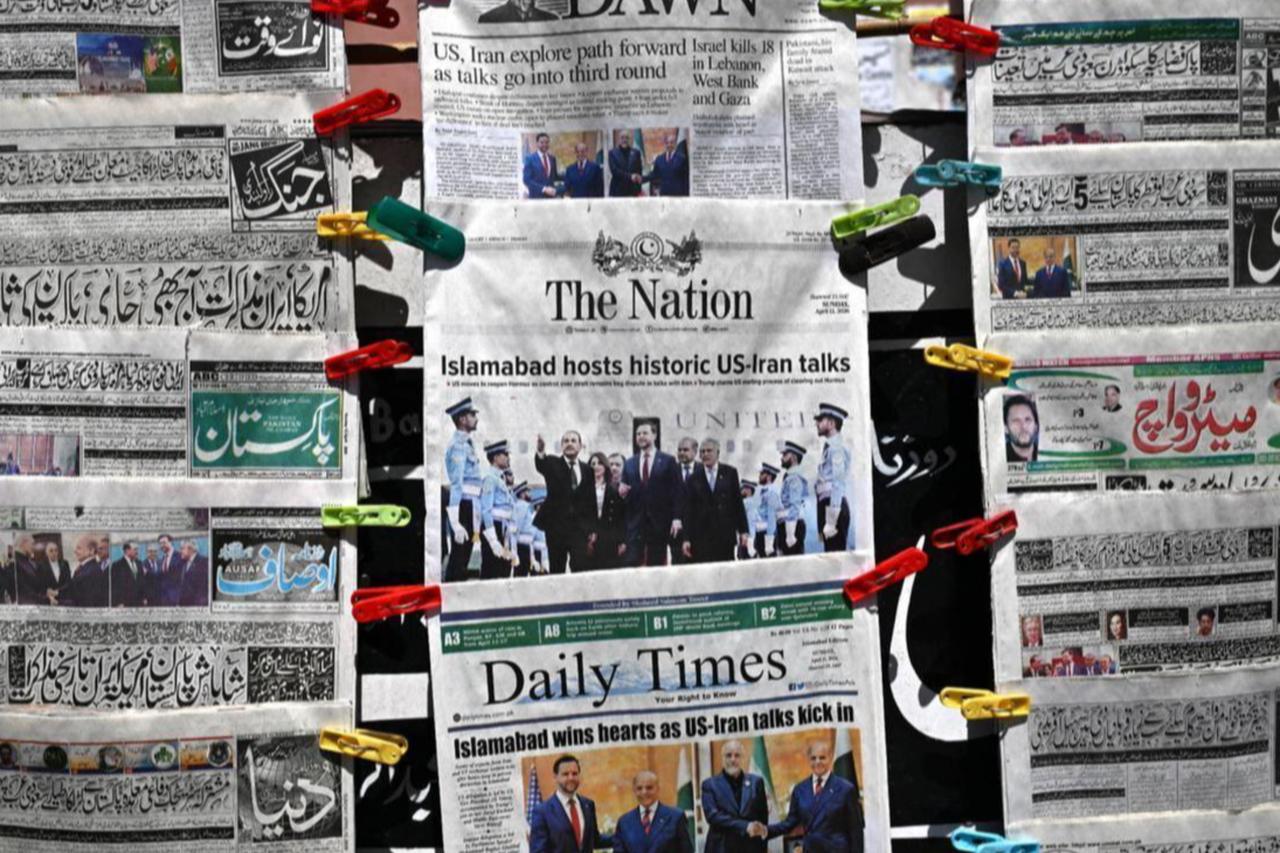
However, two Pakistani security sources say negotiations between the United States and Iran will likely be held before Friday. Speaking to Al Jazeera on Sunday, the sources stated that their conclusion is based on several factors.
"Two U.S. heavy airlift aircraft, C-17 Globemasters, have landed at Noor Khan Airbase in Rawalpindi," near the Pakistani capital, Islamabad. They added that "roads from the airport to Islamabad’s Red Zone have been temporarily closed, indicating heightened security arrangements."
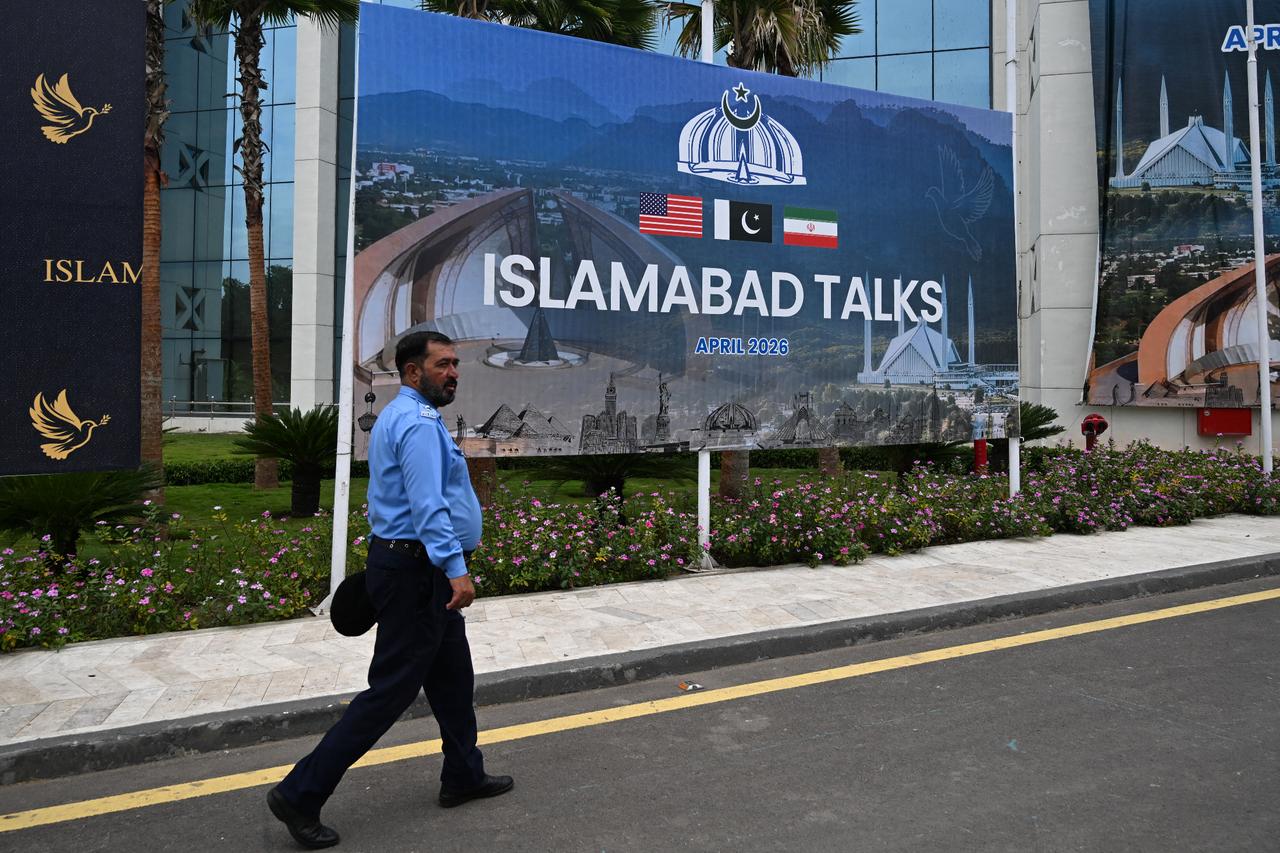
Lastly, the sources said that "both the Serena and Marriott hotels in Islamabad are being cleared of guests with no new bookings allowed until Friday." The Serena Hotel was the venue for the first round of negotiations between the U.S. and Iran on April 11.
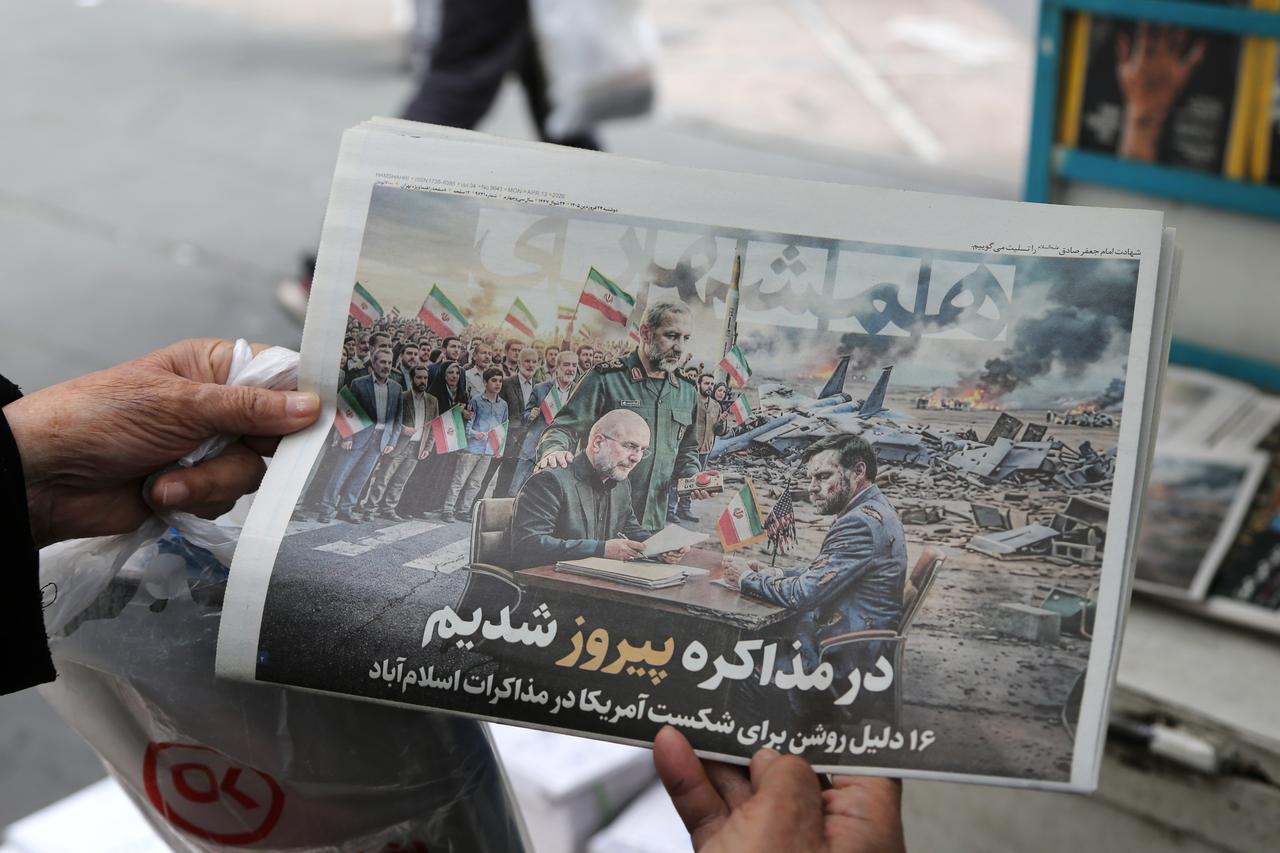
Khatibzadeh characterized U.S. messaging as structurally contradictory.
"We don't know whether the ceasefire will be extended because the situation we are in is very turbulent, and you can see how different the American messages are. One thing is said from Washington, another thing is discussed at the table," he noted.
"We hope that reason will prevail and peace will win, because peace is clearly better for the region. We want to negotiate on equal and mutual terms. We are continuing everything we have said so far in a completely consistent manner," the Iranian official added.
"We want diplomacy. I cannot share the details of what is being discussed. I hope you are not expecting me to conduct negotiations on live television," he said.
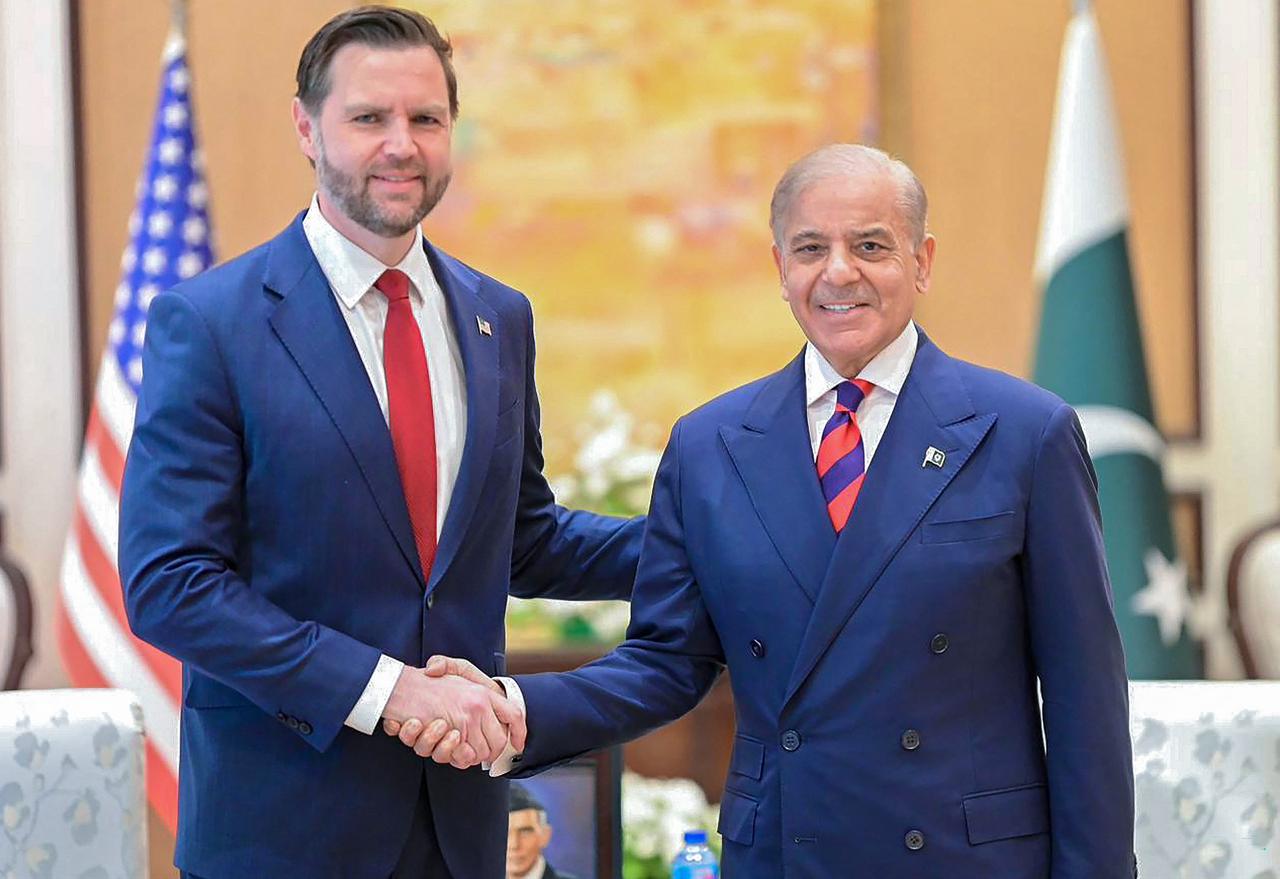
Khatibzadeh opened with a blunt war crimes accusation.
"Thank Allah we are all under Allah's protection. Our nation is in a war and has lost many lives, many innocent lives. The Americans deliberately and intentionally bombed an elementary school. They killed 168 small children aged 7 to 11. This shows how serious the war crimes committed by the aggressor are," the Iranian deputy FM said.
"This is not a situation we chose. But we will continue to defend here to the last of our soldiers and the last of our bullets," he added.
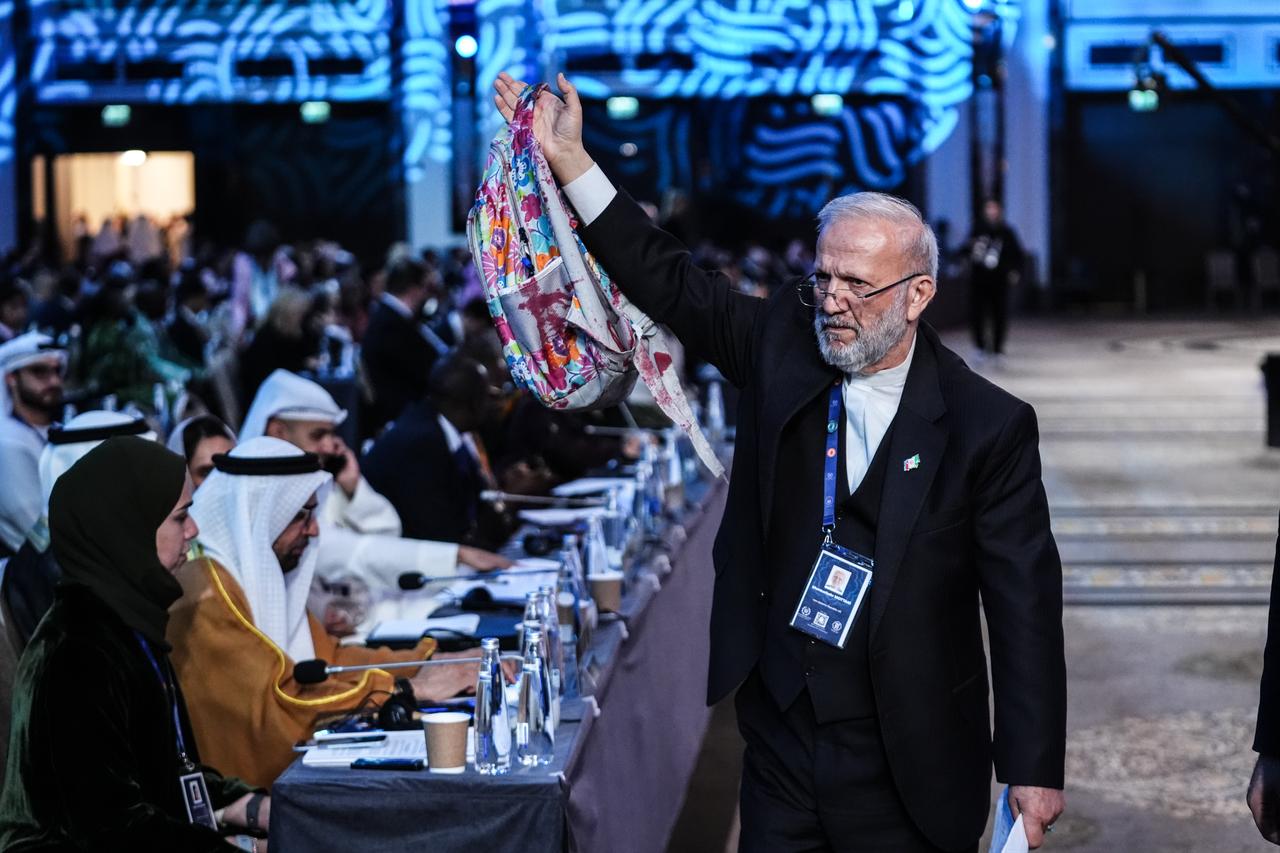
Khatibzadeh linked Hormuz directly to mutual compliance with the ceasefire.
"The Strait of Hormuz was open before the war and the attacks. If the U.S. and Israel continue to respect this ceasefire, the strait will remain open," he noted.
"We are trying to act in accordance with international law, and we want the other side to understand that either everyone is safe or no one is," he said.
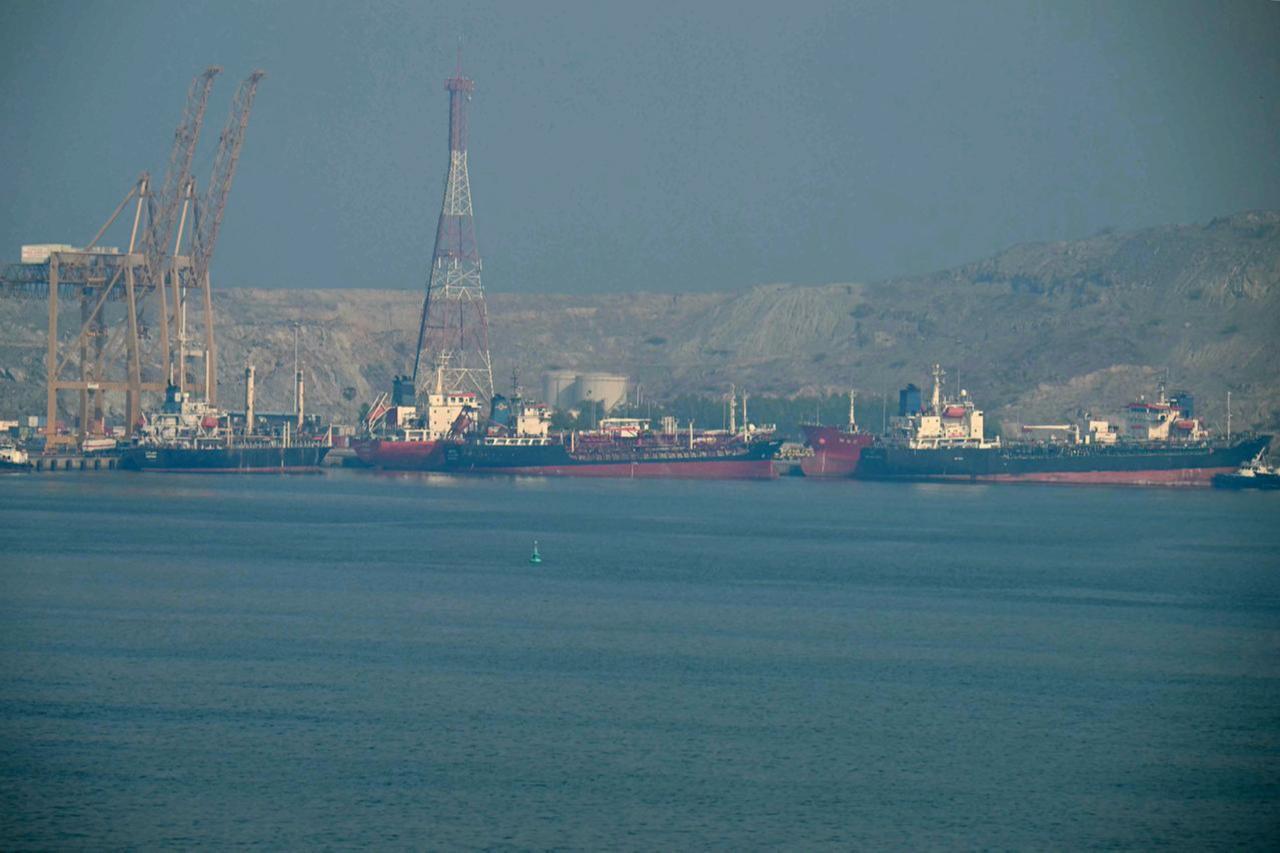
Iran’s Islamic Revolutionary Guard Corps (IRGC) Navy announced on the same day that the Strait of Hormuz is closed until the United States lifts its naval blockade on Iranian vessels and ports.
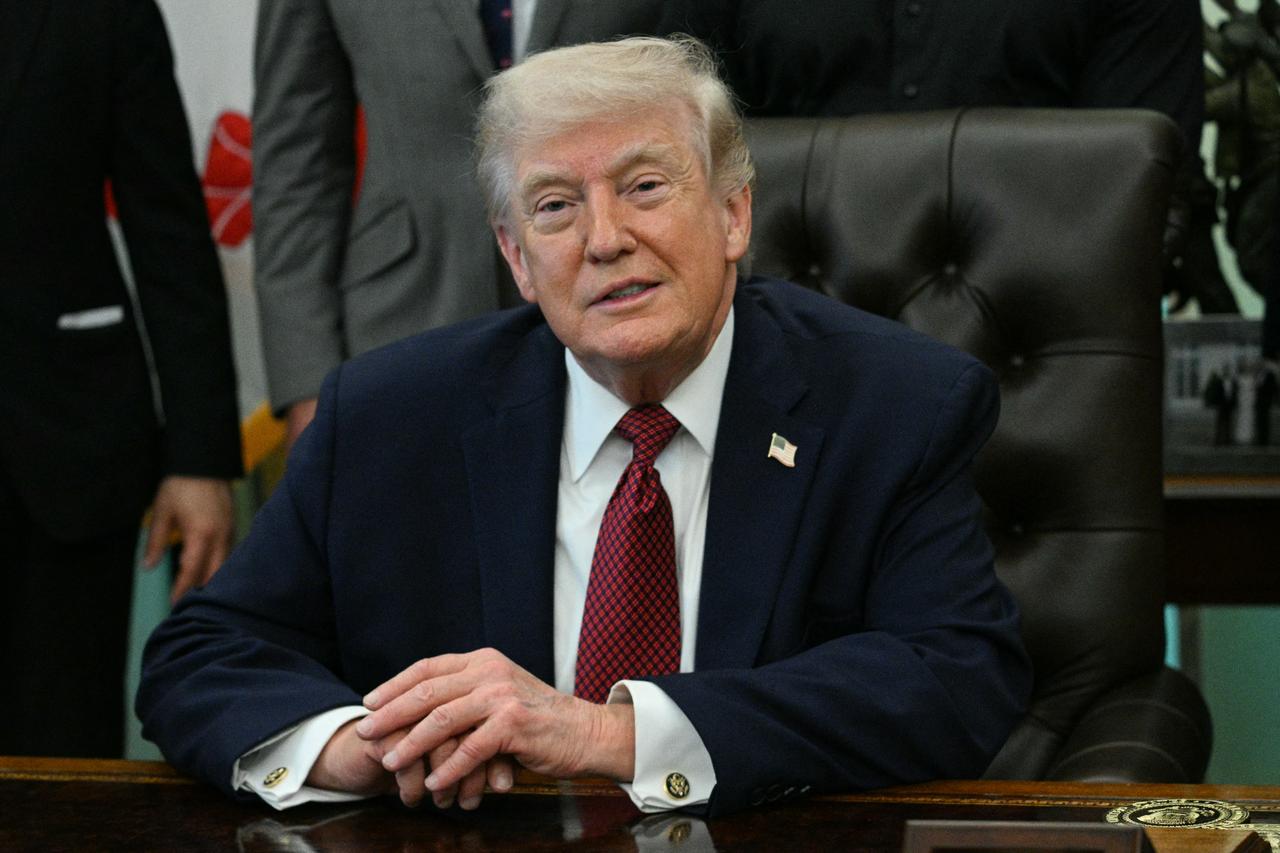
In a statement carried by state-run Press TV, the IRGC Navy said remarks by U.S. President Donald Trump regarding the strait "have no credibility."
"However, in violation of the ceasefire agreement, the American enemy has not lifted the naval blockade on Iranian vessels and ports, so the Strait of Hormuz will be closed from this afternoon until the blockade is lifted," the statement said.
It also warned that any vessel violating the directive "will be targeted."


 Set as preferred source
 Set as preferred source


 1 min read
 1 min read


