Newsletters


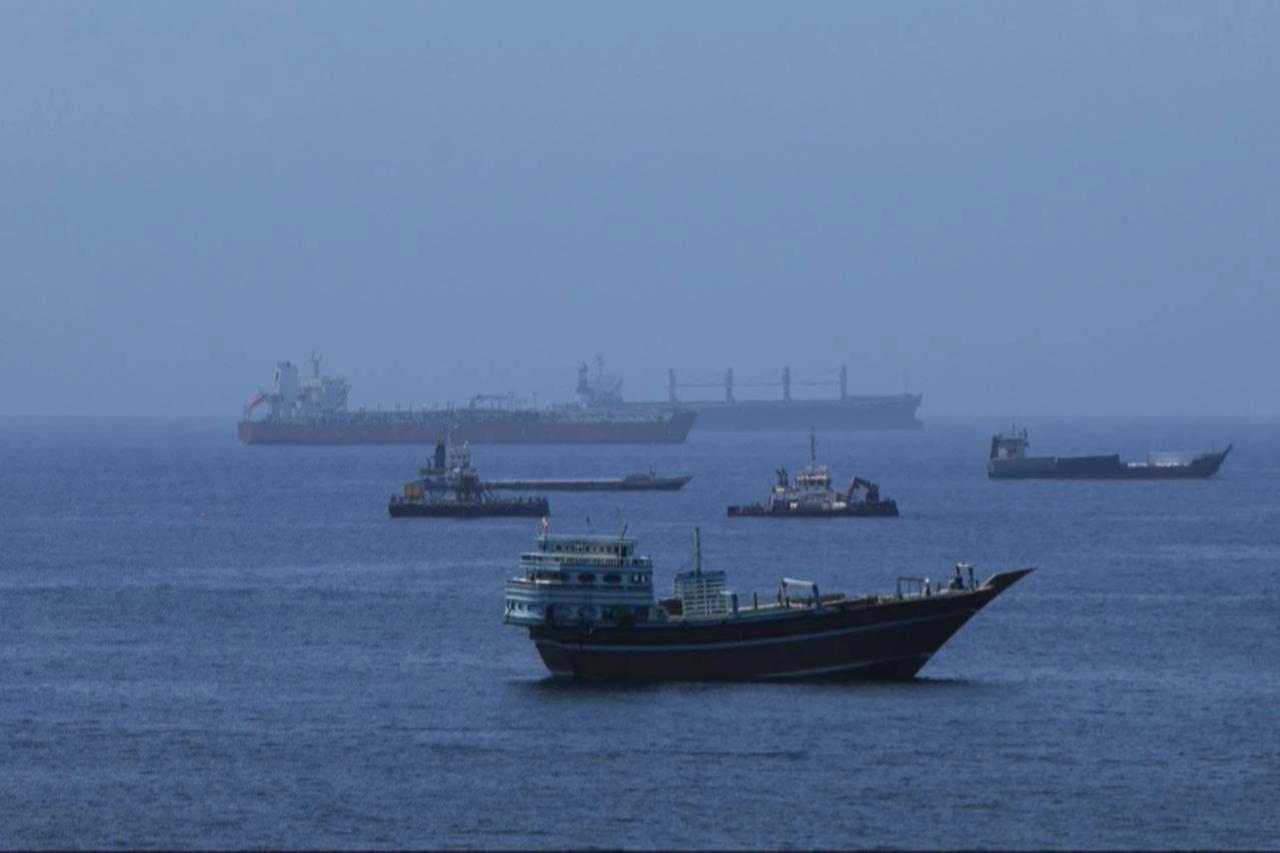
Iran's military joint command announced Saturday that the Strait of Hormuz has "returned to its previous state" of strict control by the armed forces.
The Tehran previously said it had agreed in good faith to allow limited oil tankers and commercial ships to pass, only to have the United States continue its naval blockade, which Iran's military described as "piracy and maritime theft."
The head of the National Security Commission in Iran's parliament Ebrahim Azizi published a statement on X after the closure of Hormuz and said, "We warned you, but you ignored it. Now ENJOY the Strait of Hormuz returning to the status quo :))"
"The Strait of Hormuz is now fully controlled and closed. This decisive action is a direct response to U.S. interference and harassment," Iman Tajik, the Spokesperson for Operation True Promise said on X.
"The restriction will remain firmly in place until all disruptive actions against Iran-linked vessels are fully corrected," he added.
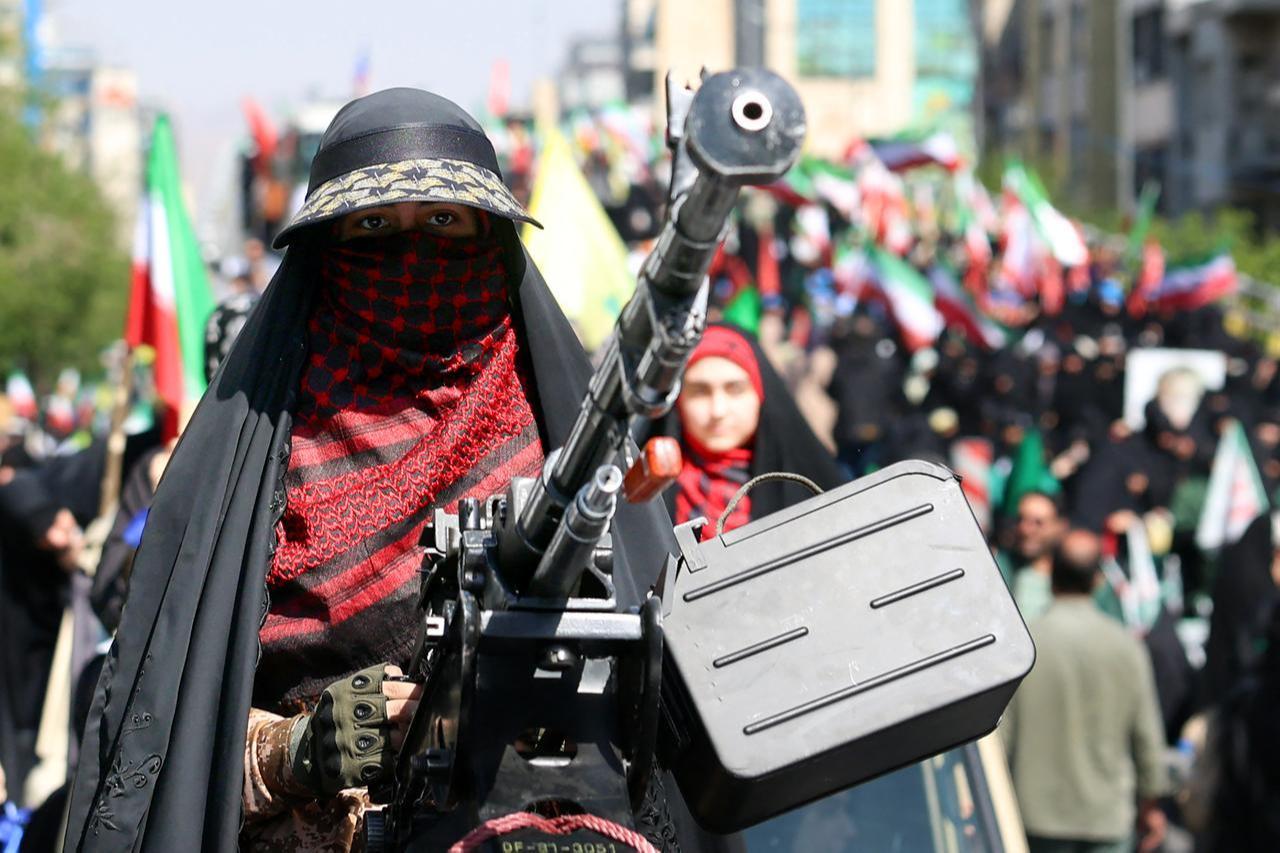

The spokesperson for the Central Headquarters of Hazrat Khatam al-Anbiya issued a formal statement carried by Tasnim News Agency and state broadcaster IRIB.
"The Islamic Republic of Iran, following previous agreements in negotiations, has agreed in good faith to the managed passage of a limited number of oil tankers and commercial ships through the Strait of Hormuz.
Unfortunately, the Americans, with their repeated acts of bad faith for which they have a track record, continue acts of piracy and maritime theft under the guise of a so-called blockade," the statement said.
"For this reason, control of the Strait of Hormuz has returned to its previous state, and this strategic strait is under the strict management and control of the armed forces.
As long as the United States does not end the complete freedom of passage of vessels from Iran to their destination and from destination back to Iran, the situation in the Strait of Hormuz will remain under strict control and in its previous state," it added.
The IRGC statement came after Iranian Foreign Minister Abbas Araghchi on Friday declared the strait "completely open” for all commercial vessels.
The decision was made "in line with the ceasefire in Lebanon," he said on U.S. social media platform X.
On Feb. 28, the U.S. and Israel launched a joint offensive on Iran, and Tehran retaliated with strikes on Israel and other regional countries hosting U.S. assets.
The war has been on hold since April 8, when Pakistan mediated a two-week ceasefire.
Washington and Tehran held talks in Pakistan last weekend toward a lasting peace, and efforts to hold another session in Islamabad are underway.


 Set as preferred source
 Set as preferred source


 1 min read
 1 min read