Newsletters


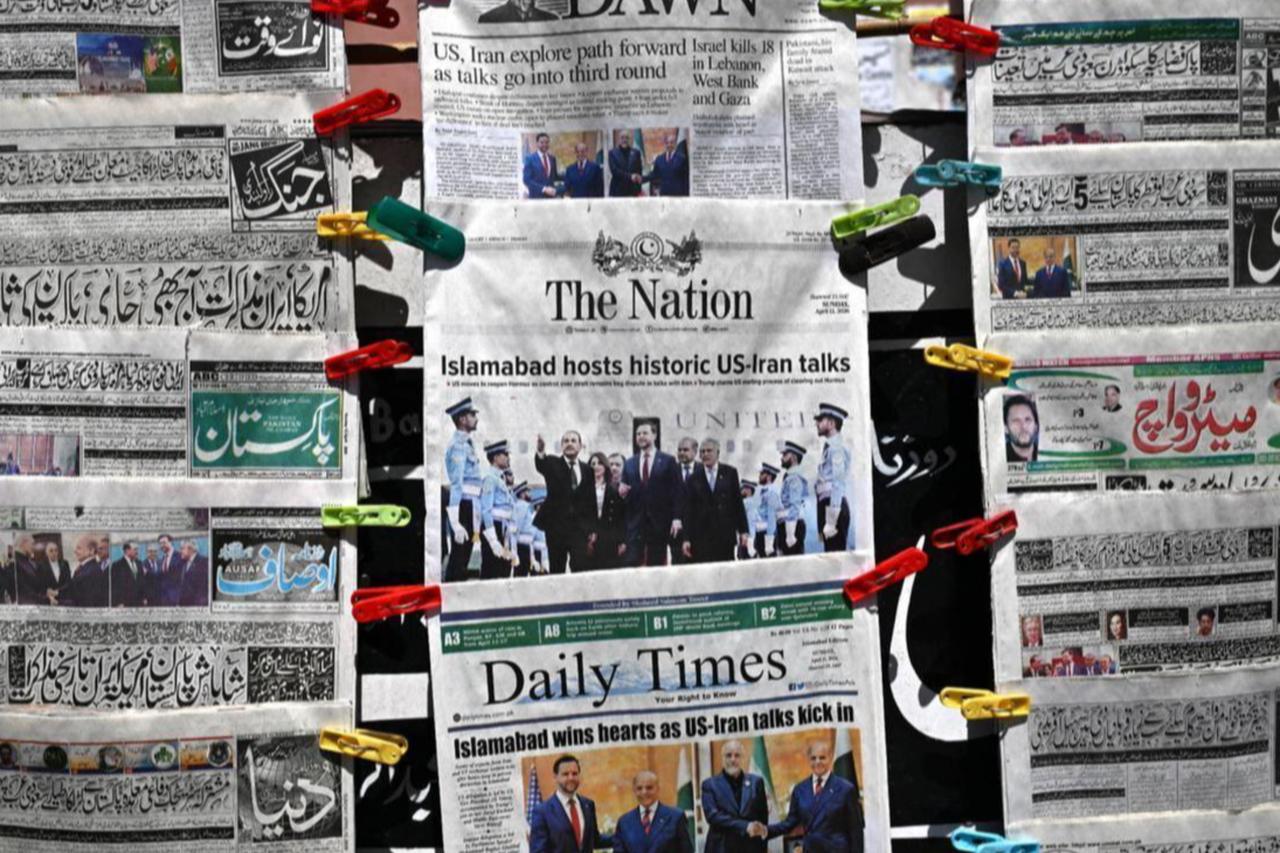


Negotiating teams from the United States and Iran could return to Pakistan within the next two days for a second round of peace talks, President Donald Trump said Tuesday, as Pakistani and Iranian officials confirmed that both sides were keeping the coming weekend open for a potential meeting, days after an initial round in Islamabad ended without a breakthrough.
Shortly after speaking with a Washington Post reporter about the outlook for future negotiations, Trump called back with an update. "You should stay there, really, because something could be happening over the next two days, and we're more inclined to go there," he said. "It's more likely, you know why? Because the field marshal is doing a great job."
Trump was referring to Pakistani Field Marshal Gen. Asim Munir, with whom he built a relationship last year during a separate U.S.-brokered peace process. "He's fantastic, and therefore it's more likely that we go back there," Trump said.
There was no immediate confirmation from other U.S. officials. A source involved in the talks said a proposal had been sent to Washington and Tehran for delegations to reconvene in Islamabad. An official at the Iranian embassy there said the next round "can come sometime later this week or earlier next week," while a senior Iranian source told Reuters that delegations were keeping Friday through Sunday open. A senior Pakistani official said Islamabad had reached out to Tehran "and we got a positive response that they will be open to a second round of talks."
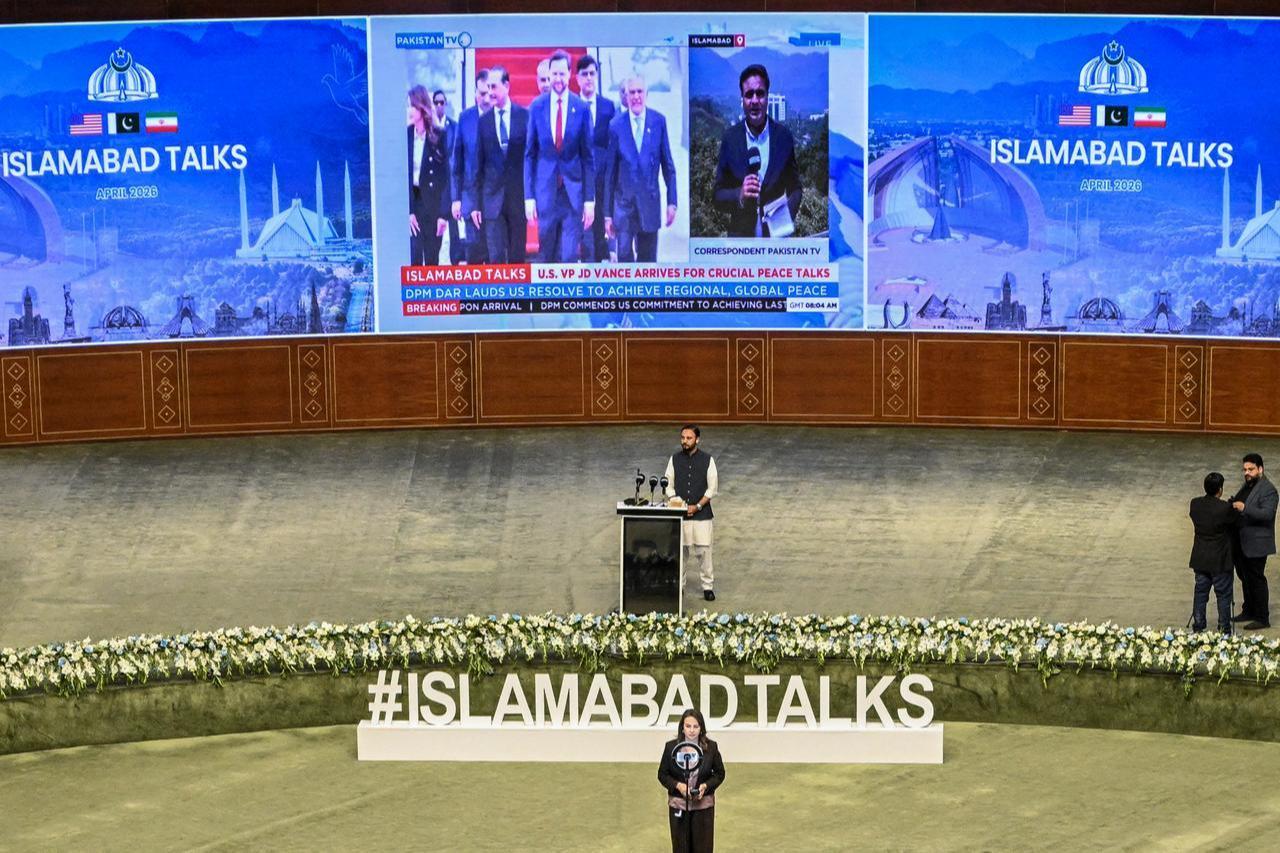

The first round of talks, held last weekend in the Pakistani capital, was the most senior direct engagement between Washington and Tehran since Iran's 1979 Islamic Revolution, and the first direct encounter between U.S. and Iranian officials in more than a decade. It followed a ceasefire announced four days earlier but produced no agreement.
U.S. Vice President JD Vance and Iranian Parliamentary Speaker Mohammad Baqer Qalibaf led their respective delegations. After the talks concluded, Vance told reporters the U.S. was leaving with "a very simple proposal, a method of understanding that is our final and best offer," adding, "We'll see if the Iranians accept it."
At the center of the impasse is Iran's uranium enrichment program. The U.S. asked Iran for a 20-year suspension of enrichment and the removal of highly enriched uranium from the country. Iran countered with an offer of a three-to-five-year suspension and proposed instead a monitored down-blending process, by which highly enriched uranium would be mixed with natural or less potent uranium to reduce its potency. Trump has said the Iranian counter-offer is not acceptable.
The International Atomic Energy Agency, the United Nations nuclear watchdog, has estimated Iran holds nearly 1,000 pounds of highly enriched uranium, enough for approximately 11 nuclear weapons. Tehran maintains its nuclear program is peaceful, that its enriched material remains secured underground following U.S. airstrikes on enrichment facilities, and that it has no intention of developing a nuclear weapon.
Vance, speaking to Fox News on Monday, said Tehran had shown "some flexibility" during the weekend talks but "didn't move far enough." He identified uranium as the central sticking point: "We must have the enriched material out of Iran," he said, adding that Washington required "their conclusive commitment to not develop a nuclear weapon." He described the situation as the ball being "in their court," but said there was "a grand deal to be had" if Iran was willing to meet the U.S. position.
Beyond the nuclear file, the status of the Strait of Hormuz remains a major flashpoint. Iran has effectively blocked the strait, a critical chokepoint for global energy supplies through which a significant share of the world's seaborne oil passes. The U.S. has vowed to reopen it and has launched a naval blockade barring ships from entering or exiting Iranian ports. Iran's armed forces condemned the blockade as "piracy" and threatened to strike ports across the Gulf if its own came under attack.
Despite the sharpening standoff, a two-week ceasefire in the broader conflict appeared to be holding as of Tuesday.
International sanctions on Tehran remain a third core issue under negotiation. The White House faces growing domestic pressure to reach a deal, with polls showing American public support for the conflict weakening as inflation persists and gasoline prices rise. With midterm elections in November, Republican strategists are eyeing the party's narrow margins in both chambers of Congress.
A senior fellow at the Middle East Institute, Ross Harrison, said both sides ultimately shared an interest in de-escalation. "Despite all of the bluster, both sides would like to go down the escalation ladder," he said. "There's a recognition that the only way really to resolve this is through negotiation."
 1 min read
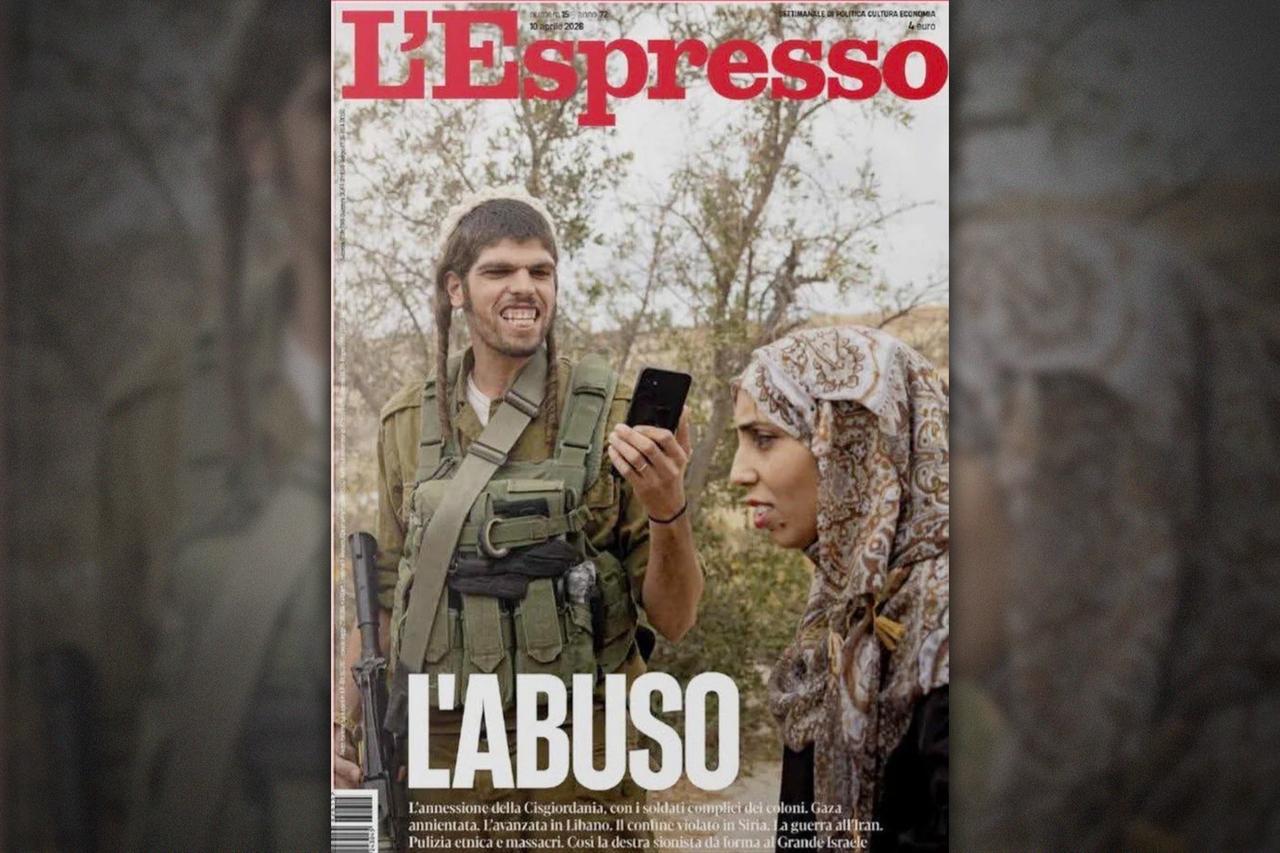
On Tuesday, Israel and Lebanon held direct talks in Washington, with Secretary of State Marco Rubio participating, the first such direct engagement between the two countries since 1993. The talks aimed to address the security situation along Israel's northern border, where Iran-backed militant group Hezbollah launched rocket attacks against Israel in early March in solidarity with Tehran, after the U.S. and Israel struck Iran on Feb. 28. Israel's subsequent military operations across Lebanon have killed more than 2,000 people, according to the sources.
A State Department official said the talks aimed to "scope the ongoing dialogue" about Israel's northern border security and support Lebanon's ability to reclaim sovereignty over its territory. "Israel is at war with Hizballah, not Lebanon, so there is no reason the two neighbors should not be talking," the official said.
Hezbollah urged the Lebanese government to abandon the Washington meeting. The U.S. and Israel have maintained that Lebanon falls outside the ceasefire framework, a position disputed by Iran and mediating party Pakistan.


 Set as preferred source
 Set as preferred source


 1 min read