Newsletters


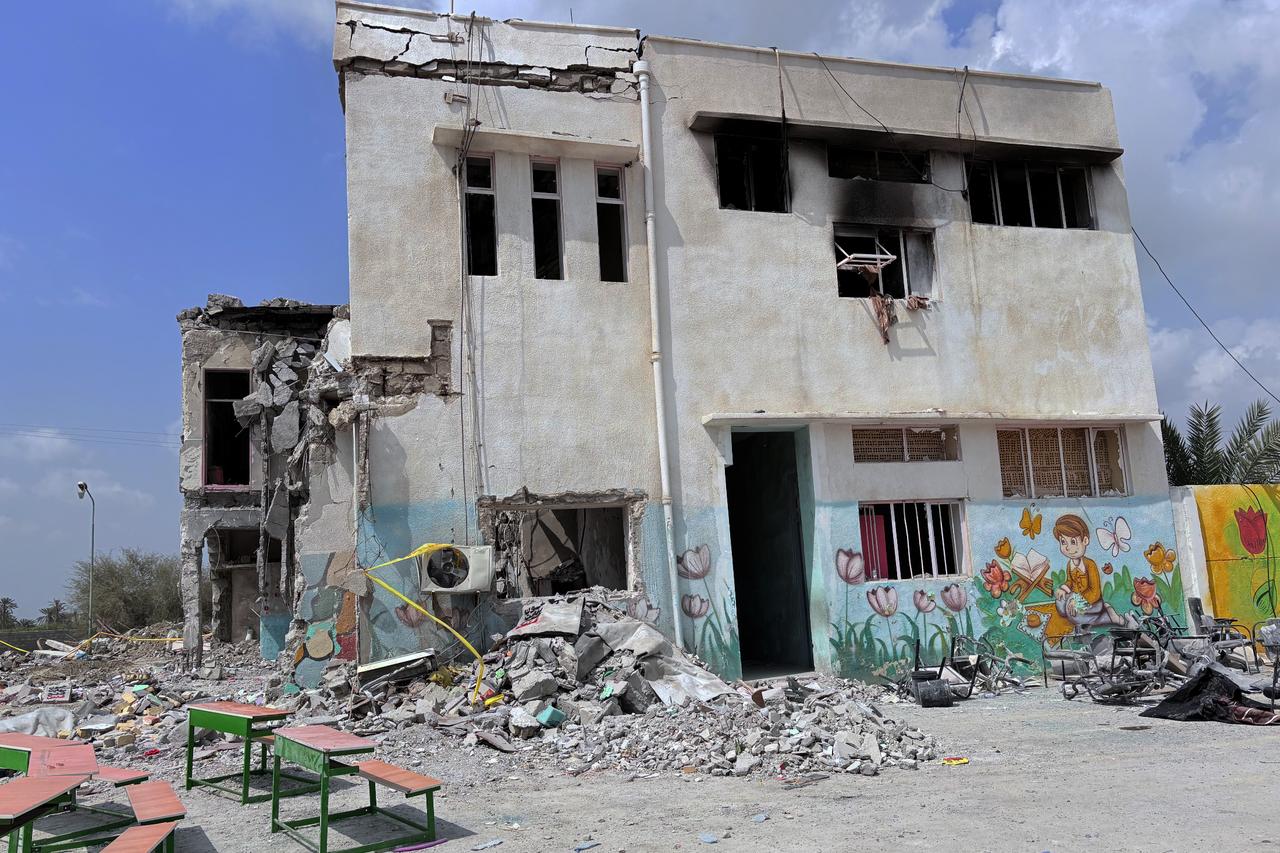


An intelligence analyst's missed remarks and a failure to connect key U.S. intelligence systems are among the missteps investigators have uncovered while probing the cause of a missile strike on an Iranian school that killed an estimated 120 children, Bloomberg reported, citing people familiar with the matter.
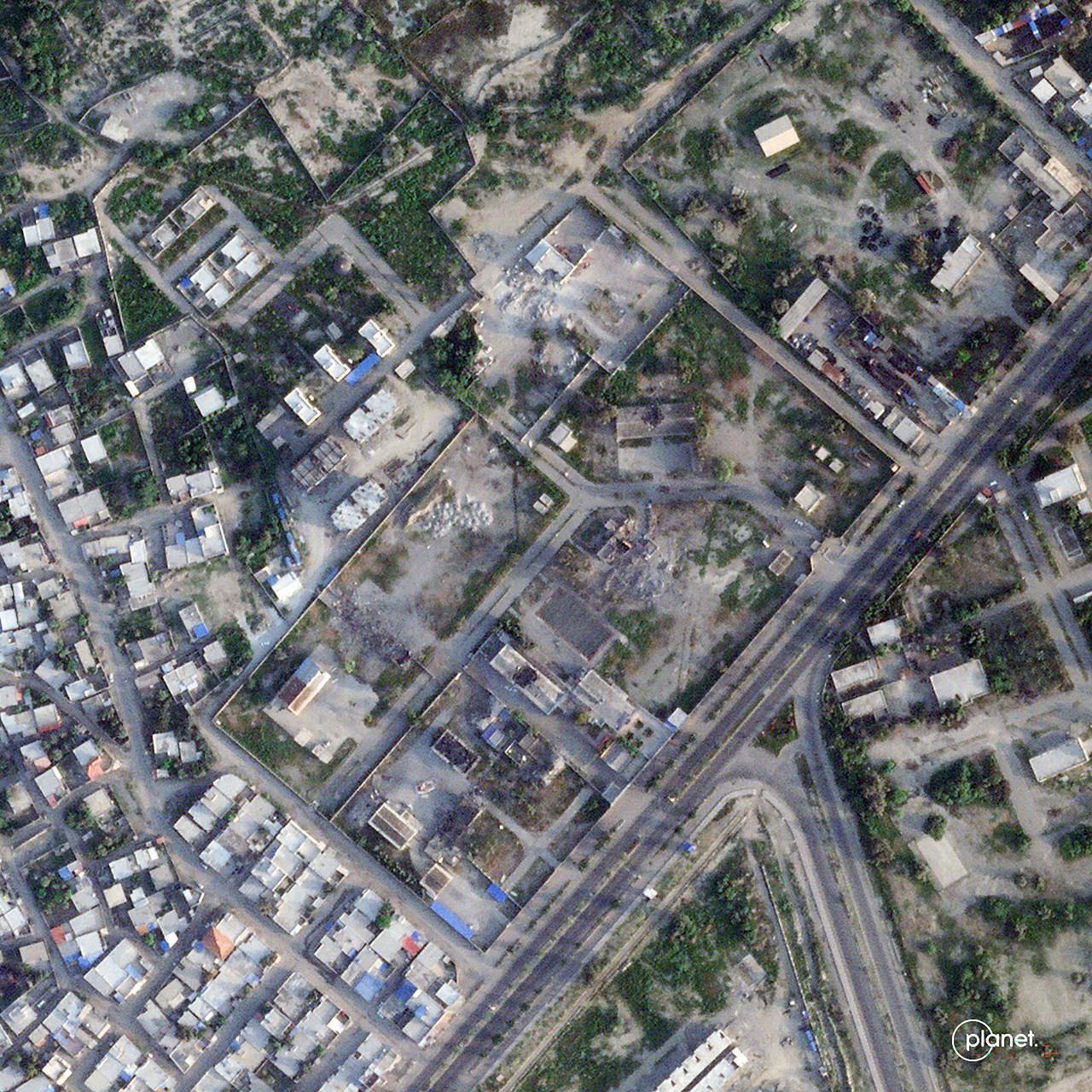
Years before the U.S. attacked Iran at the end of February, an analyst examining information about potential future strike targets in Iran noticed changes at a site in Minab, in southeastern Iran, previously characterized by the U.S. as a naval facility belonging to the elite wing of the Iranian military.
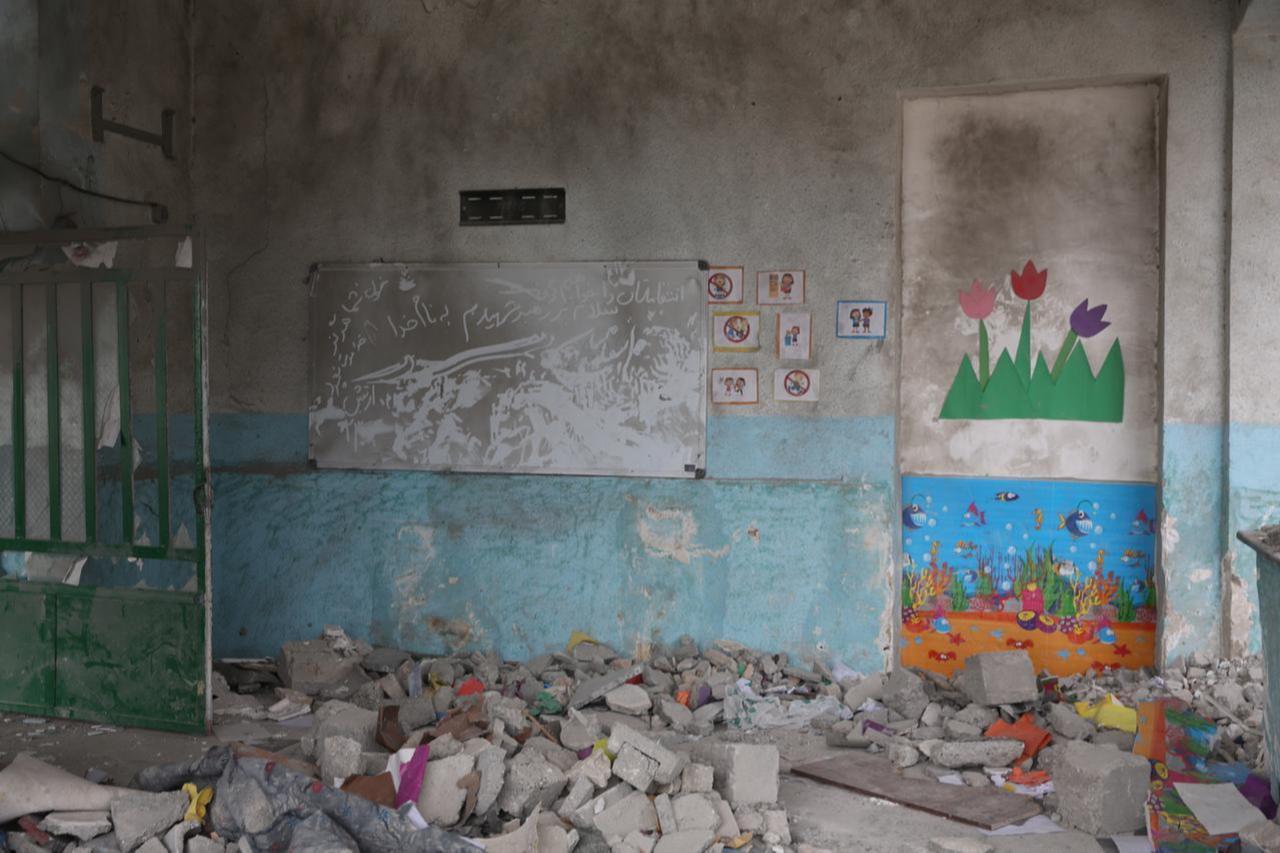
The site was, in fact, now an elementary school.
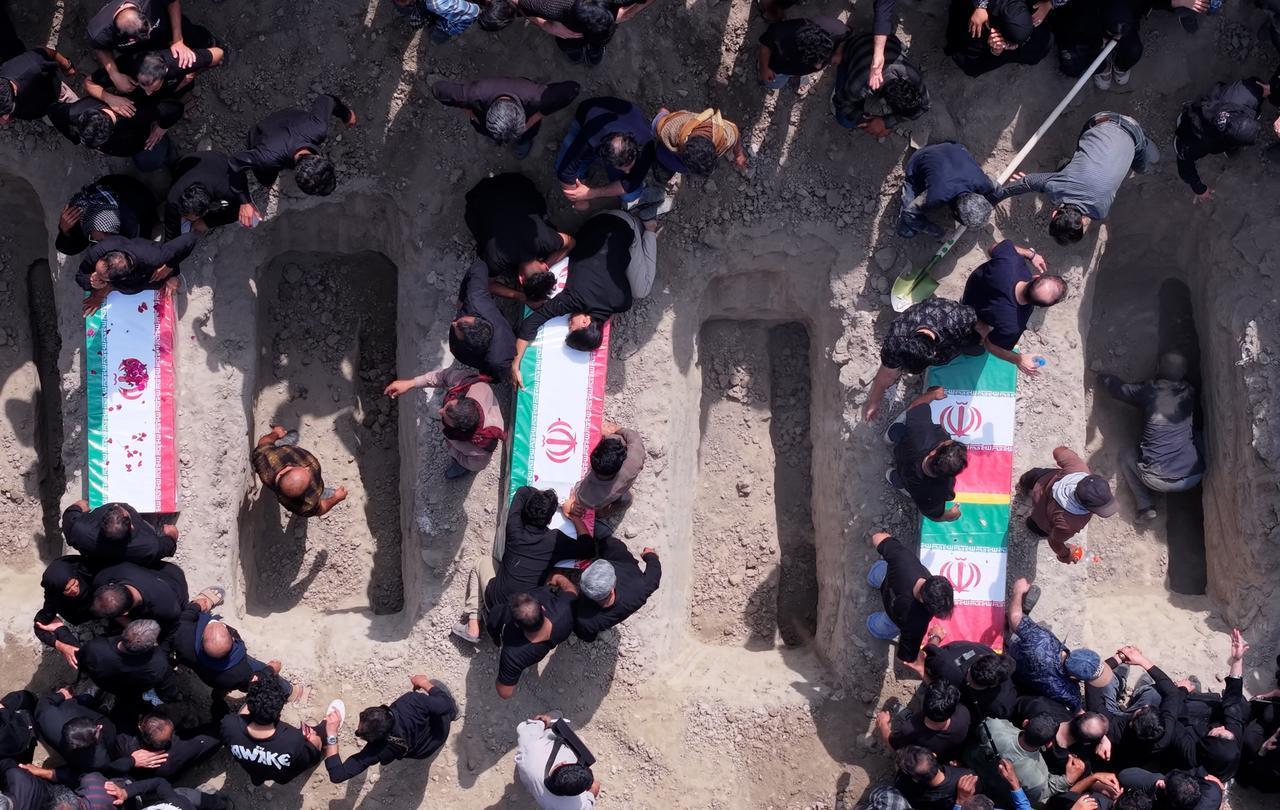
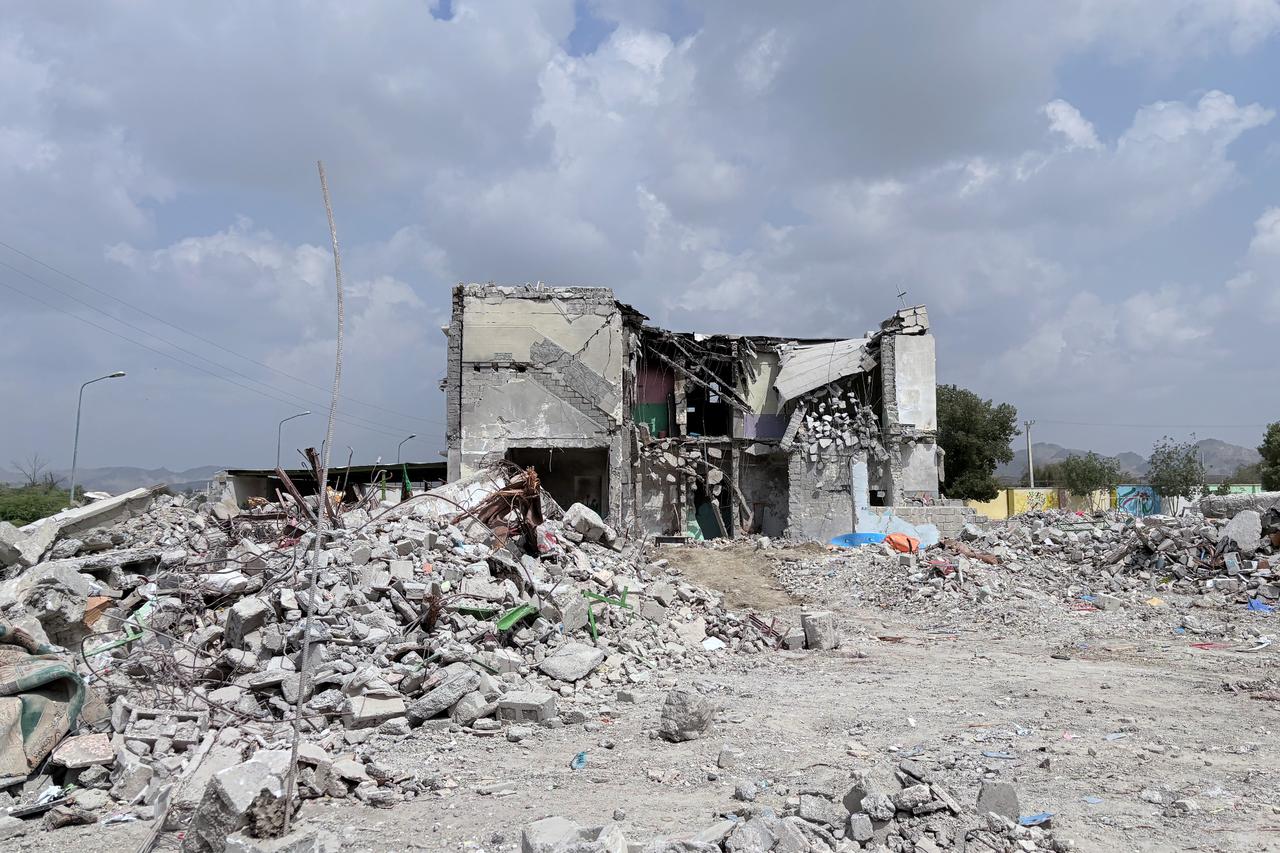
According to Iranian state media, the Feb. 28 strike in Minab killed 73 boys, 47 girls, 26 teachers, seven parents, a school bus driver, and one other adult.
The analyst recorded the observation in a digital intelligence tool that was not linked to the official intelligence database the U.S. uses to develop strike targets, according to people familiar with the matter who spoke to Bloomberg, who declined to be named, as they discussed sensitive issues.
As a result, the information was never conveyed to military commanders. One of the people said the remarks were submitted in 2019.
The warning went unheeded, and the same building was reviewed multiple more times in subsequent years without anyone updating the targeting database.
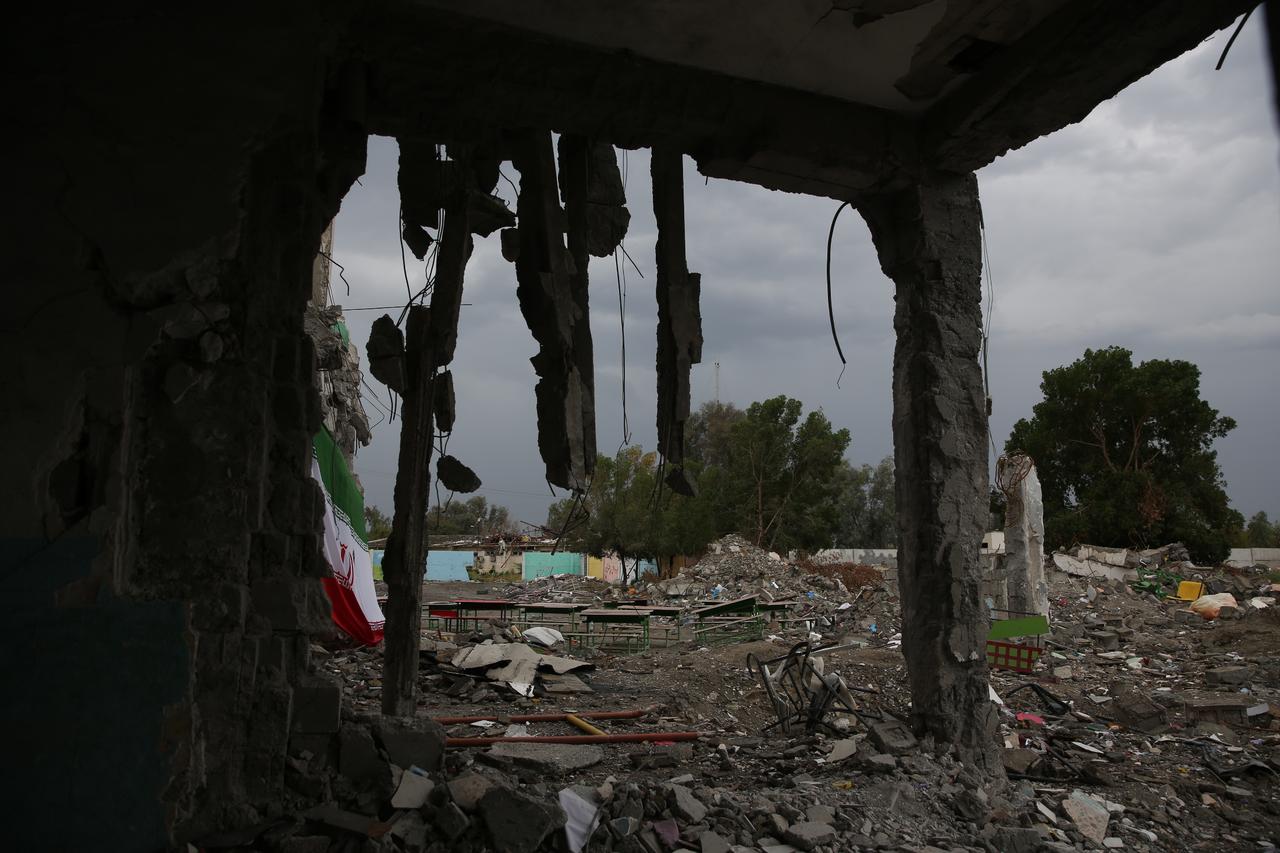
On Feb. 28, when U.S. President Donald Trump announced the start of major combat operations against Iran, a missile struck the school, killing an estimated 120 children and nearly 200 people in total, representing the worst incident of civilian harm from a U.S. operation in decades.
These discoveries are among the issues being examined in a Pentagon investigation into the strike, according to the people familiar with the matter.
The results of that probe have not been publicly released.
A Pentagon official said the incident remains under investigation and that the agency has no updates to provide.
The investigation was submitted in April but remains under review at U.S. Central Command, the combatant command responsible for operations against Iran, according to one of the people familiar with the matter who spoke to Bloomberg.
CENTCOM Commander Brad Cooper, a four-star Navy admiral, ordered the investigation and appointed an Air Force general from outside the command, intending to ensure an independent review, the person said.
The analyst's written remarks about the school, the fact that they were entered into a system disconnected from the official database in 2019, and the current status of the investigation have not been previously reported, according to Bloomberg.
The New York Times had previously reported that an analyst noticed the building appeared to be a school several years earlier and informed one other person and that targeting officials were using imagery that had not been updated in seven years.

According to former senior intelligence officials and others familiar with the matter, there are significant and long-standing gaps in how the Pentagon analyzes potential strike targets.
"At least two intelligence database systems used for entering remarks based on imagery have historically not been connected to the official, authoritative targeting database, creating a coordination challenge that persists today," people familiar with the platforms said.
In some cases during the mid-2010s, targeting data for historically low-priority locations such as Syria proved to be 10 or 20 years old, according to one former senior intelligence official, prompting intelligence staff to work double shifts and weekends to manually update the system.
Beginning in 2017, the intelligence community undertook a similar effort to update thousands of outdated targets in North Korea after relations between Washington and Pyongyang deteriorated, calling in satellites and other intelligence-gathering methods.
That effort took more than a year to complete.
 2 min read
A legacy database known as MIDB, created in the 1980s, often relies on manual input.
The Pentagon plans to replace it with a more automated system known as MARS, but the transition is years behind schedule, and authoritative targeting data still relies on MIDB, according to the Pentagon's targeting doctrine reviewed by Bloomberg.
The U.S. Government Accountability Office described MIDB in 2020 as having "long-standing deficiencies" and said it is "unable to meet current needs."
Yet six years later, Pentagon doctrine still describes the system as the authoritative, all-source repository of worldwide military and target intelligence, serving as the national database for target lists and no-strike lists.
A recently revised, non-public Pentagon targeting document, reviewed by Bloomberg and revised in April, acknowledged the challenge of integrating multiple targeting systems: "The process of targeting occurs on many levels and in many locations simultaneously, yet no single interoperable solution has emerged or been established," the document states.
"The entire joint targeting enterprise should seamlessly share well-understood, standardized representations of target intelligence and data and not rely on local databases."

The Defense Intelligence Agency, which is responsible for both MIDB and MARS, did not directly address Bloomberg's questions about MIDB's deficiencies, delays in the MARS transition, or the mislabeled school site.
A DIA spokesperson said the agency's foundational military intelligence analysts conduct a comprehensive analysis of infrastructure and the operational environment using all intelligence sources, including imagery, signals intelligence, and human intelligence.
"DIA works in close coordination with combatant commands and Intelligence Community partners to ensure decision-makers have the best available intelligence for our national security," the spokesperson who spoke to Bloomberg said.
Under the current targeting doctrine, military commanders are responsible for deciding whether to prioritize and strike a target and, along with planners, are required to distinguish between lawful military objectives and civilian ones.
A combatant command should establish guidance to mitigate civilian injuries and criteria for positively identifying a target, according to an updated section of the doctrine that a Joint Staff spokesperson described as a "key update."

Once a combatant command assembles a target list, the joint force commander may initiate an optional process called target vetting to assess the accuracy of the underlying intelligence, according to joint targeting doctrine reviewed by Bloomberg.
CENTCOM vetted targets ahead of operations against Iran, according to a person familiar with the matter, but it was not clear whether CENTCOM initiated the optional vetting process, which would have required coordination across intelligence community agencies and a recheck of underlying information and any new imagery.
Speaking to Bloomberg, retired Air Force Lt. Gen. Jack Shanahan, a former Pentagon director for defense intelligence, said there is "no excuse" for a combatant command not to review and validate the accuracy of information in every targeting package, adding that combatant commanders bear ultimate responsibility for that validation.
Shanahan described targeting as a "moribund career field" that atrophied over two decades as the U.S. military focused on counterterrorism and counterinsurgency following the Sept. 11, 2001, attacks rather than traditional combat operations.
He said he struggled to recruit and fill targeting roles as far back as 2017.
"We knew there was a dangerous shortage in the number of trained and experienced targeting personnel and weapons effects experts," he said, adding, "We also knew this would become a major problem in future conventional operations."
Trump cast doubt on U.S. involvement in the strike during remarks at the White House, citing the chaos of the war's opening day. "It's horrible what happened, but missiles were flying all over the place, and somebody said it was our missile; well, maybe it wasn't our missile. But I've seen nothing to lead me to believe it was," Trump told reporters, adding there were "plenty of missiles being flown by other people."
Trump called on Defense Secretary Pete Hegseth, seated nearby, to back up the assertion. "Well, Mr. President, we've taken the investigation very seriously, and when the appropriate time is right, whatever that outcome is, that'll be the time to divulge," Hegseth said.
Asked last week about the strike, Trump said: "It's such a strange question to be asked at this date, because you're talking about a long time ago."
He has said it "may never be" possible to determine fault and that he does not believe the U.S. was to blame.
CENTCOM Commander Adm. Brad Cooper told Congress in May that the military would share investigation results once complete, describing the probe as "complex."
The New York Times has previously reported that the school was hit by a U.S. Tomahawk cruise missile, a weapon Iran does not possess. CNN has also reported U.S. responsibility for the attack.
Trump has suggested Iran may have had access to U.S.-made missiles.

Speaking to Bloomberg, Bob Ashley, who led the Defense Intelligence Agency during Trump's first administration, is among those calling on the Pentagon to release the investigation's findings.
"Americans know that over 100 children were killed in this strike. We need to talk to them about what happened, because their trust and confidence in us, as the Department of Defense, and as an intelligence community, matters," Ashley said.
Ashley, who spent 36 years in the military and previously served as a senior intelligence officer at Joint Special Operations Command and Central Command, said the intelligence community has an obligation to be transparent.
"We have an obligation to explain the targeting process and how we apply the criteria of the laws of armed conflict and review targets to be transparent to sustain that level of trust and understanding with the American people," he said, adding that the community needs to ask itself: "What can we do better? What did we miss?"


 Set as preferred source
 Set as preferred source


 1 min read