Newsletters


Inflammatory, anti-Türkiye commentary and analysis in the Israeli press have intensified in recent months, with a growing focus on Ankara’s influence in Syria, tensions in the Eastern Mediterranean, and Türkiye’s role in Gaza’s reconstruction.
Israeli media outlets have increasingly been portraying Türkiye as a strategic challenge, publishing commentaries and analyses at an unprecedented pace in the history of bilateral relations, despite no threatening statements or concrete actions from the Turkish side. Turkish-Israeli relations got worse following Israel's genocidal actions in Gaza since October 7, 2024.
The dominant themes center on Türkiye’s expanding military presence in Syria, maritime power in the Eastern Mediterranean, and its political role in post-war Gaza.
An analysis published on Dec. 22, 2025, by the Israel-based, right-wing outlet The Jerusalem Post described Türkiye as Israel’s “new and most dangerous front.”


Israeli analyst Giora Eiland characterized Türkiye as Israel’s “most dangerous front,” arguing that Ankara poses a challenge to the Israel–Greece–Greek Cypriot administration alliance.
The analysis also claimed Türkiye’s naval capabilities constitute a “serious threat” to Israel.
Similarly, the Israeli news website Israel Hayom labeled Türkiye as Israel’s “next major strategic threat.”
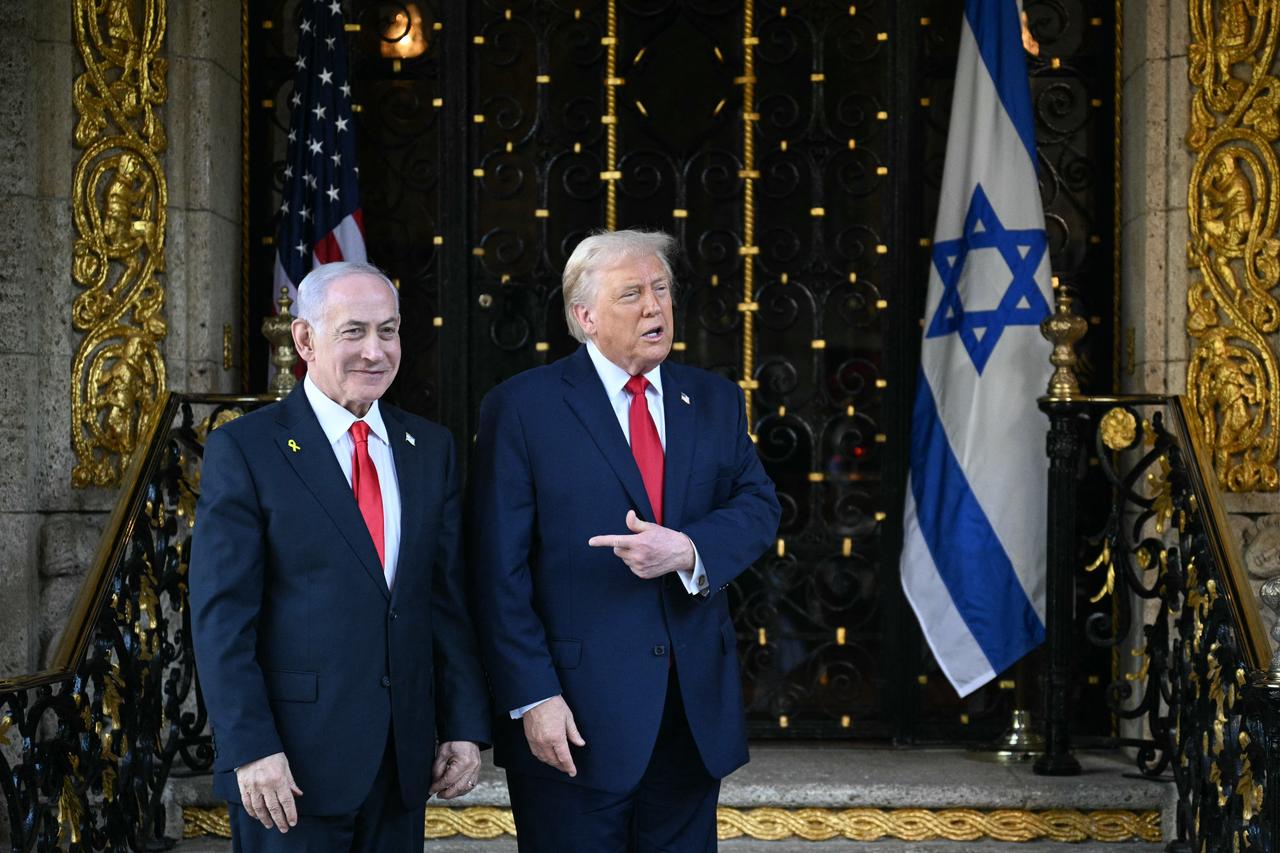
Media coverage also highlighted the Dec. 22 trilateral summit in Jerusalem involving Israeli Prime Minister Benjamin Netanyahu, Greek Prime Minister Kyriakos Mitsotakis and Greek Cypriot leader Nikos Christodoulides, portraying it as a Türkiye-focused alignment.
Reports framed discussions on establishing a “rapid response force” as a show of strength against Türkiye’s activities in the Eastern Mediterranean.
Following the summit, Türkiye’s National Defense Ministry said recent military cooperation initiatives and trilateral meetings between Israel, Greece and the Greek Cypriot administration do not pose a military threat to Türkiye.
The ministry stated that such alliances lack practical relevance in light of realities on the ground and international law.

The Jerusalem Post has also drawn attention for reporting that included factual inaccuracies.
In a Dec. 25 article, the newspaper claimed Türkiye was attempting to deploy radar systems in Syria capable of detecting Israeli Air Force operations.
The report suggested such systems could restrict Israel’s air operations in Syrian airspace, which it described as a transit route for Israeli missions targeting Iran.
The article further claimed that Turkish officials had met with Bashar Assad in Damascus, asserting that Israel was closely monitoring the alleged rapprochement between Ankara and Damascus.
However, Assad was overthrown more than a year ago, and opposition forces led by Ahmed al-Sharaa took control of Syria’s administration.
Despite public criticism of the report, the erroneous claims were not corrected.


 Set as preferred source
 Set as preferred source


 1 min read

 1 min read