Newsletters


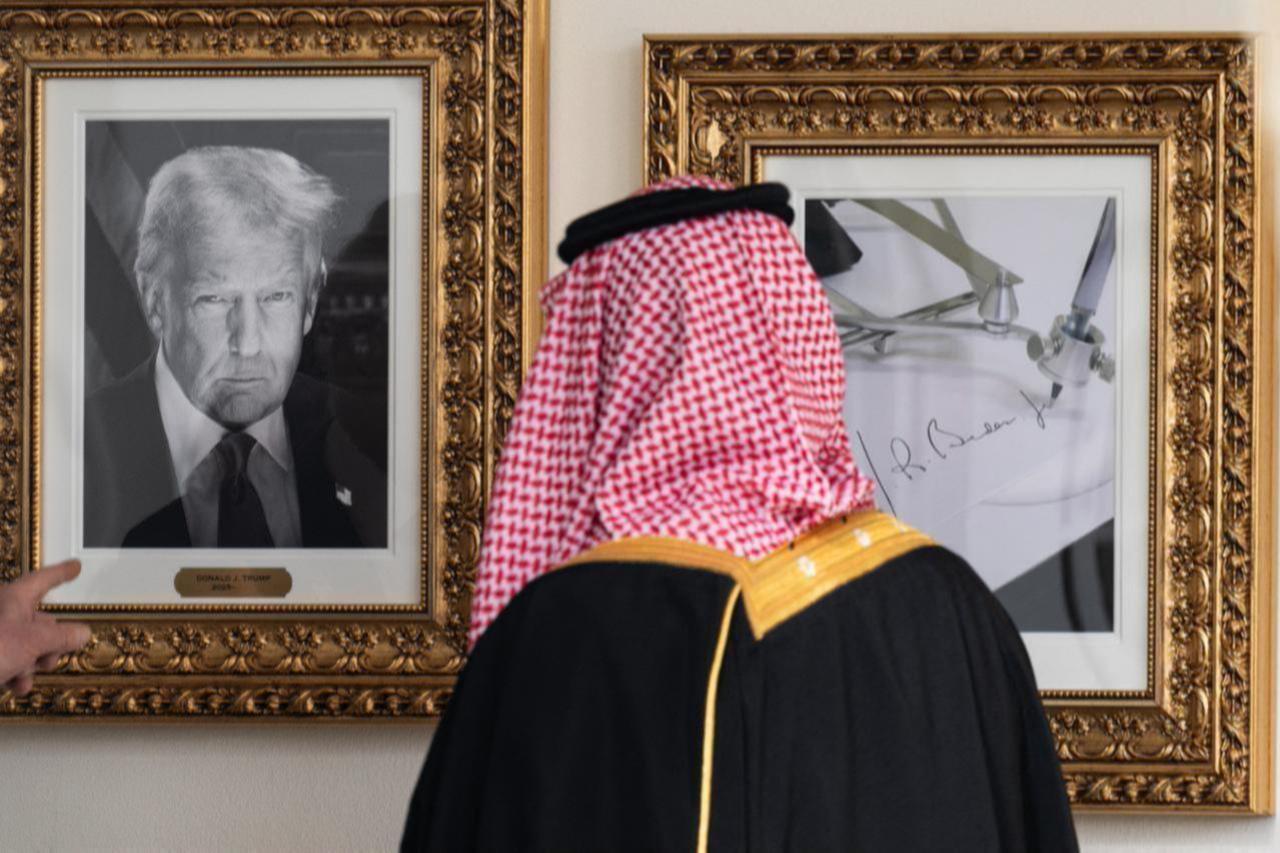


Iran says Saudi Arabia has pledged its territory will not be used for attacks against Tehran, as Foreign Minister Abbas Araghchi signaled that ongoing communication between the two Gulf powers remains a stabilizing force amid escalating tensions with the United States and Israel.
Speaking to Iranian state television, Araghchi said he is in constant contact with his Saudi counterpart, Foreign Minister Faisal bin Farhan, and that Riyadh has offered firm assurances on a critical security concern. "Saudi officials have given us guarantees that their territory, waters and airspace will not be allowed to be used against Iran," Araghchi said.
The remarks come as Iran weighs its response to what it describes as US-Israeli aggression and considers its posture toward American military installations across the region, a calculus that has placed Gulf Arab neighbors squarely in the geopolitical crossfire.
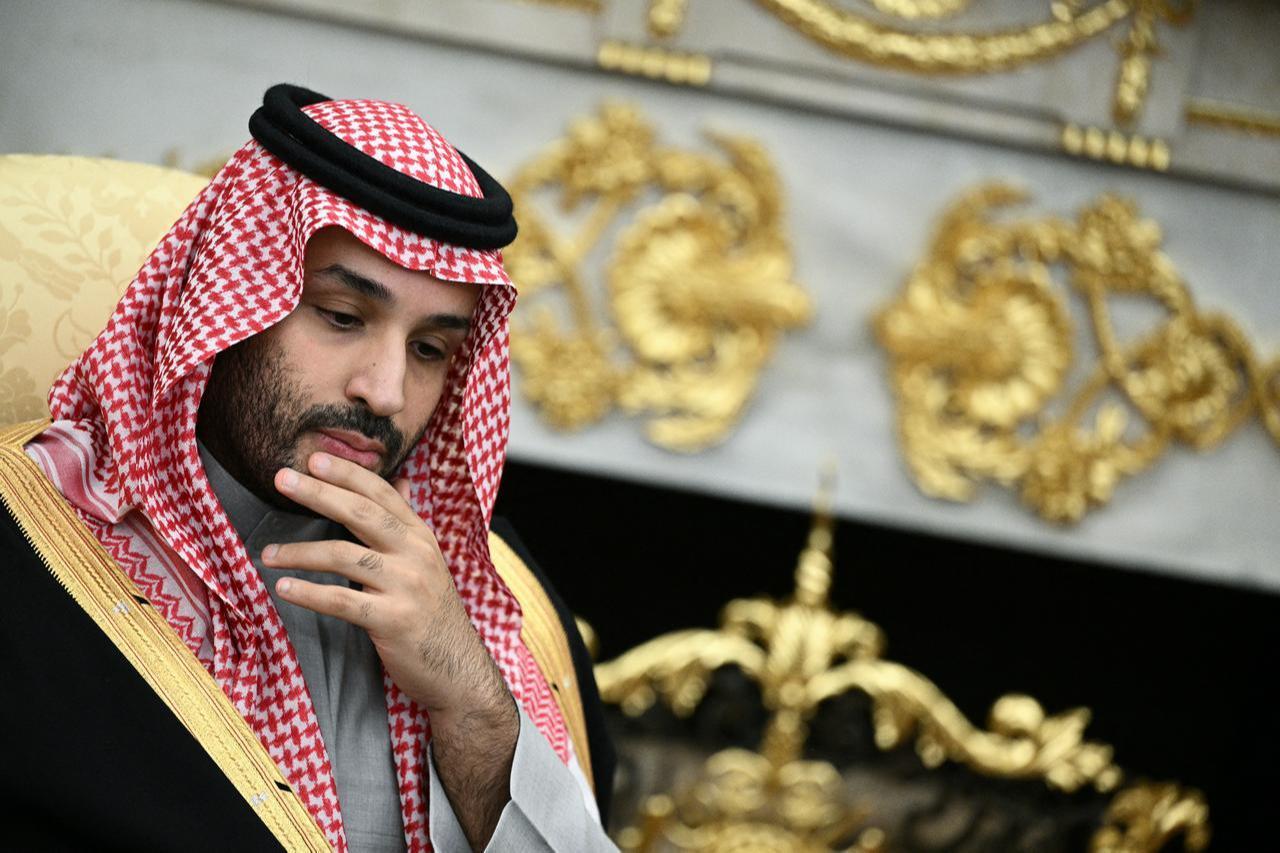

Araghchi pointed to the landmark diplomatic accord reached on March 10, 2023, in the Chinese capital, which restored formal ties between Tehran and Riyadh after a seven-year rupture.
The two countries had agreed under that China-brokered deal to reopen embassies and reactivate a 2001 security cooperation agreement. Riyadh had severed diplomatic relations with Tehran in 2016 after protesters attacked Saudi diplomatic posts in Iran following the execution of a prominent Shia Muslim scholar.
"Our communication continues, and we hope our Saudi brothers will also abide by the Beijing agreement," Araghchi said, framing the accord as a mutual obligation that should hold even under the pressure of a widening conflict.
The Beijing deal was a rare diplomatic achievement in a region long defined by proxy wars and sectarian rivalries between the two Gulf powers.
Iraq and Oman had hosted earlier rounds of dialogue between Riyadh and Tehran during 2021 and 2022, laying the groundwork before the final agreement was reached in Beijing. For both countries, the personal involvement of Chinese President Xi Jinping was seen as critical, given Beijing's long-standing political and economic ties with both nations.
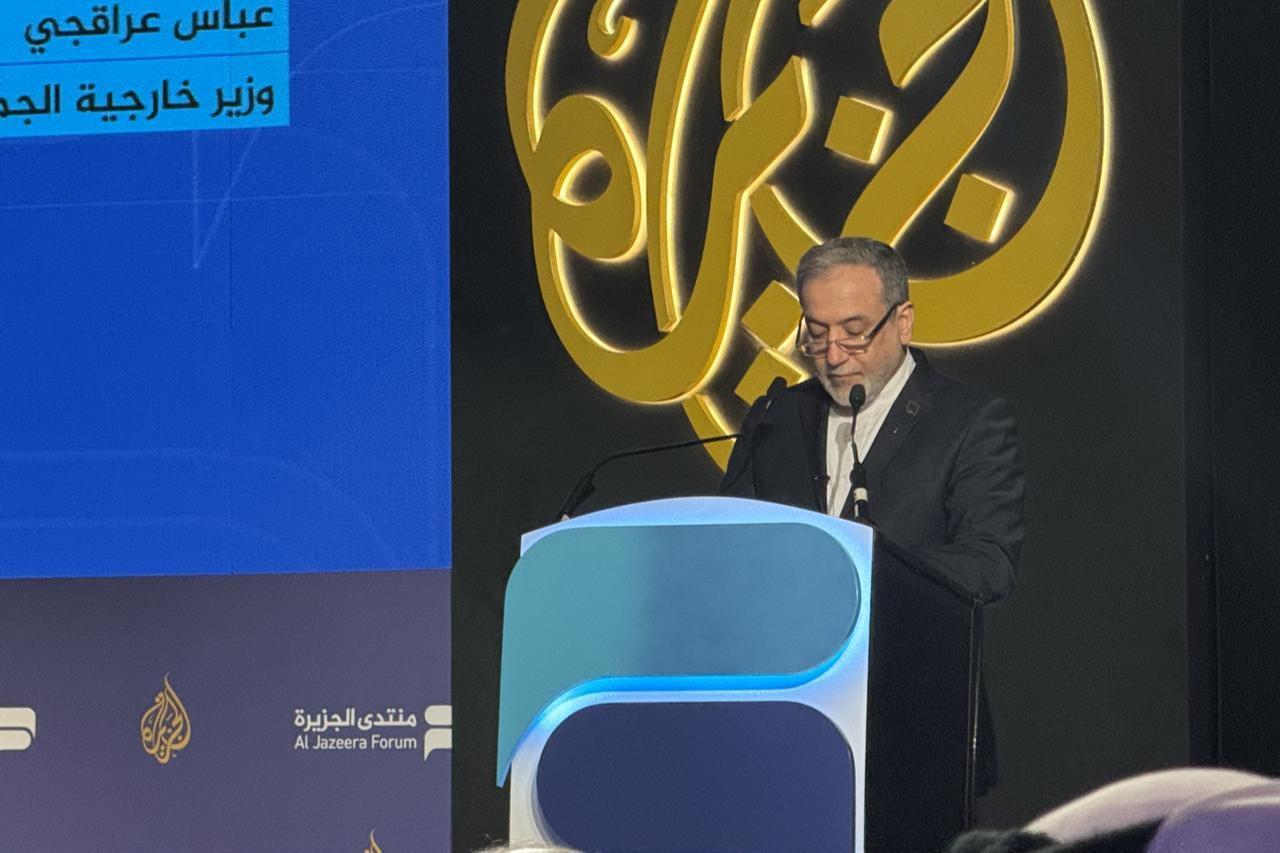
Araghchi drew a sharp line between Iran's relationships with its Gulf neighbors and its view of the American military presence in the region, casting Washington and Tel Aviv as the sole sources of instability.
"Iran does not see its neighbors as enemies. We are friends of our neighbors," Araghchi said. "The presence of US bases in the region has brought nothing but insecurity."
The foreign minister said that responsibility for the current escalation lies entirely with the United States and Israel, whose aggression, he argued, has endangered the entire region.
He described the conflict as one imposed on Iran from outside rather than one of its choosing, but warned that Tehran would not back down. "This war was imposed on the region, but we will teach the aggressor a heavy lesson," Araghchi said.
The language reflects a consistent thread in Tehran's messaging throughout the current crisis. Iran has sought to reassure Gulf Arab states that its strikes on US military facilities in neighboring countries are not directed at those nations themselves, even as the attacks raise acute sovereignty concerns for host governments across the region.
The 2023 Beijing agreement was widely seen as a product of pragmatism rather than genuine reconciliation.
Both Tehran and Riyadh viewed dialogue as the only viable path to reducing tensions, recognizing that further escalation would not serve either side's national interests.
Iranian and Saudi officials had both acknowledged that their deteriorating relations with the United States was one of the main reasons behind the shift in policy.
Yet the detente was always understood to be fragile. Despite the agreement, deep mutual suspicion persisted, with Iran viewing the Saudi-US partnership as a serious threat and Riyadh remaining wary of Tehran's network of allied non-state actors across multiple Arab countries.


 Set as preferred source
 Set as preferred source


 1 min read
 1 min read