Newsletters


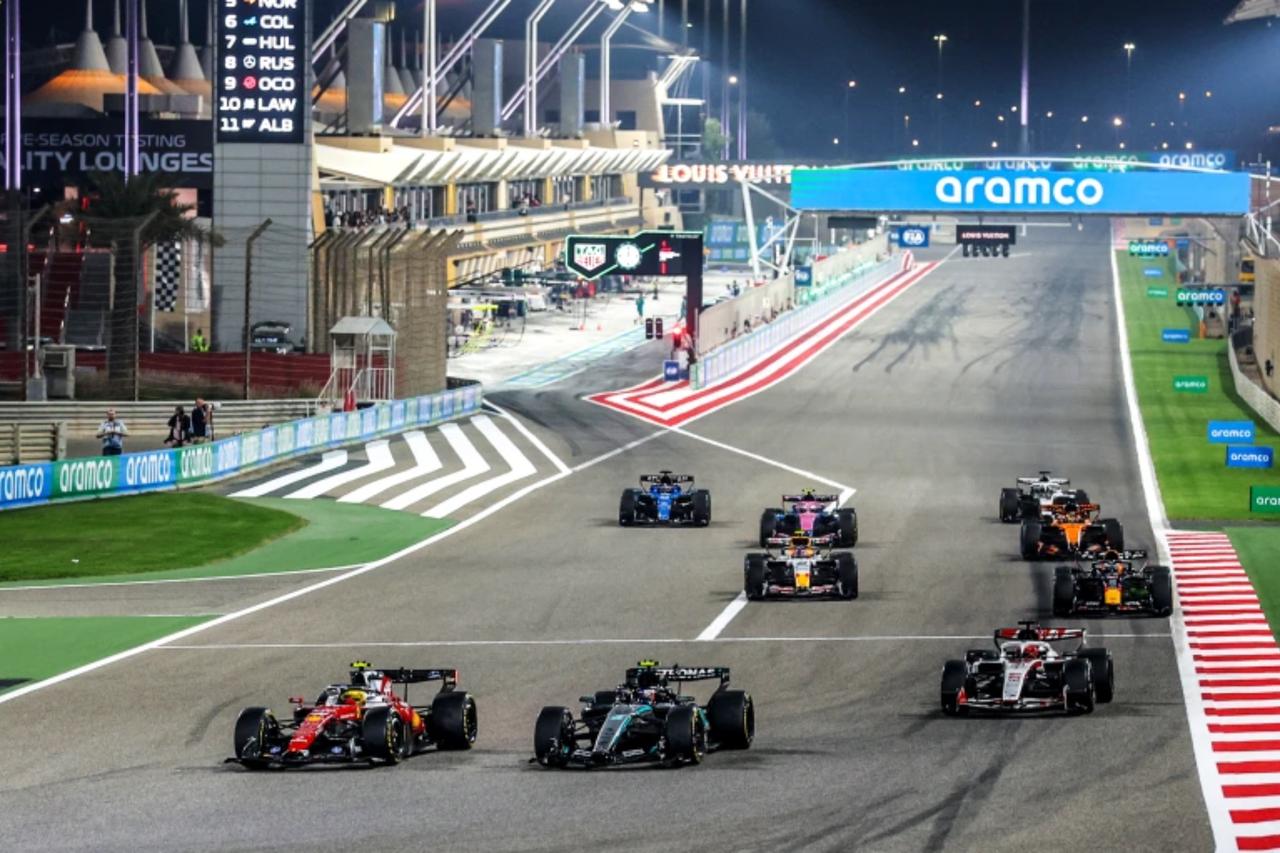


The Bahrain and Saudi Arabia Grands Prix are facing uncertainty as the U.S.-Israel war with Iran spills across the Gulf region. Missile attacks in several countries have raised security concerns ahead of the races scheduled for April. Speaking to Türkiye Today, a Formula 1 spokesperson said the organization is actively monitoring the rapidly evolving situation.
Bahrain is currently due to host the fourth race of the Formula 1 season from April 10 to April 12, while Saudi Arabia’s race in Jeddah is planned one week later. However, both countries have been among the Gulf states targeted by Iranian retaliatory missiles following U.S.-Israeli air strikes.
Some of the Iranian missile attacks have struck hotels as well as civilian and energy infrastructure across the region. Several missiles have also targeted American military facilities located in Gulf states, increasing concerns about the safety of large international events.
In Bahrain, Iranian missiles hit the U.S. naval base located in the capital Manama. The base sits in the Juffair district, an area where many Formula 1 teams and personnel usually stay during race weekends, adding to concerns about the safety of hosting the event.
Security worries also surround the Saudi Arabian Grand Prix circuit in Jeddah. The race track lies close to an oil refinery that was targeted in a missile attack by Houthi rebels from Yemen four years ago, highlighting the vulnerability of critical energy sites near major sporting venues.
In a statement provided to Türkiye Today, a Formula 1 spokesperson said the organization remains in close contact with authorities in several regions while monitoring developments.
The spokesperson stated: "As you would expect, we have been in ongoing contact with the relevant authorities in the region as well as in the UK, Europe, and the US, and we continue to actively monitor the fluid situation."
Although the Bahrain Grand Prix is still weeks away, Formula 1 organizers face a logistical deadline much sooner. Race equipment must be shipped to the Middle East by sea, which means a decision on whether the events can proceed may need to be made within the next two weeks.
If the races are cancelled, the decision could carry significant financial consequences because hosting fees paid by Bahrain and Saudi Arabia exceed $100 million. Replacing the races would also be difficult due to the already crowded Formula 1 calendar, meaning the season could be shortened if the events cannot go ahead.
Several possible alternatives have been discussed, including races at Portimao in Portugal, Imola in Italy and Istanbul in Türkiye. However, these options are widely considered unrealistic because there would not be enough time to organise an event, prepare the circuit, and sell tickets for fans and sponsors.
Another suggestion has been to hold a second race in Japan after the Japanese Grand Prix at Suzuka scheduled for March 27–29. However, this option is also not viewed as practical. According to discussions around the sport, the limited benefits would not outweigh the additional strain such a move would place on Formula 1 personnel.


 Set as preferred source
 Set as preferred source


 1 min read
 1 min read