Newsletters




Armenia is advancing its strategic partnership with the European Union while navigating increasingly pointed signals from Moscow about the limits of its geopolitical balancing act, as top diplomats on both sides of the relationship stepped up engagement this week.
Armenian Foreign Minister Ararat Mirzoyan spoke by phone Tuesday with EU foreign policy chief Kaja Kallas to discuss the consistent implementation of the bilateral strategic partnership between Yerevan and Brussels. The two officials also reviewed upcoming high-level visits and events, and discussed initiatives aimed at producing continued tangible results from the partnership. Their conversation extended to regional affairs, including developments in the Middle East and possible avenues for resolving the situation there.
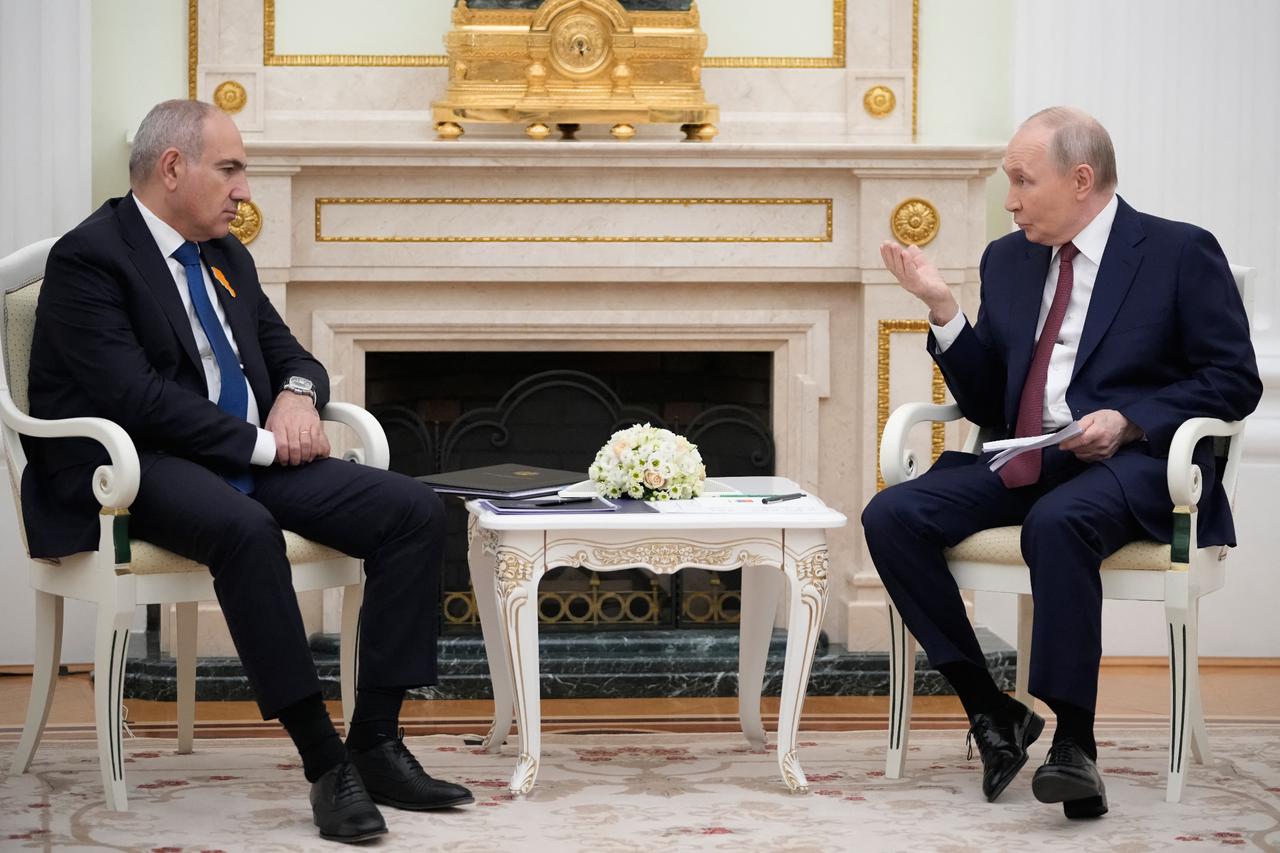
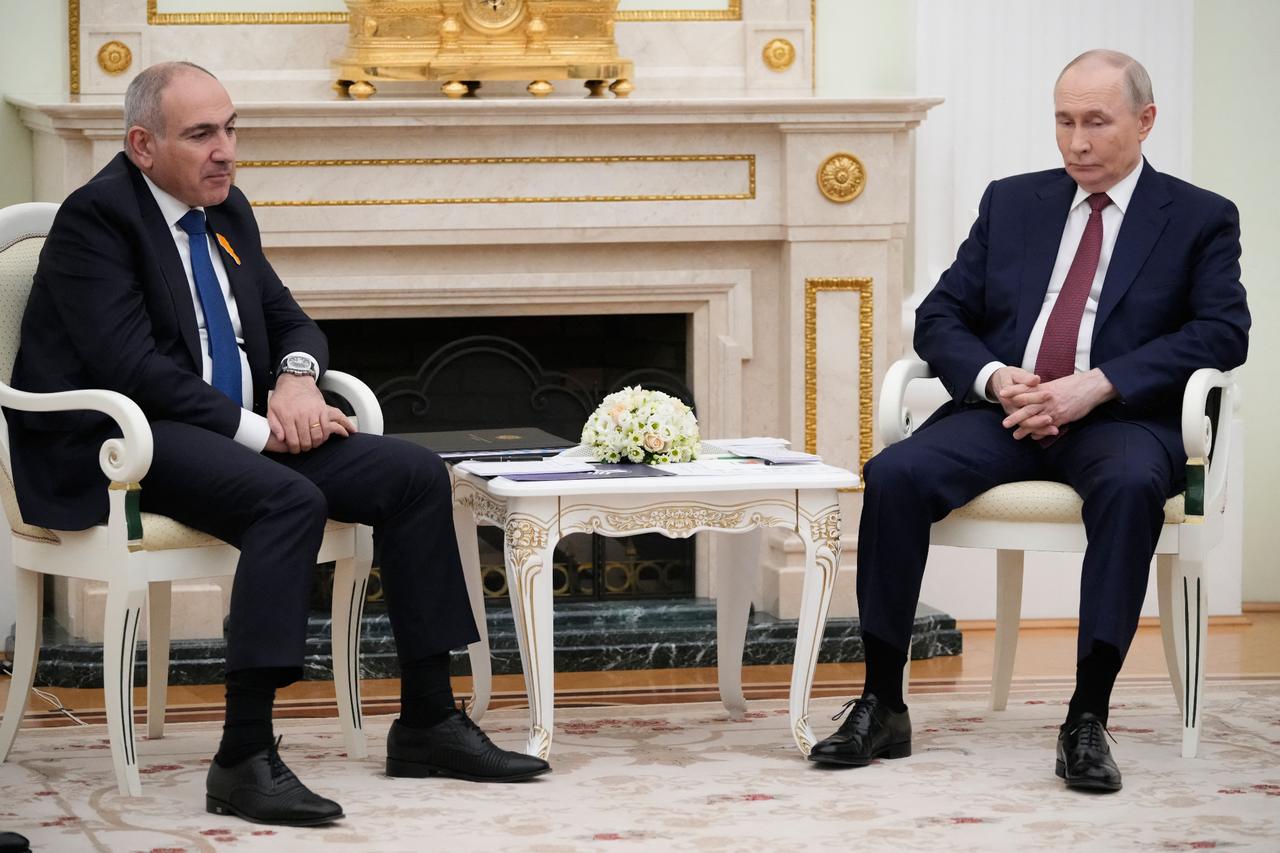
The diplomatic activity comes against a backdrop of quietly intensifying pressure from Russia. At a Kremlin meeting in early April, President Vladimir Putin told Armenian Prime Minister Nikol Pashinyan that Moscow remains calm about Armenia's growing engagement with the EU. He made clear, however, that Yerevan cannot simultaneously hold membership in the Eurasian Economic Union and the European Union, drawing a firm boundary around how far Armenia's western pivot can go without formal consequences.
The EAEU, a Moscow-led economic bloc that also includes Belarus, Kazakhstan and Kyrgyzstan, has served as one of the principal institutional ties binding Armenia to Russia's sphere of influence since the country joined in 2015. Armenia's parallel pursuit of closer EU ties has grown more pronounced in recent years, straining that relationship.
Armenian Parliament Speaker Alen Simonyan escalated the rhetoric further, saying Yerevan would withdraw from both the CSTO and the EAEU if Russia moves to raise natural gas prices for Armenia. The CSTO, a Russian-led collective defense alliance, is another pillar of Armenia's formal security architecture with Moscow, though Yerevan has already distanced itself from the organization in practice following the 2020 and 2022 conflicts over Karabakh.
Simonyan tempered his remarks by expressing doubt the situation would reach that point. "I know that a very good and effective conversation took place between the heads of state," he said, suggesting the Pashinyan-Putin meeting had produced enough goodwill to prevent an energy pricing dispute from triggering a broader rupture.


 Set as preferred source
 Set as preferred source


 1 min read
 1 min read