Newsletters


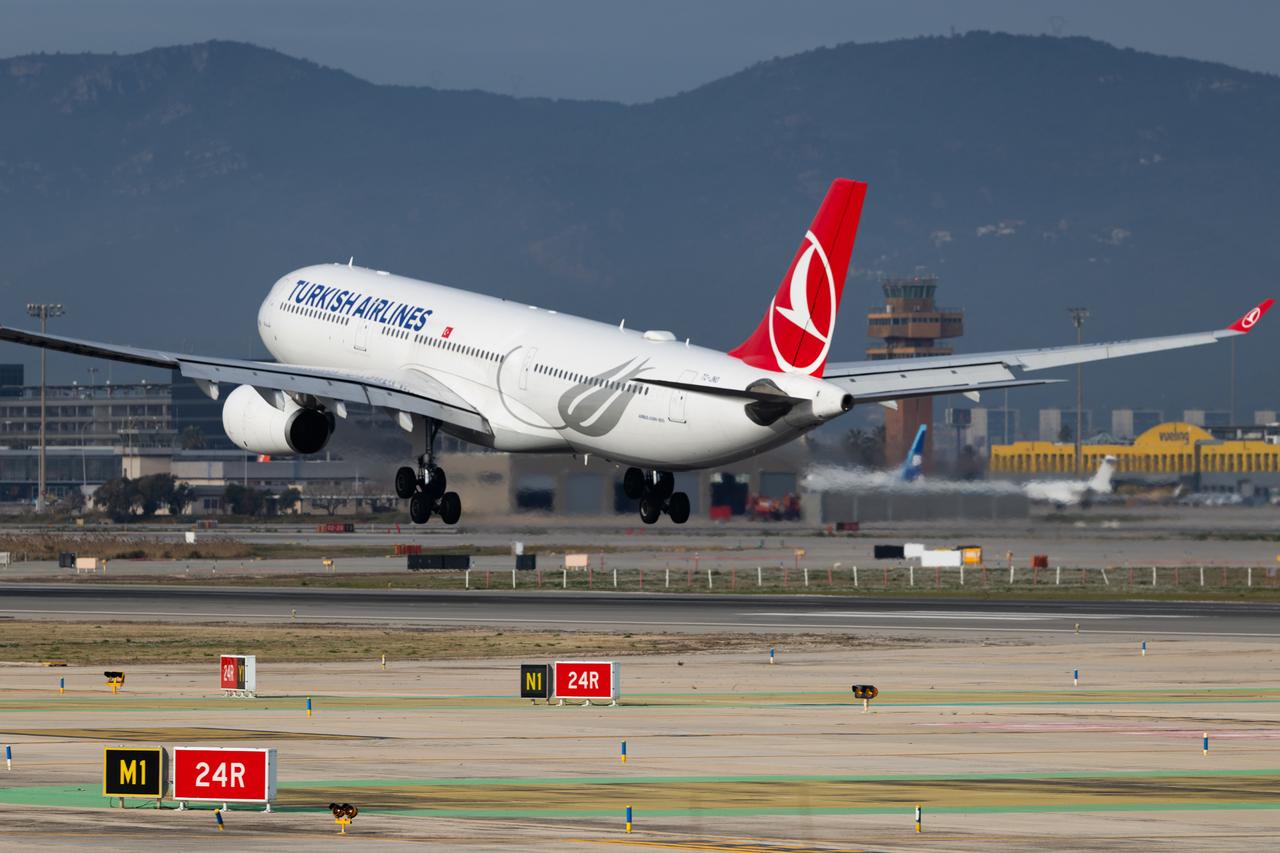


In recent days, Turkish Airlines' negotiations for the Los Angeles-Yerevan route have drawn considerable attention. This initiative is viewed as a pivotal turning point, signalling a potential thaw in the long-frozen geopolitical relations.
The nature of the ongoing normalization steps between Ankara and Yerevan has undergone significant changes. The issue is no longer just about maintaining diplomatic contacts; it is about economic and humanitarian ties producing tangible results on the ground. The statement by Lusine Gevorgyan, chair of the Armenian Tourism Committee, that the Yerevan-Los Angeles route is among the priority topics for negotiation is therefore a strong indication of the direction of the process.
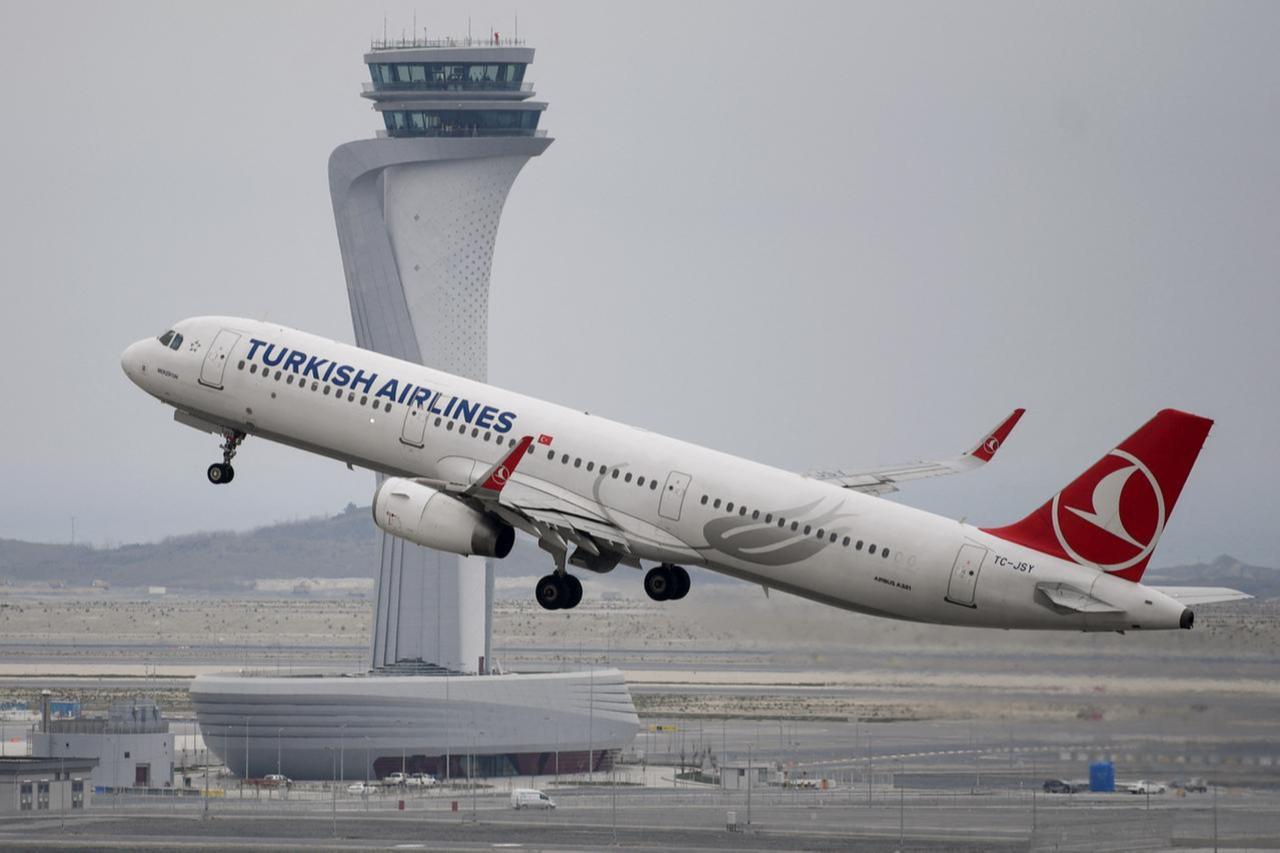
Turkish Airlines' plans to commence direct flights to Yerevan as of March 2026 and gradually increase flight frequency indicate that the air bridge between the two countries, which had been suspended for a long time, is effectively being re-established.
Moreover, the company’s promotional campaigns targeting Armenian speakers underscore that this move is as much about shaping perception as it is about operational expansion.
The issue under discussion today is not simply whether a new line will be opened. The real question is: If this line is opened, how will the political psychology in the South Caucasus change? In what direction will Armenia's search for openness evolve? And perhaps most importantly, how will the established reflexes of the Armenian diaspora in the United States cope with this new reality?
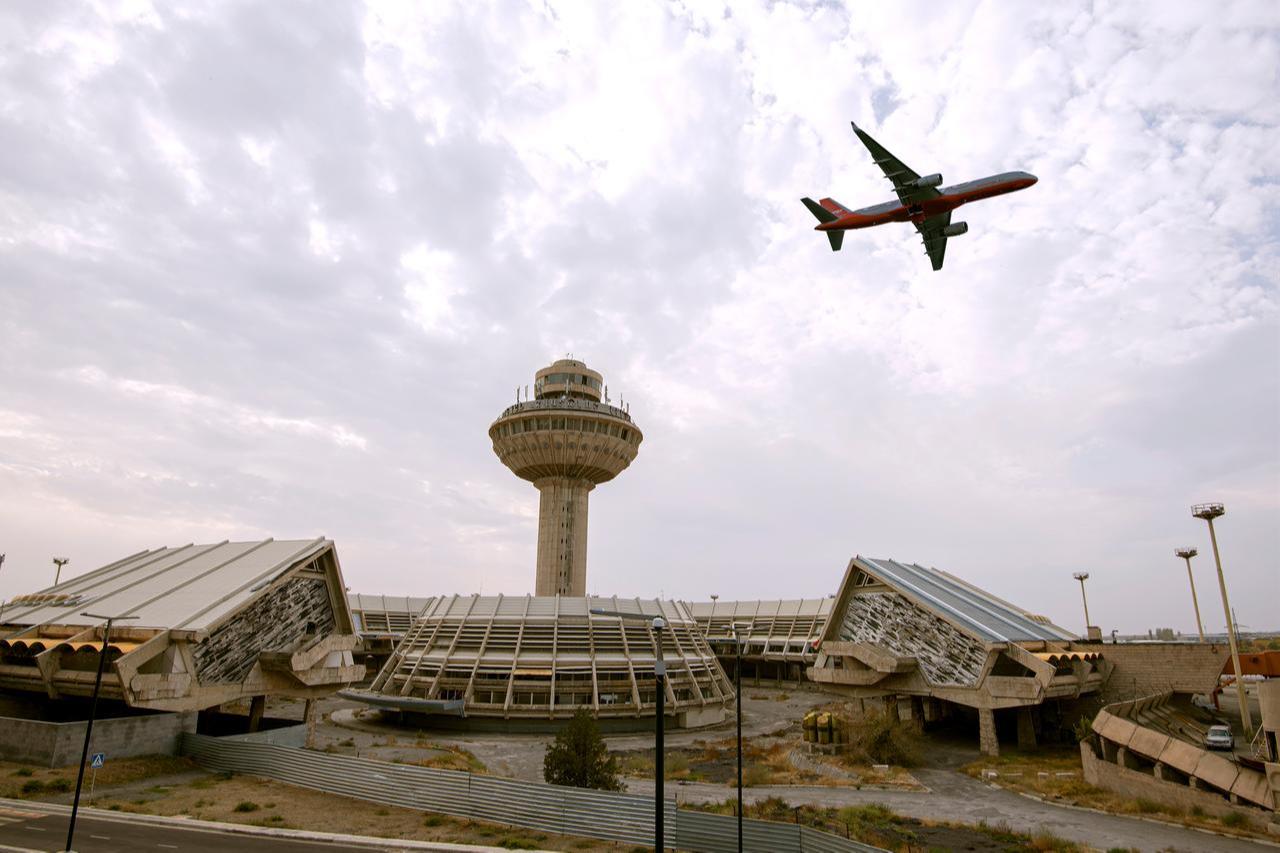

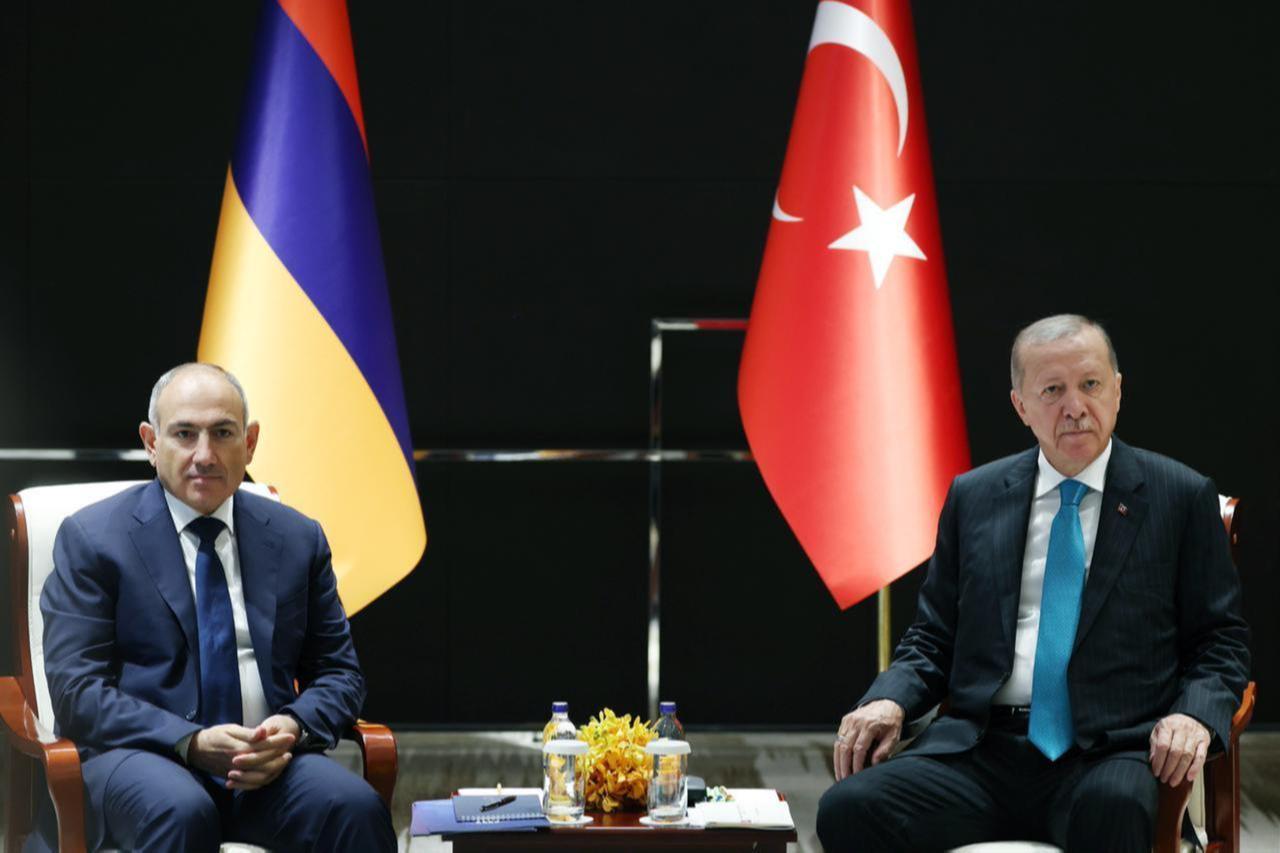
Armenian Prime Minister Nikol Pashinian's foreign policy line in recent years bears the clear marks of pragmatic necessity rather than ideological reflexes. Following the military defeat in 2020, the Yerevan administration has come to terms with the reality that the country's sustainable security can be achieved through military balance alongside economic integration and regional connectivity. In this context, Pashinian's frequently emphasised “Crossroads of Peace” vision aims to transform Armenia from a closed geopolitical basin into a transit hub.
The negotiations with Turkish Airlines regarding the Yerevan-Los Angeles route represent the aviation dimension of this vision. This is because Armenia's structural vulnerabilities primarily include logistical constraints and limited external access. Considering the country's limited aviation capacity, regulatory challenges in European airspace, and an excessively Russia-dependent transport architecture, the entry of a strong global carrier could have a multiplier effect for Yerevan.
At this point, Pashinian's administration's calculation is quite clear: controlled normalization with Türkiye could expand Armenia's economic lifelines. A route stretching from Yerevan to Los Angeles would integrate Armenia more closely into international air networks. This could yield positive results across a wide spectrum, from the country's capacity to attract investment to its tourism revenues.
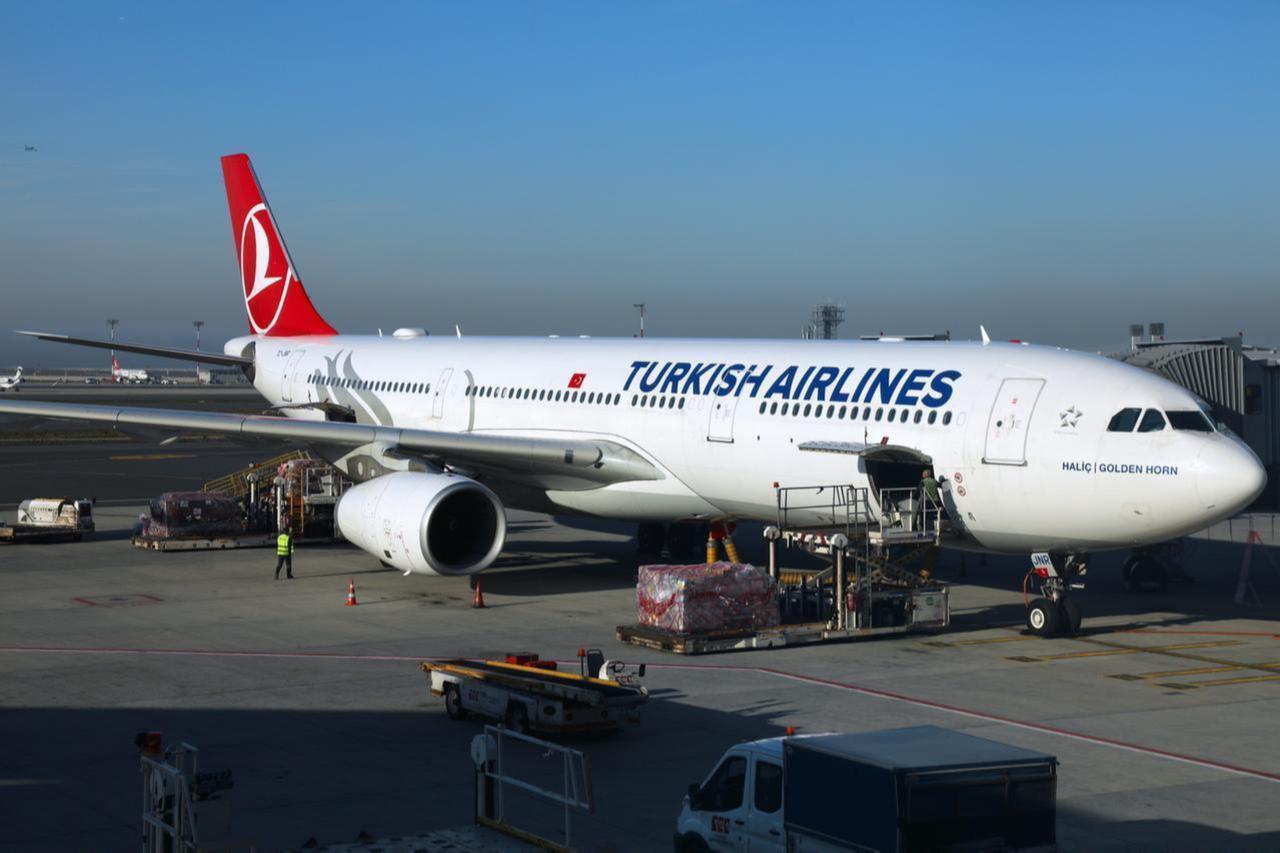
Moreover, establishing such a connection through Türkiye's flag carrier has the potential to soften the security-based perception of Türkiye that has been entrenched in the Armenian public sphere for many years, from the perspective of daily economic benefit. As frequently emphasized in the literature on international relations, as mutual dependence increases, the severity of security dilemmas diminishes. The emergence of Turkish Airlines in the skies over Yerevan should be seen as a development aimed precisely at this psychological threshold.
However, it is also clear that Pashinian's room for manoeuvre is not unlimited. Nationalist reflexes, which remain strong in Armenian domestic politics, and the structural dependence created by the Russian factor make the normalization process fragile. However, current trends indicate that Yerevan is increasingly willing to take risks. In particular, the planned move towards direct land trade with Türkiye and the review of technical preparations for reopening the Alican-Margara border crossing point indicate that the process is advancing on multiple fronts.
In this context, the Turkish Airlines route has the potential to become the concrete economic pillar of Pashinian's “manageable peace” strategy. If implemented, it would come as no surprise if it were to have a lasting impact on Armenia's foreign policy orientation.
The geopolitical effects of the Yerevan-Los Angeles route will perhaps be felt most acutely by the Armenian diaspora in the United States. In particular, diaspora structures centered in California-Los Angeles have, for many years, largely built their identity mobilization around opposition to Türkiye. Therefore, the possibility of Türkiye becoming one of Armenia's gateways to the world poses a serious challenge to the established narratives of diaspora politics.
The fundamental fault line here lies in the tension between ideological rigidity and pragmatic needs. For the large Armenian population living in and around Los Angeles and Glendale, a direct and affordable flight option is a concrete necessity of daily life. If Turkish Airlines offers a competitive option on this route, the distance between the rational choices of large segments of the diaspora and radical political rhetoric may widen.
One of the areas where soft power is most effective in international relations is precisely these kinds of everyday points of contact. The change in perception that arises from a diaspora member's travel experience can yield much more lasting results than official diplomatic discourse. Factors such as airline service quality, price advantage and ease of connection have the capacity to erode hard-won political stances that have been built up over many years.
This situation may also indirectly weaken the traditional influence of diaspora organizations on Armenian domestic politics. In particular, the unease caused among diaspora circles by the pragmatic steps taken by Pashinian's government in recent times should be seen as early signs of this transformation.
From Türkiye's perspective, the situation presents a noteworthy window of opportunity. Ankara has long sought sustainable channels of influence in the South Caucasus that go beyond hard power elements. The involvement of a globally powerful brand such as Turkish Airlines offers Türkiye the opportunity to reframe its visibility in the region through service and connectivity rather than conflict rhetoric.
However, if the process is not managed with sensitivity, it is possible that political pressure originating from the diaspora could rise again. Furthermore, the fragility of Armenia's domestic politics and the dynamic nature of regional power competition indicate that steps towards normalization could be reversed at any moment.
Nevertheless, current trends demonstrate that aviation diplomacy can open doors that traditional political negotiations cannot. If the Yerevan-Los Angeles route is implemented, this development could contribute to overcoming a psychological threshold in Türkiye-Armenia relations and pave the way for a more flexible geopolitical architecture in the South Caucasus.


 Set as preferred source
 Set as preferred source


 1 min read
 1 min read