

 Sign in
 Newsletters


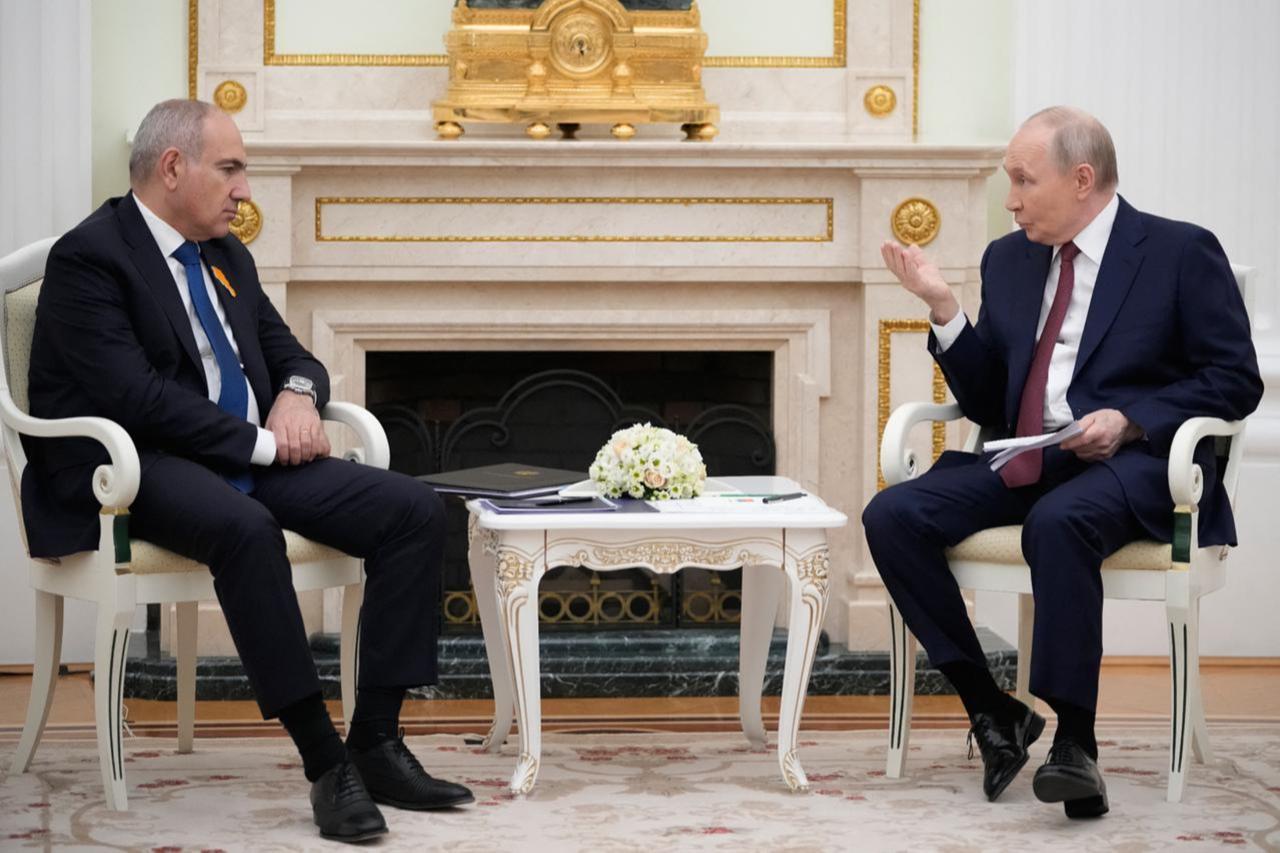


Armenian Prime Minister Nikol Pashinyan announced Thursday that Russian border guards would withdraw from Armenia in the coming years, signaling another shift in Yerevan's security relationship with Moscow as the country seeks greater control over its borders.
Speaking at a news conference in the capital, Yerevan, Pashinyan said personnel from Russia's Federal Security Service (FSB) would eventually cease all border protection operations in Armenia, ending an arrangement that has been in place for more than three decades.
"We are grateful to Russian border guards for having stood at Armenia's borders during this time. But I believe the time has come for us to fully assume responsibility for our borders in the coming years," Pashinyan said.
Under a 1992 agreement, Russian FSB border guards have been responsible for protecting Armenia's borders with Türkiye and Iran, working alongside personnel from Armenia's National Security Service.
Pashinyan did not provide a specific timetable for the withdrawal or outline the procedures for transferring full responsibility to Armenian authorities.
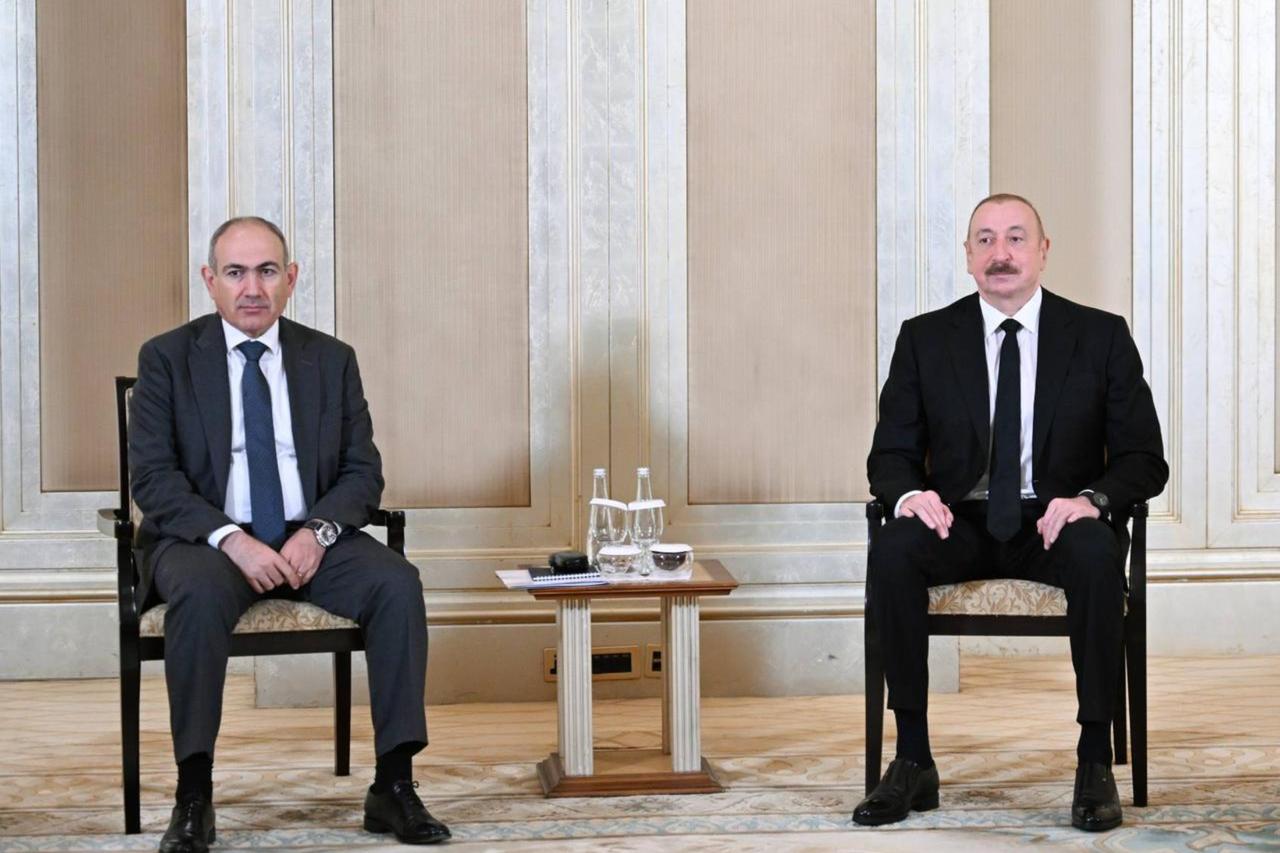
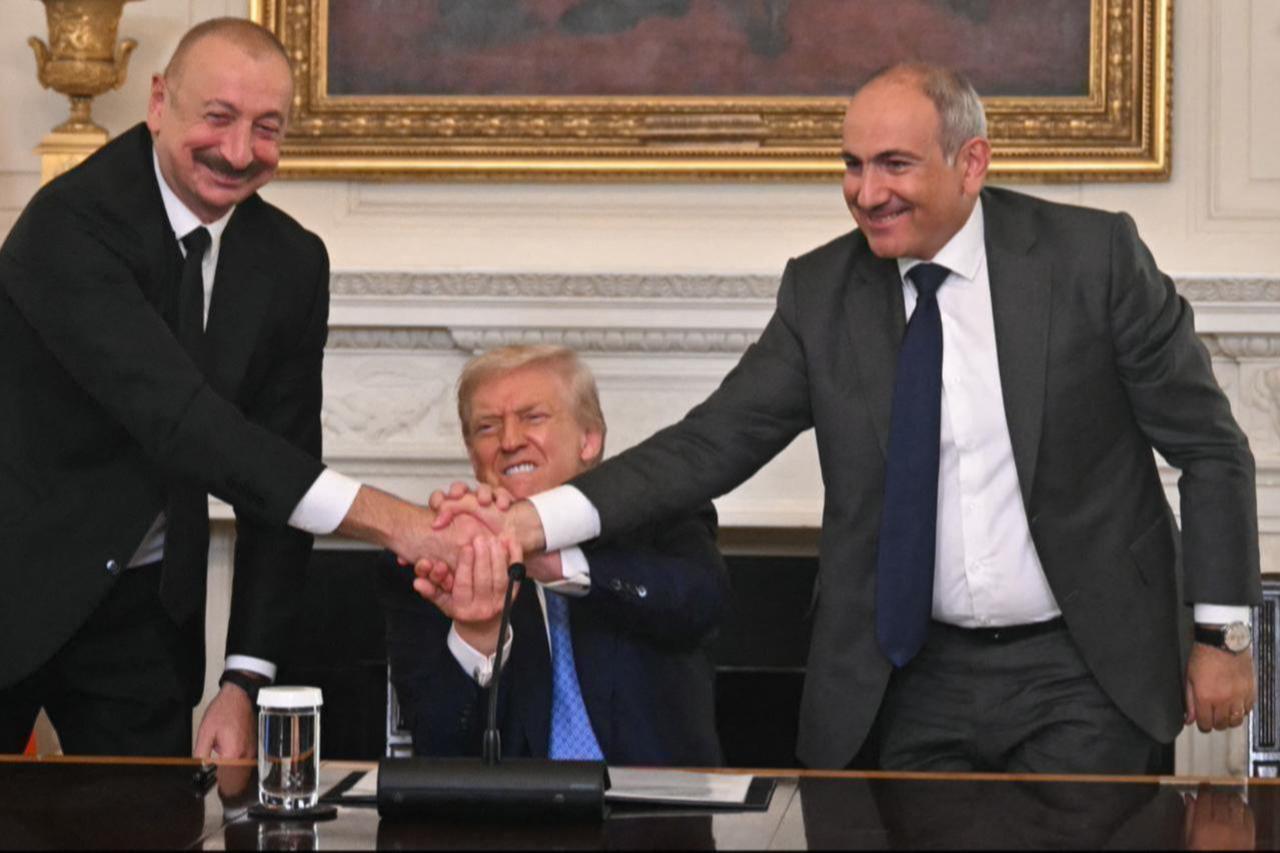
The announcement comes as Yerevan gradually distances itself from Moscow's security structures while pursuing closer regional cooperation and a peace agreement with neighboring Azerbaijan.
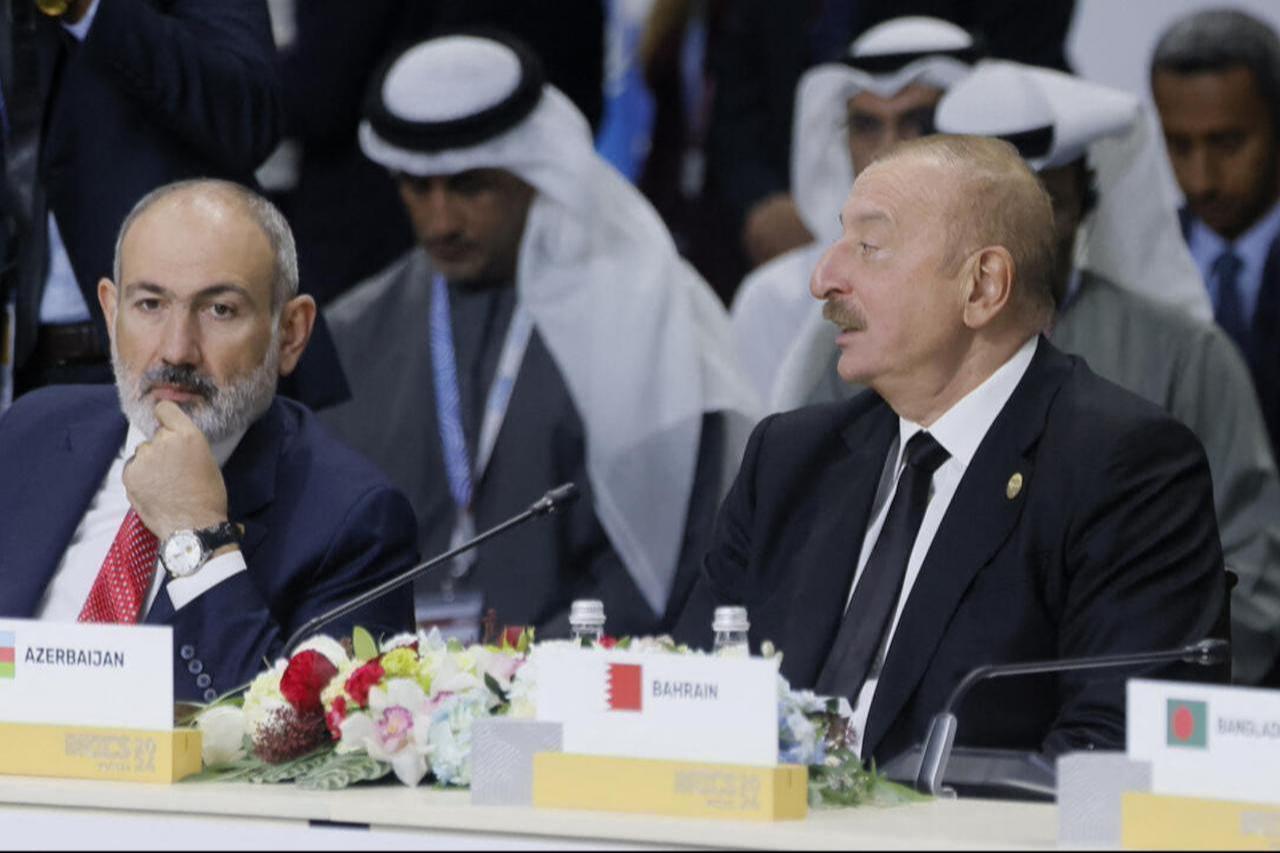

Russia has traditionally served as Armenia's principal security partner, maintaining both border guard personnel and a military base in the country.
However, relations have deteriorated significantly in recent years, particularly following Armenia's disputes with Azerbaijan and growing dissatisfaction with Moscow's security commitments.
Yerevan froze its participation in the Russian-led Collective Security Treaty Organization (CSTO) in February 2024, accusing the alliance of failing to meet its obligations during escalations with Azerbaijan in 2021 and 2022.
Although Armenia has not formally withdrawn from the organization, Pashinyan has repeatedly questioned the value of continued membership.
In September, he also questioned the necessity of Russia's 102nd military base in Gyumri, saying its presence was not essential to Armenia's security.
The planned withdrawal of FSB border guards concerns border protection operations and does not, by itself, constitute an announcement that the Russian military base will close.
Pashinyan has previously said Armenia would gradually transfer responsibility for its entire state border to Armenian personnel as the country's border guard service develops the necessary capabilities.
The announcement follows Pashinyan's unveiling Monday of a proposed new Constitution, which he described as a departure from the political and territorial disputes that have shaped Armenia's post-Soviet history.
In an address to the nation, Pashinyan said the proposed constitutional framework would establish what he called the "Fourth Republic," placing peace, sovereignty and the protection of internationally recognized borders at the center of Armenian statehood.
"The Third Republic of Armenia was founded not for the purpose of ensuring the security, freedom and prosperity of its citizens, protecting and developing their identity, and protecting the rights and freedoms of the human being and the citizen, but for the purpose of conflict, for conflict itself," he said.
Pashinyan argued that the confrontational approach reflected in Armenia's 1990 Declaration of Independence had contributed to decades of instability.
"It is precisely this logic of conflict that pushed people and their dreams aside and set the country on the path of conflict," he added.
The prime minister pointed to Article 8 of the proposed Constitution, which identifies the establishment of peace as an objective of Armenian foreign policy.
He described the absence of conflict with Azerbaijan as a defining feature of the proposed Fourth Republic and stressed the importance of building an army capable of independently defending Armenia's internationally recognized territory.
"Our goal is to turn Armenia into a 'Crossroads of Peace.' At the same time, we want it to become a country with an army capable of independently protecting its state borders and internationally recognized territory," Pashinyan said.
Pashinyan also argued that adopting the new Constitution would help Armenia secure a lasting peace agreement with Azerbaijan.
"Following the adoption of the new Constitution, we will not only sign and ratify a peace agreement with Azerbaijan, but will also have institutionalized, lasting and irreversible peace," he said.
He criticized previous Armenian governments for pursuing what he described as confrontational policies that weakened the country, encouraged emigration and allowed political elites to accumulate wealth.
Pashinyan also pledged judicial reforms aimed at reducing oligarchic influence and strengthening public accountability.
Calling on opposition parties not to obstruct a referendum on the proposed Constitution, he said he would resign if voters rejected the draft.
He also pledged not to seek another term as prime minister in the next elections if the Constitution was approved.
The constitutional proposal remains subject to a referendum, and its adoption is not yet assured.
Together, the planned transfer of border responsibilities and the proposed constitutional reforms reflect Pashinyan's stated objective of strengthening Armenia's sovereignty while reducing its dependence on external security arrangements.


 Set as preferred source
 Set as preferred source


 1 min read

 1 min read


