Sign in
 Newsletters


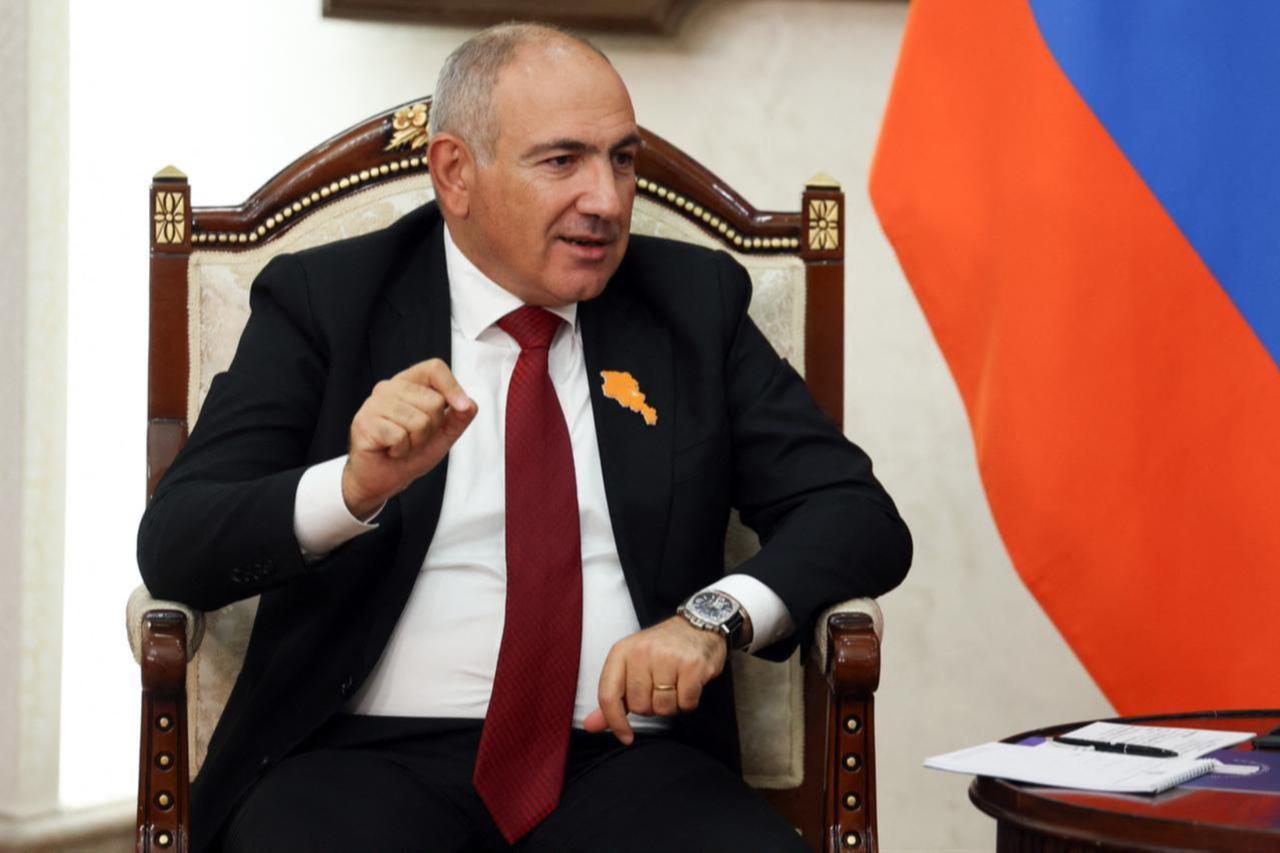


Armenian Prime Minister Nikol Pashinyan sharply criticized opposition to normalization with Türkiye and Azerbaijan, questioning what he described as more than a century of externally influenced hostility toward Turks and insisting that Armenia must pursue peace with its neighbors.
Speaking during a question-and-answer session in Armenia's National Assembly on Wednesday, Nov. 18, Pashinyan accused political opponents of obstructing efforts to reach a lasting agreement with Azerbaijani President Ilham Aliyev.
The Armenian leader argued that outside forces had shaped the country's political thinking since the 1870s, repeatedly invoking Turks to influence public attitudes.
"The forces that have wanted to govern us, starting from the 1870s, when they wanted to cloud our consciousness, said, 'Turk, Turk, Turk,'" Pashinyan said, questioning when Armenian society would move beyond what he described as a longstanding fixation.
His remarks came as he defended his government's efforts to normalize relations with Türkiye and Azerbaijan against criticism from opposition lawmakers.
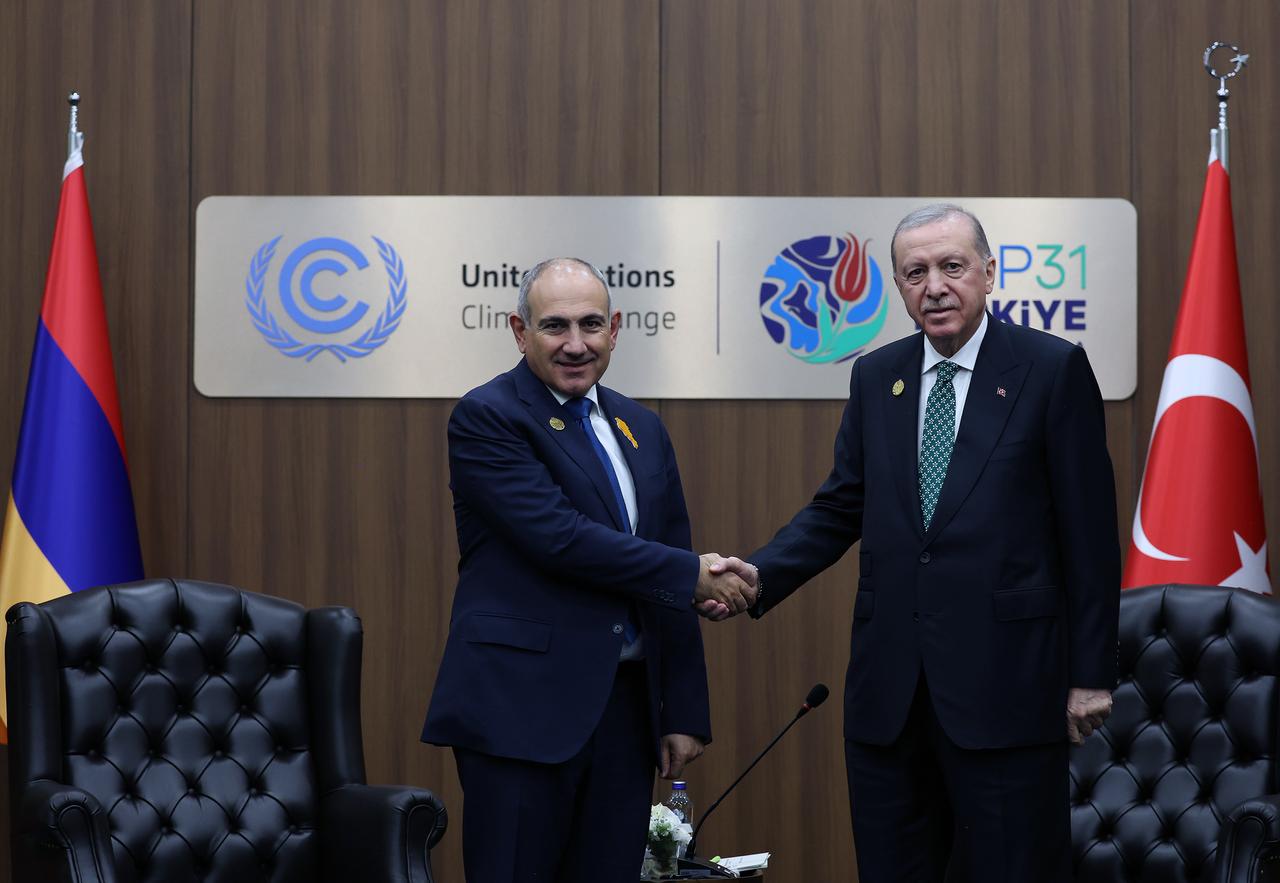

Pashinyan challenged opponents who criticized his pursuit of peace with Azerbaijan, arguing that a lasting settlement could not be reached without an agreement signed by the leaders of both countries.
"When Aliyev and I sign, that peace is 50% Pashinyan, 50% Aliyev's," he said.
The prime minister used Brazil as an example to illustrate his argument, saying that signing an agreement with Brazilian President Luiz Inacio Lula da Silva would not establish peace between Armenia and Azerbaijan.
He said Armenia had already signed the Washington Declaration with Azerbaijan and needed to conclude another agreement to make peace irreversible.
"I signed the Washington Declaration together with Aliyev, and I must sign one more so that peace becomes irreversible," Pashinyan said.
He also challenged opposition calls for his resignation, linking the future of the peace process to a proposed constitutional referendum.
According to accounts of his remarks, Pashinyan said he would leave office if voters rejected the proposed changes, while an endorsement would allow him to proceed toward signing a peace agreement.
In separate remarks during a Cabinet meeting, Pashinyan addressed the constitutional implications of Armenia's 1990 Declaration of Independence, arguing that references to the document should not be included in the country's proposed new constitution.
He said the declaration contained the concept of "Western Armenia," which he acknowledged referred to the eastern regions of present-day Türkiye.
"'Western Armenia' corresponds to the eastern regions of Türkiye. This document places Armenia within a confrontational framework. Therefore, the new constitution should not contain a reference to the Declaration of Independence," Pashinyan said.
The prime minister argued that the declaration's existing language needed revision and announced that the first draft of the new constitution would be published the following week.
His remarks addressed one of the issues surrounding Armenia's constitutional debate as the government pursues closer relations with its neighbors.
Pashinyan also criticized opposition arguments concerning the right of Armenians displaced from Azerbaijan to return to their former homes.
He warned that raising the return of Armenians from Azerbaijan could also bring demands concerning the return of approximately 300,000 Azerbaijanis to Armenia.
The prime minister called for the proposed constitutional changes to be submitted to a referendum.
He also told opponents that he would not stand as a candidate for prime minister in the next election if they accepted his proposal to pursue constitutional changes.
The statements reflect Pashinyan's efforts to link Armenia's domestic constitutional debate with his government's broader pursuit of normalization with Türkiye and a lasting peace agreement with Azerbaijan.


 Set as preferred source
 Set as preferred source


 1 min read

 1 min read