Newsletters


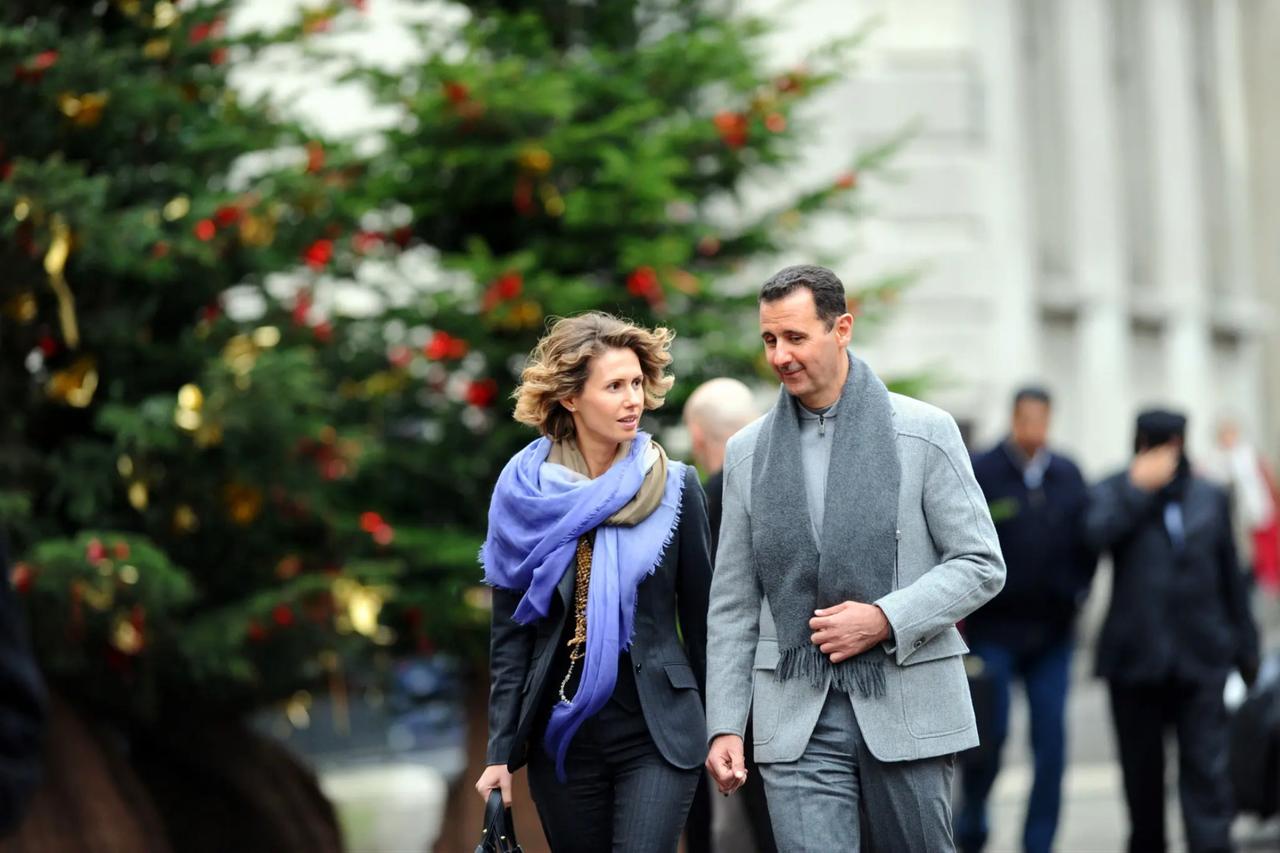


A report by The Guardian offers a rare look into the post-exile life of former Syrian President Bashar al-Assad, detailing how he and his family are living in quiet luxury in Moscow and the UAE following the collapse of his regime and his flight from Damascus in December 2024.
A year after his regime was toppled, the Assad family is living an isolated and quiet life of luxury in Moscow and the UAE.
A friend of the family, sources in Russia and Syria, as well as leaked data, have helped provide rare insight into the lives of the now-reclusive family who once ruled Syria with an iron fist.
According to two sources with knowledge of the situation, the family is likely residing in Rublyovka, a prestigious gated community for Moscow’s elite.
The area is home to figures such as former Ukrainian President Viktor Yanukovych, who fled Kyiv in 2014.
The report says that the Assads are not short of money.
After being cut off from much of the world’s financial system by Western sanctions imposed in 2011 following Assad’s violent crackdown on protesters, the family transferred much of their wealth to Moscow, beyond the reach of Western regulators.
Despite their comfortable surroundings, they remain cut off from the elite Syrian and Russian circles they once enjoyed.
Assad’s last-minute flight from Syria left many of his cronies feeling abandoned, while Russian handlers reportedly prevented him from contacting senior regime officials.
“It’s a very quiet life,” said the family friend. “He has very little, if any, contact with the outside world. He’s only in touch with a couple of people who were in his palace, like Mansour Azzam and Yassar Ibrahim.”
A source close to the Kremlin said Assad is now largely “irrelevant” to President Vladimir Putin and Russia’s political elite. “Putin has little patience for leaders who lose their grip on power, and Assad is no longer seen as a figure of influence or even an interesting guest to invite to dinner,” the source said.
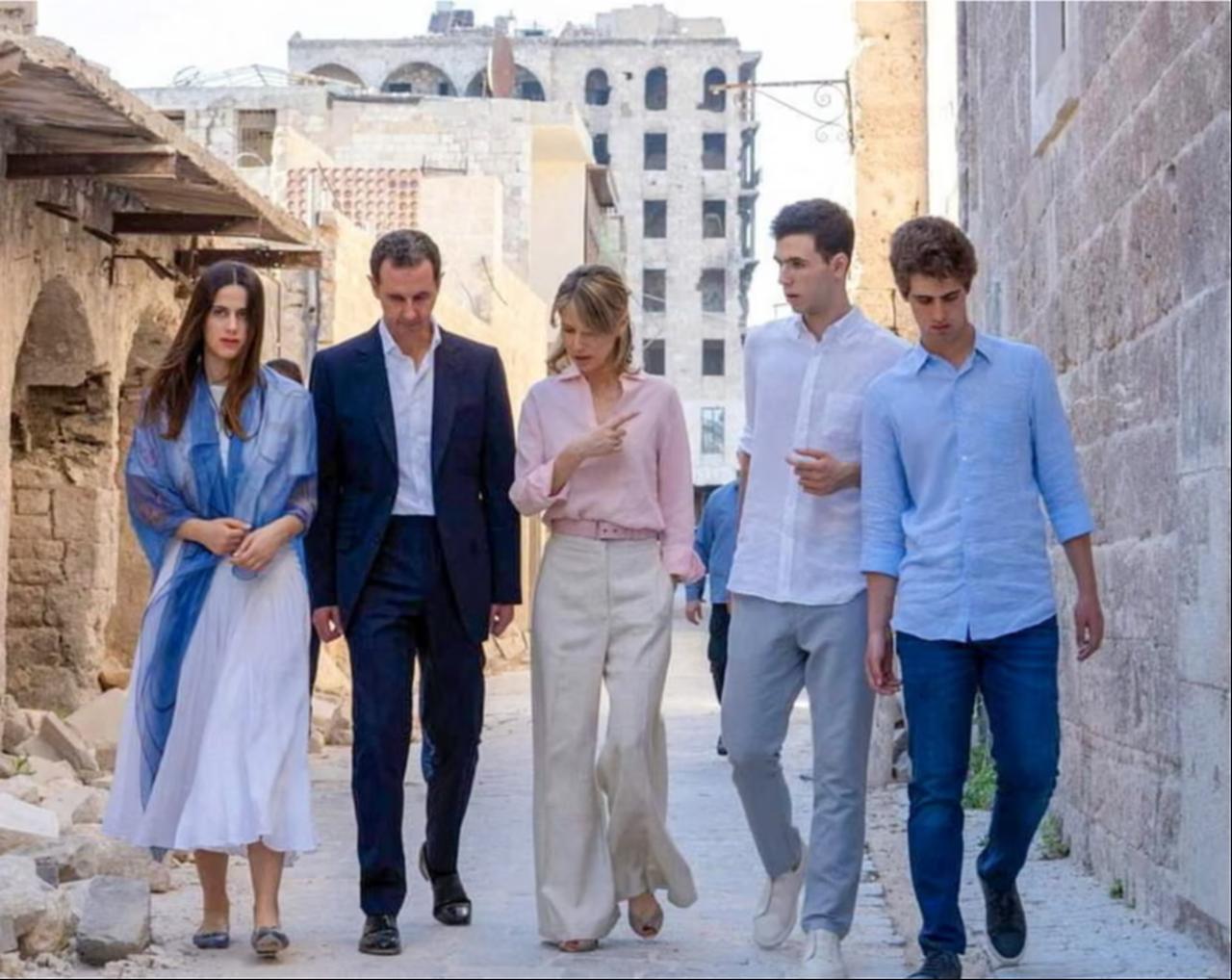

According to the report, Assad fled Damascus with his sons in the early hours of Dec. 8, 2024, as opposition forces advanced on the capital.
A Russian military escort transported them to the Khmeimim airbase, from where they were flown out of the country.
He did not warn his extended family or close allies of the impending collapse, leaving them to fend for themselves.
A friend of Maher al-Assad, Bashar’s brother and a senior military figure, said Maher had been calling Bashar for days, but he would not answer.
The friend said Bashar stayed in the palace until the last second. Opposition forces later found his shisha coals still warm.
“It was Maher, not Bashar, who helped others escape. Bashar only cared about himself,” he said.
Elie Hatem, lawyer to Bashar’s uncle Rifaat al-Assad, said family members arrived at the Khmeimim airbase in a state of panic. They told Russian soldiers they were Assad, but the soldiers did not speak English or Arabic.
“Eight of them slept in their cars outside the base,” Hatem said. Only after intervention from a senior Russian official were they allowed to escape to Oman.
In the months following their escape, the family gathered in Moscow to support Asma al-Assad, the British-born former first lady, whose long battle with leukemia had reached a critical stage.
She had already been receiving treatment in Moscow before the fall of the regime.
According to a source familiar with her condition, Asma has since recovered after undergoing experimental therapy under the supervision of Russia’s security services.
With Asma’s health stabilized, Assad has sought to tell his version of events. He has lined up interviews with RT and a prominent right-wing American podcaster, but is awaiting approval from Russian authorities.
Russia appears to have blocked any public appearance. In a November interview with Iraqi media, Russia’s ambassador to Iraq, Elbrus Kutrashev, confirmed Assad is barred from political or media activity.
“Assad may live here but cannot engage in political activities. He has no right to engage in any media or political activity. Have you heard anything from him? You haven’t, because he is not allowed to. But he is safe and alive,” Kutrashev said.
Life for the Assad children appears less restrictive. “They’re kind of dazed,” said the family friend who met them months ago. “They’re still in shock, getting used to life without being the first family.”
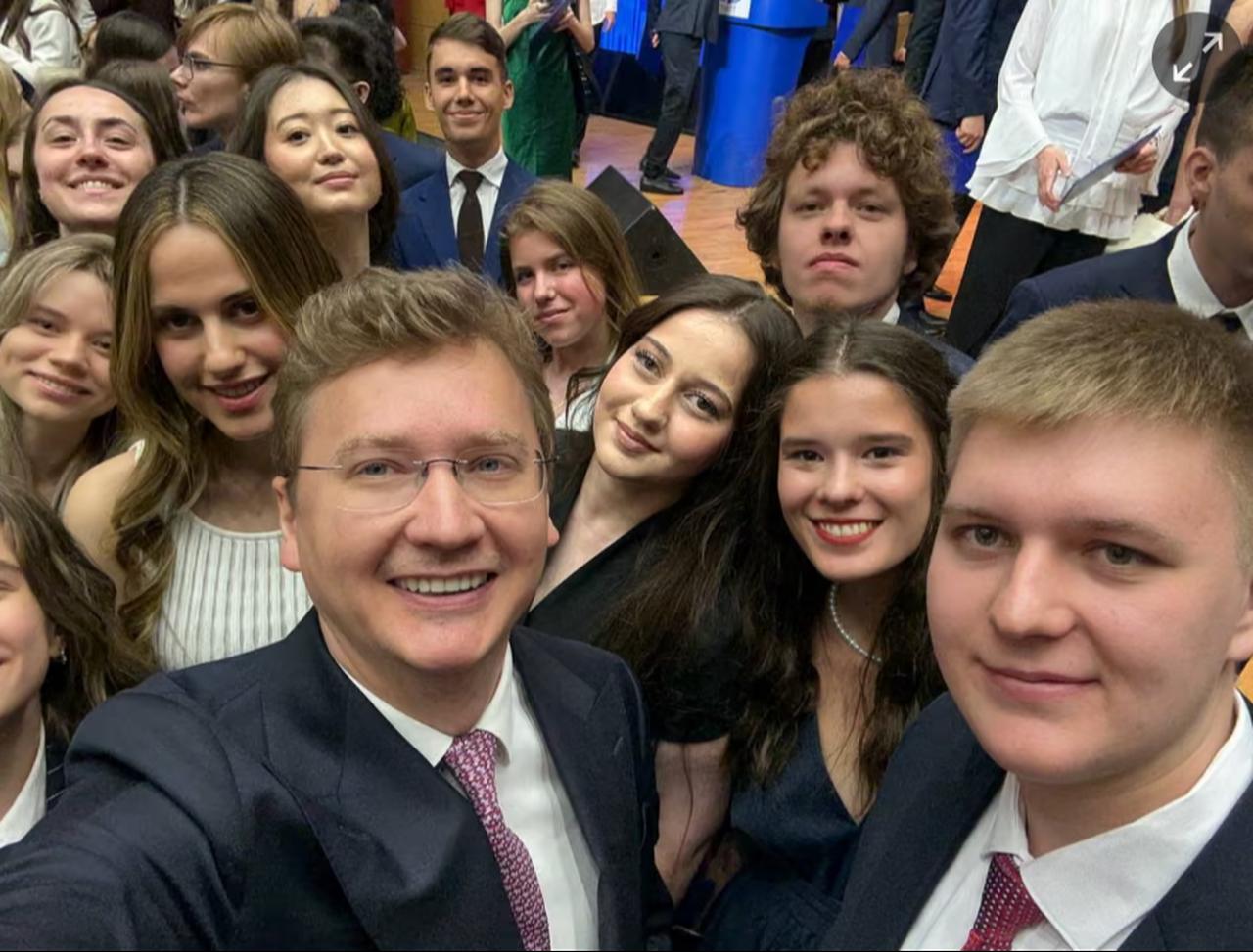
The only public appearance of the family without Bashar since the fall of the regime was at Zein al-Assad’s graduation on June 30. She received a degree in international relations from MGIMO, the elite Moscow university.
A photo on MGIMO’s website shows Zein, 22, among fellow graduates. A separate video shows Asma and her sons, Hafez, 24, and Karim, 21, seated in the audience. Classmates said the family kept a low profile and left quickly.
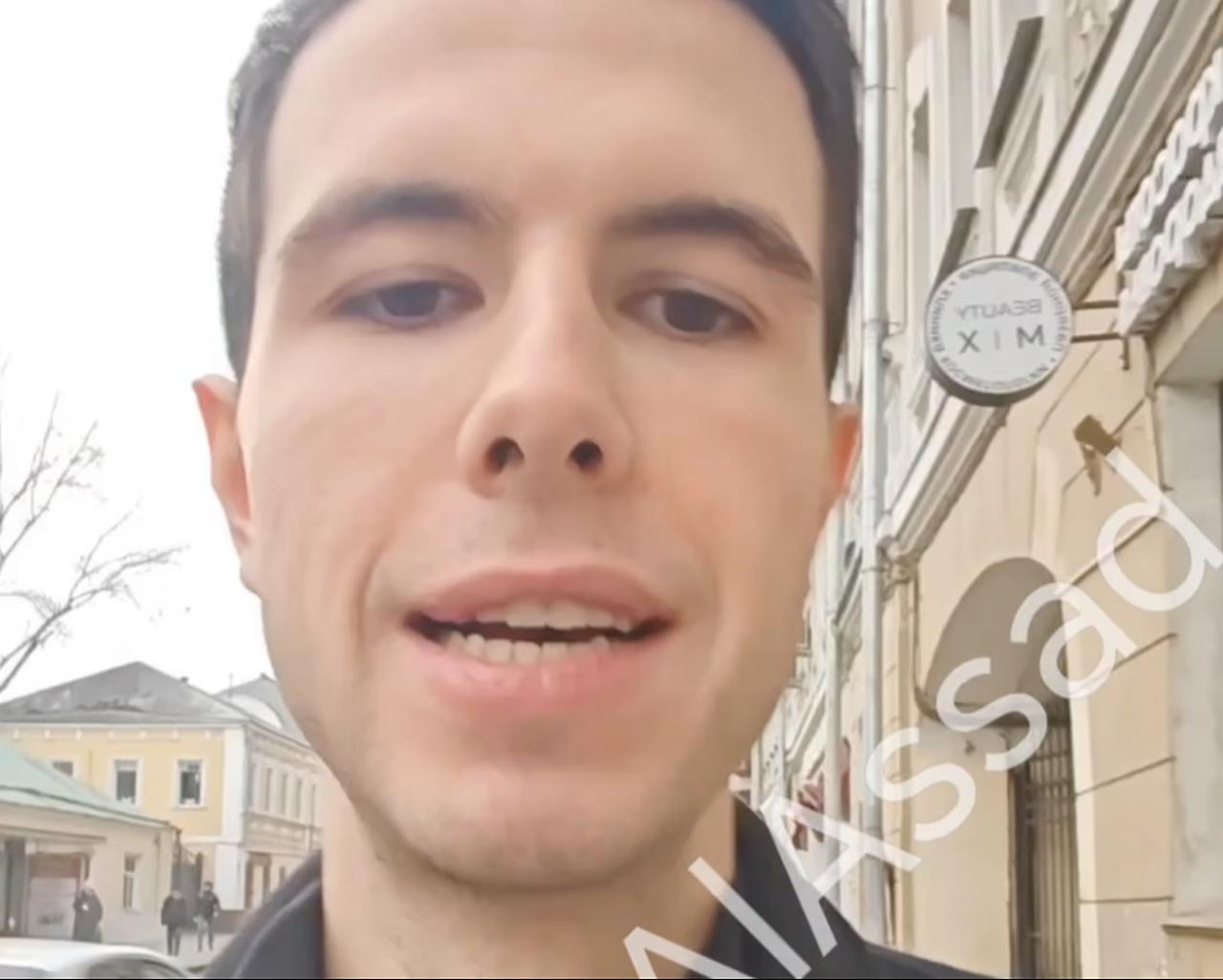
Hafez al-Assad, once groomed as a potential successor, has largely withdrawn from public view after posting a Telegram video in February describing the family’s flight from Damascus and denying they abandoned their allies.
Syrians geolocated the video to Moscow. Since then, Hafez has shut down most of his social media accounts, reemerging under a pseudonym taken from an American children’s series, according to leaked data.
Leaked Russian records also show that Zein regularly shops for high-end clothing, attends an upmarket pedicure salon and is a member of an elite Moscow gym.
The Assad children frequently travel to the UAE, sometimes accompanied by Asma. Leaked flight records from 2017 to 2023 show repeated trips between Abu Dhabi, Moscow, and Syria, even while the family was in power.
Initially, the family hoped to relocate permanently to the UAE, where they felt more comfortable. However, they now realize this will not happen soon, as even the UAE is reluctant to host Assad.
As opposition forces overran Assad’s estates, images discovered inside were shared widely online, including photos of Bashar in underwear or swimming, a stark contrast to the authoritarian image once omnipresent across Syria.
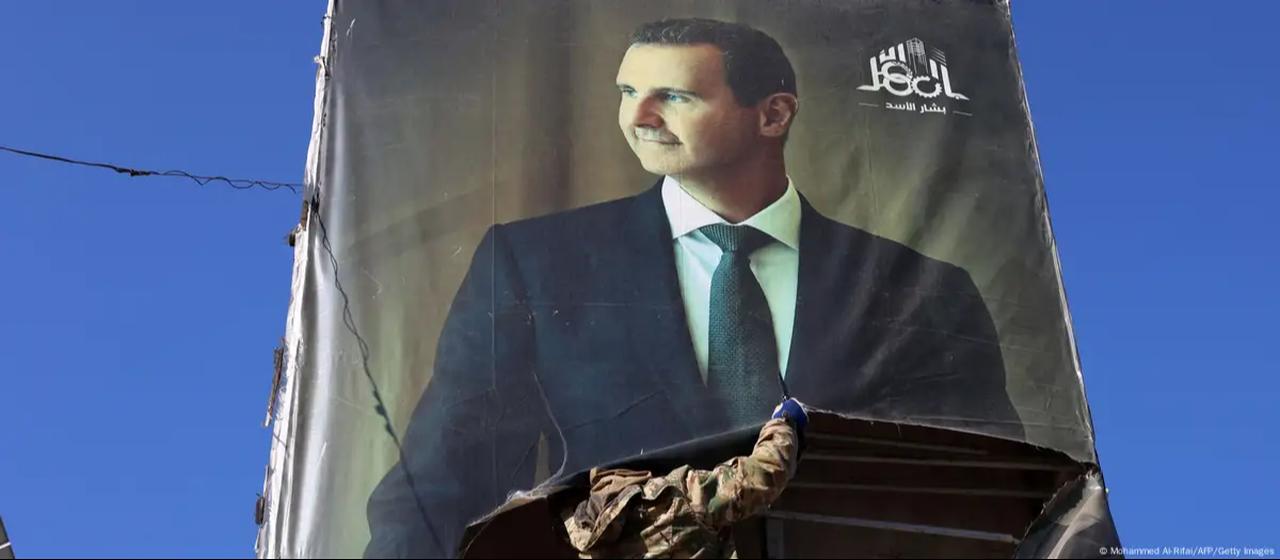
It marked the first real crack in the carefully cultivated image of a ruler long thought untouchable. Yet Syrians still know little about the man who presided over 14 years of violence.
“It took the fall of the regime for those pictures to come out,” said Kamal Alam, a former nonresident senior fellow at the Atlantic Council. “The family is very private. They never liked to be exposed, and they still won’t go forward.”


 Set as preferred source
 Set as preferred source


 1 min read
 1 min read