Newsletters


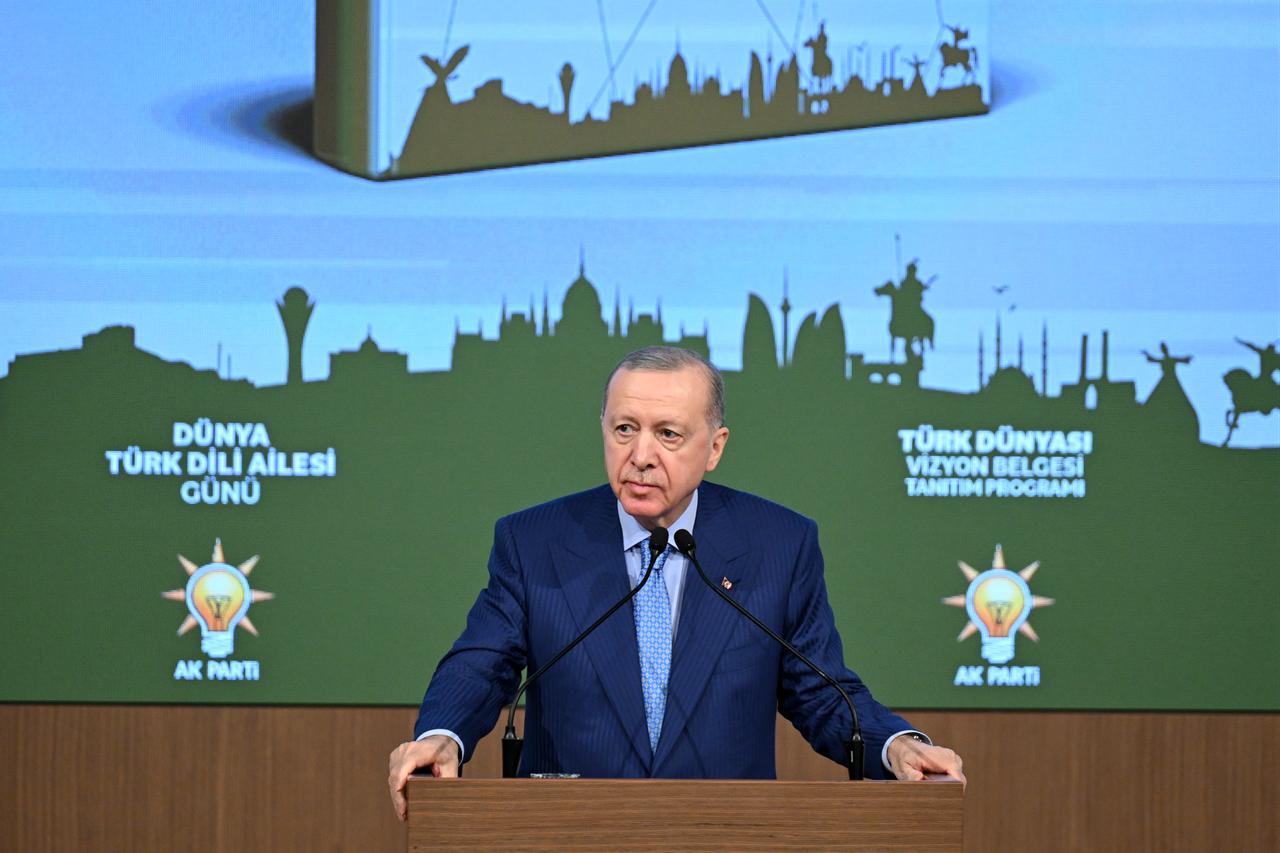


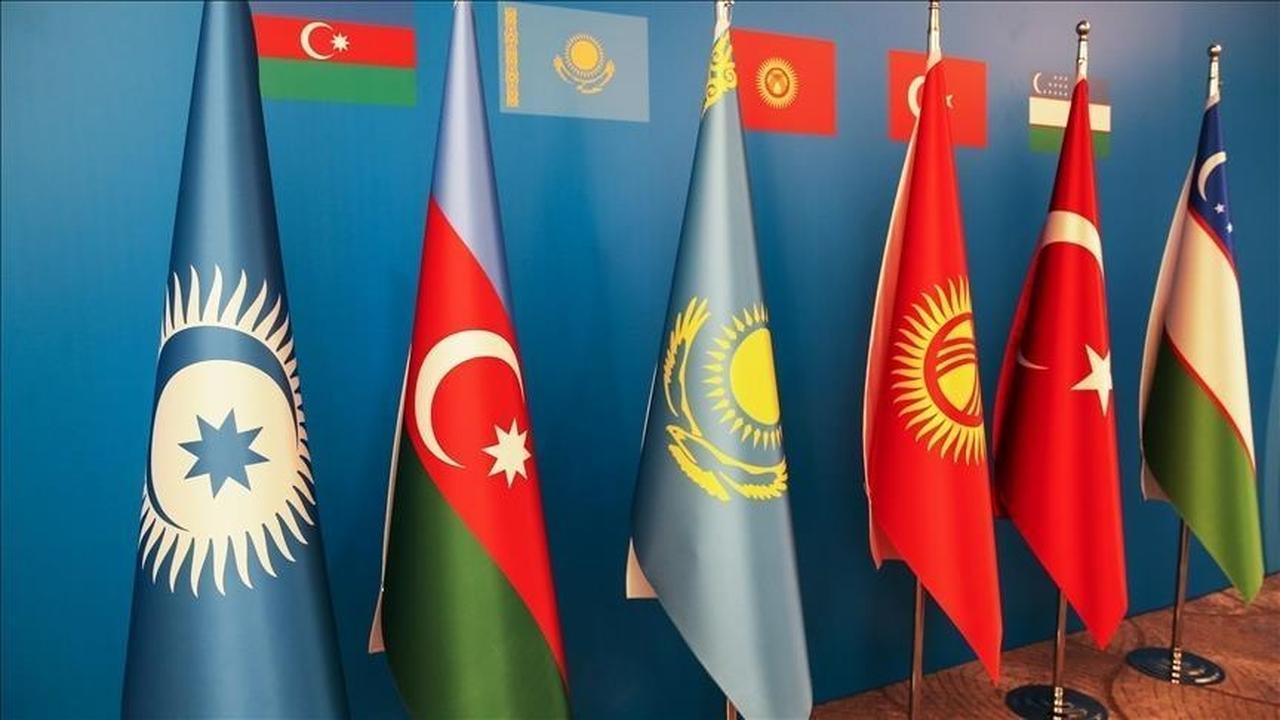
Dec. 15 marked a symbolic moment for the Turkic world with the international recognition of World Turkic Language Family Day, an initiative endorsed by UNESCO, following calls from Türkiye.
On the very same date this year, the Justice and Development Party (AK Party) announced its Turkic world vision program.
A newly announced document sets out an expansive roadmap for strengthening cooperation among Turkic states across political, economic, and cultural domains. Spanning 198 pages and structured into 14 chapters, the framework outlines short-, medium-, and long-term objectives aimed at transforming the Turkic world into a more coordinated and influential global actor.
Economic cooperation is a key focus, with a strong emphasis on expanding intra-Turkic trade and reducing structural barriers. The document sets a clear objective of raising Türkiye’s total trade volume with Turkic states beyond $100 billion in every way possible, even the creation of a “Turkcoin.”
The document also introduces the idea of a common digital currency, referred to as “Turkcoin” or a similar mechanism, to simplify payment systems among Turkic states.
Alongside this, a forum bringing together central banks is envisaged to deepen financial integration and policy coordination.
Other planned measures include the establishment of joint e-commerce platforms and shared market mechanisms designed to connect producers and consumers across borders. Products developed under a unified “Turkic World” brand are expected to gain greater international visibility through coordinated promotion strategies.
To address commercial disputes, the framework proposes the creation of joint arbitration centers. These institutions are intended to provide predictable and efficient dispute resolution, reinforcing trust among businesses and investors operating within the region.

The vision outlines concrete steps to improve the investment climate by mapping opportunities across member states through a shared investment atlas. Expanding agreements to prevent double taxation is also highlighted as a priority to encourage cross-border capital flows.
Among the more ambitious proposals is the establishment of a Turkic World Development and Reconstruction Bank. This institution would support infrastructure, industrial projects, and development initiatives aligned with shared strategic goals.
Energy cooperation is framed as both an economic and geopolitical priority. The document underscores the importance of diversifying routes and strengthening the role of the Turkic world in regional energy flows.
Key objectives include advancing the Trans-Caspian Natural Gas Pipeline and developing new energy corridors linking production and consumer markets. Regional energy trading exchanges are also proposed to improve transparency and market efficiency.
Institutionally, the strategy calls for the creation of a Turkic World Energy Agency and a broader Energy Union. Joint exploration, production, and refining projects, along with shared certification systems under a common brand, are designed to reinforce collective capacity in the energy sector.
Recognizing the accelerating pace of digital transformation, the vision places strong emphasis on building a shared digital economy strategy. Harmonizing digital trade regulations is presented as a necessary step to unlock cross-border digital commerce.
Plans include the establishment of joint software development platforms and ensuring interoperability among e-government systems. These measures aim to improve service delivery while reducing administrative friction for citizens and businesses.
Technology-focused initiatives such as Turkic World technology festivals, a dedicated technology agency, and a digital economy platform are also outlined. Together, they are intended to nurture innovation ecosystems and enhance global competitiveness.

Beyond industry and technology, the document addresses traditional sectors and cultural ties as pillars of integration. Proposals include the creation of joint agricultural markets and the expansion of regional trade agreements.
Tourism and cultural heritage are framed as tools for soft power and economic development. Revitalizing historical Silk Road routes through coordinated tourism projects is seen as a way to connect shared history with contemporary mobility.
Institutional mechanisms such as the Turkic World Tourism Union and a shared heritage list are designed to protect cultural assets while promoting them to international audiences. Heritage-focused projects include a joint museum card valid across member states, a common history commission, and the establishment of a Turkic World Museum.
Security cooperation occupies a distinct section, putting out shared concerns over regional stability. The framework proposes the establishment of a Turkic World Defense Cooperation Organization to formalize collaboration in defense industries.
A joint defense industry union is envisioned to support co-production, technology sharing, and capacity building. These initiatives aim to reduce external dependencies while strengthening collective deterrence.
The document also highlights the need for coordinated responses to non-traditional threats, integrating security planning with broader strategic objectives.
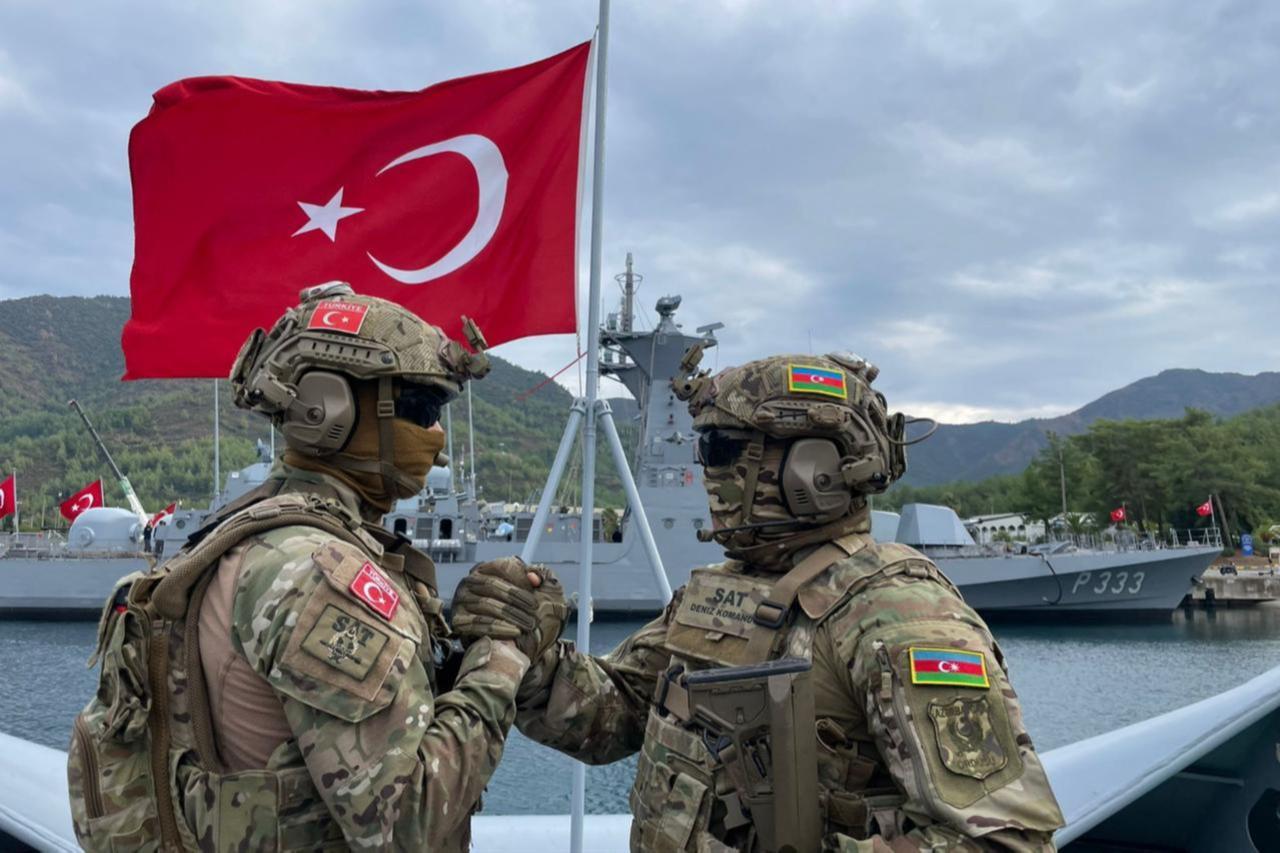
To address transnational threats, the vision includes plans for a joint counterterrorism center and a dedicated cybersecurity agency. These bodies are expected to facilitate intelligence sharing and coordinated responses.
Diplomatic cooperation is also set to deepen through the establishment of joint diplomatic representations in key global capitals. Shared trade and investment offices are intended to improve outreach and coordination abroad.
For citizens living overseas, the document proposes common consular service points to ensure faster and more efficient access to public services.
The vision devotes specific attention to increasing the international visibility of the Turkish Republic of Northern Cyprus. Among the stated objectives is securing full membership status for Northern Cyprus within the Organization of Turkic States.
The framework calls for coordinated diplomatic initiatives among member states to support recognition efforts. This includes expanding bilateral and multilateral engagements focused on diplomatic legitimacy.
The governing party's declaration also emphasizes aligning major projects such as the Middle Corridor, Nakhchivan Corridor, Development Road, and Lapis Lazuli route to create uninterrupted trade flows.
To ensure these ambitions do not remain merely aspirational, the establishment of a Turkic World Vision Council is also proposed as a practical solution.


 Set as preferred source
 Set as preferred source


 3 min read