Newsletters




Iran’s nuclear technology cannot be eliminated through threats, sanctions, or military attacks, Atomic Energy Organization of Iran chief Mohammad Eslami said, arguing that the country’s nuclear advances are rooted in domestic scientific capabilities and will continue despite U.S. pressure.
Speaking at an international conference on “Ecocide: The Silent War Crime,” Eslami said Iran’s nuclear technology was developed through years of work by Iranian scientists and researchers and had become an important part of the country’s scientific and technological progress.
“Overt threats by U.S. officials to use tactical weapons against Iran’s nuclear facilities—delivered right from the United Nations podium—and talk of destroying Iran’s ancient civilization reveal helplessness in the face of a pioneering nation,” Eslami said, according to Iran’s semi-official Tasnim News Agency.
He said Iran and its people “will never surrender.”
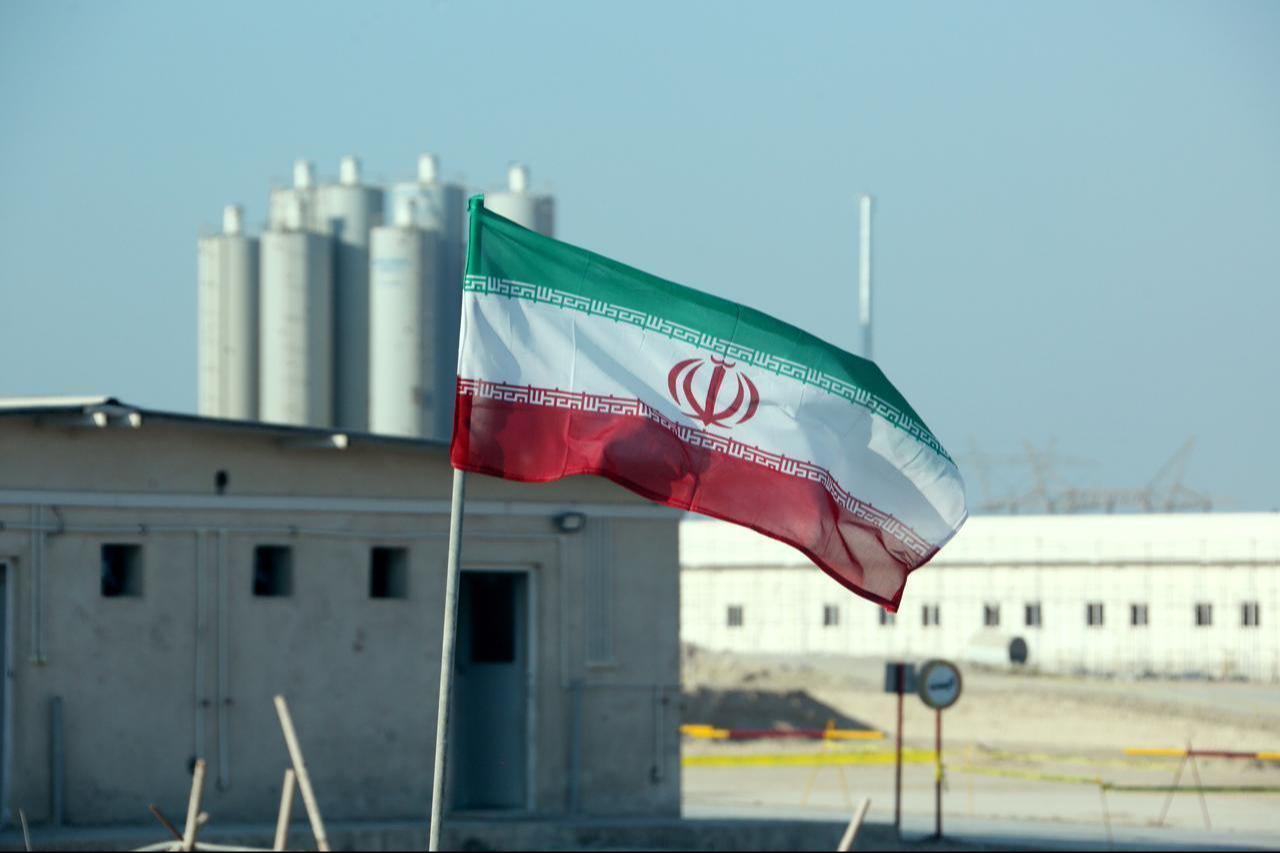

Atomic Energy Organization spokesman Behrouz Kamalvandi separately said Iran’s nuclear program was “completely peaceful, transparent and under the permanent supervision” of the International Atomic Energy Agency.
He said multiple IAEA reports had shown that Iran maintained a transparent but highly advanced nuclear program.
“The nuclear industry has roots in Iran and is not an industry that can be destroyed with blows,” Kamalvandi said.
He added Tehran would continue developing the sector because of what he described as its benefits in several areas.
Eslami also criticized what he described as U.S. double standards over nuclear technology, saying Washington prioritizes nuclear energy and artificial intelligence in its own national security and defense strategies while seeking to restrict Iran’s access to nuclear technology.
He accused the U.S. of interfering in other countries’ affairs and influencing international organizations through double standards.
Eslami said Iran would continue its plan to develop 20,000 megawatts of nuclear power generation capacity and that construction projects had not stopped during the war and would not be halted.
He said France generates 76% of its electricity from nuclear power and accused Western countries of blocking nuclear cooperation with Iran after the 1979 revolution.
Eslami said sanctions, obstruction, sabotage, assassinations and war had all been used over the years in attempts to stop Iran’s nuclear program.
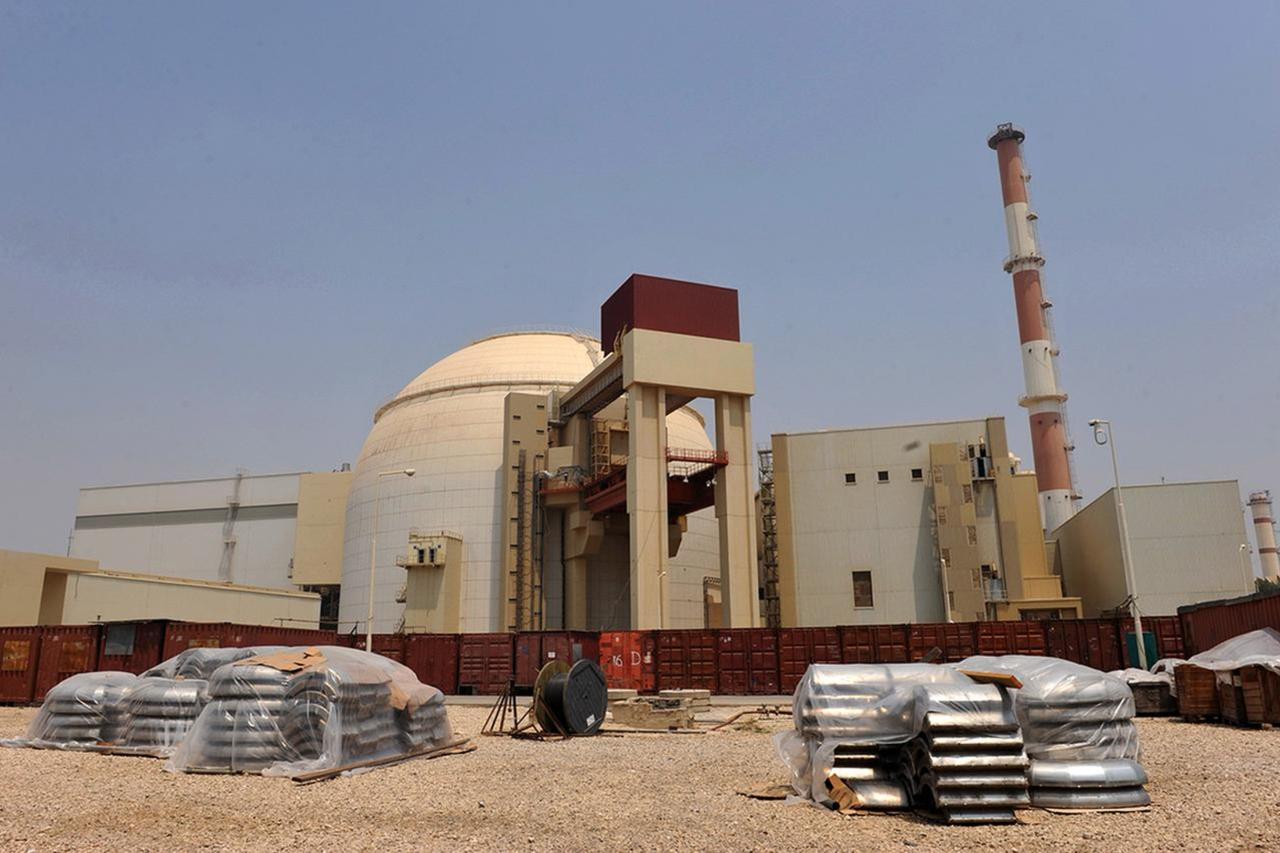
He also highlighted the Bushehr nuclear power plant, saying it ranked among the world’s top 10 nuclear plants in safety and operational performance in an assessment by the World Association of Nuclear Operators.
According to Eslami, the plant has prevented around 90 million tons of carbon emissions and saved about 120 million tons of fossil fuel during 11 years of operation.
He also criticized the IAEA for what he said was a failure to condemn attacks on Iranian nuclear facilities.
Eslami described nuclear technology as a technology that supports life, environmental protection and human health and questioned what legal basis could be used to deny Iran access to it.
U.S. officials have repeatedly said Washington could strike Iranian nuclear facilities if diplomatic efforts to restrict Tehran’s nuclear activities fail.


 Set as preferred source
 Set as preferred source


 1 min read

 1 min read