Newsletters


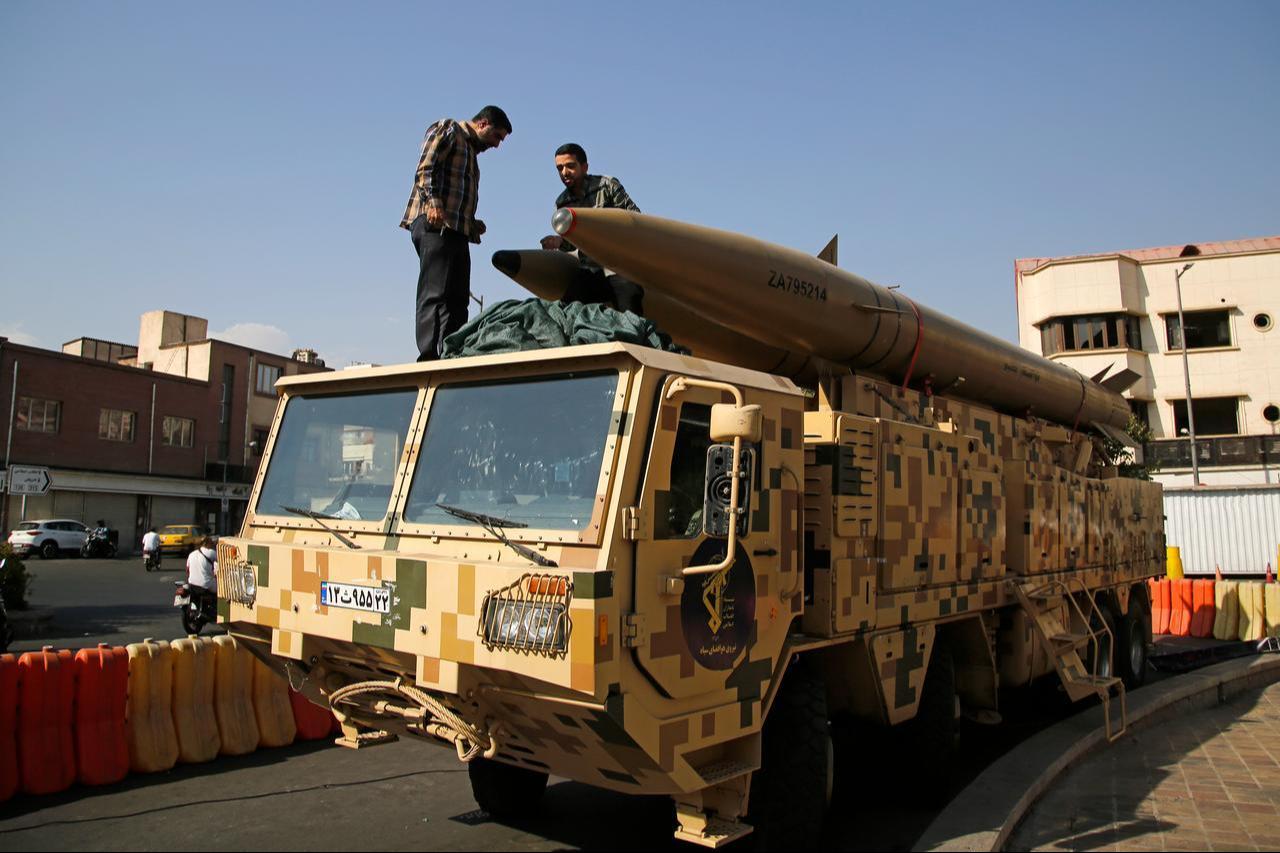
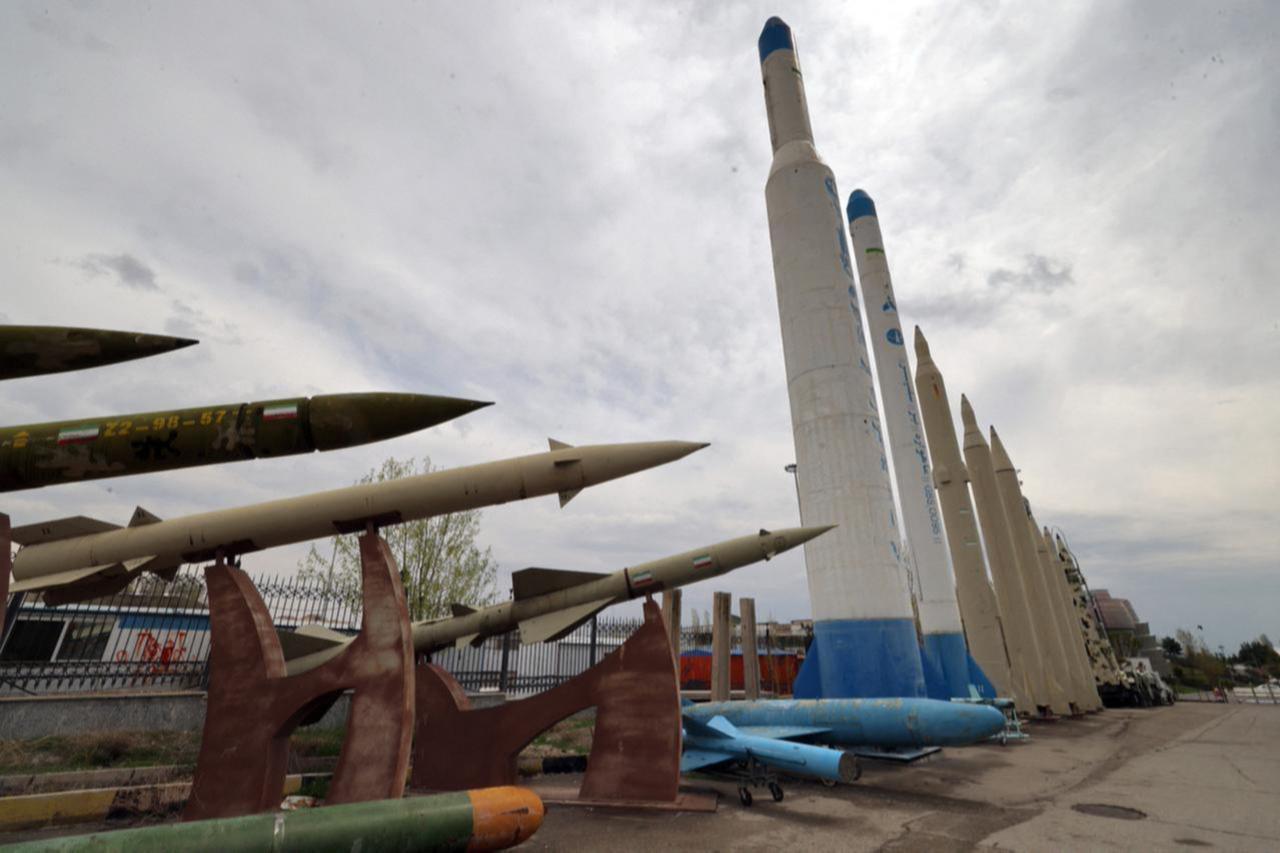
Iran reportedly test-fired multiple ballistic missiles from Tehran and Alborz provinces on Sunday, as Western officials said the country has preserved its missile and drone factories despite months of U.S. and Israeli bombing.
Tehran still has the capacity to manufacture weapons and rebuild its arsenal and remains well-stocked with ballistic missiles and some anti-ship weapons, Western officials told Bloomberg, speaking on condition of anonymity.
The assessment contradicts claims by U.S. President Donald Trump and his team that the war has decimated Iran’s military and suggests Iran could reconstitute its forces while Trump holds off on strikes before the Nov. 3 midterm elections.

One Western official said Russia was also providing missiles to Iran, echoing a June assessment, Bloomberg reported.
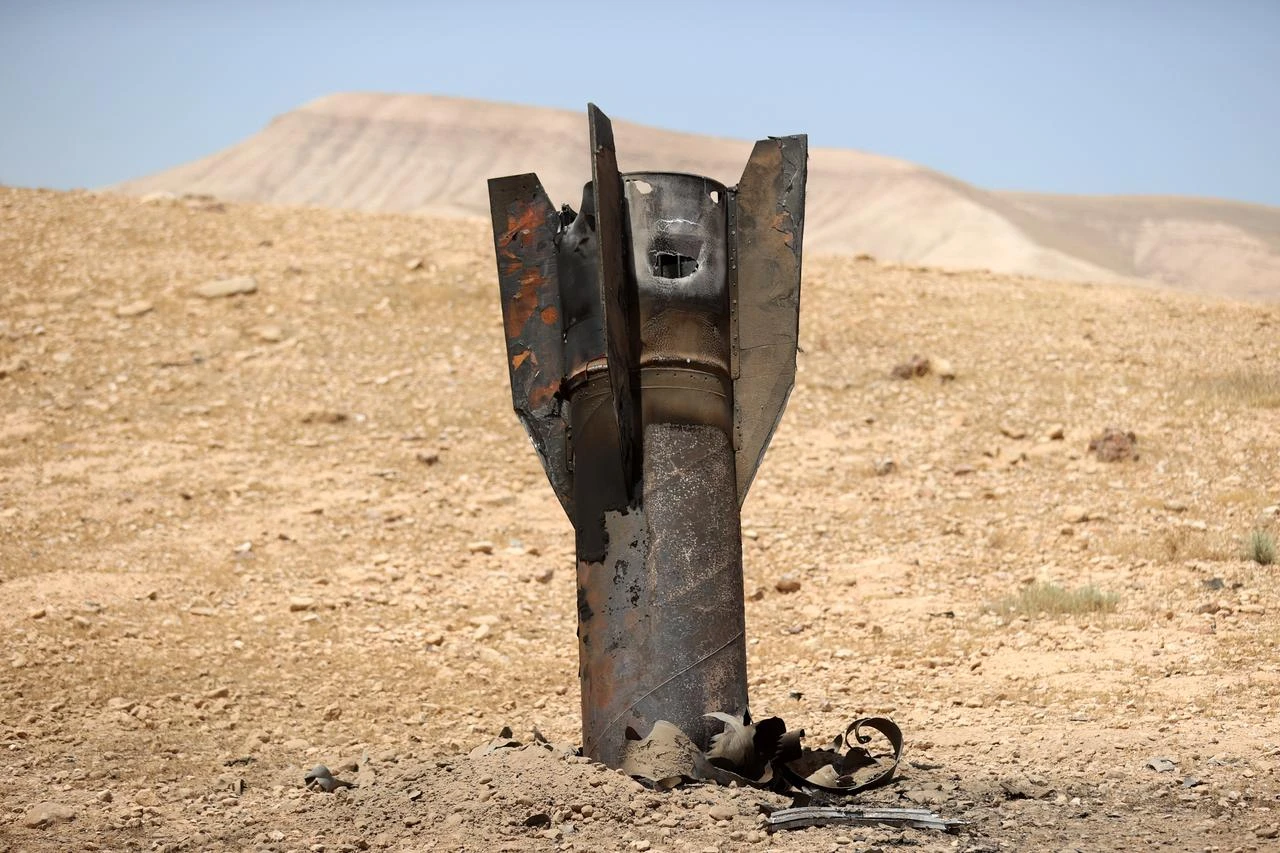
Israel estimated Iran had about 2,500 ballistic missiles before the war, and Western assessments as recently as June said it held about three-quarters of its prewar munitions. Iran has launched more than 4,000 Shahed drones and at least 2,000 ballistic missiles since Feb. 28, according to a Bloomberg Economics analysis.
Iran has also hit at least 10 vessels around the Strait of Hormuz in the last week, according to the U.K. Navy.
White House spokesperson Anna Kelly rejected the assessment.
"First, President Trump obliterated Iran’s nuclear facilities during Operation Midnight Hammer," she said, noting, "Then, Operation Epic Fury successfully destroyed the conventional shield that Iran sought to create over a nuclear program, including their ballistic missiles, production facilities, and navy."
Trump has said Iran’s military is "totally destroyed," and Defense Secretary Pete Hegseth said Sept. 30 that the U.S. had destroyed Iran's "military-industrial capacity."
"There is probably less high-end stuff available, but they’ve been stockpiling cruise missiles for themselves and the Houthis for years, and hiding them," said William Alberque, a senior fellow at the Pacific Forum.
"I’d guess with a fair bit of confidence that we haven’t seen the tip of the iceberg in terms of anti-ship attacks," he told Bloomberg.
"The actual anti-ship missile stockpiles likely remain large, both because they are comparatively easy to make, and Iran has in-housed much of the production of older Chinese ASCMs, and Iran’s southern mountains provide natural shelters against air attack," said Sidharth Kaushal of the Royal United Services Institute (RUSI), as questions once again grow over Tehran's missile capacity.


 Set as preferred source
 Set as preferred source


 1 min read
 1 min read