Newsletters


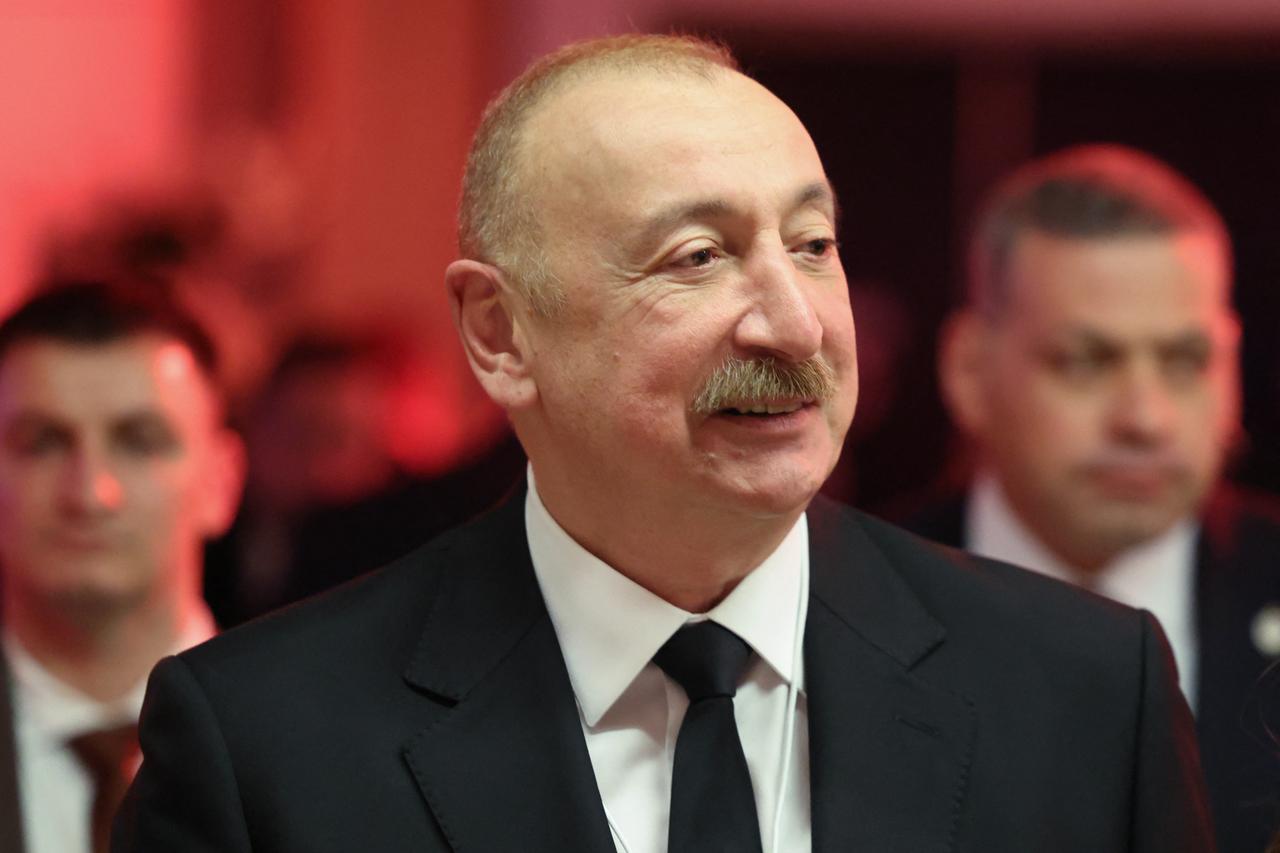


Azerbaijani President Ilham Aliyev said Tuesday that Azerbaijan and Armenia made a joint decision to close their chapter of conflict.
"It was a joint decision by (the) Armenian and Azerbaijani leadership to close that chapter (of war) and to see the opportunities for peace," Aliyev told a panel session at the annual World Economic Forum meeting in Davos, Switzerland.
The panel was also attended by Armenian President Vahagn Khachaturyan, Serbian President Aleksandar Vucic and Limak Holding Board Chairman Ebru Ozdemir.


Responding to a question on the current state of multilateralism, Aliyev criticized international institutions for their inability to resolve the three-decade conflict between the countries.
Aliyev noted numerous resolutions were passed on the issue, including by the UN Security Council and the Organization for Security and Cooperation in Europe (OSCE), saying none were effective.
"All of them did not materialize until we took the situation into our hands, and we did it. We restored justice, international law, our sovereignty, and territorial integrity and then we achieved peace," he stated.
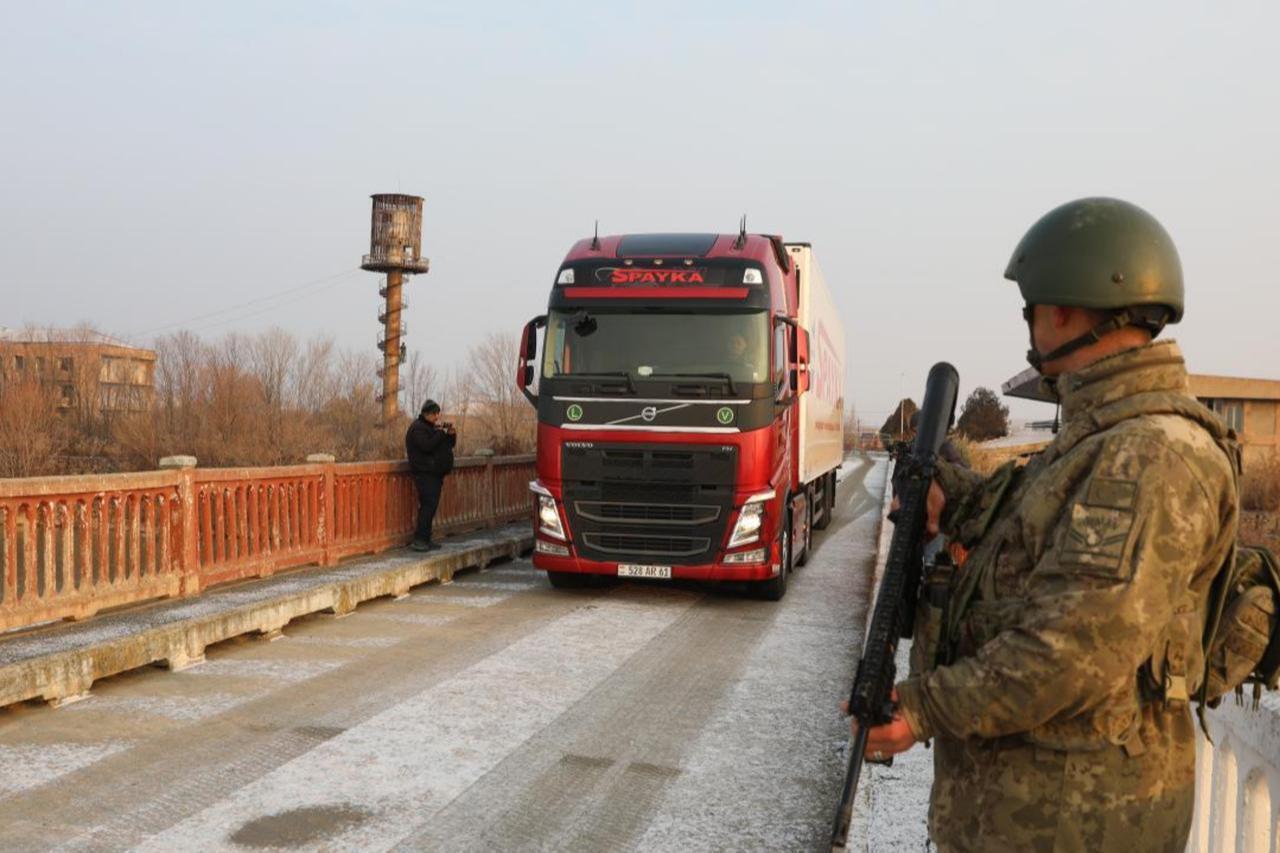
"Azerbaijan lifted all the restrictions on the transportation of cargoes to Armenia from Kazakhstan and from Russia, and now we have a request from the Armenian side to provide transit from Armenia to Russia," Aliyev stated.
"So we de facto, unilaterally opened the corridors. Yes, the transportation goes through neighboring Georgia, but one day it will go through Armenia. One day Armenia will go directly through Azerbaijan, and that day is not too far away," he added.
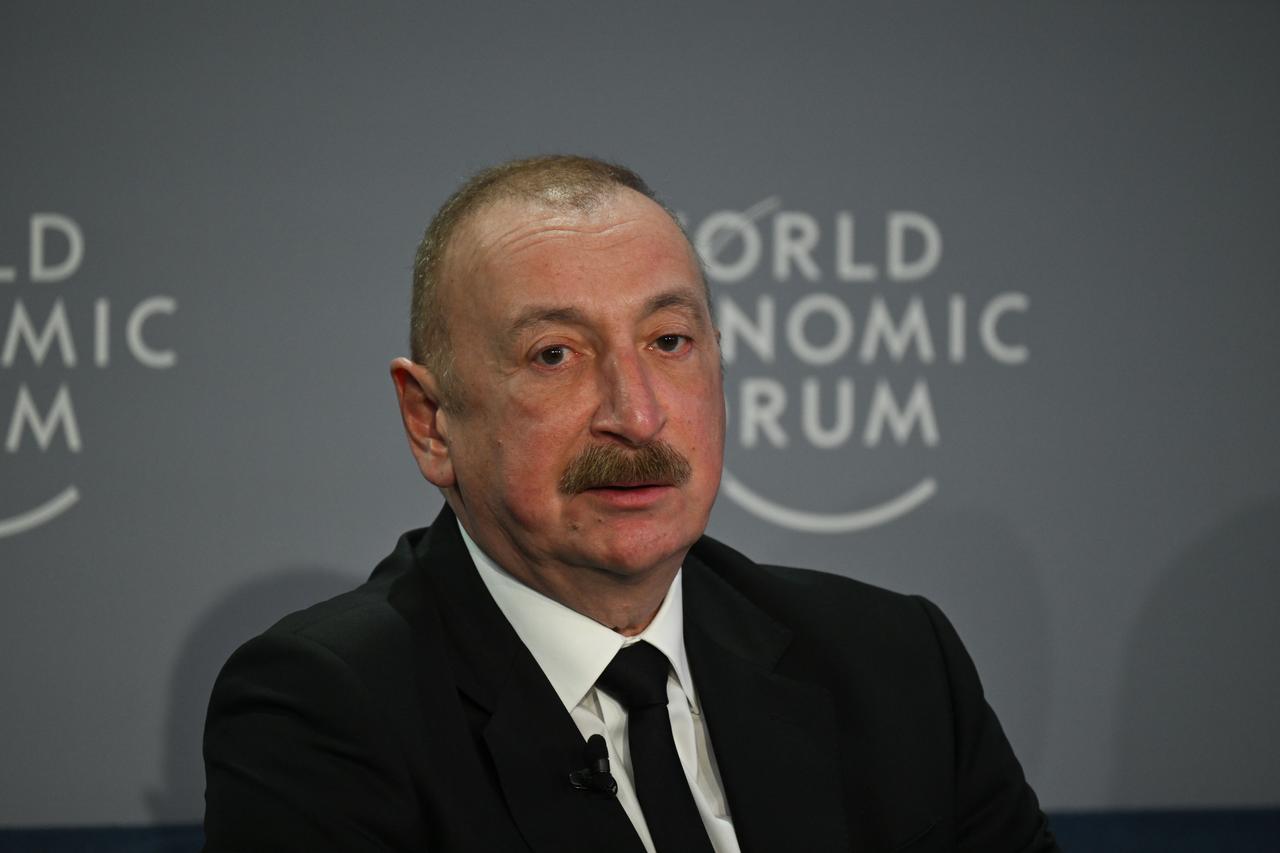
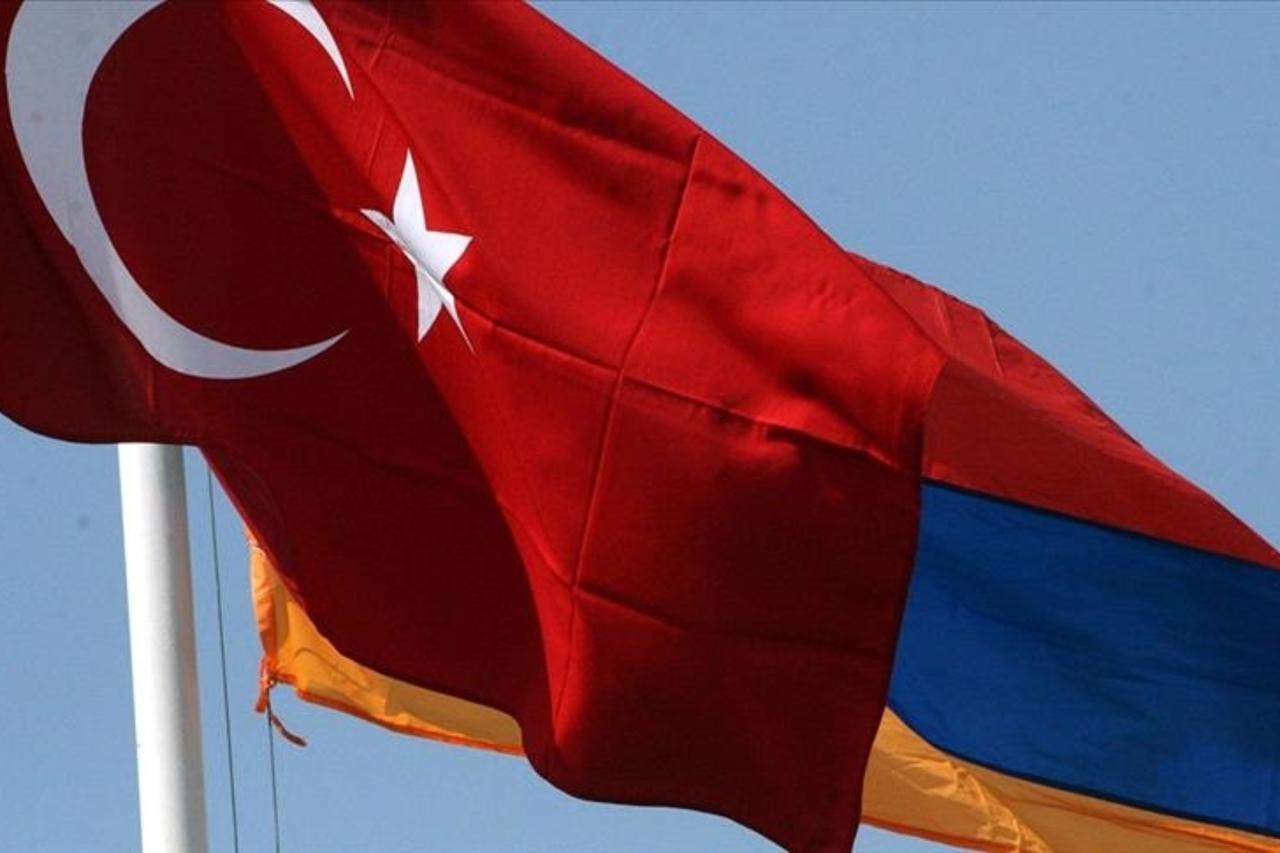
On normalization with Türkiye and Armenia, Aliyev said, "The Azerbaijan-Armenia and Türkiye-Armenia normalization tracks run parallel to each other and will definitely end in parallel with the establishment of diplomatic relations between Türkiye and Armenia and Azerbaijan and Armenia at the same time."
On the regional significance, Aliyev noted, "Through these processes, they are changing a broad geographical area, which is very important for connectivity, energy security, and stability."
Aliyev said this sets an "example of how long-lasting wars and conflicts can transform into partnership and cooperation."
"It is an incredible result that two countries that were at war a few years ago are now focused on peace," Armenian President Khachaturyan said. On future transportation connections he added, "Direct transportation connections will be established between Azerbaijan and Armenia and we will overcome the problems that emerged in the 90s."
"Within a few years, when Armenian and Azerbaijani citizens begin to cross the border and do business, taking advantage of each other's advantages, everything will return to normal," Khachaturyan added.
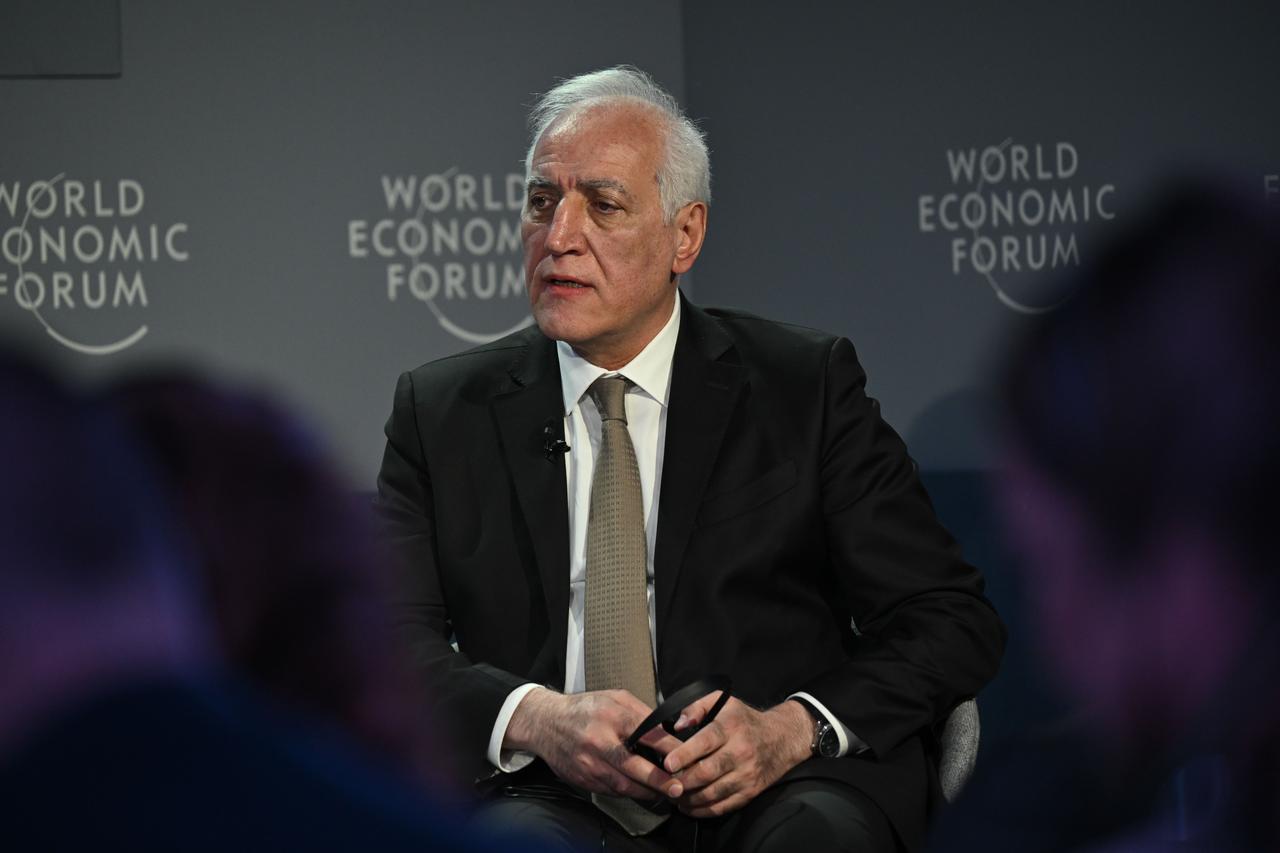
Regarding normalization with Türkiye, Khachaturyan stated, "Our interests relate to the economic development of our countries, our welfare, our friendship, our peace, and our good relations with our neighbors. The same approach applies to Türkiye."
"If we try to search for our interests, we will find them. But there is no need to specifically search for these. We should open borders with Türkiye," he added, noting that, "But what is important is that both of us look forward. If we try to look back, to search for reasons for what happened, this will deprive us of the opportunity."
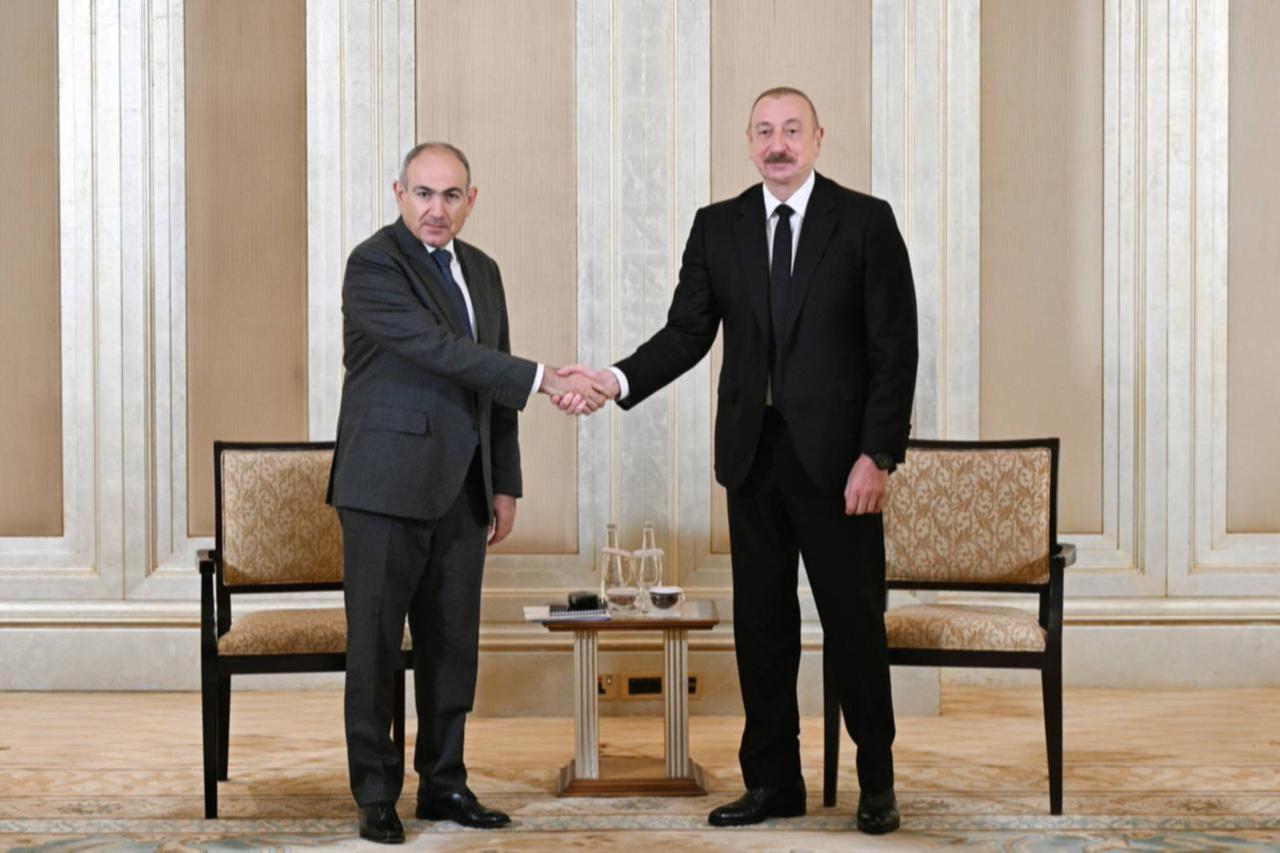
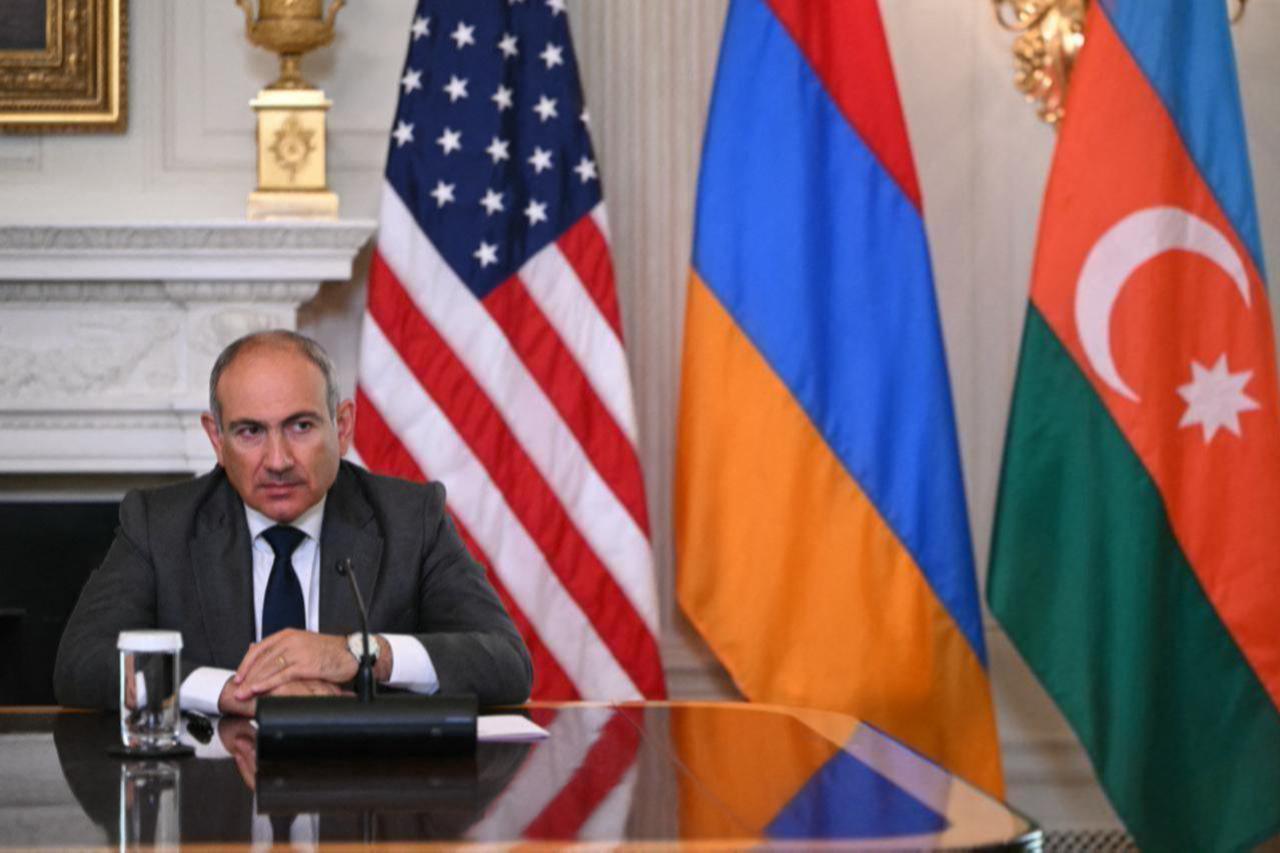
Azerbaijan and Armenia signed a joint declaration in August at a trilateral summit at the White House, alongside U.S. President Donald Trump.
The declaration included commitments to cease hostilities, reopen transport routes, and normalize relations.
The Armenian Foreign Intelligence Service released its "Annual Report on Risks to External Security."
According to the report, military tension probability between Azerbaijan and Armenia has "decreased significantly, "and peaceful solution probability has increased" following intense negotiations in 2025.
"Military tension between Armenia and Azerbaijan in 2026 is stated to be extremely low probability," the report stated.
The report indicated a high probability of progress in border demarcation, bilateral trade and economic initiatives, dialogue between communities, and humanitarian areas during 2026.
On transportation connections, "Reestablishment of transportation connections between Armenia and Türkiye and Azerbaijan will enable faster and lower-cost transportation of people, goods and services, which will increase regional competitiveness and international appeal," the report stated.
The report finally cited specific projects: "The Kars-Gyumri railway line opening and implementation of the Trump Route for International Peace and Prosperity (TRIPP) will create comprehensive economic and logistic opportunities for expansion of regional trade."


 Set as preferred source
 Set as preferred source


 1 min read
 1 min read