Newsletters


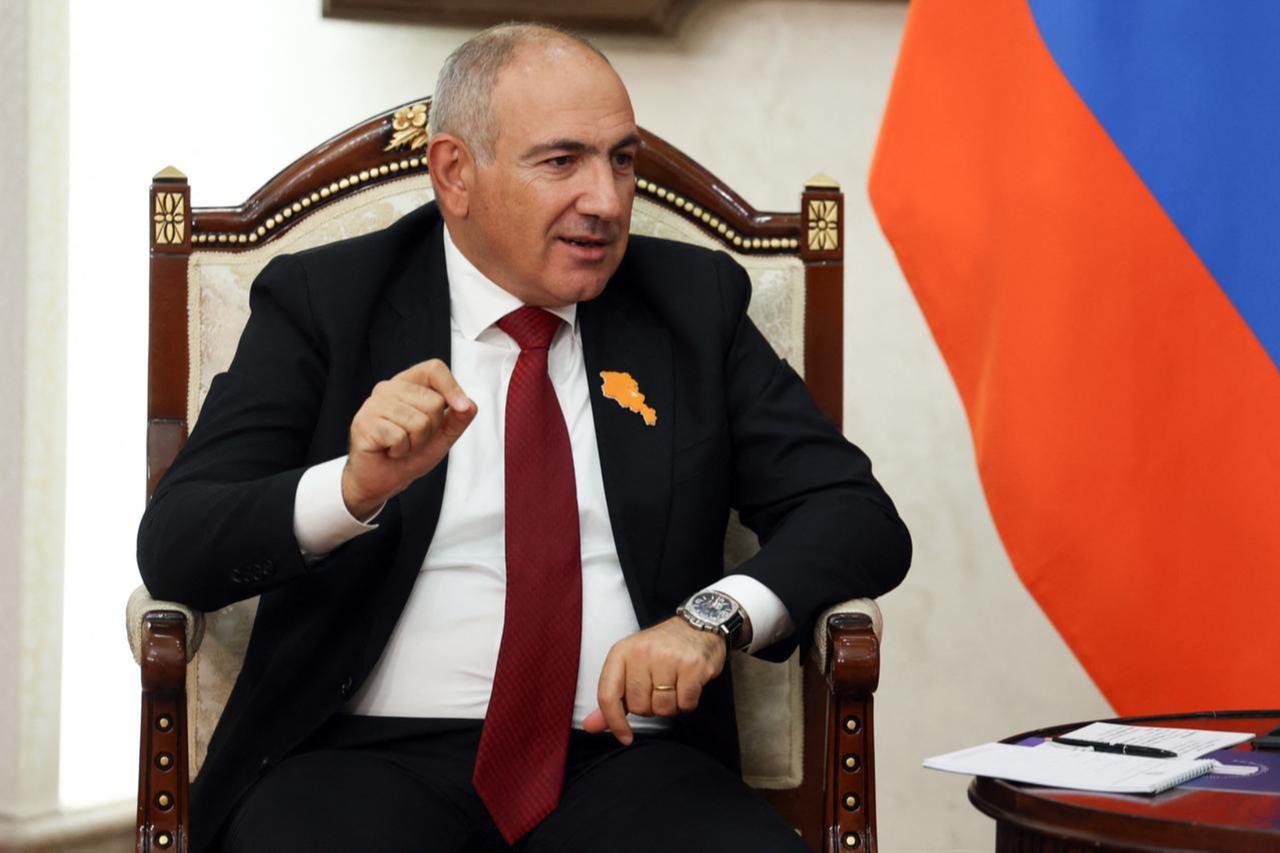


Armenian Prime Minister Nikol Pashinyan said Armenia should focus on signing and ratifying its peace agreement with Azerbaijan, describing completion of the process as a “cornerstone” for the long-term sustainability of Armenian statehood.
“In the near future, we must focus on having the peace agreement with Azerbaijan initialed, signed, and ratified,” Pashinyan said in a video shared on social media.
“When that happens, we will be able to record that we have laid the cornerstone for the perpetuity of Armenia’s statehood,” he added.
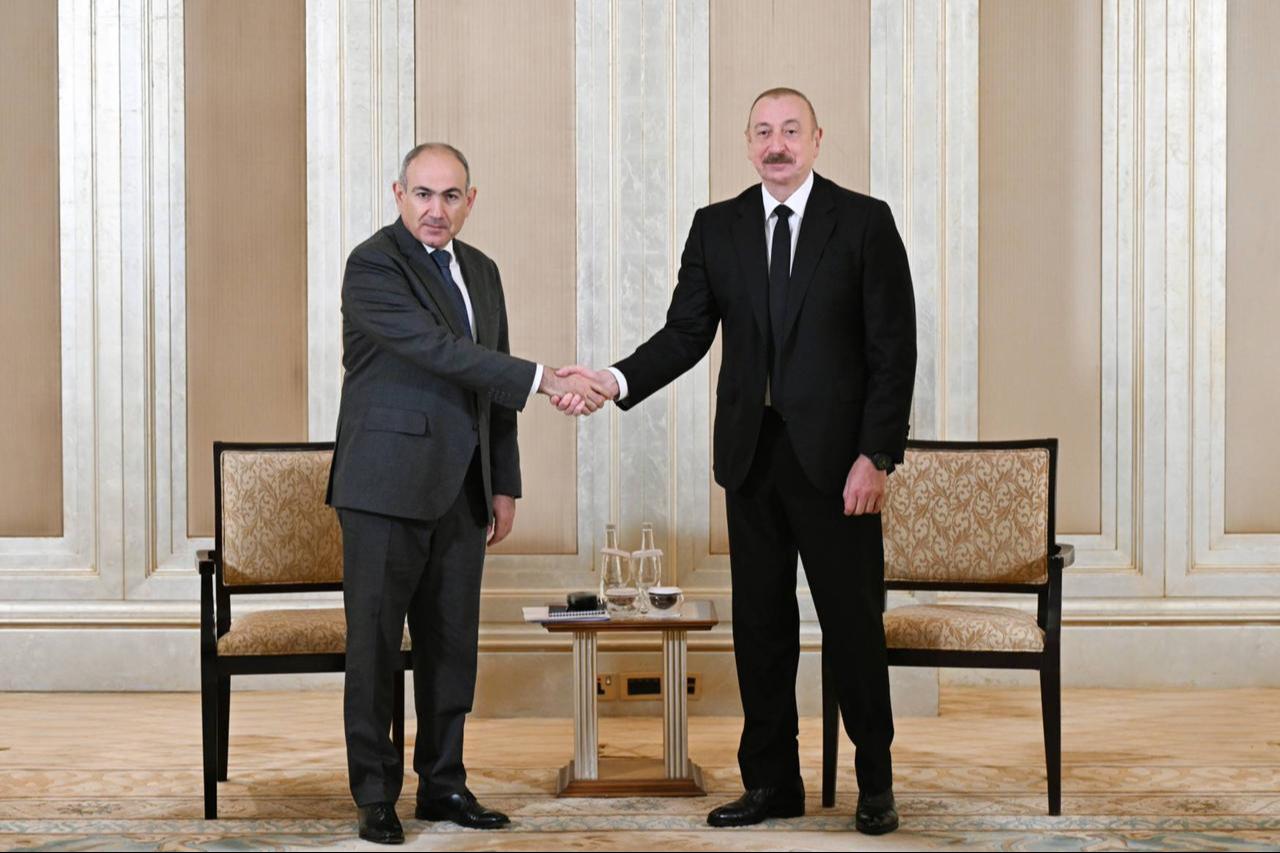

Pashinyan had previously described peace between Armenia and Azerbaijan as an accomplished fact, saying the two sides had not fired at each other over the past two years and that there had been no deaths or injuries during that period.
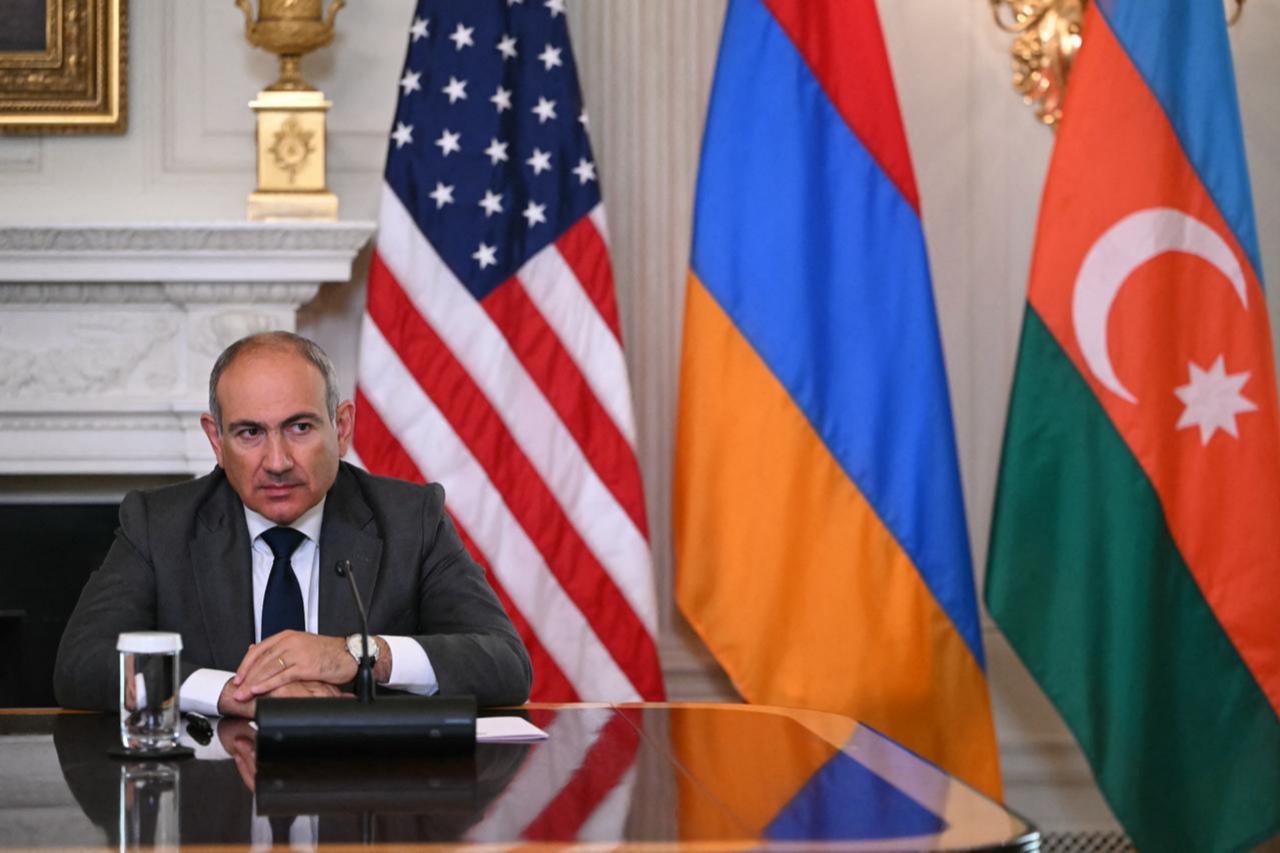
He said the draft peace agreement was initialed on Aug. 8, 2025, during a summit hosted by U.S. President Donald Trump at the White House.
Pashinyan also credited Russian President Vladimir Putin with playing an important role in establishing a ceasefire following the 2020 Second Karabakh War.
“With the support of Azerbaijani President Ilham Aliyev and our international partners, we achieved what seemed impossible,” Pashinyan said.
He said Azerbaijani railways had been open to freight bound for Armenia for about a year, bilateral trade had begun, and a 12-kilometer section of the Armenia-Azerbaijan border had been delimited and demarcated.
Pashinyan said the Trump Route for International Peace and Prosperity, or TRIPP, was expected to be implemented in the near future and would help open transport connections between Armenia and Azerbaijan.
He said the project would include links between Armenia’s northern and southern regions through Azerbaijan’s Nakhchivan Autonomous Republic and between mainland Azerbaijan and Nakhchivan through Armenian territory.
Pashinyan said TRIPP would be implemented with respect for the sovereignty, territorial integrity and jurisdiction of the states involved.
He also said the project could open new east-west and north-south logistics routes, including a railway connection between the Persian Gulf and the Black Sea through Iran, Nakhchivan, Armenia and Georgia.
According to Pashinyan, the project would provide new logistics opportunities for countries across the region, including members of the Commonwealth of Independent States.
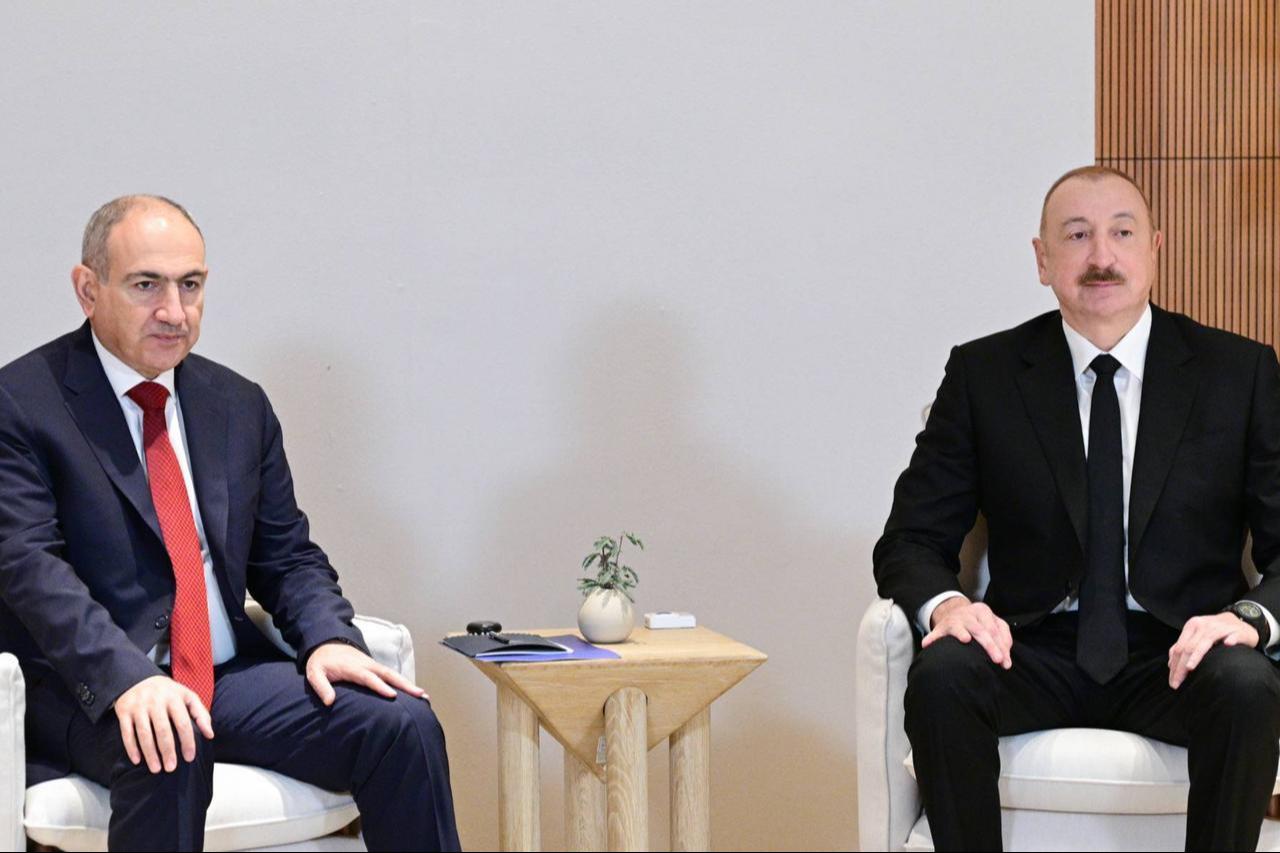
Pashinyan acknowledged that peace between Armenia and Azerbaijan was not yet perfect and that humanitarian issues remained unresolved, including the fate of missing persons, mine clearance and detainees.
He also noted an increase in negative rhetoric in both Armenia and Azerbaijan, including at the official level, but said such developments did not call into question the existence of lasting peace.
Pashinyan said a conflict lasting over three decades could not be ended instantly and required time and determination.
He said the peace achieved between the two countries should be preserved because it served both Armenian and Azerbaijani citizens, strengthened the independence of both states, and benefited future generations.
Work should therefore continue toward signing and finally ratifying the Armenia-Azerbaijan peace agreement, he said.
“We are moving along this path,” Pashinyan said. “I hope and believe that together and through cooperation we will reach our final goal.”


 Set as preferred source
 Set as preferred source


 1 min read
 1 min read