Newsletters


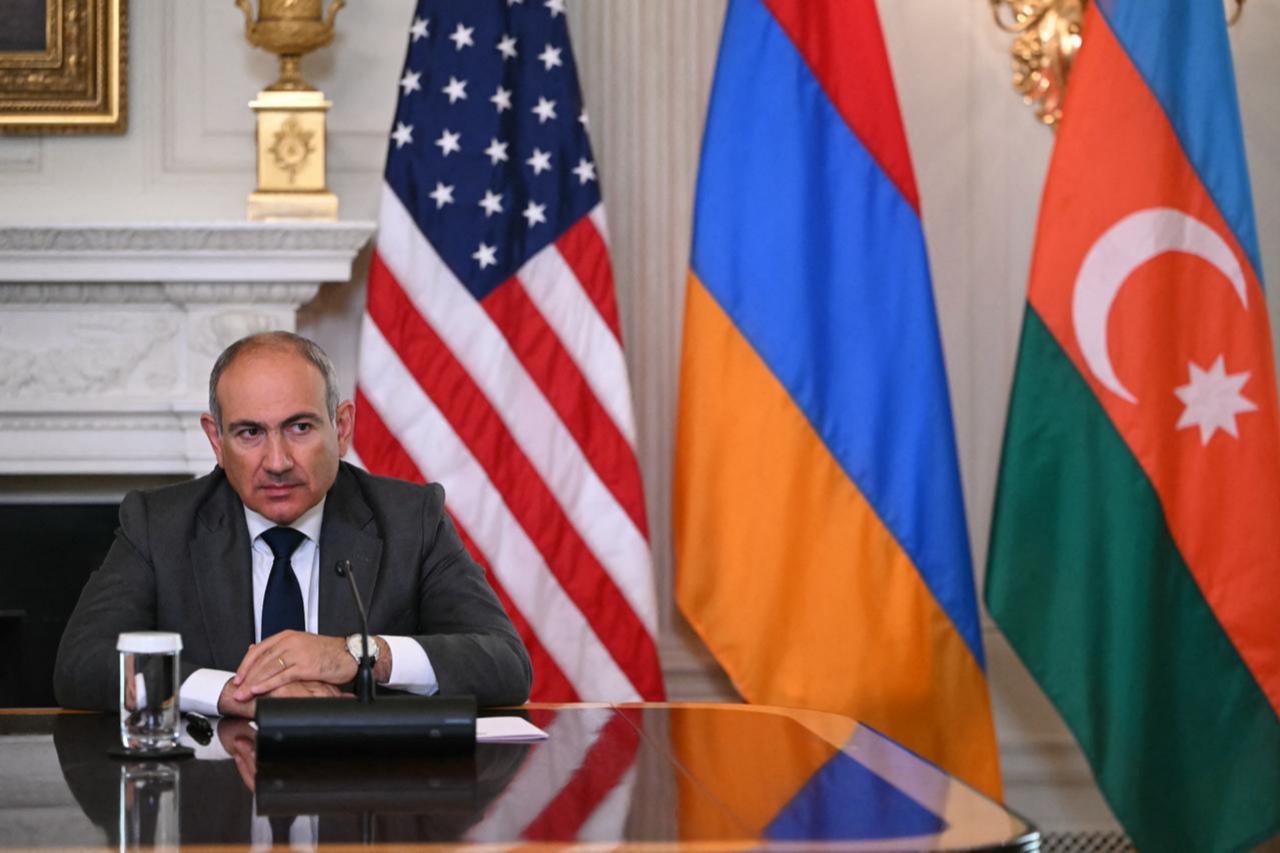


Armenia’s parliament approved the government’s 2026-2031 program on Tuesday, which sets out plans to consolidate peace with Azerbaijan, establish diplomatic relations with Türkiye and deepen ties with other regional and global partners.
The program, which was put forward by Prime Minister Nikol Pashinyan’s government after its victory in the June elections, was approved with 63 lawmakers voting in favor and 24 against. It is based on Pashinyan’s "Real Armenia" concept and the creation of what he calls the "Fourth Republic of Armenia."
The five-year plan maintains Armenia’s stated policy of pursuing a "balanced and balancing" foreign policy while placing greater emphasis on relations with neighboring countries.
With Azerbaijan, the government aims to finalize a peace agreement and complete border delimitation. Consolidating and further institutionalizing the peace established with Baku is among the program’s central objectives.
The plan also calls for establishing diplomatic relations with Türkiye and reopening the border, which has remained closed since the First Nagorno-Karabakh War.
At the same time, Yerevan plans to deepen its strategic partnerships with the European Union and the United States, including work toward EU visa liberalization and the Trump Route. It also seeks membership in the Shanghai Cooperation Organization while aiming to strengthen ties with Iran, China and India.
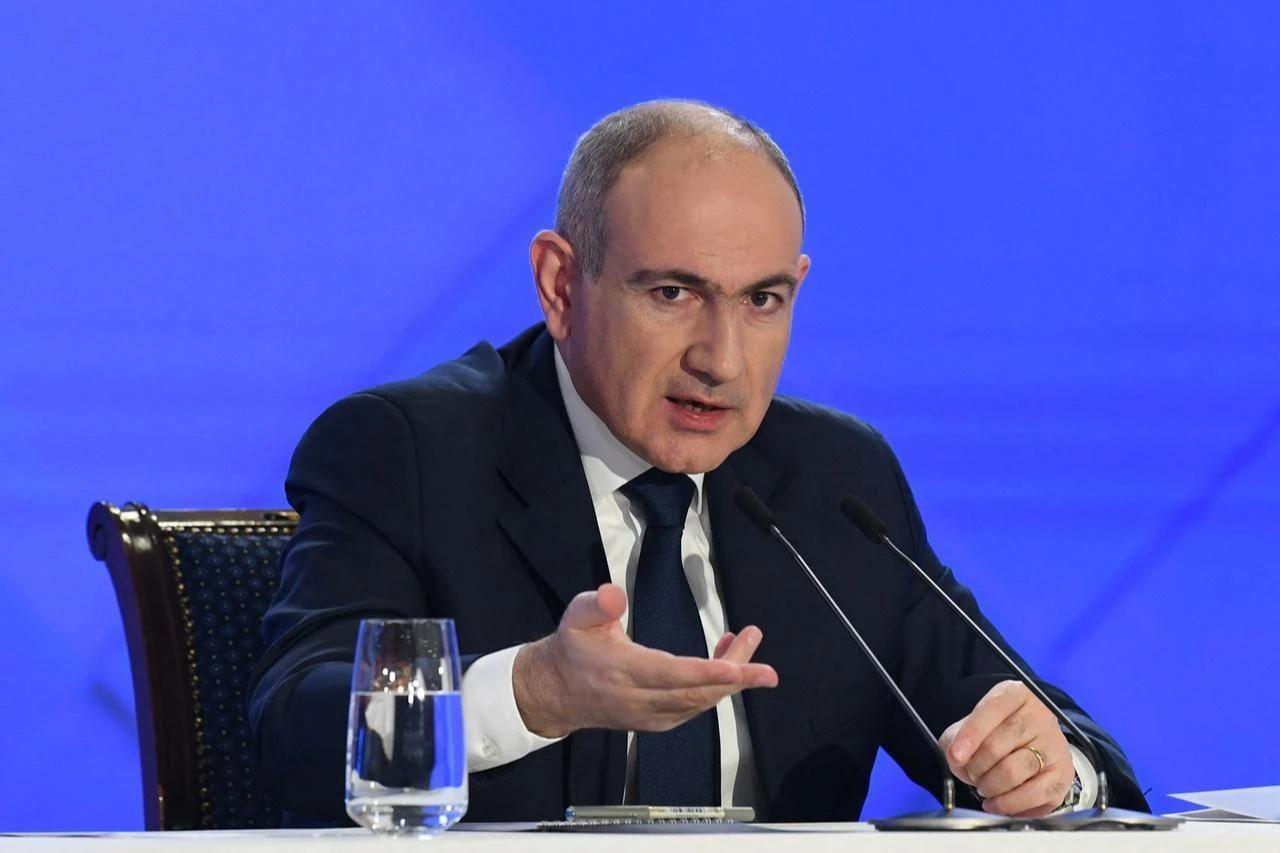

Pashinyan presented the "Real Armenia" ideology in February 2025. The concept seeks to define Armenian national identity around the country’s internationally recognized territory rather than historical and diasporic perceptions of Armenia.
The ideology centers on peace and coexistence with neighboring states and defines citizens’ prosperity as the state’s main purpose. Pashinyan argued last week that, following the June parliamentary elections, the concept had effectively become Armenia’s official state ideology.
"The Third Republic was founded from the very first day on the logic of conflict and confrontation, while the Fourth Republic was formed on the logic of peace," Pashinyan said.
He argued that the Third Republic, established after Armenia gained independence from the Soviet Union in the 1990s, was based on the idea of restoring "historical justice," which he linked to the Karabakh Movement. Pashinyan also said his decisions over the Karabakh issue had taken Armenia out of what he described as a trap.
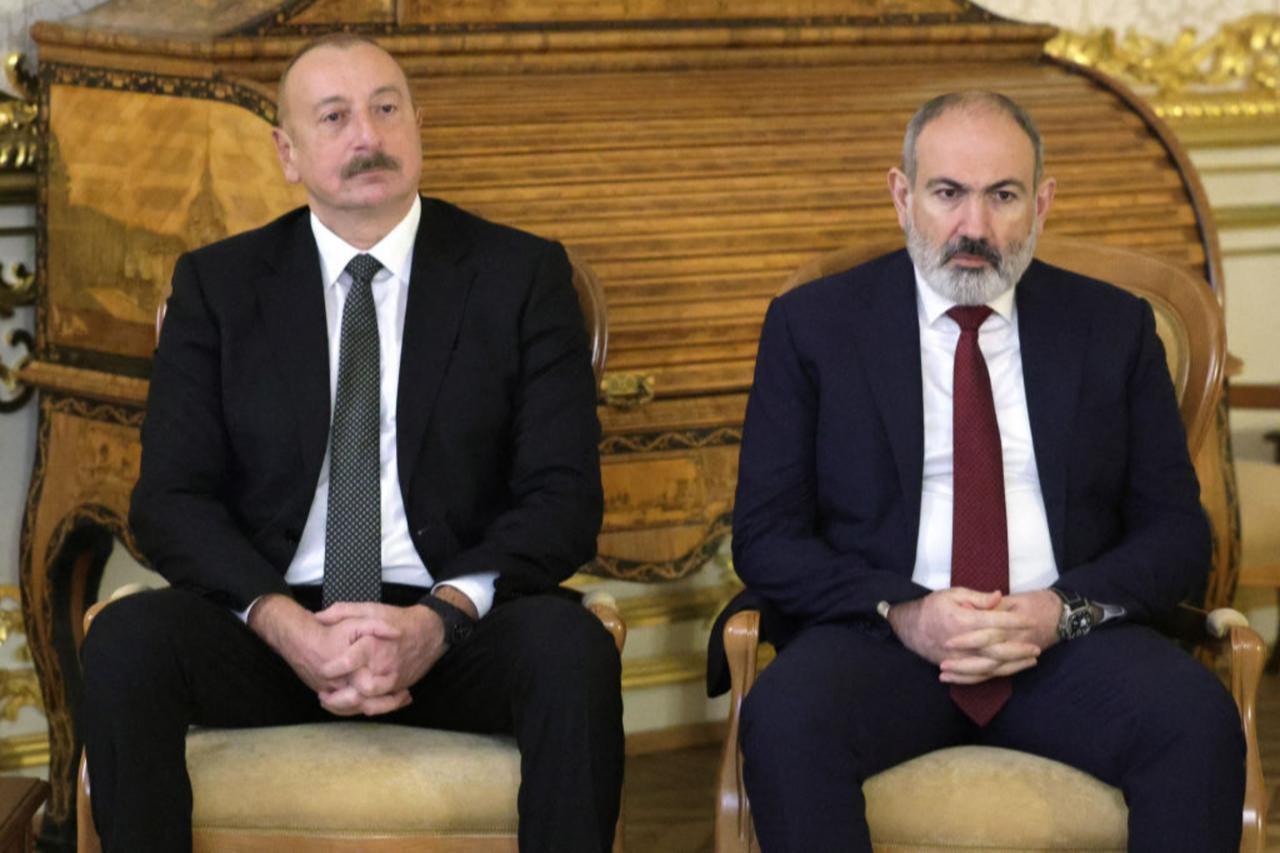
The program frames peace as Armenia’s only reliable security guarantee and calls for the continued transition toward a professional army, with improved recruitment and pay as well as digitized command systems.
On the economic front, the government targets average annual growth of 6%, 125,000 new jobs and at least a threefold expansion of the corporate bond market. It also aims to double exports of Armenian-origin goods and increase industrial output by 50% to 5 trillion drams ($14 billion).
The plan also includes building 10 new reservoirs by 2033, reconstructing 350 kilometres of canals and pipelines, irrigating 10,000 new hectares and ensuring continuous water supplies in Yerevan, Gyumri and Vanadzor.
The economic policy focuses on high-productivity, technology-based and export-oriented businesses while seeking deeper integration into global value chains. The government plans to double exports through new trade agreements with at least five countries.
The program also proposes removing Catholicos Karekin II and holding a new election for the position. Pashinyan has repeatedly accused Karekin II of holding the position illegitimately, while Karekin II has refused to resign and denies any wrongdoing.
The government also plans to introduce a Church charter covering financial transparency and clergy conduct.


 Set as preferred source
 Set as preferred source


 1 min read
 1 min read