Newsletters


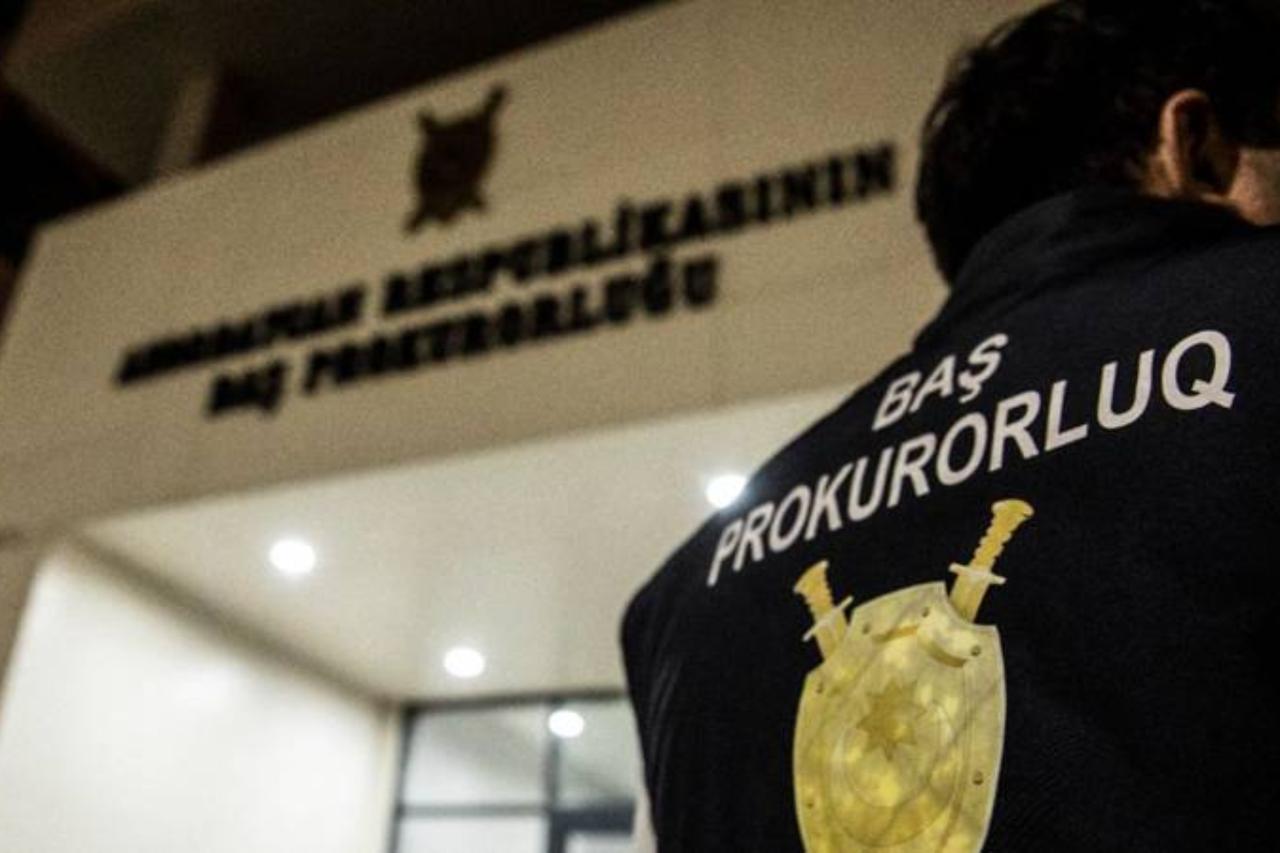


Azerbaijani prosecutors have charged seven people living in Türkiye with publicly urging the violent seizure of power in Azerbaijan and inciting religious hatred, and a Baku court has ordered their arrest in absentia, placing them on an international wanted list, the Prosecutor General’s Office said Monday.
The office told the APA news agency that the Binagadi District Court of Baku approved the arrest orders after motions from investigators and submissions from the prosecutor overseeing the case. The seven were formally charged Monday.
The statement does not say whether any of them have commented on the allegations or have legal representation.
The Prosecutor General opened the criminal case on Oct. 16 under three articles of the Azerbaijani Criminal Code and assigned it to the office’s Investigation Department.
The first charge, Article 281.2, covers repeated public calls for the violent seizure of power and the forcible change of the constitutional order.
The second, Article 283.2.1, concerns inciting religious hatred and hostility through violence motivated by religious radicalism and fanaticism.
The third, Article 167-3.1, deals with preparing, storing and distributing materials that call for religious extremist activity or justify it.
Prosecutors named the following people, all described as residing and operating in Türkiye:
According to the statement, the suspects made statements between Sept. 25 and Oct. 18 on X, Facebook, Instagram, YouTube and TikTok, as well as other websites.
Investigators say the posts and speeches urged the violent seizure of power, the forcible change of the constitutional order and violence driven by religious hatred. The suspects are also accused of spreading photographs, videos and similar material to large online audiences.
Prosecutors said the content went beyond protected speech. The materials, they said, were “not limited to” expressing religious views or criticizing state authorities, and contained signs of calls for violence and the unlawful alteration of the constitutional order.
Investigators said they weighed the content, context, audience and distribution methods in reaching that assessment.
Two in-person appearances are also cited.
Prosecutors allege Kaya made calls for the violent seizure of power and delivered speeches containing religious radicalism at a protest outside the Azerbaijani Consulate General in Istanbul on Oct. 3.
They say Kaya and Ceran made similar calls at a protest outside the Azerbaijani Embassy in Ankara on Oct. 13.
 1 min read
Investigators say they are working to establish the authorship of the materials, collect and verify electronic evidence and examine the content of the alleged calls and how they spread.
The Prosecutor General’s Office said it is using international legal assistance mechanisms and cooperating with the relevant authorities in Türkiye and other partner countries.
The office stressed that Azerbaijan’s constitution guarantees freedom of conscience, religion, thought and expression, along with the right to voice political positions by lawful means.
But it said those rights do not provide legal grounds for public calls to seize power by force, change the constitutional order, incite religious hatred or engage in religious extremist activity.
Such acts, it said, carry legal liability whatever a person’s citizenship, country of residence, public status or platform, and appropriate procedural measures will be taken.
An arrest in absentia is a procedural step that allows authorities to seek a person’s detention while they are outside the country. It does not amount to a conviction.


 Set as preferred source
 Set as preferred source


 1 min read