Newsletters


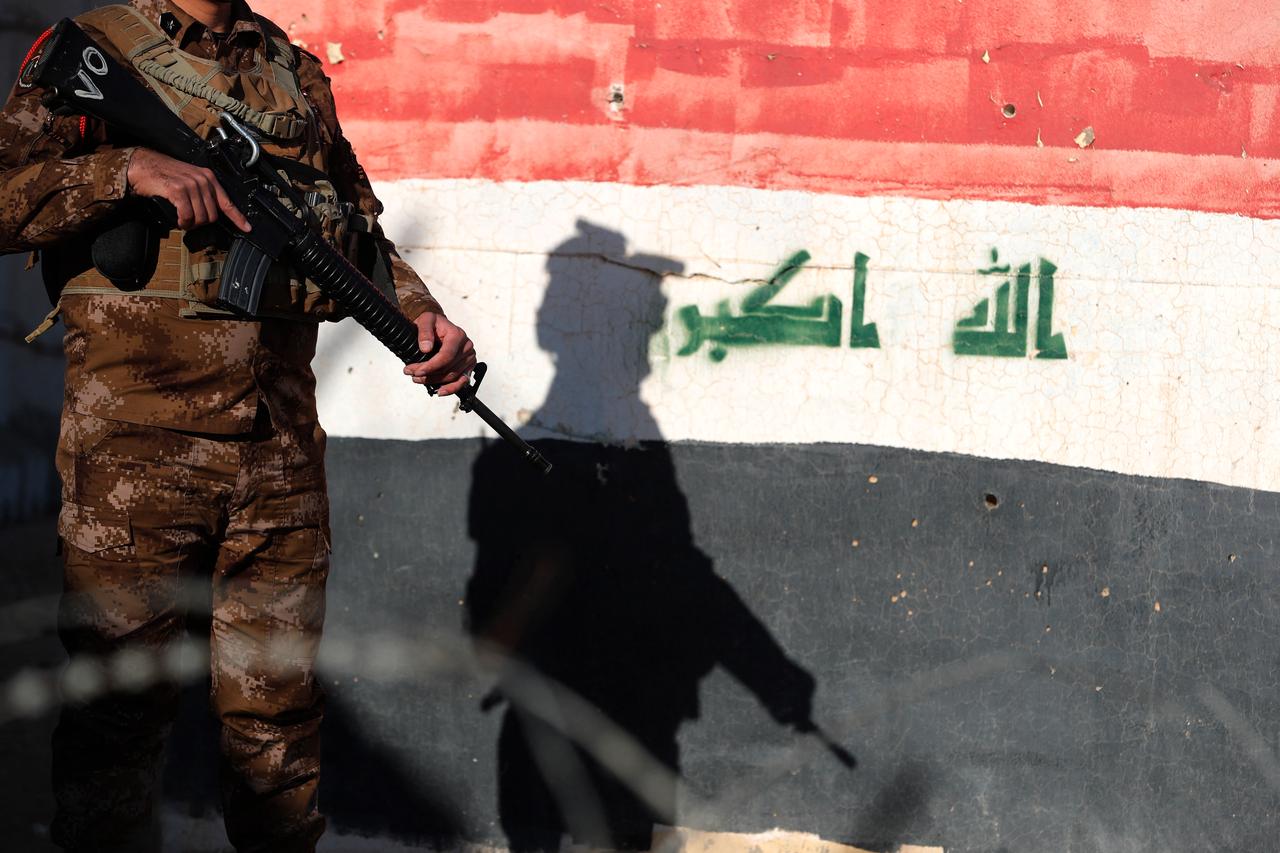


The U.S. Treasury has formally asked Iraq to close all but two of its border crossings with Iran as Washington tightens economic pressure on Tehran, Iraqi Foreign Minister Fuad Hussein said, warning the move would also harm Iraq's economy.
"Closing the border crossings could be a punishment for Iran, but it would also hurt Iraq," Hussein told Al Jazeera in an interview aired Sunday.
"Trade would stop, movement would stop, and that would affect us economically," he said, adding, "The Americans are still asking for the crossings to be closed, and we are in talks with them."
Washington proposed keeping one crossing open in Iraq’s Kurdish Regional Government (KRG) and another elsewhere in the country, though the two have yet to be identified, Hussein said. It remains unclear whether the restrictions would apply to visitors, commercial traffic or all movement.
Iraq shares its longest border with Iran, with official and unofficial crossings stretching from the KRG in the north to Basra in the south. Bilateral trade is worth $15 billion to $18 billion a year, including about $4 billion for gas imports, he said, adding that Baghdad is in continuous dialogue with Washington to avoid economic damage.
The request came as U.S. Central Command launched Task Force Iron Gate to disrupt Iran’s land routes.
"Task Force Iron Gate is in full force and effect in the Islamic Republic of Iran. Coupled with history’s greatest Naval Blockade, very little gets into, or out of, Iran!" U.S. President Donald Trump wrote on Truth Social.
"The United States will never be able to impose the economic blockade it is pursuing and proposing under various names and through different plans," IRGC spokesman Hossein Mohebi said, according to Fars, adding that Washington would be "powerless to block" Iran’s links with its neighbors.
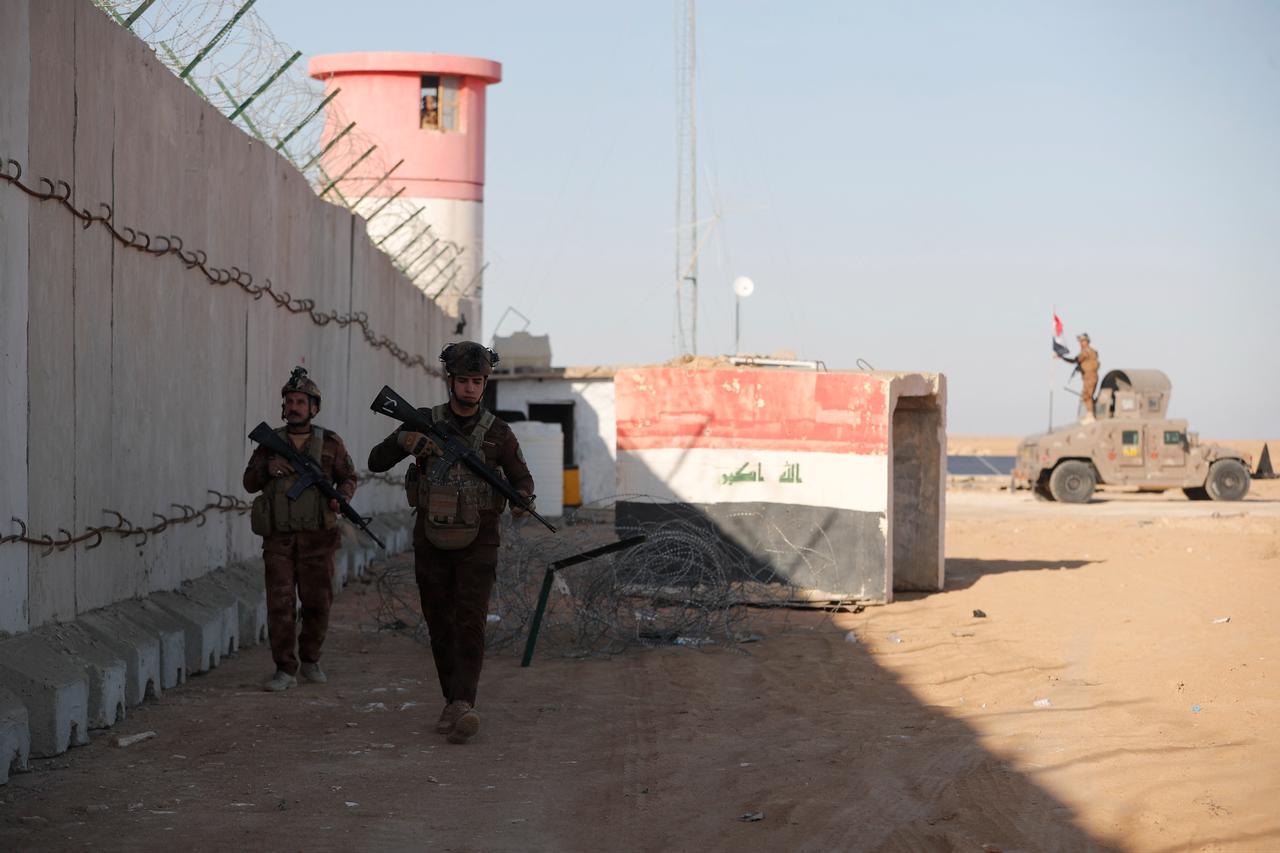

Hussein estimated Iraq lost about $60 billion when it could not export oil through the Strait of Hormuz for roughly four months at the start of the war, as shipping and insurance firms avoided Basra. Exports fell from 3.3 million to 3.4 million barrels a day to zero at times, before partial solutions via tankers and the Turkish pipeline, and later resumed through the waterway near Oman under understandings with Washington and Tehran.
Iraq has begun talks on oil pipelines through Jordan and Syria and is pursuing electricity interconnections with Gulf states via Kuwait, as well as with Jordan and Türkiye, to reduce reliance on imported gas, he said.
Prime Minister Ali al-Zaidi's visit to Türkiye produced understandings under which Turkish companies or the Turkish government will manage water projects in Iraq to counter drought, in exchange for continued oil exports via the Iraq-Türkiye pipeline, Hussein said.
Flows through the pipeline have risen from 20,000-30,000 barrels a day to 260,000.
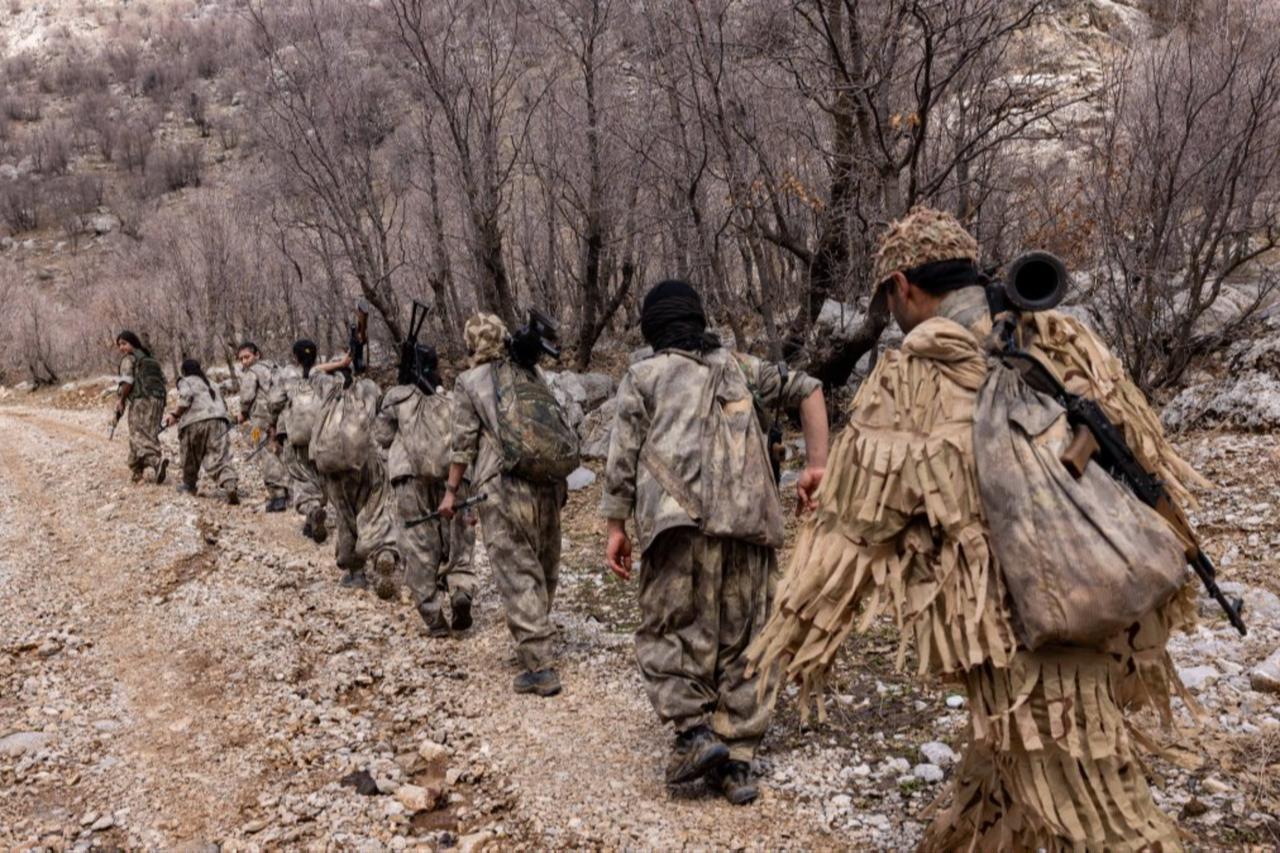
Hussein described the PKK issue as originally an internal Turkish matter and said Baghdad supports Ankara’s political initiative and its referral to parliament of a law granting amnesty to militants.
He said he hoped it would lead to disarmament and the withdrawal of terrorists from Iraqi territory to reintegrate into Turkish society.
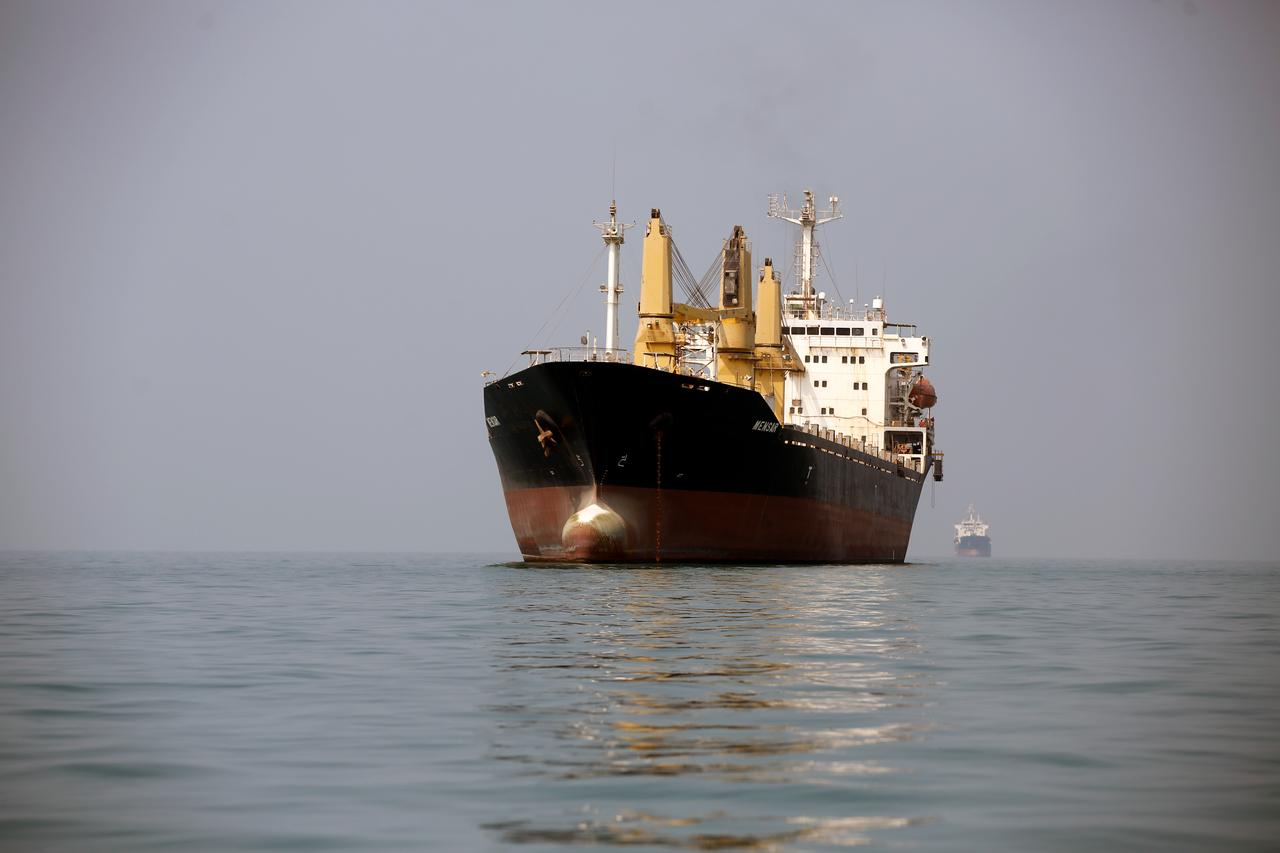
Zaidi has reached understandings with four armed factions, including Asaib Ahl al-Haq and Kataib Sayyid al-Shuhada, to integrate their weapons and fighters into the armed forces or the Popular Mobilization Forces (PMF), while talks continue with Kataib Hezbollah and al-Nujaba, Hussein said.
"We hope to bring weapons under state control through dialogue and negotiations," he said.
He warned military operations could resume in the region and said Baghdad rejects the use of Iraqi territory to attack neighbors.
Iraq and Iran are jointly investigating an attack on Saudi Arabia launched from inside Iraq near the Iranian border, he said, dismissing reports of faction buildups toward Kuwait as "fake news."
Hussein attributed slow investment in Baghdad, compared with the KRG, to public-sector dominance and laws inherited from the former Revolutionary Command Council. He highlighted Iraq’s chairmanship of the Organization of Islamic Cooperation (OIC) and the five rounds of Saudi-Iranian talks Baghdad hosted.
Relations with Damascus are "good and excellent," Hussein said, denying reports of military buildups on the border and saying measures there target Daesh and drug smuggling networks.
Iraq holds about 168 to 180 Syrian convicts from al-Qaida and Daesh and has received about 6,000 Daesh detainees transferred from prisons in Syria’s al-Hasakah area, roughly 3,400 to 3,500 of them Syrians, he said.
An explosive-laden drone hit the Emirati-owned Khor Mor gas field in the Iraq's Kurdish Regional Government region at 11:00 p.m. Sunday, halting gas supply to power plants, Kurdish authorities and a security source told Agence France-Presse (AFP).
"The Khor Mor gas field came under a terrorist attack," authorities said. Electricity authority spokesperson Omed Ahmed said the supply was halted.
There was no claim of responsibility.
The Dana Gas-owned complex has been hit several times in recent years, attacks that local authorities have previously blamed on Iran-backed Iraqi armed groups, as U.S. pressure on Iraq over its Iran border grows.


 Set as preferred source
 Set as preferred source


 1 min read
 1 min read