Newsletters


Azerbaijan has outlined its priorities for 2026 in the normalization process with Armenia, following what officials described as a productive year for reconciliation between the two longtime rivals.
Foreign Minister Ceyhun Bayramov presented Baku’s expectations for the coming year during a year-end press conference organized by the Azerbaijani Foreign Ministry, reviewing political, economic and security-related developments in relations with Armenia.
Bayramov said 2025 marked a successful year in the Azerbaijan-Armenia normalization process.
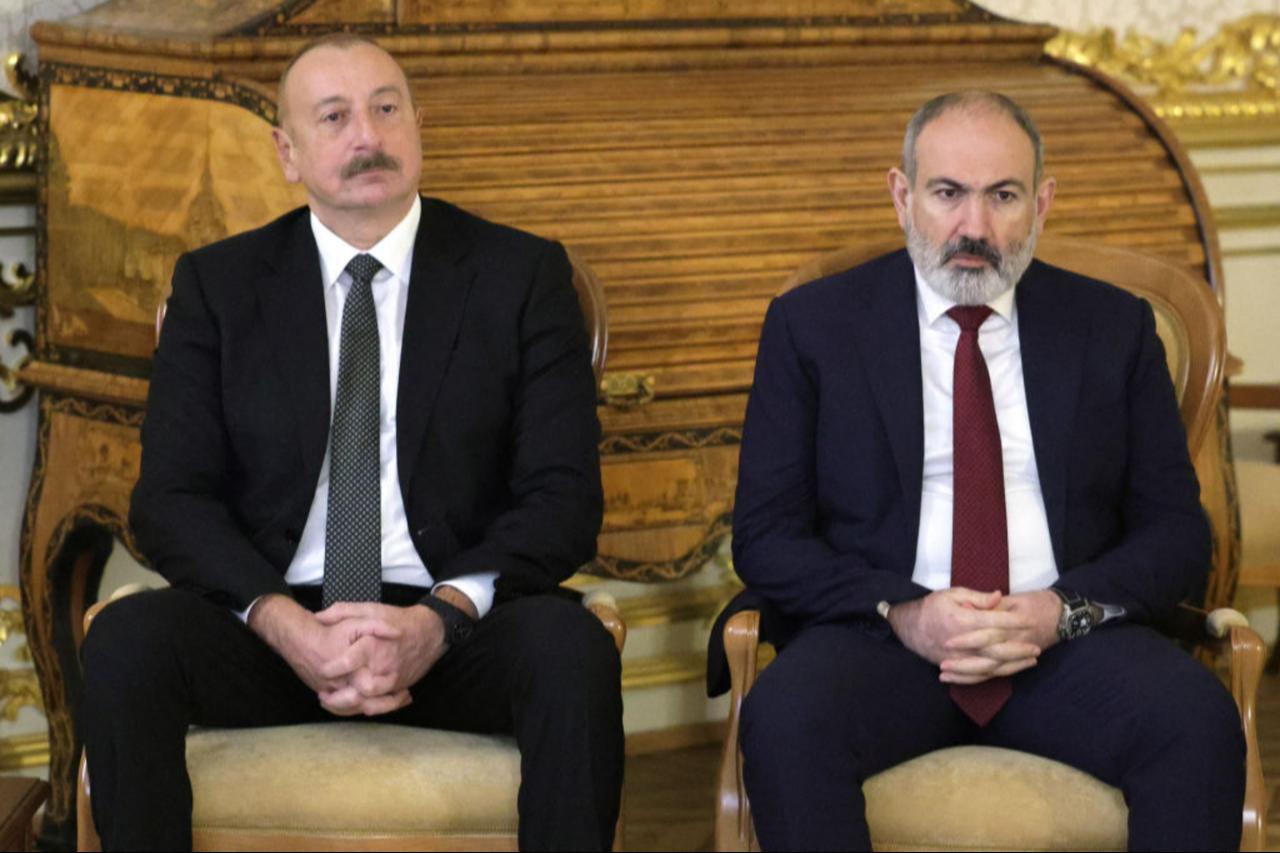
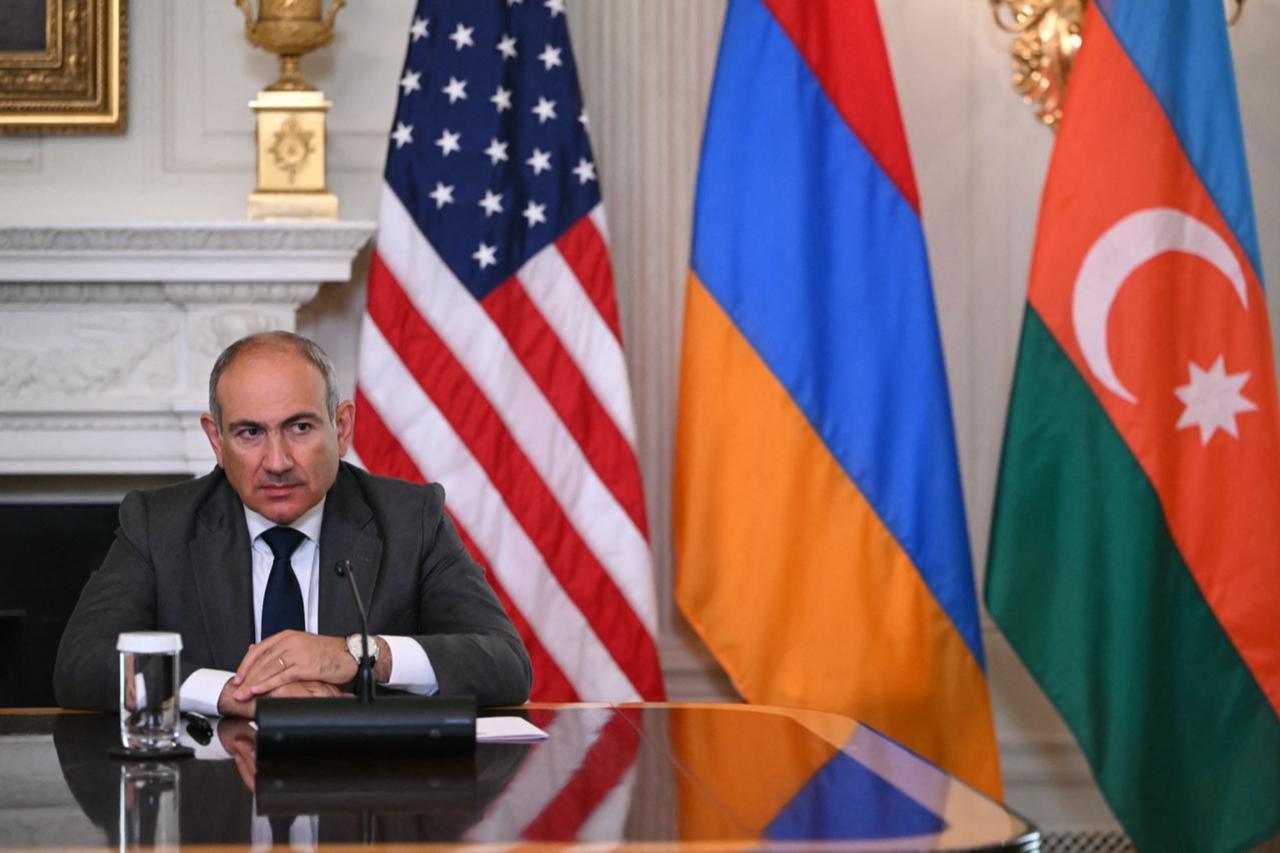
On Aug. 8, the leaders of both countries met at the White House, where they signed key documents and reaffirmed their commitment to ending decades of conflict and advancing toward full normalization.
He said this political momentum is expected to continue in 2026, with dialogue expanding across multiple areas.

One of the most notable developments, Bayramov said, was the start of fuel exports from Azerbaijan to Armenia via Georgia, marking the first such shipment in decades.
“We are creating something from scratch,” Bayramov told journalists, noting that Armenia had formally applied for access to Azerbaijani petroleum products and Baku accepted the request.
He said the first train carrying Azerbaijani-produced fuel crossed Georgia and reached Armenia, despite initial difficulties related to transit fees.
Bayramov explained that Georgia initially proposed high transit taxes that did not align with existing practices, but Georgian authorities intervened and the issue was resolved.
Georgia confirmed no fee was charged for the first transit, while terms for future shipments have yet to be announced.
Bayramov added that although some opposition voices emerged in Armenia after Azerbaijani fuel entered the country, these reactions remained marginal.
He said Azerbaijan believes trade could expand beyond fuel to other sectors.
Bayramov also addressed the planned railway connection between Azerbaijan’s western regions and the Nakhchivan Autonomous Republic.
Although an agreement was reached in 2020, implementation stalled due to the second Karabakh war.
Azerbaijan is currently completing its part of the infrastructure, while Armenia must develop railway facilities on its own territory.
Bayramov said Armenia is holding bilateral talks with the United States to establish the legal, regulatory and institutional framework for the project.
He said Azerbaijan’s railways are expected to reach the Armenian border in 2026.
Beyond trade and infrastructure, Bayramov said progress has also been made through expert-level visits between the two sides, with hopes that such contacts will expand in the coming year.
He noted that border delimitation remains a key component of long-term peace and security.
About 12 kilometers of the Azerbaijan-Armenia border have already been demarcated, with related regulations approved.
According to Bayramov, all parties agreed that the delimitation process will proceed from north to south, starting at the Azerbaijan-Armenia-Georgia tri-border point and ending at the Azerbaijan-Armenia-Iran border.
He said the process will be carried out in stages and will also address enclave and exclave issues as part of the overall framework.
Bayramov said Azerbaijan expects these processes to continue steadily in 2026 as part of broader normalization efforts.


 Set as preferred source
 Set as preferred source


 1 min read

 1 min read