Newsletters





The far-right National Security Minister Itamar Ben Gvir’s Otzma Yehudit party is advancing a new legislative initiative targeting the Muslim call to prayer in mosques, describing it as a “dramatic change in enforcement mechanisms” and in legal action related to what it terms “noise emanating from mosques.”
The initiative came from MK Tzvika Fogel, who chairs the Knesset’s National Security Committee.
He initiated a bill “to prevent unreasonable noise from the muezzin,” backed by the policy of National Security Minister Itamar Ben Gvir.
Under the proposal, no public-address system would be installed or operated in a mosque without a permit.
Fogel introduced the proposed legislation with the stated aim of limiting what it defines as “unreasonable” noise from mosque loudspeakers, in line with Ben Gvir’s policy.
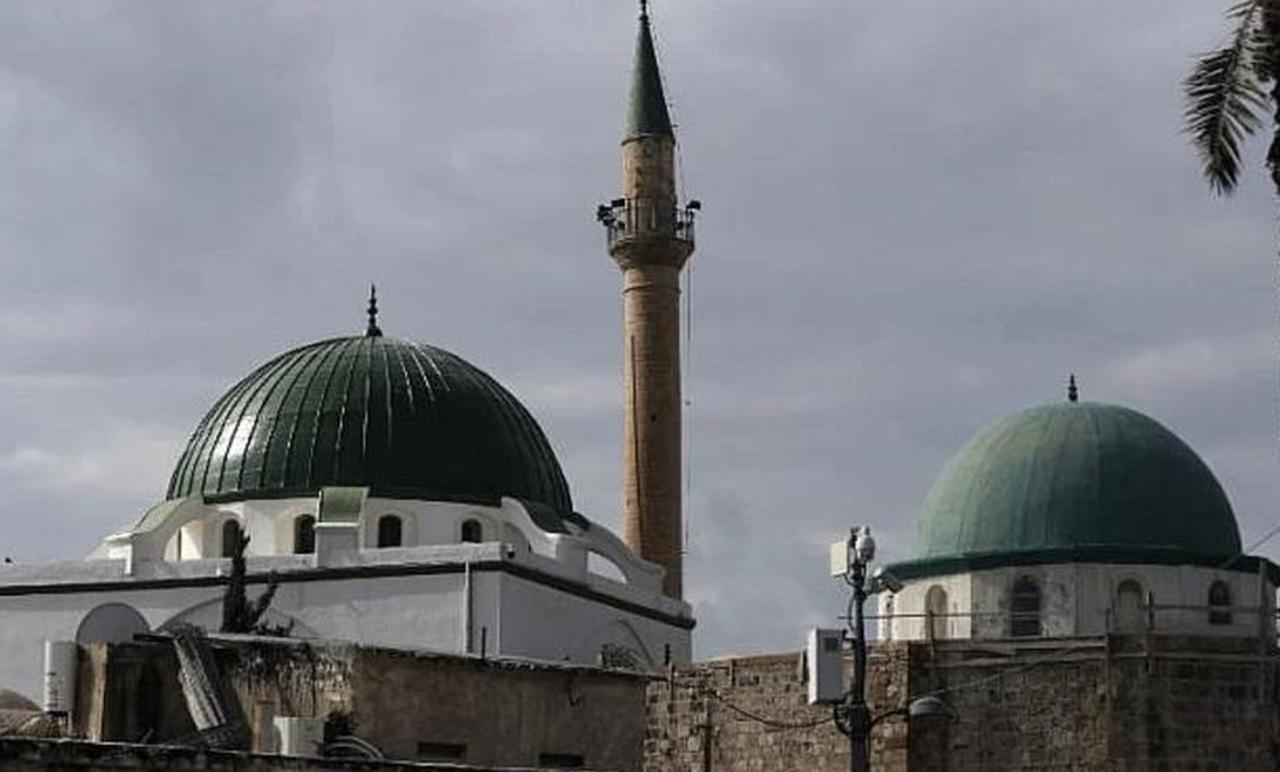

According to the bill, a mosque would be barred from establishing or operating an amplified call system without authorization.
The granting of a permit would be assessed based on the volume of the sound, measures taken to reduce it, the mosque’s location, its proximity to residential areas, and the impact on local residents.
In cases of violations, a police officer would be empowered to demand an immediate halt. If the violation continues, the officer could seize the loudspeaker system.
The bill also sets what it describes as deterrent fines. Installing or operating a system without a permit would carry a 50,000-shekel fine (about $15,700), while operating in breach of permit conditions would result in a 10,000-shekel fine (about $3,140). The fines would be transferred to a forfeiture fund.
In the explanatory notes, the bill states that “noise is defined as an unwanted sound or as a loud, unpleasant, unexpected, and undesired sound. From a medical and scientific perspective, noise is a hazard in every respect.”
It further claims that “according to a model that assessed the effects of noise hazards, about 400 Israelis die prematurely each year from indirect damage caused by noise nuisances.”
The text adds that, in Israel, as in many countries worldwide, one of the “most severe” noise hazards is the operation of mosque public-address systems throughout the day.
“For decades, the public has been exposed to intolerable noise that harms health and daily life, yet the phenomenon continues,” it says.
The explanatory notes also argue that, following the Oct. 7 massacre, “to identify with Hamas and harm the quality of life of Israeli citizens,” the volume of the loudspeakers, “already high in routine times,” rose significantly.
It adds that in many Muslim countries, such as Egypt and Saudi Arabia, there are clear limits on noise levels and that some countries “almost entirely” prohibit the use of public-address systems in mosques.
Ben Gvir instructed police in December 2024 to confiscate mosque loudspeakers and issue fines under existing law and said he would pursue legislation to raise penalties.
The current initiative seeks to shift from a police directive to a bill that would require permits before loudspeaker systems can be installed or operated. It would also codify specific fines and tie enforcement powers to permit violations.


 Set as preferred source
 Set as preferred source



 1 min read