Newsletters


Truck drivers from several Balkan countries staged coordinated protests at border crossings on Wednesday, voicing opposition to the European Union’s new Entry-Exit System (EES) rules applied to the Schengen Area.
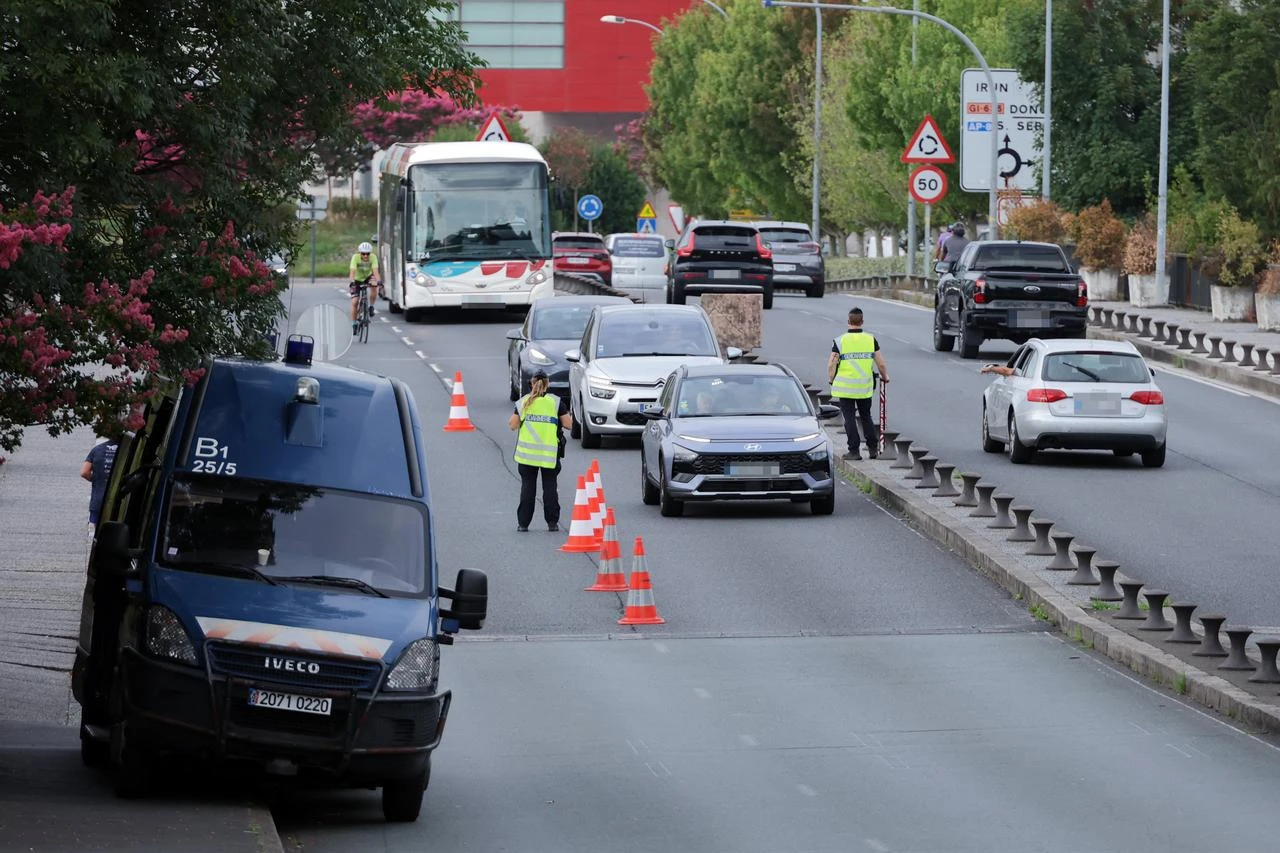
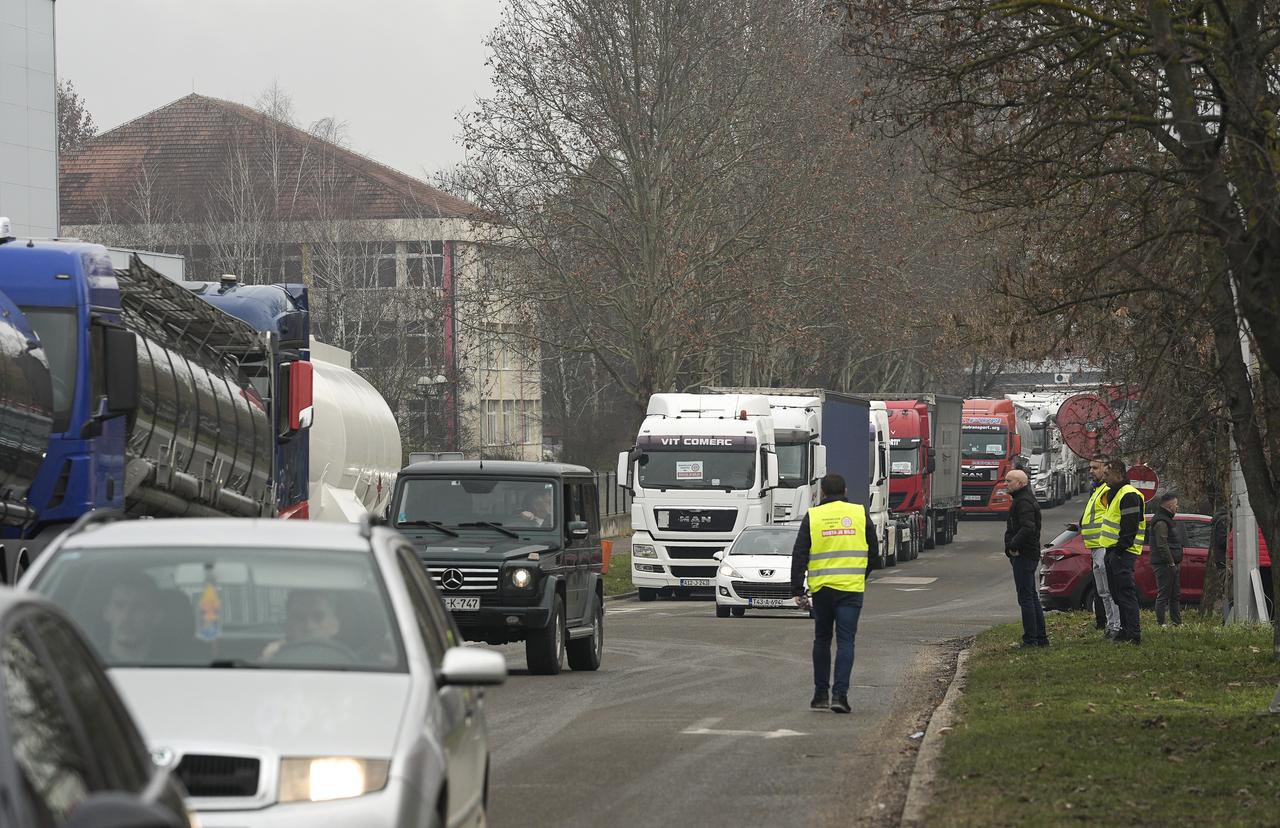
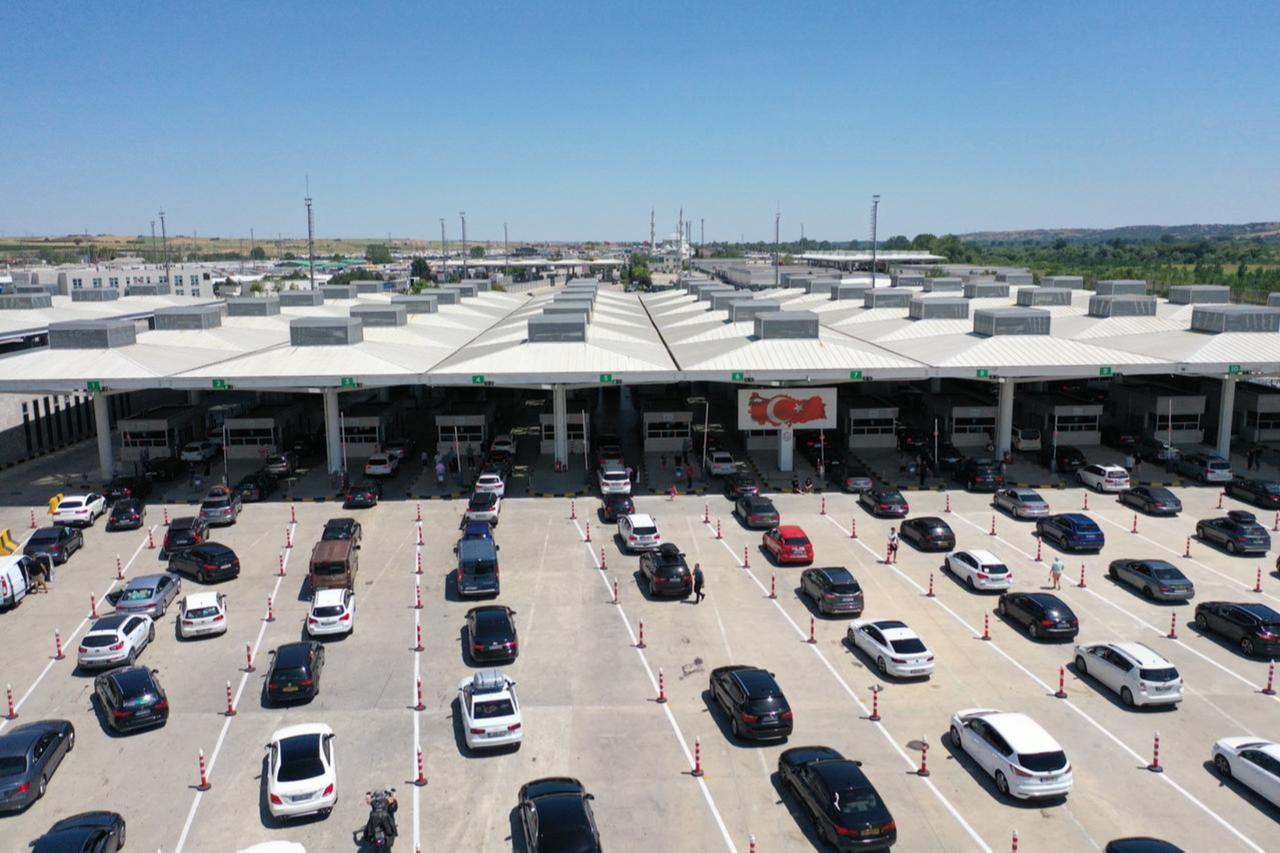
At border crossings between Croatia and Bosnia and Herzegovina, drivers parked their vehicles and halted freight traffic, while police worked to manage congestion. Hundreds of truck and lorry drivers switched off their engines at crossings linking Croatia with Bosnia and Herzegovina as authorities sought to regulate vehicle flow.
Similar protests took place at border crossings in Bosnia and Herzegovina, Serbia, Montenegro and North Macedonia, where drivers said they were dissatisfied with the EU’s electronic EES, which was recently put into effect.
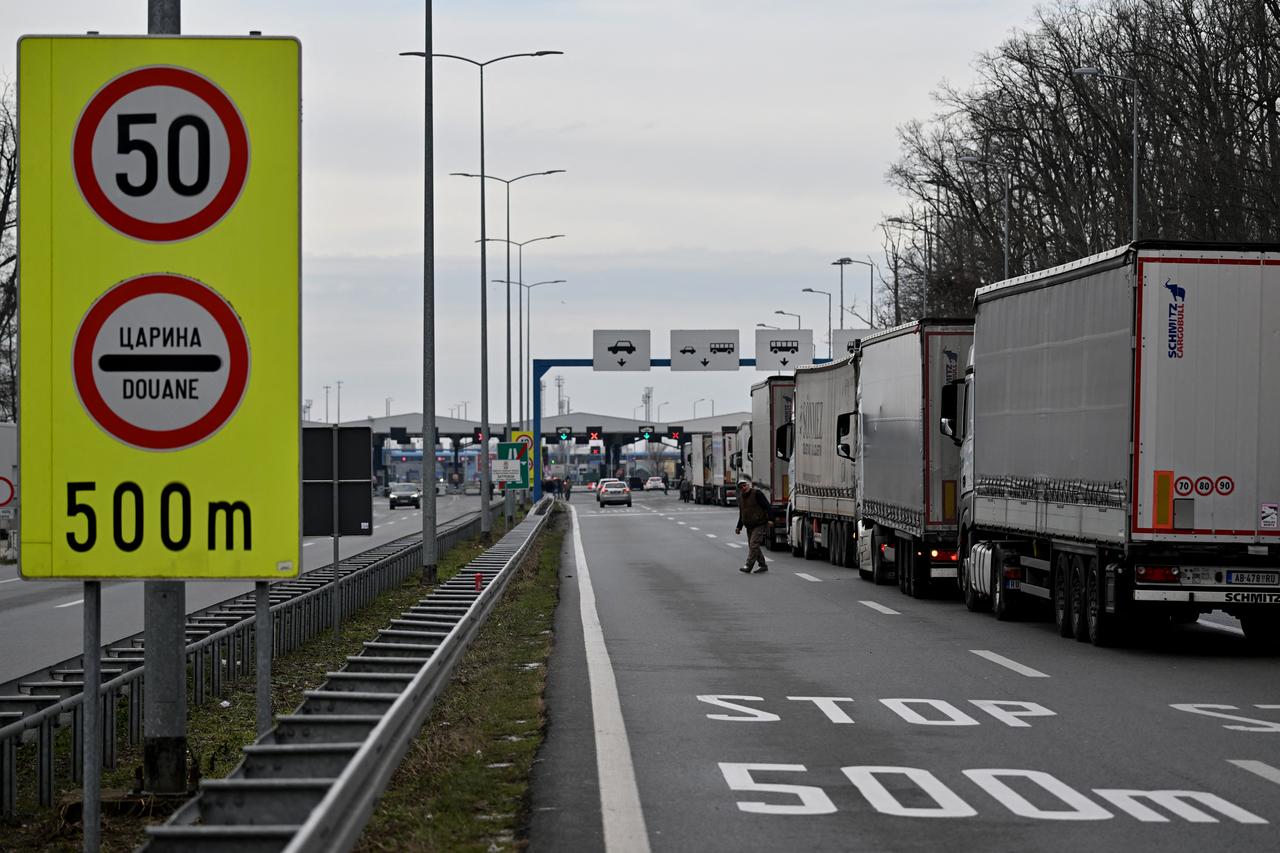

The Bosnia and Herzegovina Logistics Companies Association said in a written statement that the EES framework shortens the permitted stay for professional drivers in the Schengen Area, creating serious operational challenges for transport companies.
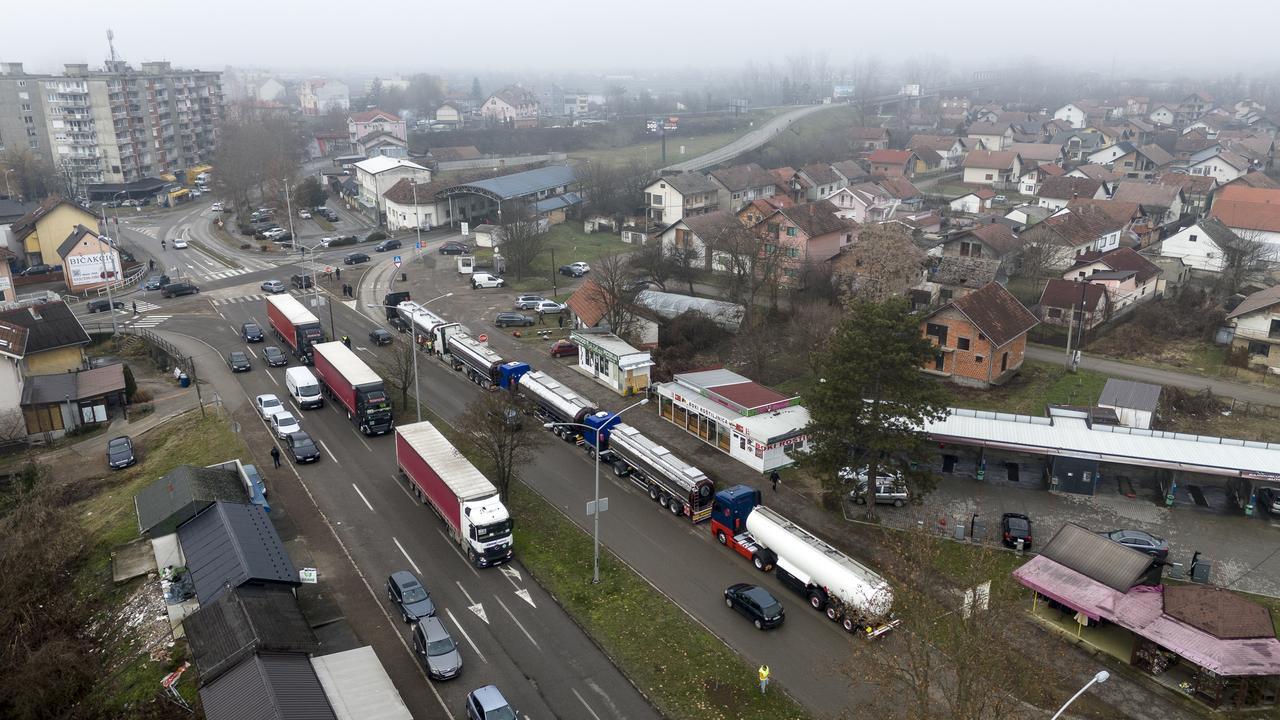
Hundreds of truck drivers continued blocking freight border crossings across the region for a third consecutive day Wednesday, protesting EU rules that limit the time drivers can remain in the bloc.
Dozens of goods checkpoints in Bosnia, Montenegro and North Macedonia were blocked as part of a coordinated action by trucking unions. In Serbia, drivers shut both Schengen entry and exit points, with long lines of trucks reported near crossings.
At Bajakovo, Croatia’s main border crossing with Serbia, a queue of about 2 kilometers (1.2 miles) of trucks was waiting to leave the Schengen Area on Wednesday morning, border police told Agence France-Presse (AFP).
“Western Balkan economies are losing around €100 million ($119 million) a day in goods exports,” said Marko Cadez, president of the Serbian Chamber of Commerce, late Tuesday. He blamed EU bureaucracy and what he described as an inadequate response.
One of the protest organizers, Nedjo Mandic of the Association of Transport Operators of Serbia, told AFP that organizers “do not want drivers standing idle” but said they had “no moral right to force them to go somewhere where they could be arrested.”
According to the Serbian Chamber of Commerce, nine Serbian drivers were detained in Germany over the past week for breaching the rule limiting stays in the EU to 90 days within a 180-day period.
Since October, the EU has begun rolling out its long-delayed Entry/Exit System at borders across the 27-nation bloc, aiming to end passport stamping and digitize the registration of non-EU visitors.
While the 90-day limit on stays in the EU is not new, the electronic system enables stricter and more systematic enforcement for non-EU citizens, including professional drivers.
Mandic said the condition for ending the blockades is the start of talks and at least “a guarantee that there will be no arrests.” He added that, so far, “there is no special news from Brussels.”
A spokesperson for the European Commission told AFP on Monday that the commission was “aware of concerns raised by Western Balkan transport operators” and was “following the situation closely.”
According to EU data, the bloc is the Western Balkans’ largest trade partner, accounting for more than 60% of the region’s total trade, most of it transported by road. Trade in goods between the EU and the Western Balkans exceeded €83 billion ($98 billion) in 2024.


 Set as preferred source
 Set as preferred source


 1 min read

 1 min read