Newsletters


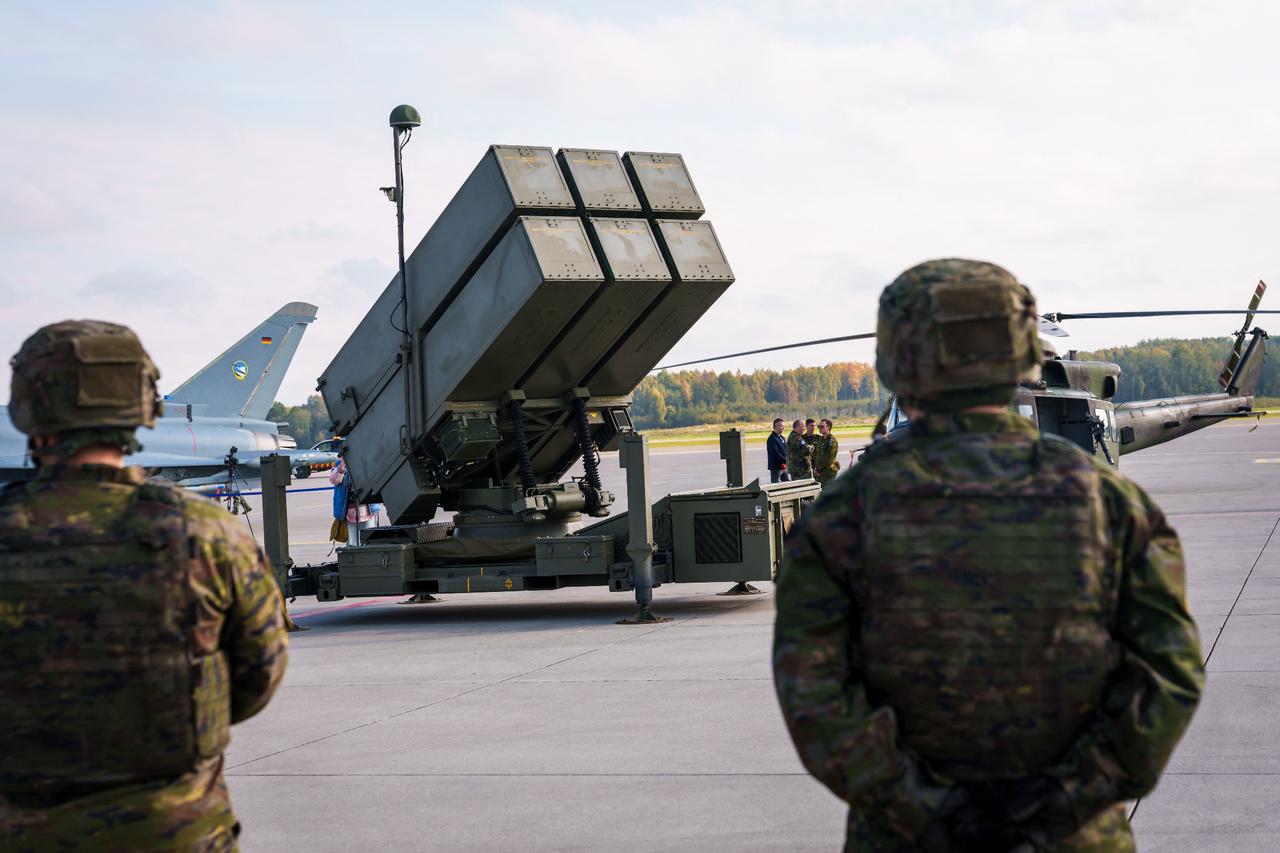


Lithuania, Latvia and Estonia are intensifying military and civilian preparations for a possible Russian attack as uncertainty grows over future U.S. support for NATO, according to an exclusive report by The Atlantic.
The report described military exercises, rising defense spending and broader preparations across the Baltic states, where governments and communities are planning for scenarios ranging from limited Russian incursions to a wider conflict.
During a nationwide military simulation in Lithuania this summer, members of the Lithuanian Riflemen's Union took part in an exercise in the eastern village of Bezdonys involving the recapture of a railway station held by simulated enemy forces.
Participants practiced attacking enemy positions, evacuating wounded personnel and passing intelligence to the military.
The state-supported militia traces its history to the end of World War I. Its members include teachers, sales managers, economists and medical students.
Membership in the Lithuanian Riflemen's Union doubled after Russia's 2022 invasion of Ukraine and now stands at about 20,000, according to the report.
“The enemy has to know that if they step one foot in our territory, we will strike back,” Lithuania's defense chief, Gen. Raimundas Vaiksnoras, told The Atlantic.
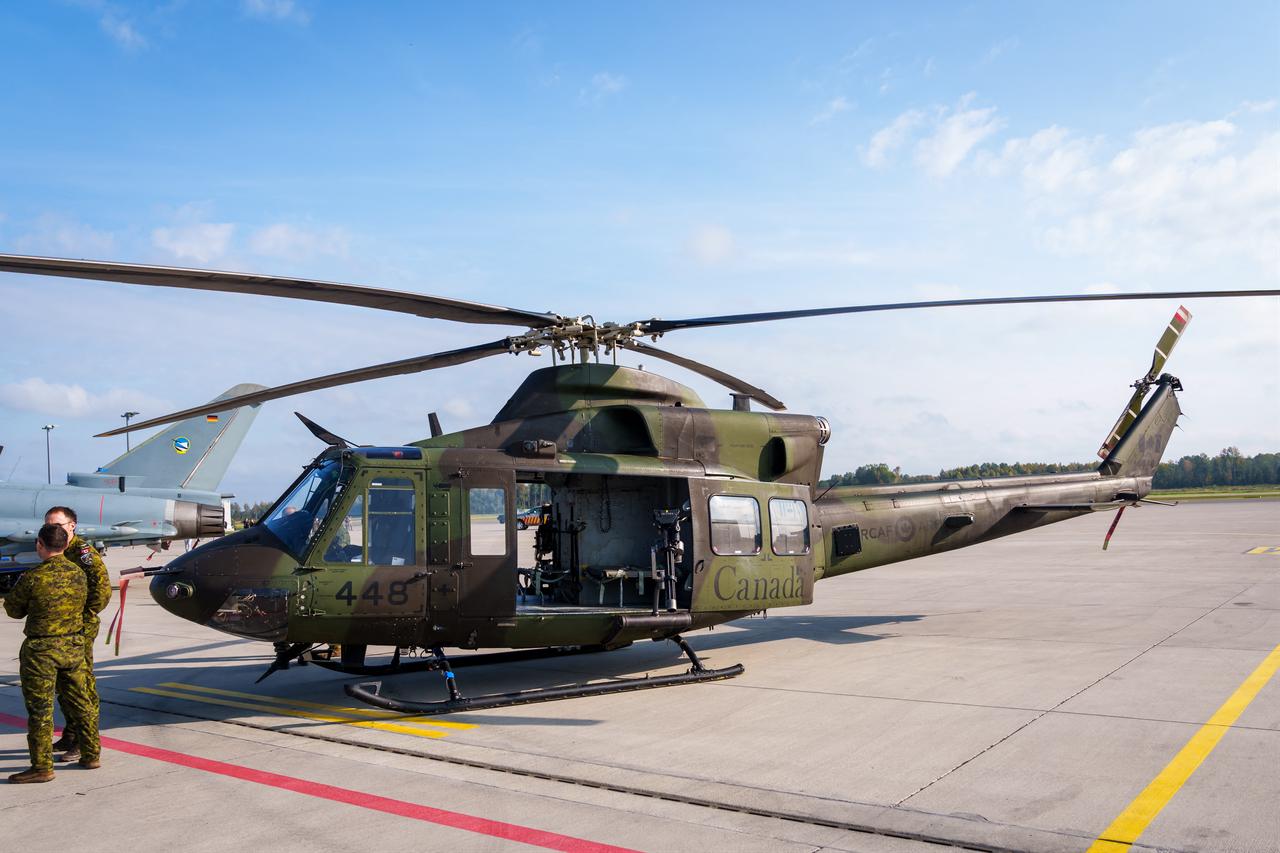

Concerns over Russia have remained central in Estonia, Latvia and Lithuania following Moscow's military actions in Georgia in 2008 and Ukraine in 2014 and 2022.
The three Baltic countries regained sovereignty following the collapse of the Soviet Union and joined NATO in 2004.
Lithuania, the largest of the three, is about the size of West Virginia and sits between Belarus to the east, the Baltic Sea to the west and the Russian exclave of Kaliningrad to the southwest.
Kaliningrad hosts Russia's Baltic Fleet and ballistic missiles capable of reaching much of Europe, while nuclear weapons are also believed to be stored there, according to the report.
Lithuania currently spends more on defense as a share of economic output than any other NATO country and has for years urged Western governments to take the possibility of Russian aggression more seriously.
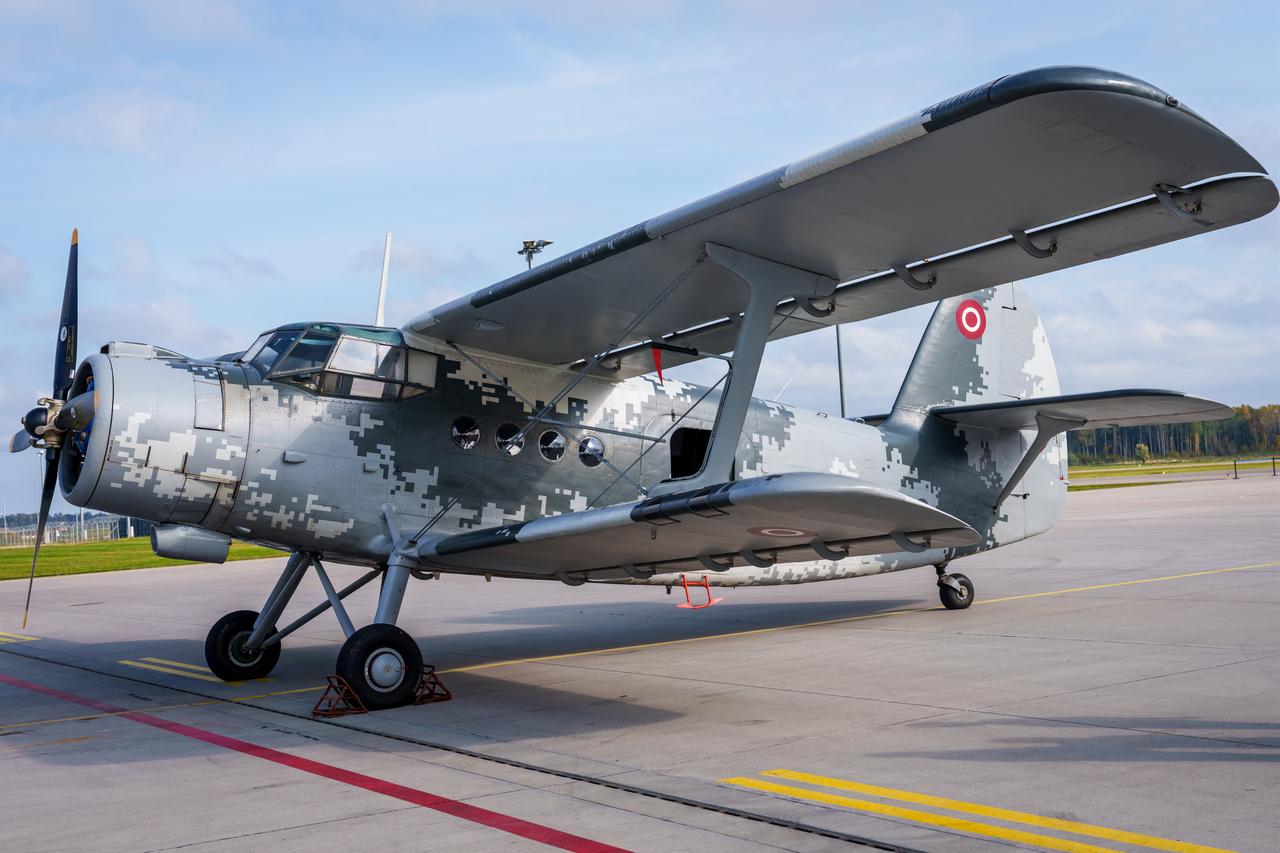
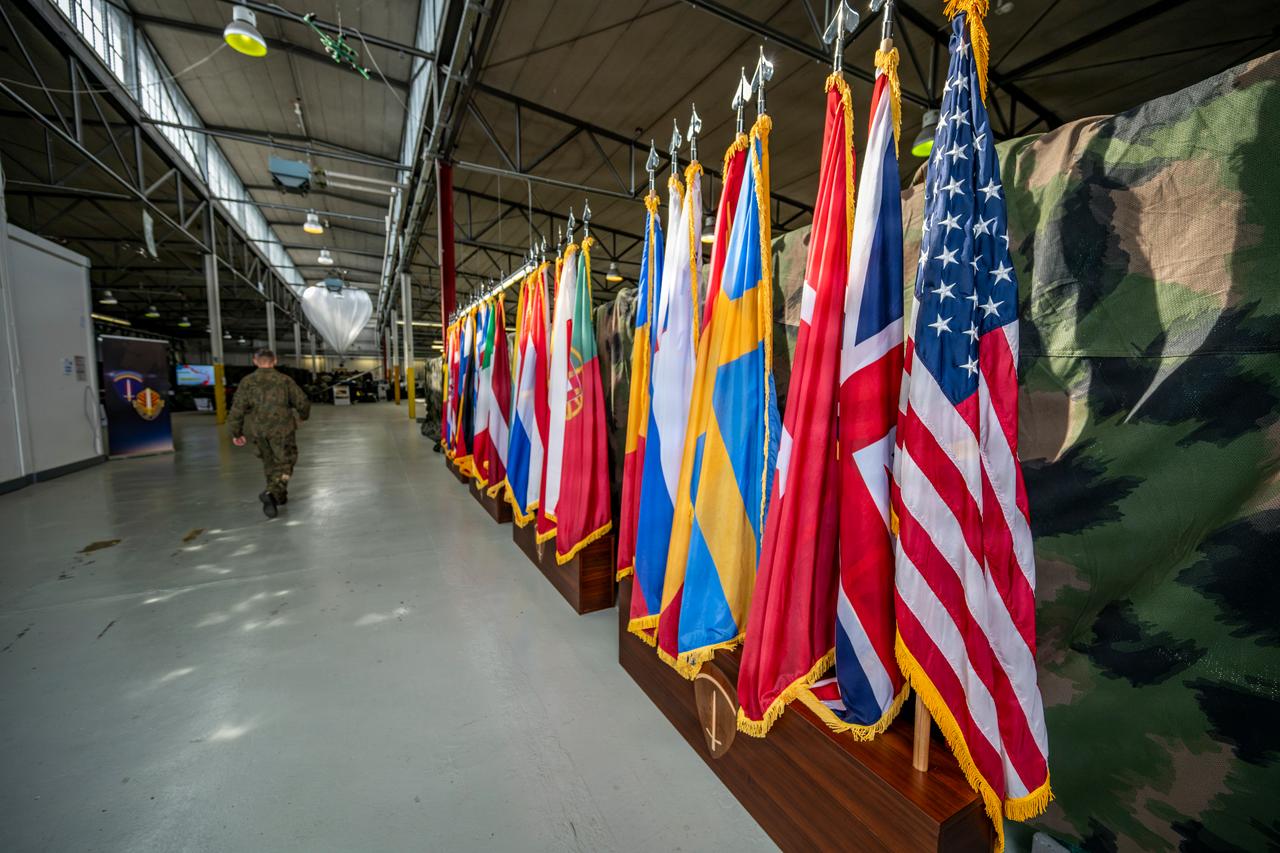
The Atlantic said uncertainty over Washington's commitment to NATO has added to security concerns in the Baltics.
Trump has repeatedly discussed the possibility of taking the U.S. out of NATO. During his 2024 campaign, he said Russia could do “whatever the hell they want” to alliance members that failed to meet defense spending expectations.
This year, he threatened to take control of Greenland, a self-governing territory of NATO member Denmark, and later described NATO as a “paper tiger” after European allies declined to participate in his war against Iran.
Former NATO secretary-general Jens Stoltenberg was asked by The Atlantic earlier this year whether he was confident Trump would defend the Baltic states against a Russian attack.
“We base our security on that,” Stoltenberg responded.
Under NATO's Article 5 collective-defense principle, an attack on one member is treated as an attack on all.
The report said analysts disagree over whether Russia could move against the Baltic countries in the near future.
Russia's military faces high recruitment costs, declining stocks of armored vehicles and corruption, while it has improved its use of drones, glide bombs and infantry tactics.
Many analysts believe Russia would be more likely to act against the Baltics after fighting in Ukraine ends because most of its capable ground forces remain engaged there.
“Ukraine is keeping Russians away,” Vaiksnoras said.
Other officials and analysts cited by The Atlantic raised the possibility that Moscow could seek to exploit uncertainty over U.S. commitments before European rearmament is completed.
Some U.S. and European officials told the magazine that heavy American ammunition use in Iran could increase Russia's willingness to test NATO through a limited ground operation in the Baltics.
Such an operation could aim to seize a small amount of territory quickly and create a situation in which reversing the advance would carry high costs, according to the report.
The Atlantic also raised the possibility of Russian coordination with China, including a scenario in which military action in Europe coincided with a Chinese move against Taiwan.
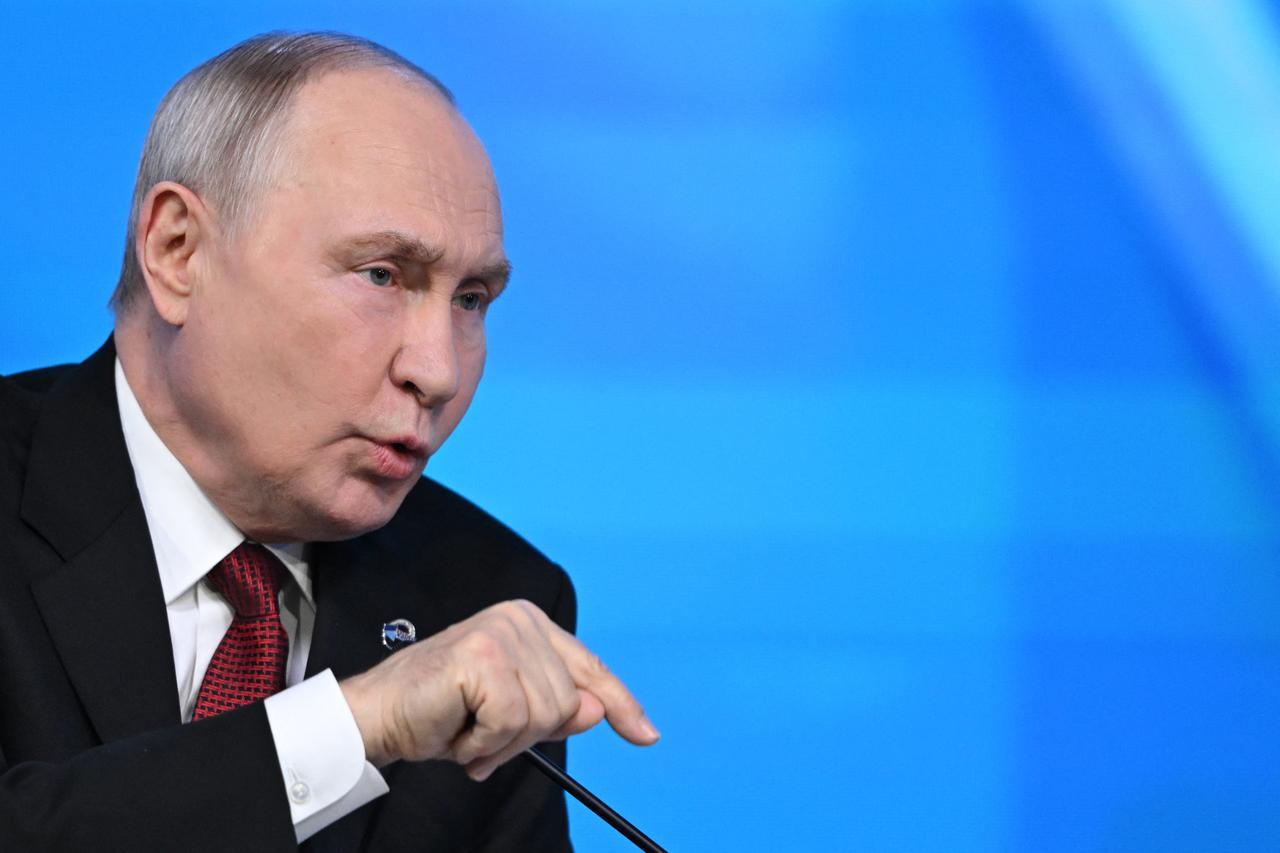
Putin has previously boasted that Russian forces could seize Baltic capitals within two days, while one of his allies recently described Latvia as a “nonexistent country,” according to the report.
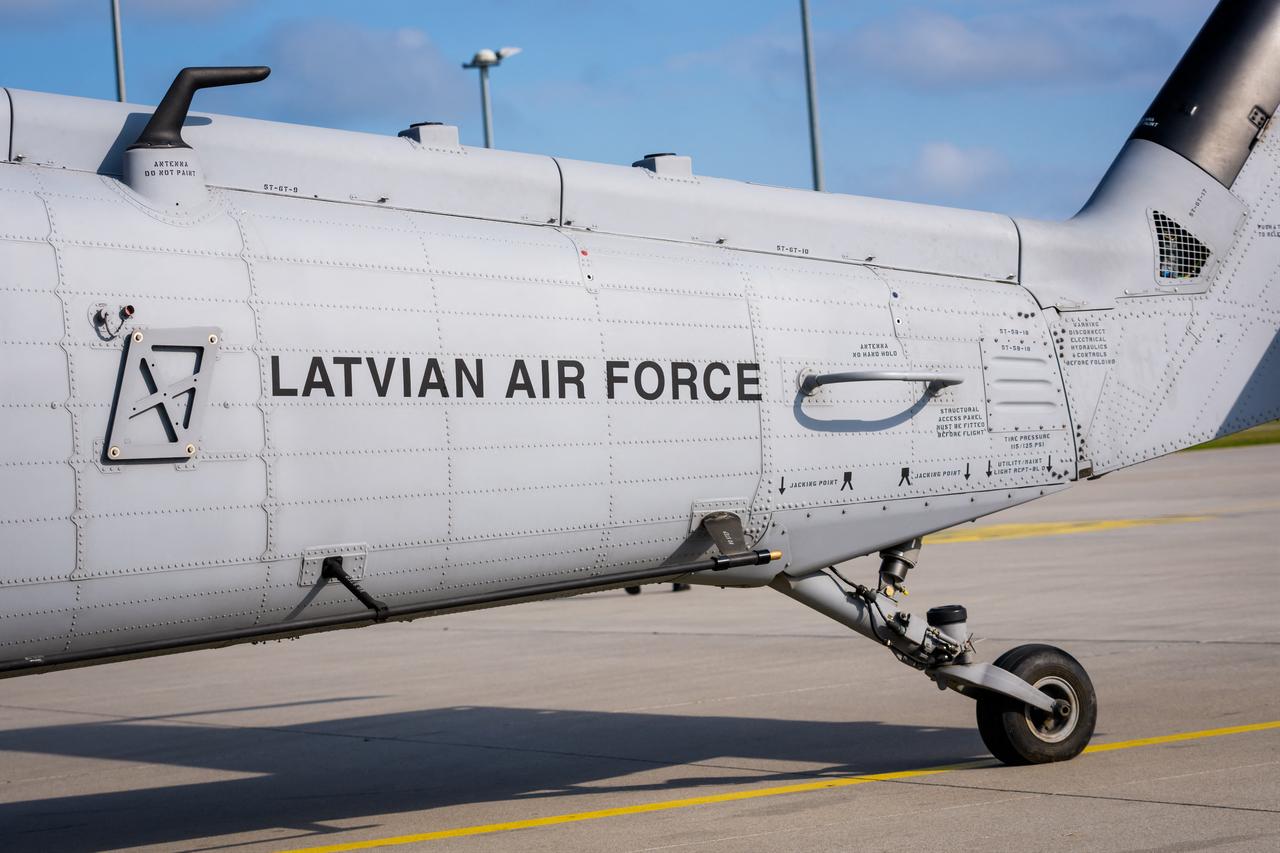
The preparations extend beyond armed forces.
Cities regularly update evacuation plans, while hospitals are preparing to shift rapidly to wartime operations.
Vaiksnoras showed The Atlantic his helmet, rucksack and body armor stored behind his office as part of his own preparations.
The report said Baltic leaders increasingly view national defense as a whole-of-society effort, with governments, civilians and institutions preparing for a possible conflict.
The central uncertainty, according to The Atlantic, is whether the U.S. would remain fully committed to defending the three countries if Russia attacked.


 Set as preferred source
 Set as preferred source


 1 min read
 1 min read