Newsletters


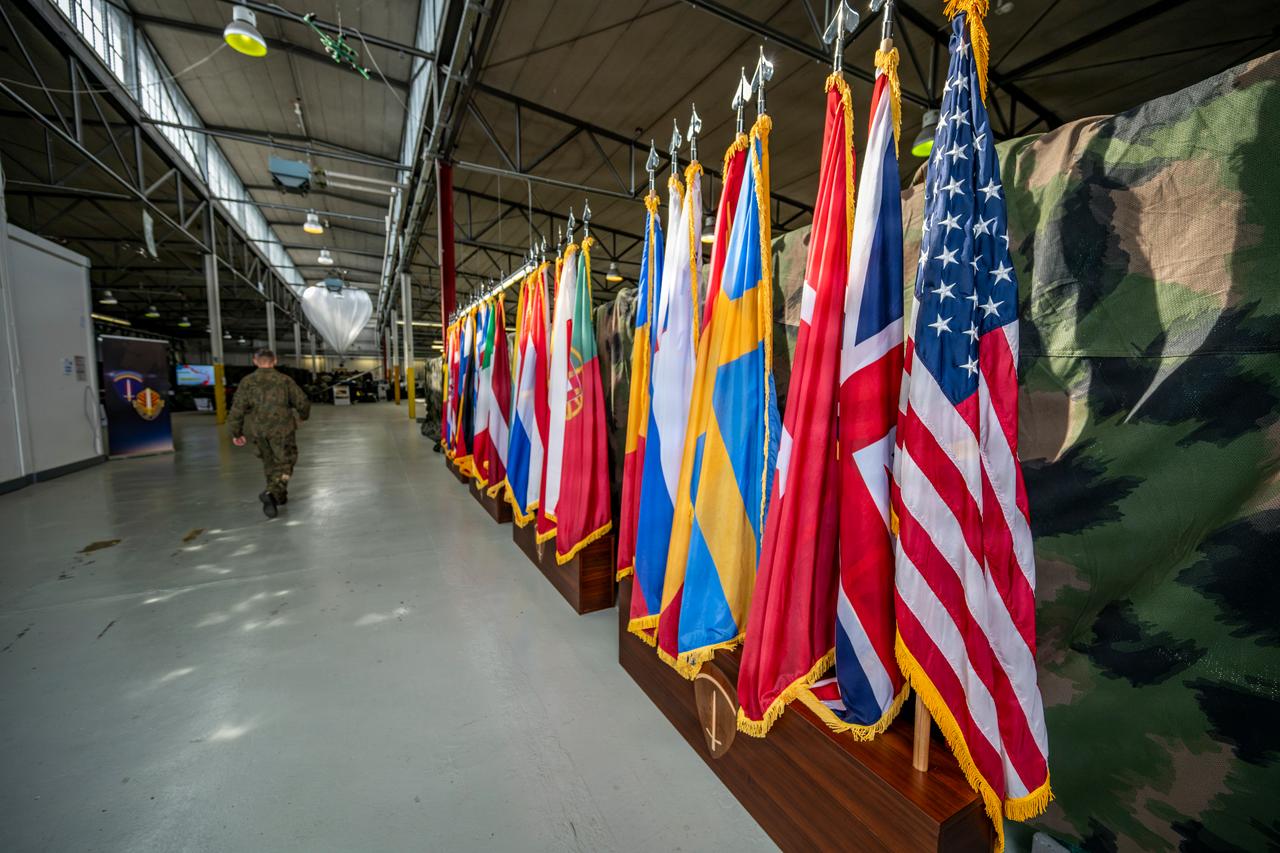


The Trump administration has excluded several major allies, including Britain, France and the Baltic states, from a Pentagon-led NATO meeting in Poland next month, Politico reported, citing six diplomats familiar with the planning.
The gathering, spearheaded by Pentagon policy chief Elbridge Colby, is essentially a working group on NATO's future.
Excluded allies are questioning why they were left out despite being large defense spenders, as a U.S. envoy separately warned the EU against prioritizing European-made weapons.
Diplomats fear Washington is playing favorites in a way that could further splinter an alliance already strained by Russian aggression and depleted weapons stockpiles.

"We're doing everything that is being asked of us," an official from an excluded ally told Politico.
"We're trying to understand what the criteria is and what the purpose of these meetings are. Not much has been passed on to us yet," the official added.
"If they try splitting NATO into the good ones and the bad ones, it is dangerous for the U.S.," another diplomat said, adding, "But for Europe, this is existential."
The White House drew up something akin to a list of favored and disfavored allies in April while looking for ways to punish governments that did not follow U.S. President Donald Trump's wishes, Politico previously reported.
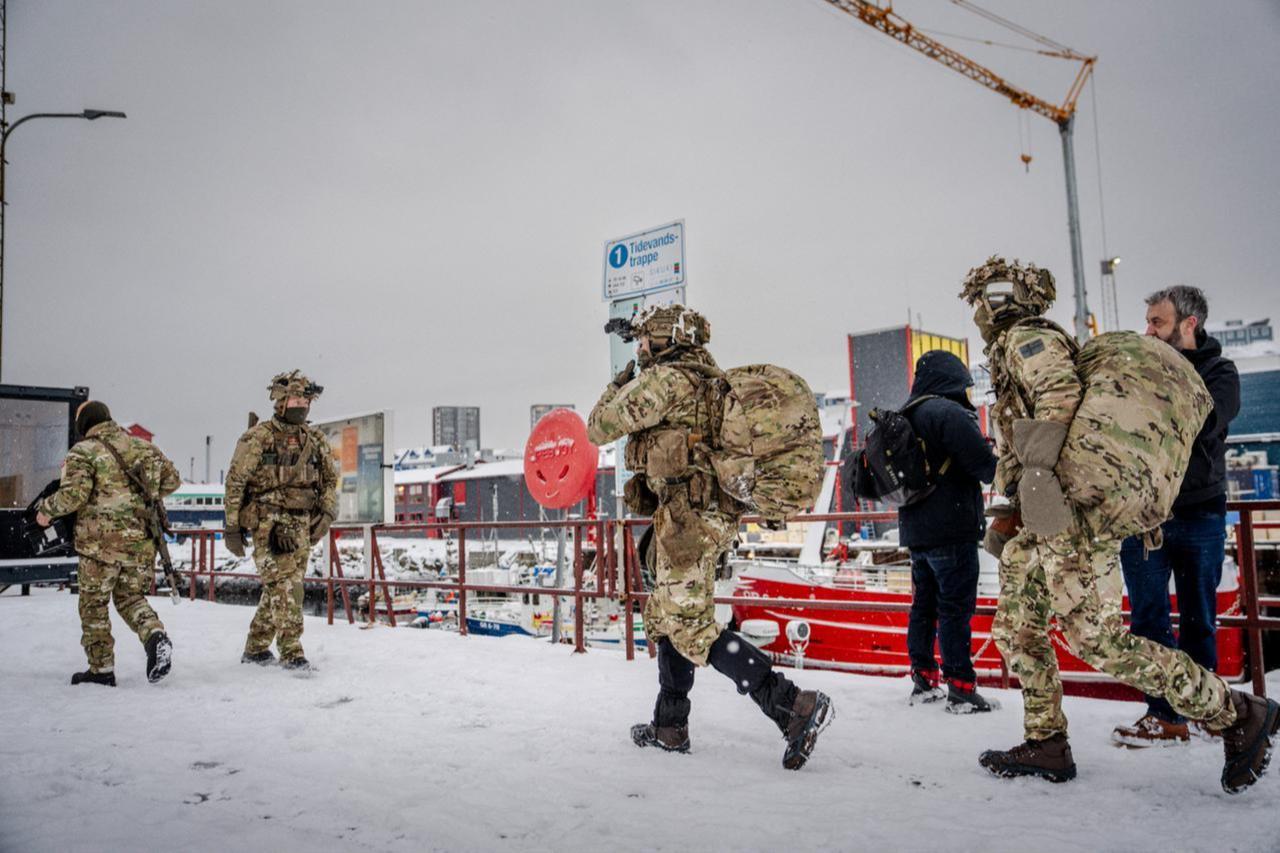
Colby has held two similar meetings with Norway, Sweden, Finland, Poland, Germany and the Netherlands, starting in Bergen, Norway, in June.
Denmark could be added after its agreement with Washington to expand the U.S. military presence in Greenland, a person familiar with the planning said.
After the first meeting, Colby described the invitees as "NATO allies that are rapidly meeting their Hague spending commitments, have the scale to contribute, and are ready to get down to practical business."
"The idea is to pull the whole alliance along," Colby said this month, adding that it "will be a better and stronger NATO that is more durable."
A diplomat from an invited country said the group intends to develop ideas for the full alliance.
"This can be an engine for transformation," the diplomat said.
Separately, U.S. Ambassador to the EU Andrew Puzder warned that EU efforts to prioritize European-made weapons could fragment the transatlantic defense industrial base.
"Only our enemies benefit when we lose focus on making sure we have the most effective weapons, supporting our mutual defense," Puzder said at Euronews' Defense and Space Summit in Brussels.
"When lives are at stake, capability and availability should determine the solution, not geography," he added.
NATO's top military commander, Gen. Alexus Grynkewich, told a European Parliament committee Tuesday that making rules on where military equipment is produced would benefit only Europe's adversaries.
Puzder said the European Commission had indicated it does not intend to stop EU members from using national funds to buy U.S. weapons. The goal should be "an alliance which faces our adversaries with unity and strength rather than division and self-interest," he said.
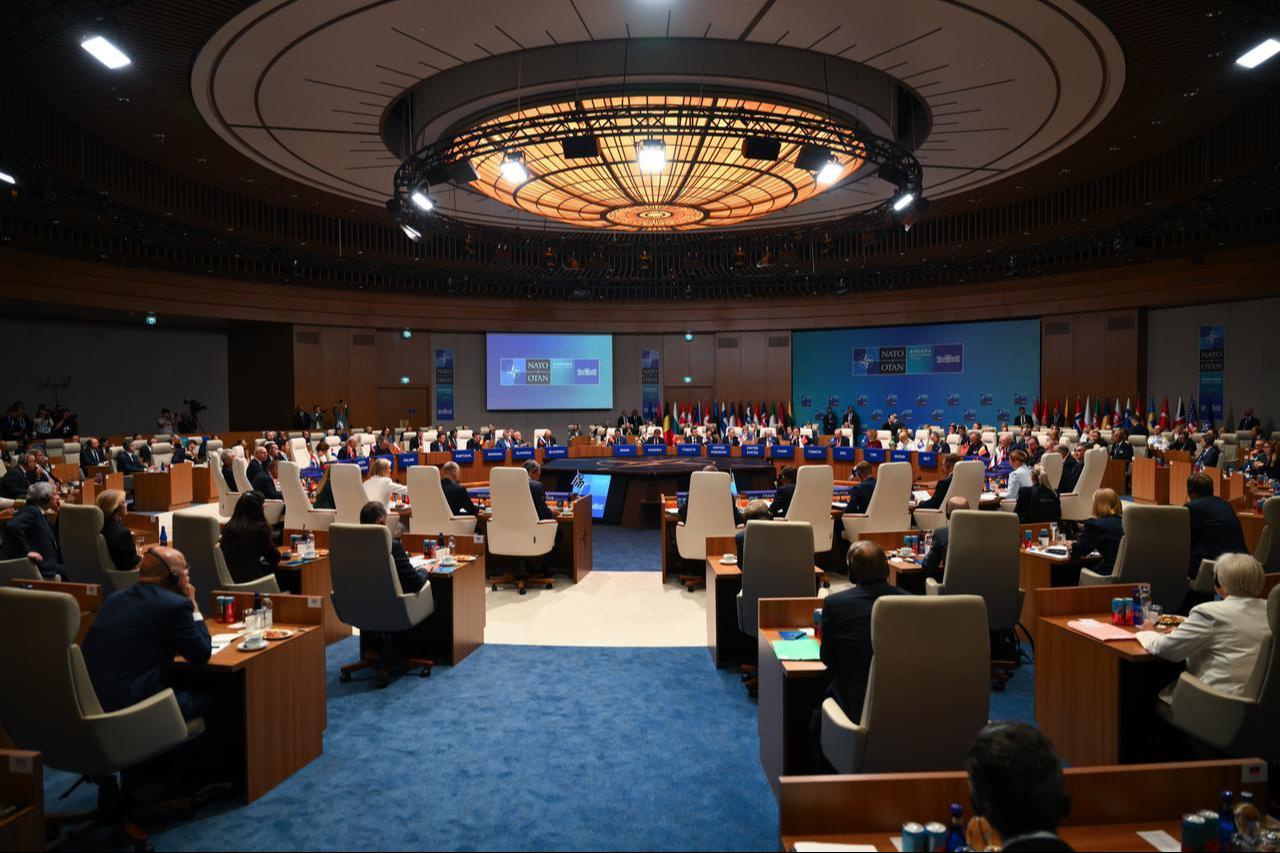
The NATO meeting in Poland is expected next month.


 Set as preferred source
 Set as preferred source


 1 min read
 1 min read