Newsletters




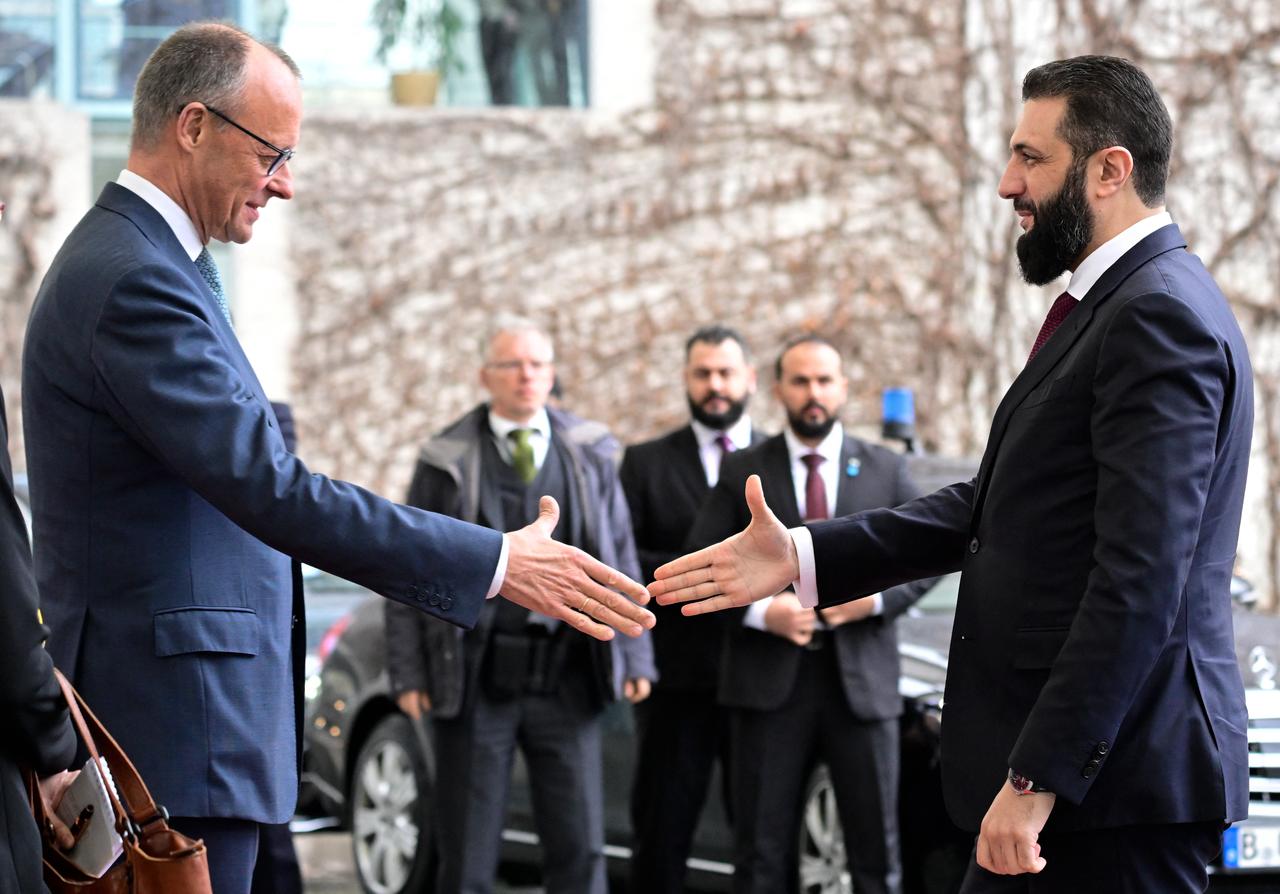
Standing shoulder-to-shoulder with Syria’s president, the German chancellor traded reality for a convenient headline. His claim that 80% of refugees could return home in three years wasn't a forecast; it was a fantasy tailored for the evening news.
This was migration management via smoke and mirrors, a desperate attempt to signal control that simply does not exist on the ground.
A Syrian government source with knowledge of the refugee file stated that the Syrian government doesn’t expect significant numbers of returnees from Germany but agreed to work with the German government to facilitate voluntary returns.
Whether this will lead to funding from Germany is not clear and has not been confirmed by the government official speaking to Türkiye Today. Syria needs financial resources for the country's reconstruction.
Reconstruction costs of damaged physical assets in Syria are projected to range between $140 billion and $345 billion, with a conservative estimate of $216 billion, according to the World Bank report.
That "80%" promise lasted about as long as a New Year’s resolution; during an appearance at Chatham House, Sharaa performed a masterclass in diplomatic backtracking, quietly dismantling the expectation before it could even settle.
He emphasized reconstruction challenges, institutional fragility, and the long road ahead. What he basically said was that refugees in Germany have a right to a voluntary return and that they will only return if Syria is rebuilt.

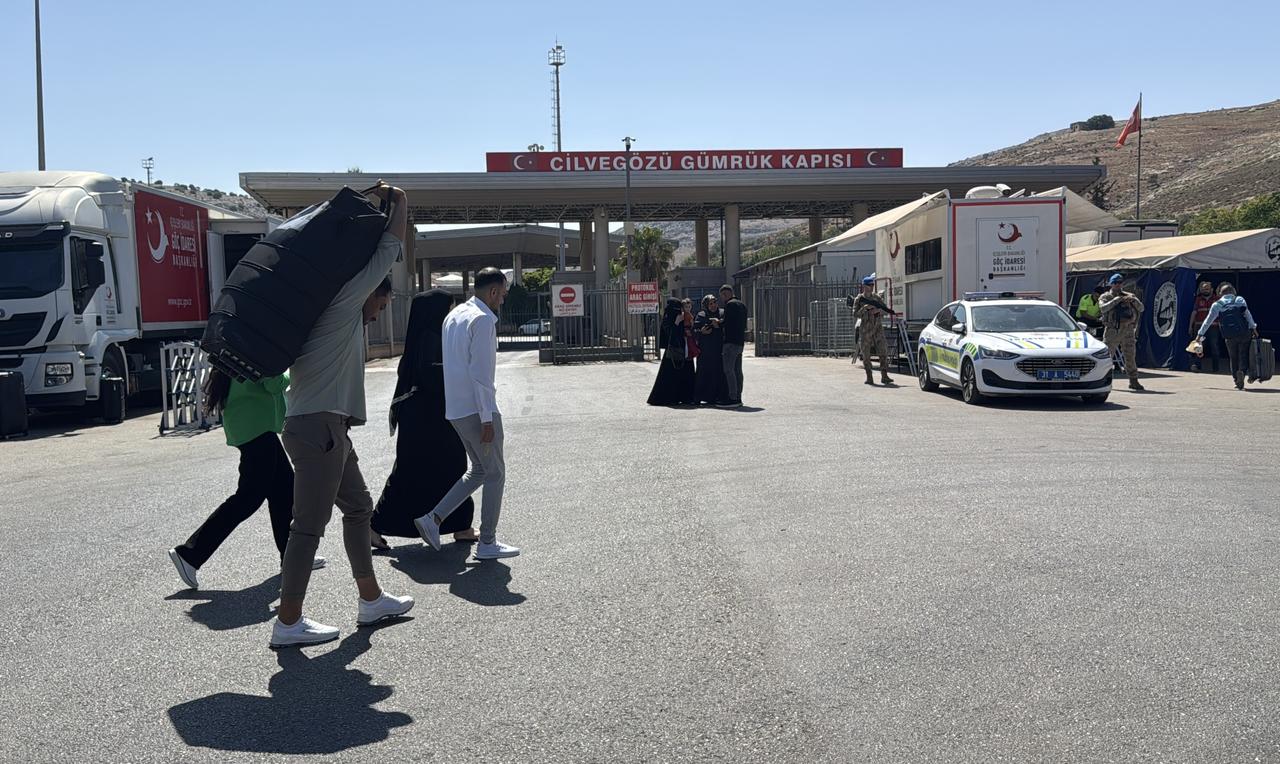
If any nation’s experience should inform Germany’s refugee debate, it is Türkiye, which has been hosting millions of Syrian refugees while facilitating the only significant scale of voluntary returns.
While Lebanon’s returnee figures are technically higher, they are driven by the chaos of Israeli strikes—hardly a sustainable or relevant basis of comparison for German policy.
Before the fall of the Assad regime, approximately 700,000 Syrian refugees returned to Syria within eight years. After the fall of the regime, approximately another 700,000 refugees returned within a year.
However, despite Türkiye’s geographic proximity and the temporary legal status of Syrian refugees in Türkiye, return numbers have dropped since.
Why?
Because return is not simply about safety. It is about livelihoods, infrastructure, education and long-term stability. Large parts of Syria still lack these fundamentals. Reconstruction remains slow, and international funds are scarcely available.
Comparing refugees in Germany with refugees in Türkiye will give the German politicians a better understanding of realities. Syrians in Türkiye are closer to home, maintain stronger social ties, and face fewer structural barriers to return.
Even with those conditions, 2.3 million refugees remain in Türkiye; meanwhile, Syrians in Germany are not only physically more distant from home but also live in a country where their social needs are covered by the state.
They are relatively integrated economically and socially. Many have stable jobs, education pathways, and legal protections that are difficult to abandon for uncertainty in Syria.
The lesson from Türkiye is clear: if large-scale returns have stalled right next door, they are a pipe dream from across the continent. Ultimately, Syria requires massive investment and reconstruction before "home" becomes a viable destination again.
That being said, refugees in Germany and across Europe will likely remain the most reluctant to return.


 Set as preferred source
 Set as preferred source


 1 min read
 1 min read