Newsletters


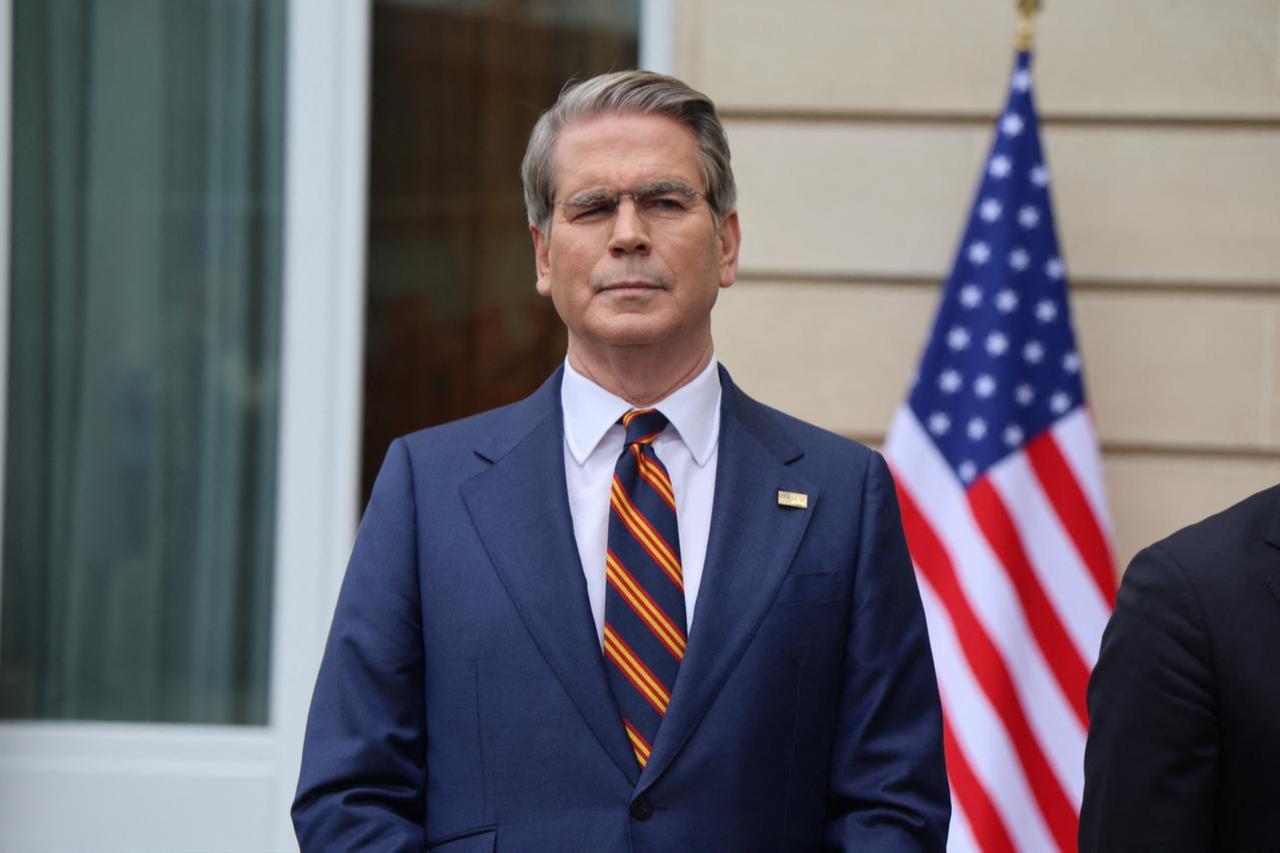


U.S. Treasury Secretary Scott Bessent said Wednesday that no agreement with Iran would be finalized until the Strait of Hormuz remains open to international shipping, drawing a firm line as nuclear negotiations between Washington and Tehran continue.
Speaking at a White House briefing, Bessent framed the talks as a package deal with multiple interlocking conditions. "This is a multi-faceted agreement, and nothing will be on the table until we see the Strait of Hormuz open," he said.
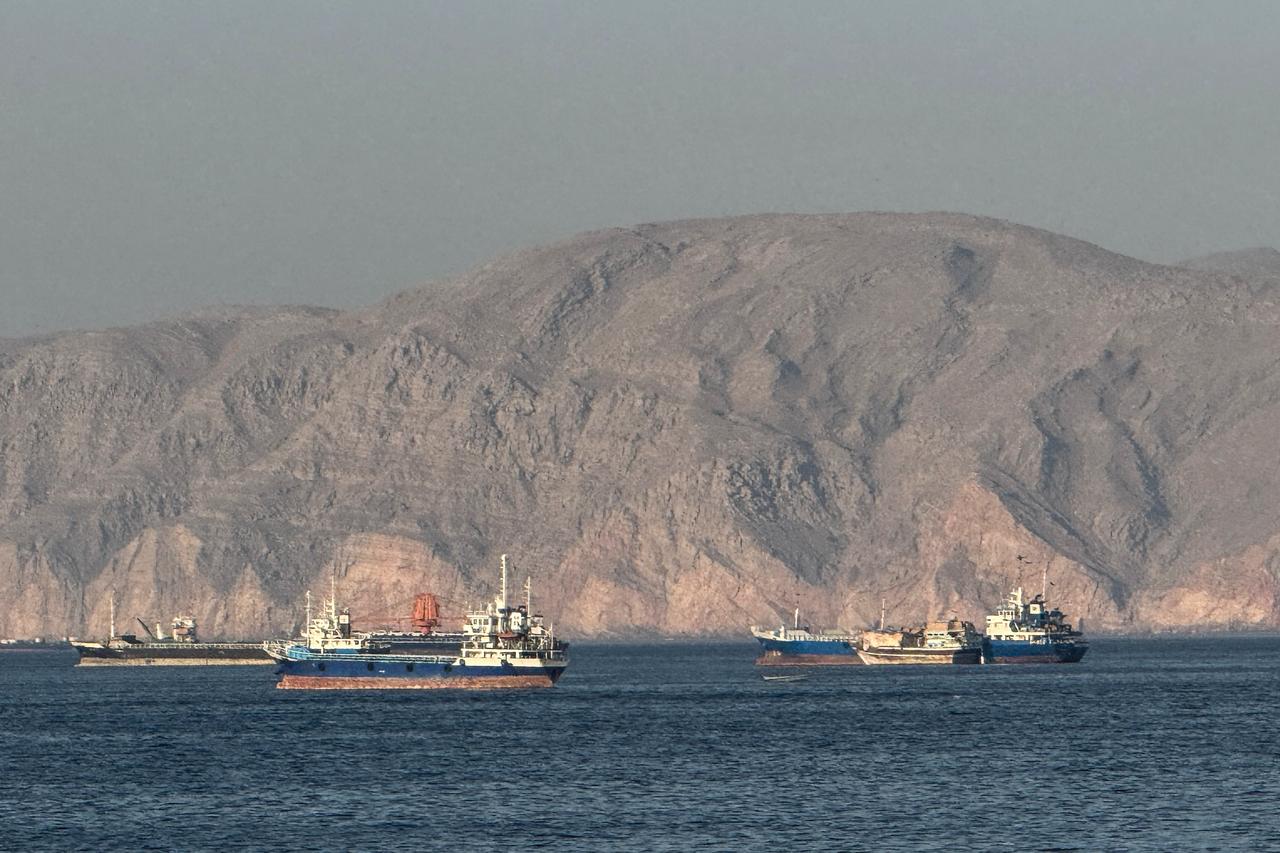
Bessent described the strait as an international waterway and said the United States does not accept its closure to commercial traffic. The Strait of Hormuz, a narrow passage between the Persian Gulf and the Gulf of Oman, carries roughly a fifth of the world's oil supply, making it one of the most strategically sensitive chokepoints in global energy markets.
The Treasury secretary also outlined two additional conditions Iran must meet: surrendering its highly enriched uranium stockpile and formally accepting that it cannot possess a nuclear weapon.
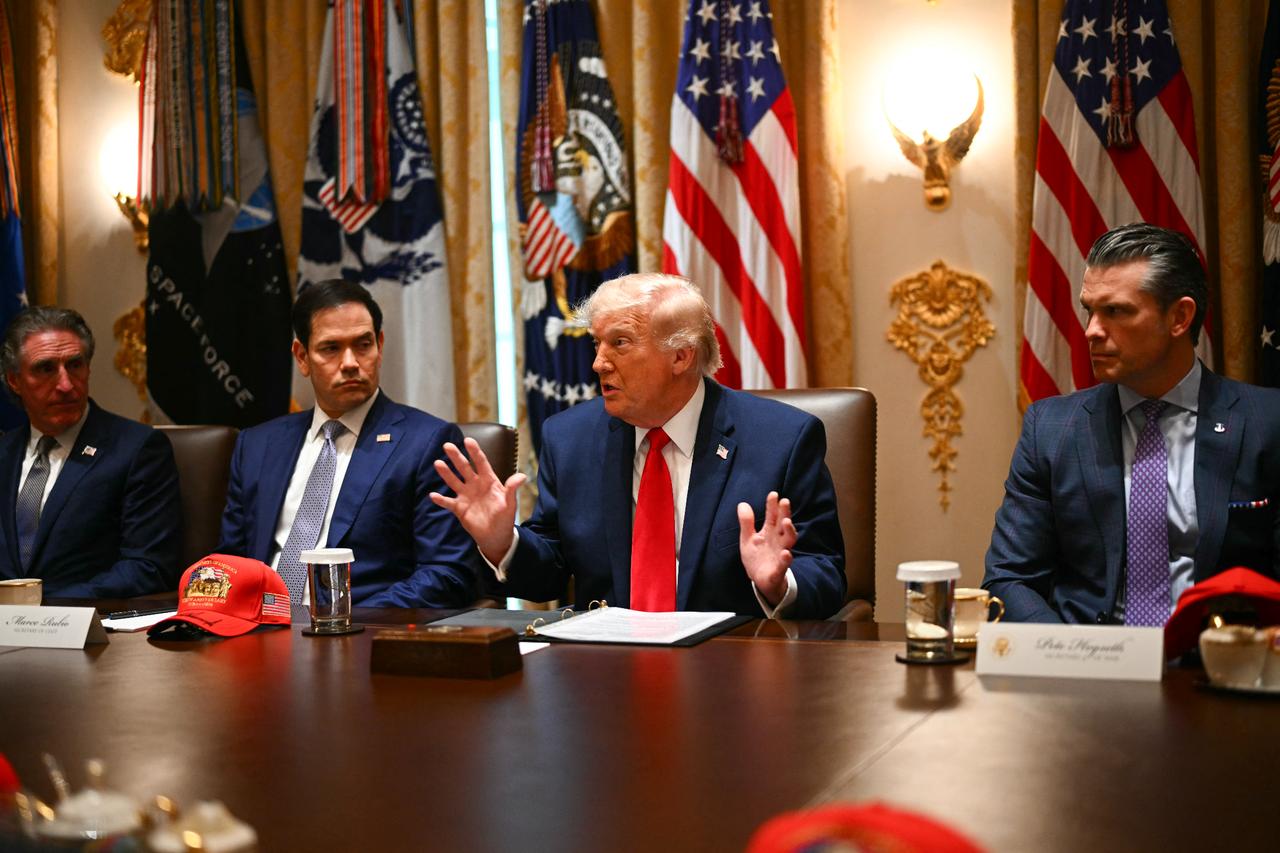
When pressed on where negotiations currently stand, Bessent declined to offer specifics, saying decisions of that nature rest entirely with President Donald Trump. The remarks reflected the administration's practice of keeping the diplomatic details close, even as talks appear to remain active.
The conditions Bessent outlined mirror long-standing U.S. red lines in nuclear diplomacy with Iran, though the explicit linkage to Hormuz access signals a broader set of strategic demands beyond the nuclear file alone.
Iran has historically resisted permanent limits on its enrichment program, and previous multilateral frameworks, including the 2015 Joint Comprehensive Plan of Action, collapsed in part over disputes about enrichment caps and sanctions relief.


 Set as preferred source
 Set as preferred source


 1 min read

 1 min read