Newsletters


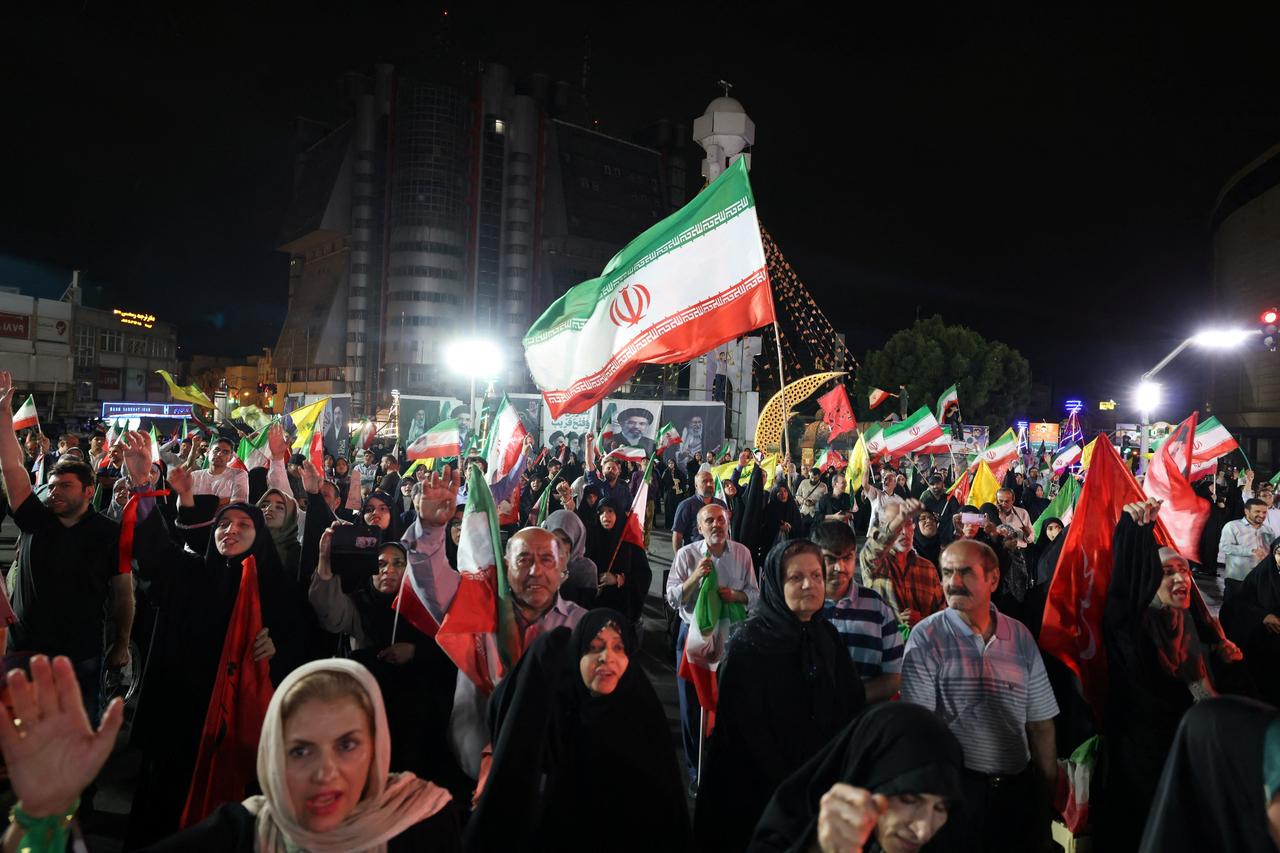


In recent years, cyber warfare has transformed the nature of military strategy. Starting with the Russia-Ukraine war, then the India-Pakistan conflict, and the ongoing Iran-Israel-U.S. confrontation, cyber operations are increasingly shaping battlefield outcomes and geopolitical calculations.
Military power is no longer measured solely by a country's tanks, fighter jets, or nuclear warheads.
Today, it is increasingly defined by AI, cyber capabilities, drones, and electronic warfare, with digital intelligence networks emerging as critical tools of national power.
According to market analyses, AI in the military sector could grow by44% between 2023 and 2028.
Since modern conflict can no longer be understood through a single battlefield lens, the varied use of AI and cyber capabilities across three wars needs to be discussed.
Ostensibly, having employed AI’s full potential in a military setting, the war in Ukraine became “The First AI War,” as dubbed by Time magazine, making it a unique case study.
Primarily, Russia used AI in UAVs due to sanctions limitations, but it had just 2,000 drones before receiving additional supplies from Iran. Currently, “Product 53” drone swarms are being produced by Russia’s Lancet-3.
In tandem, Moscow launched malware and distributed denial-of-service (DDoS) attacks against the Ukrainian government, military, communications, and energy networks. Meanwhile, Kyiv conducted cyber operations against Russian state entities, media outlets, and infrastructure, while the U.S.-made "Project Maven" AI system underwent testing on the Ukrainian battlefield.
Notably, Ukraine employed AI models to evaluate drone footage, satellite imagery, Russian troop locations, and arsenals, to carry out attacks like the one in March 2024 at Rosneft’s Ryazan refinery. And now, Ukraine is planning to construct “sixty armies of drones.”
But though both Moscow and Kyiv have leveraged AI in both information and kinetic warfare since Russia's February 2022 invasion, there is a difference in scale, focus, and strategic objectives. According to the Government AI Readiness Index by Oxford Insights in 2023, Russia ranked 38th, while Ukraine was 60th.
Dr. Theodore Karasik, Fellow on Russian and Middle Eastern Affairs at the Jamestown Foundation in Washington, told Türkiye Today that the shift in global conflict has firmly established cyberspace as a primary domain of warfare, and “What began as a tool for espionage is now a fully integrated theater of modern military conflict, operating alongside or even substituting for kinetic operations.”
As per Karasik, there has been infrastructure sabotage of electrical grids throughout the Russia-Ukraine war, including ransomware attacks as well as the Viasat hack (2022) that had “a cascading effect across the Ukrainian energy sector.”
He said that Russia’s military intelligence GRU used“wiper malware and crowdsourcing to counter Ukrainian intelligence and the IT Army of Ukraine disinformation and penetration operations.”
And conversely, “Ukraine also conducted its own cyber operations against Russia, which have produced lessons learned that are being applied in other theaters.”
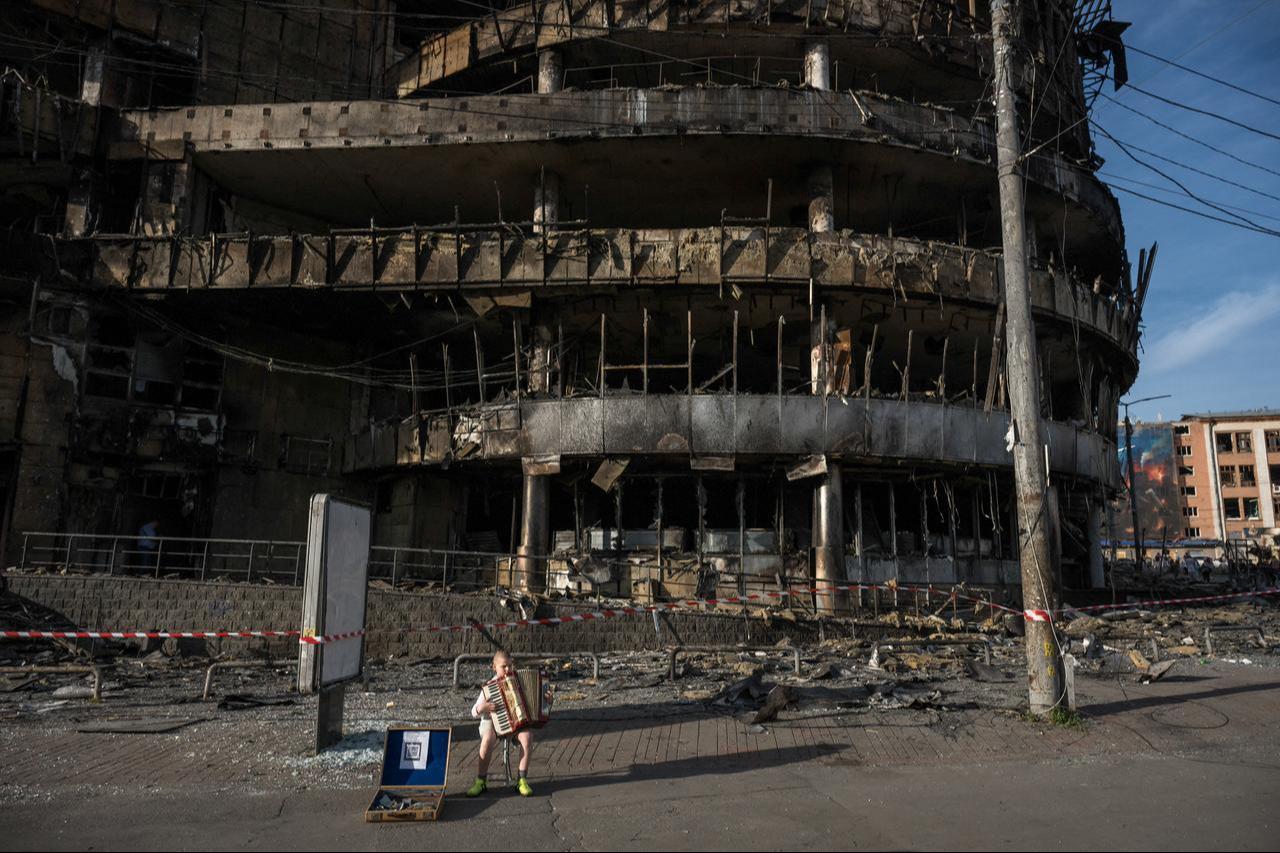

Since the Iran war in 2025, Tel Aviv has used AI to rapidly analyze vast amounts of intelligence data and support precision targeting.
Israeli operations have combined human intelligence, AI-assisted analysis, and drone technologies to suppress Iranian air defenses and missile systems, while multiple news websites were hacked in Iran.
Meanwhile, though experts predicted similar Iranian cyber retaliation against U.S. and Israeli targets, Iran’s cyber responses have remained relatively muted.
Discussing the U.S.-Israel-Iran conflict, Karasik said there were “multiple uses of worms, malware, and penetration of industrial plant systems to potentially cause industrial and chain shutdowns. Also, the U.S. and Israel rely on AI for targeting, Iran relies on intelligence collection from other countries, especially Russia’s secret services.”
According to Karasik, all countries have different models, including autonomous and jam-resistant drones, decoys, and swarm coordination. Mainly, he said, there is “heavy use of data analytics such as Palantir’s PRISMA and the Pentagon’s Project Maven. Specific to the Israel-Iran-U.S. dynamic is targeting systems such as The Gospel or Lavender.”
Highlighting specific events in the war, Burak Can Celik, a strategic and political affairs researcher based in Istanbul, told Türkiye Today that “the attacks attributed to Predatory Sparrow against Iran’s Bank Sepah and the Nobitex crypto exchange were especially significant because they targeted the financial arteries allegedly connected to Iran’s military and proxy ecosystem.”
On the other side, he said that Iranian-linked actors reportedly targeted “Israeli companies, surveillance cameras and vulnerable digital systems, while GPS spoofing and electronic warfare affected aviation, maritime routes and military operations across the region.”
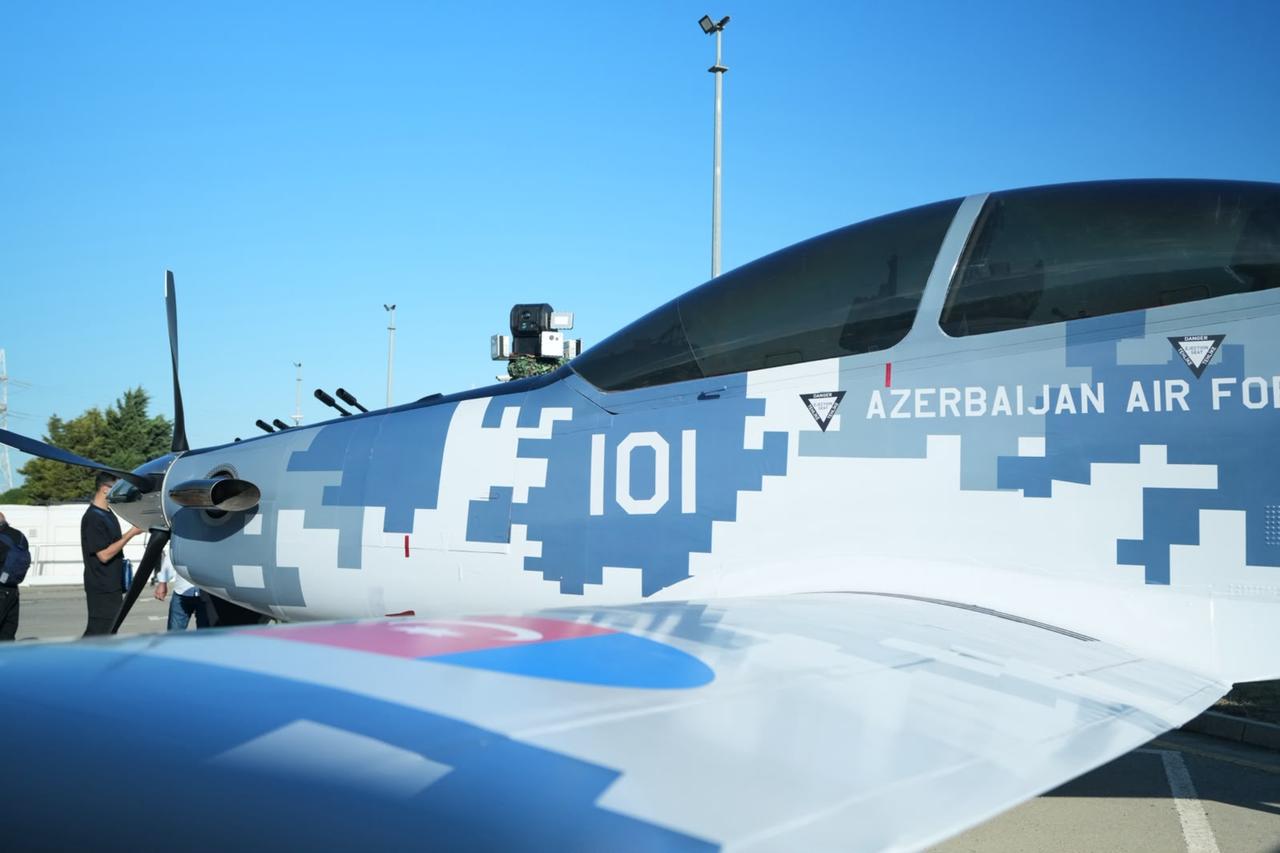
In May 2025, Pakistan claimed significant aerial success by downing multiple Indian fighter jets, with the help of a multi-domain kill-chain created with cyber capabilities.
Sharing his views with Turkiye Today, Air Commodore (retd) Khalid Chishti from Pakistan Air Force (PAF), observed that the India-Pakistan conflict marked a “watershed moment in South Asian military affairs,” as, unlike previous confrontations, it was fought simultaneously across the air, cyber, information, and electromagnetic domains.
In this episode, now named “Operation Divine Bytes”, led by Air Commodore Attaullah Zeb, serious “disruptions to critical infrastructure, communications, and logistics networks, creating operational uncertainty” were observed in the opponent’s territory.
In turn, this effective exploitation of information provided “valuable decision-making advantages, reinforcing the central role of cyber capabilities in contemporary multi-domain warfare”, enabling the “timely assessment of adversary force build-up, battle damage assessment, and force projection.”
Stating that “multi-domain warfare” has arrived in South Asia due to the revamping of PAF by Air Chief Marshal Zaheer Ahmed Baber Sidhu, Chishti remarked that, “military success will now depend as much on technological superiority, information dominance, and networked operations as on conventional combat power.”
Influencing political dynamics and changing the way states engage in diplomacy and warfare, AI has transformed the nature of war.
From autonomous drones to robotic combat systems and AI-powered missile defense networks, there is less need for boots on the ground, but the damages of war are more wide-ranging.
As pointed out by Karasik, the normalization of digital weapons is altering how regional security is managed by inflicting economic damage and personal pain, and "civilian infrastructure such as energy grids, financial systems, transportation hubs, and water networks are the primary targets of cyber coercion.
Significantly, the digital landscape is breaking old definitions of sovereignty to create a new digital reality of law, order, and warfare.”
Highlighting the negative geopolitical impact of AI, Celik said, “First, cyber tools lower the threshold for escalation. States can hurt each other without immediately crossing into open conventional war. Second, they blur attribution: governments, intelligence services, proxies, and patriotic hackers can operate in the same space. Third, they expand the battlefield to civilians, banks, ports, airports, hospitals, media platforms, and private companies.”
Celik noted that AI can be “especially important for the Middle East as it is already shaped by proxy warfare, drones, missiles, and fragile deterrence, and cyber operations add another layer to that instability.”
In his opinion, “Israel gains a major advantage through intelligence-driven cyber capabilities; Iran uses cyber tools to compensate for conventional weaknesses; Gulf states become exposed because of energy infrastructure and financial networks; and the U.S. becomes more deeply tied to the digital security architecture of its regional partners.”
Therefore, as per Celik, the new regional balance will be about “who can see first, disrupt first, confuse first, and paralyze the opponent’s networks before the first missile is even launched.”
Describing AI as the “strategic enabler” reshaping the geopolitics of South Asia from now on, Chishti explained that this is because AI-driven analytics, decision-support systems, autonomous platforms, cyber operations, and information warfare capabilities have “compressed decision cycles and enhanced operational effectiveness.”
Consequently, “Nations that successfully integrate AI into their military and national security architectures enjoy a significant strategic advantage. In many respects, AI is emerging as a force multiplier comparable to the transformative impact of airpower in the twentieth century.”
Heavily influencing political dynamics and potentially transforming the way states engage in warfare and diplomacy, AI has even become part of diplomatic strategic planning and negotiations, as it can destabilize governments and increase user radicalization through social networks.
Not only that, AI can even be used logistically to transport military equipment, and military superiority depends on how effectively a nation can implement cutting-edge AI technologies.
Discussing whether future wars will be fought with nuclear weapons, Karasik observed that, “AI is making nuclear weapons potentially useless because of the ability to 'freeze and destroy' an enemy's infrastructure and economy.
In Karasik’s opinion, AI could make nuclear devices useless in 99% of multi-domain warfare, and the “high-tech reality where cyber-attacks are the weapon of choice for daily, gray-zone warfare, is here while nuclear weapons remain the ultimate, silent insurance policy.”
Agreeing over this aspect, Air Cdre Chishti said that nuclear weapons will continue to serve as instruments of deterrence, but they are unlikely to be the primary instruments through which states pursue military objectives.
As in the future, “wars will not be won solely by those possessing the most advanced weapons, but by those capable of seamlessly executing Cyber Integrated Air Operations (CIAO) into a unified operational strategy.”


 Set as preferred source
 Set as preferred source


 3 min read