Newsletters


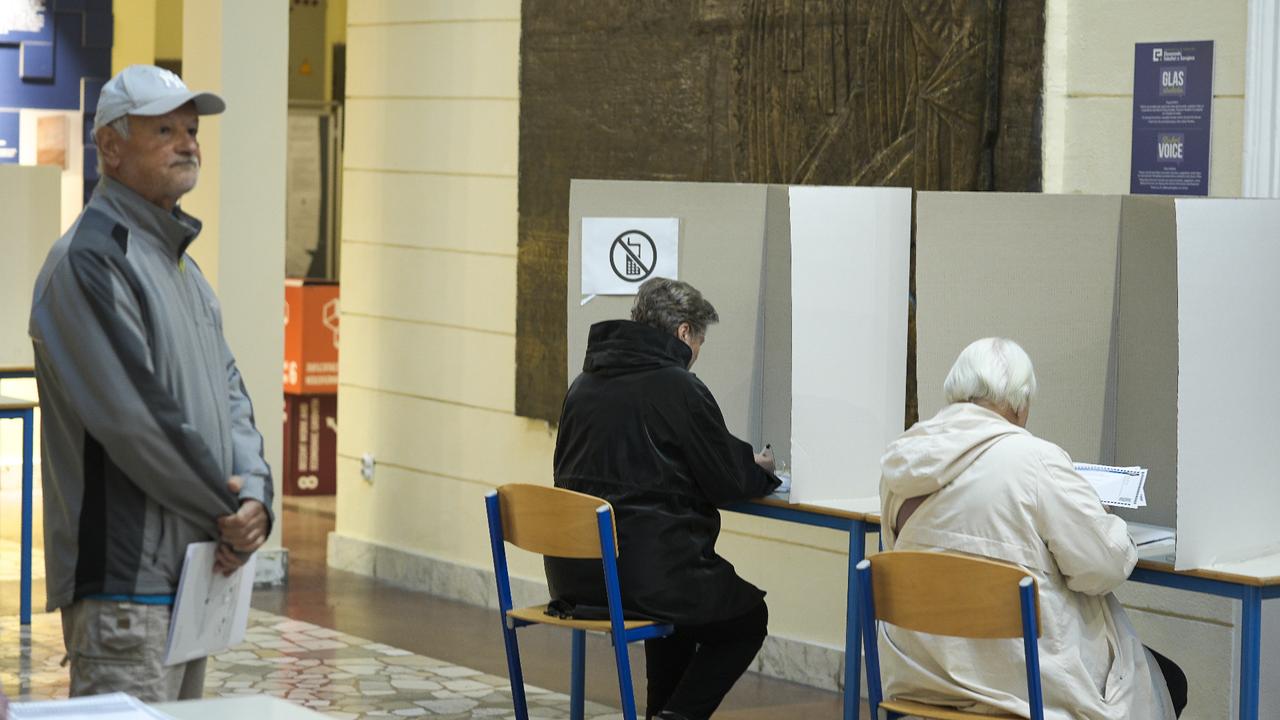
Voting began Sunday in Bosnia and Herzegovina’s general elections, where more than 3.4 million registered voters can pick new leaders and lawmakers at several levels of government. Polling stations opened at 7 a.m. local time and are scheduled to close at 7 pm, the Central Election Commission (CIK) said.
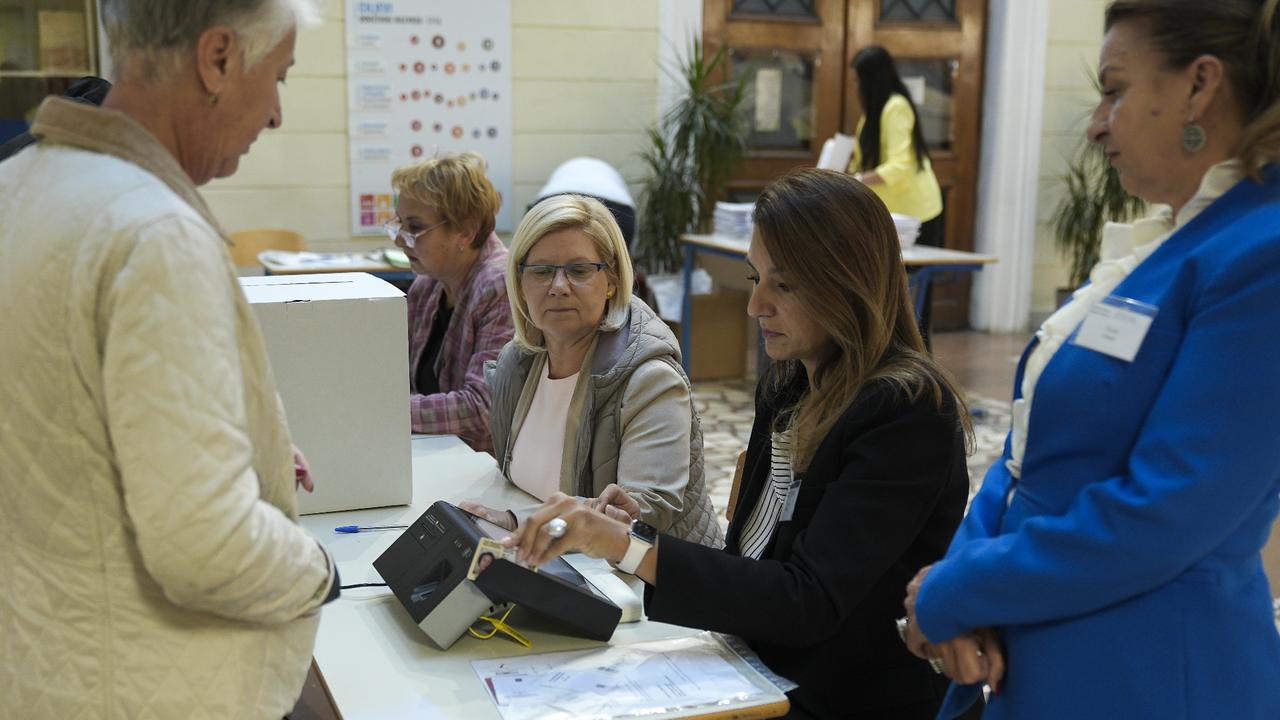
Voters will elect the Bosniak, Croat and Serb members of Bosnia and Herzegovina’s three-member presidency.
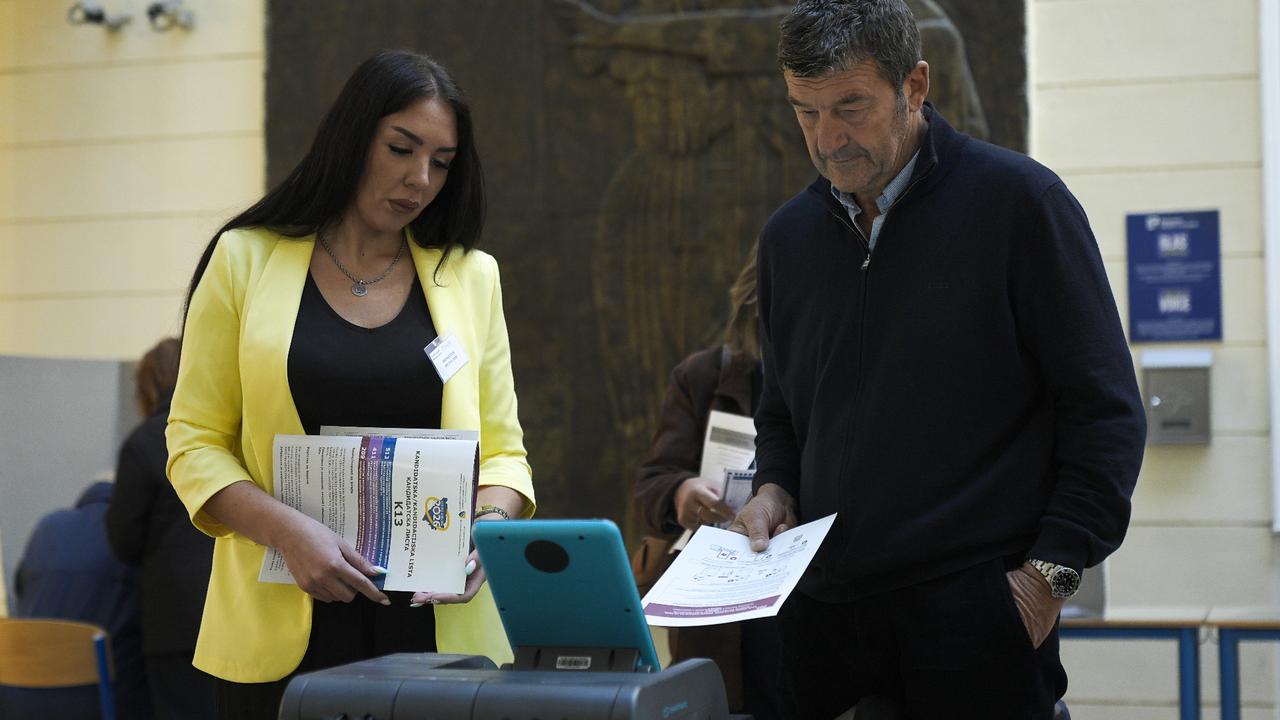
Races also include the state-level Parliamentary Assembly, the Federation of Bosnia and Herzegovina (FBiH) House of Representatives, the National Assembly of Republika Srpska (RS), 1 of the country's 2 entities, the RS president and vice presidents, and members of the 10 cantonal legislatures in the FBiH.
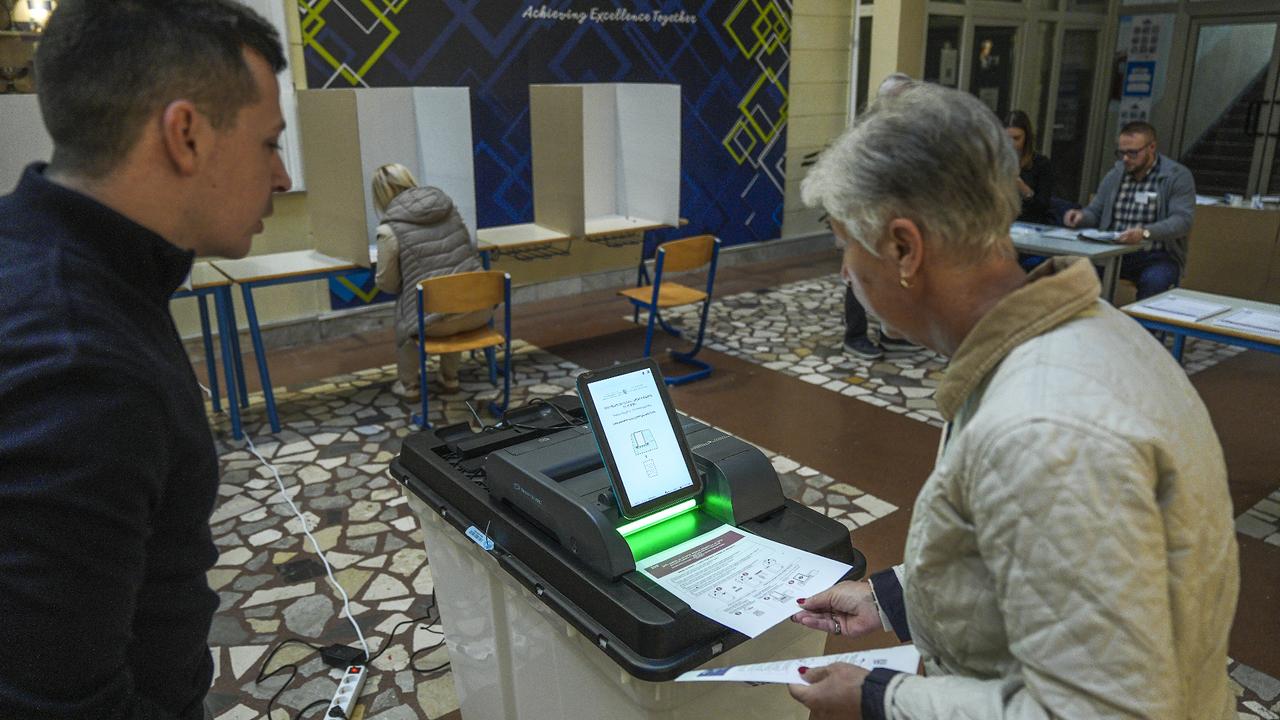
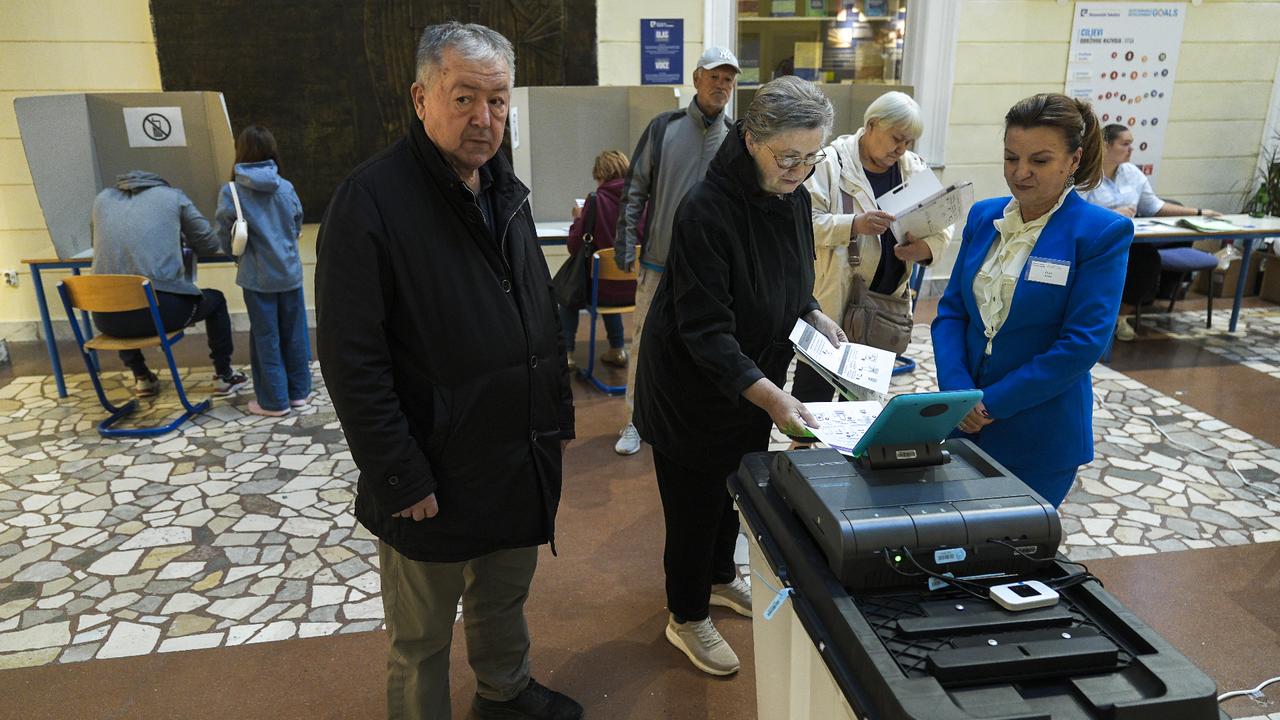
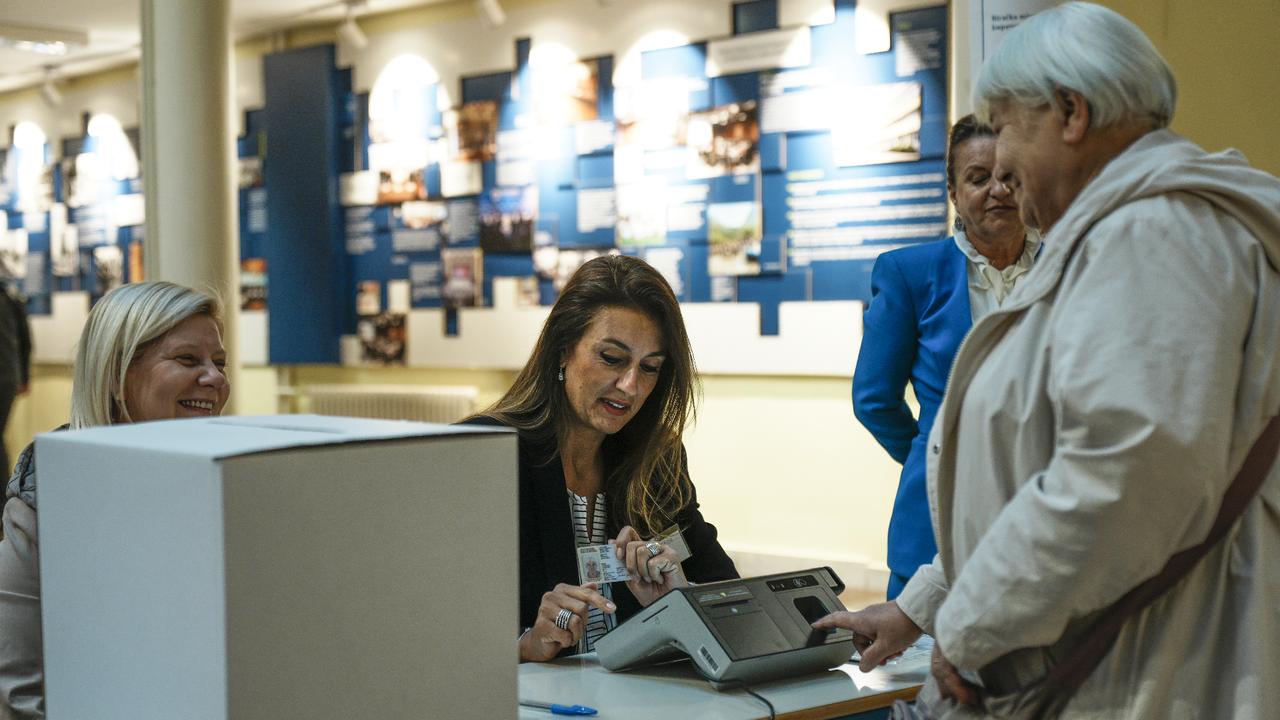
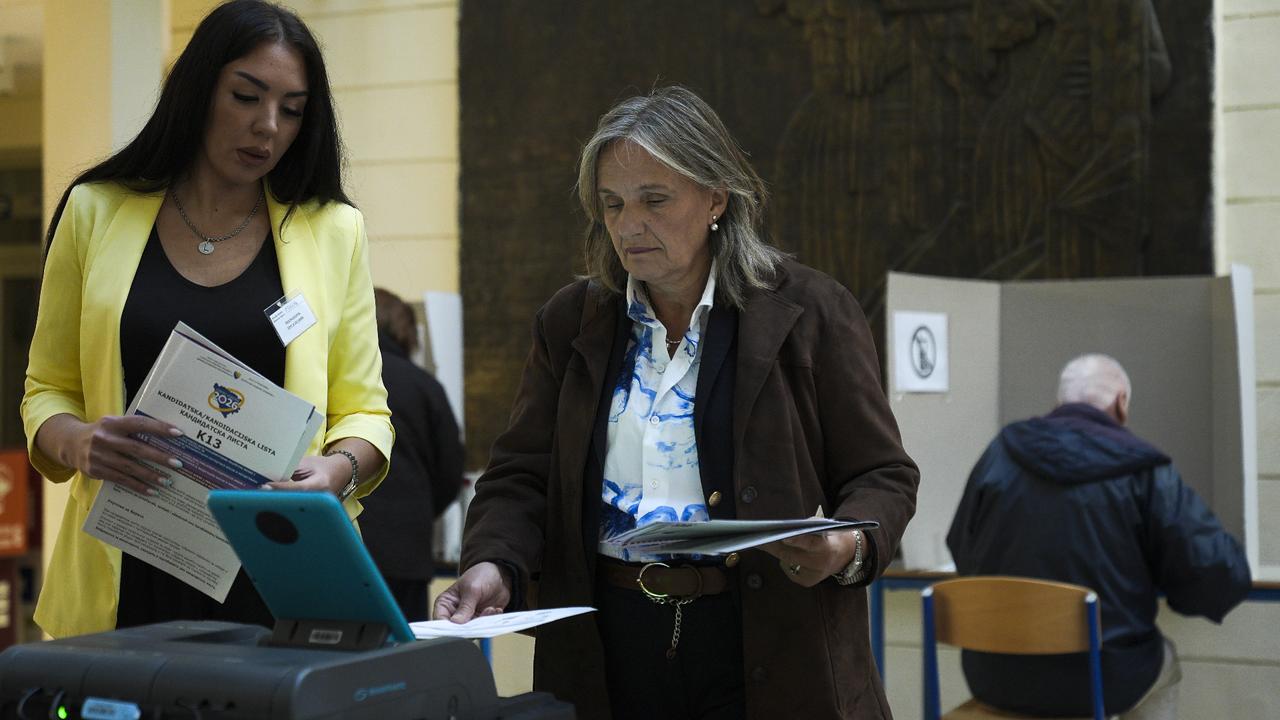
Biometric voter verification, ballot scanning and video surveillance systems operate at all 4,500 or so polling stations, the main innovation of this election.
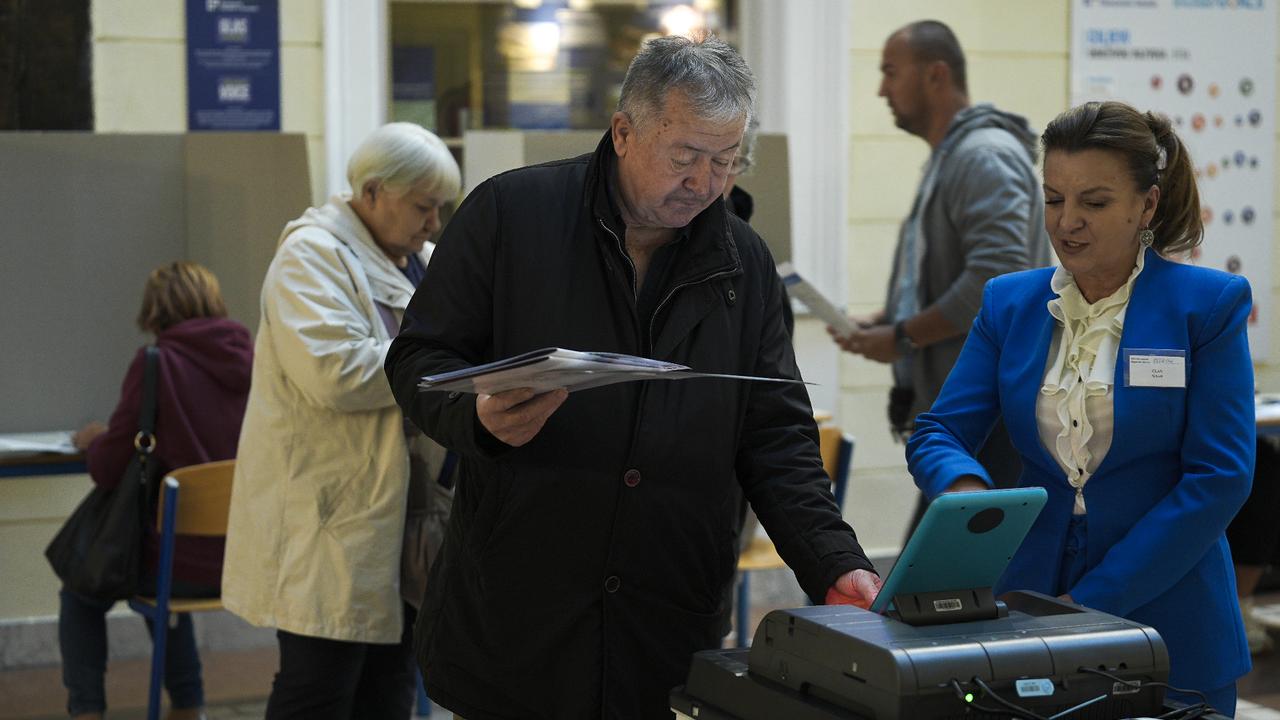
Voters give fingerprints after ID checks.
Paper ballots remain in use, and each person passes the sheet through a scanner before dropping it into the box.
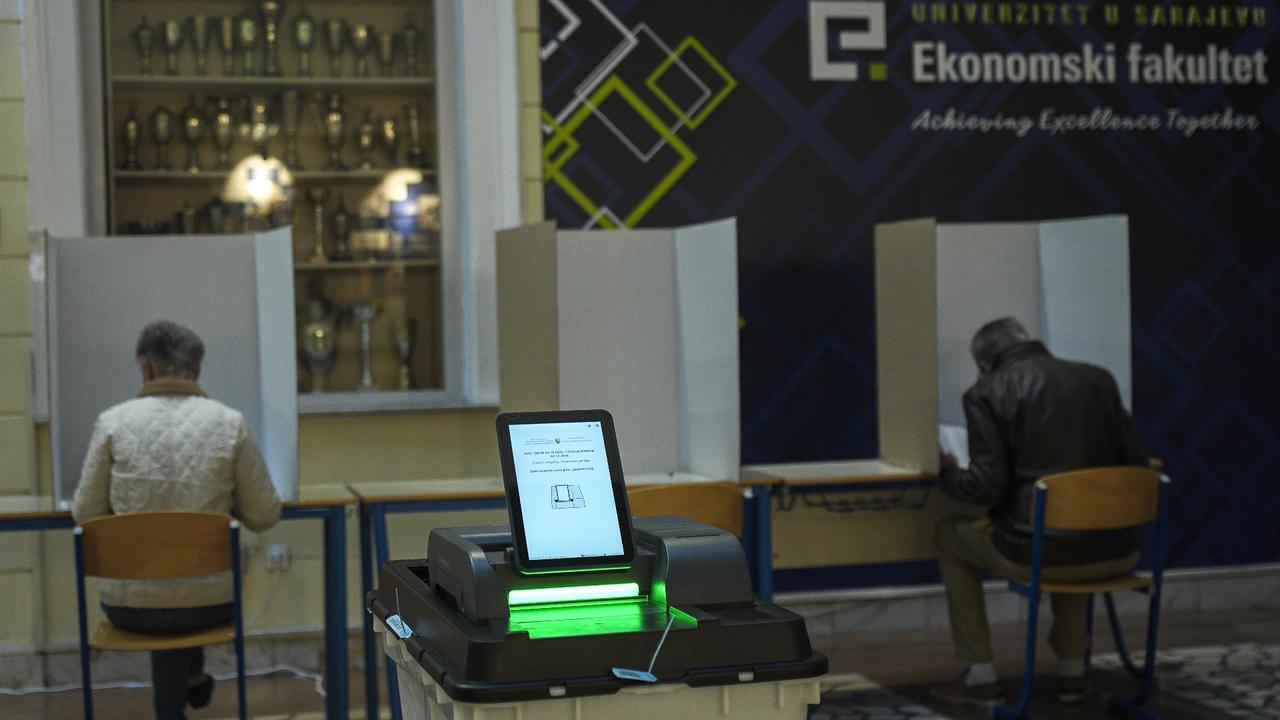
Because scanners send data straight to the Central Election Commission (CIK), first results are expected at 8:00 p.m. In earlier contests, initial tallies typically arrived around 11:00 p.m. A total of 518 officials will be elected.
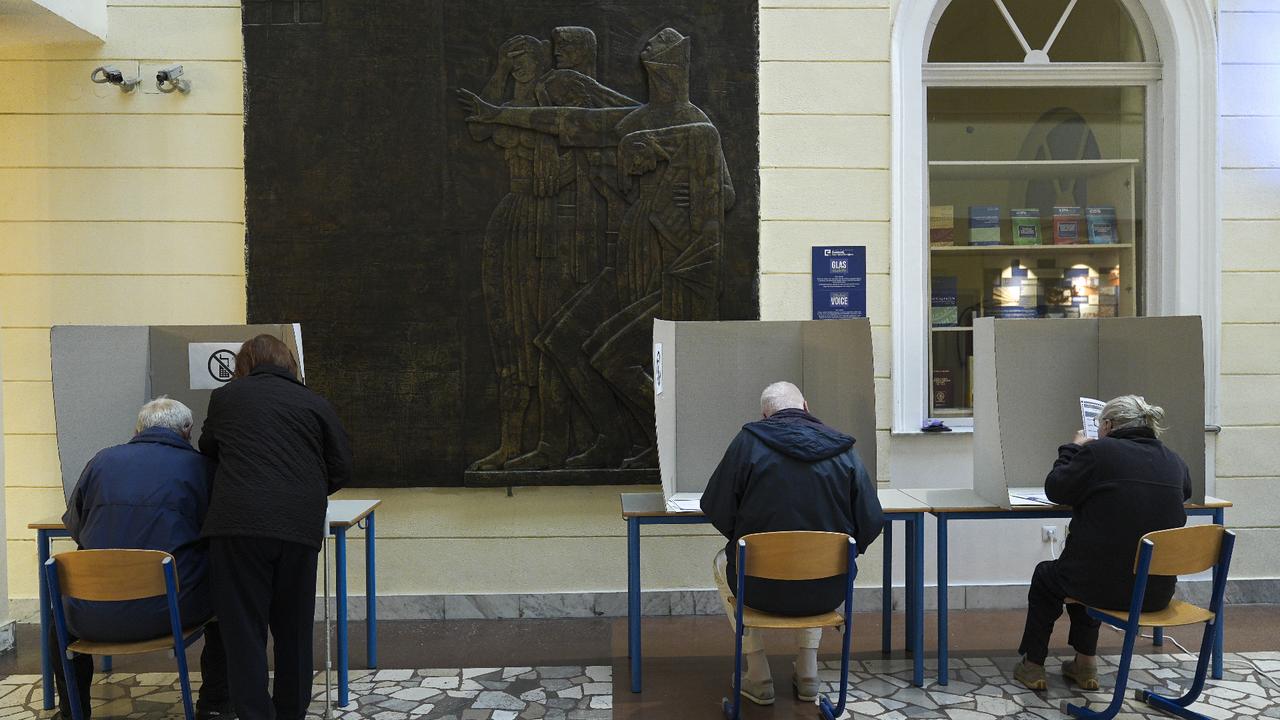
Denis Becirovic, Bakir Izetbegovic, Semir Efendic and Fahrudin Radoncic are running for the Bosniak seat on the Presidency Council. Zeljka Cvijanovic, Marinko Bozovic and Nebojsa Vukanovic vie for the Serb position, while Darijana Filipovic, Zdenko Lucic and Slaven Kovacevic seek the Croat slot.
The RS presidency draws 12 contenders. Each voter marks just 1 name on the ballot, and the person with the most votes becomes president. The race is expected to come down to Savo Minic and Branko Blanusa.
General elections take place every 4 years in Bosnia and Herzegovina. In the Oct. 2, 2022, vote, Denis Becirovic won the Bosniak seat, Zeljko Komsic secured the Croat one, and Zeljka Cvijanovic took the Serb slot.
Bosnia and Herzegovina has a complex political system established under the 1995 Dayton Peace Agreement, which ended the 1992-1995 war. The country consists of the Federation of Bosnia and Herzegovina and Republika Srpska, as well as the self-governing Brcko District.


 Set as preferred source

 1 min read