Sign in
 Newsletters




Iran accused Israel on Monday of running a coordinated disinformation campaign to justify escalating the war, rejecting accusations that Tehran was behind cyberattacks on European supermarket refrigerators and plots to assassinate U.S. officials.
"From the so-called ‘refrigerator cases’ in France to allegations that Iran is plotting to assassinate U.S. officials, we are witnessing what appears to be a coordinated malign narrative campaign orchestrated by Israel’s disinformation machine," Foreign Ministry spokesman Esmaeil Baghaei wrote on X.
The campaign aims to portray Iran "not merely as a threat to Western governments, but as an enemy of ordinary people and their everyday lives," he said.
"The objective is clear: when American and European public opinion refuses to support their leaders’ warmongering, fear must be manufactured to push the public into backing an escalation of the war and to legitimize their leaders’ reckless political and military actions under the pretext of protecting public safety," Baghaei said.
By framing U.S. officials as assassination targets, the campaign "seeks to make the conflict personal for them," he added.
"In their war of aggression against Iran, the United States and Israel have carried out state terrorism in its most blatant form, assassinating officials and targeting ordinary civilians," the Iranian official said.
"Iran, however, has responded, and continues to respond, with resolute resistance and legitimate self-defense. It has neither any need to resort to terror violence, like its enemies do, nor any reason to disrupt the daily lives of ordinary people," he added.
"American officials retreating into military bunkers after days of claiming victory in the war is a transparent attempt to elicit sympathy from a public already outraged by its leaders’ lies," he said, adding: "Iran does not need to become a mirror image of its wicked aggressors to defeat them."

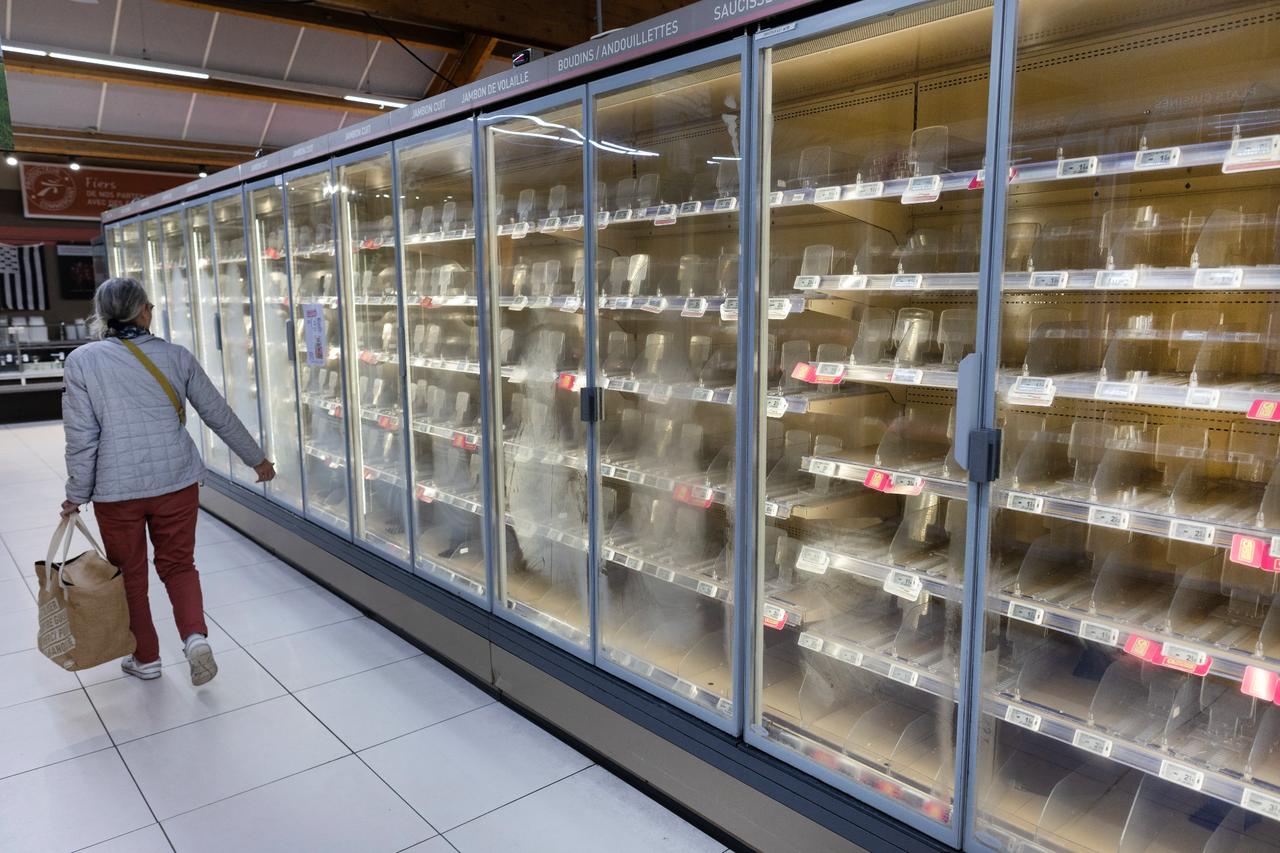
France on Nov. 9 attributed cyberattacks on refrigeration controllers at about 700 retail sites overnight on Oct. 11-12 to Shahid Kaveh, a cyber unit affiliated with the Revolutionary Guards’ Electronic and Cyber Center.
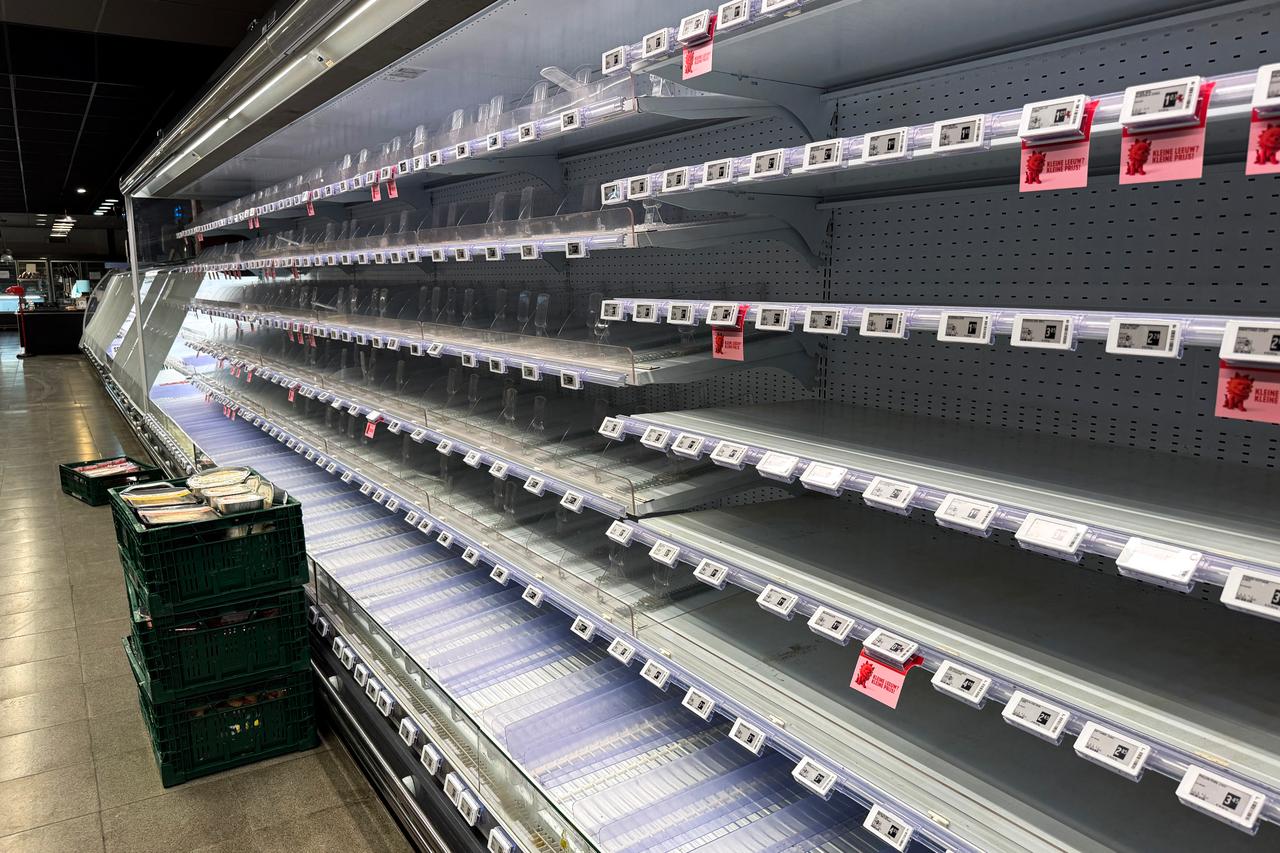
The attacks caused fires, extensive damage and food losses worth tens of millions of euros, the French Foreign Ministry said.
"This attack is unprecedented in both its scale and its level of aggression," Foreign Minister Jean-Noel Barrot said. "We will not stop at summoning the ambassador or imposing European sanctions. We rule nothing out," he told Franceinfo.
Paris prosecutor Laure Beccuau opened an investigation into Shahid Kaveh’s leadership and requested international arrest warrants for two officials.
Attackers used web interfaces to "initiate abnormal, indefinite defrost cycles" and disabled temperature alerts, she said.
Iran’s Foreign Ministry called the French accusations "baseless and one-sided" and said it would "not hesitate to take necessary and appropriate measures to safeguard its national interests."
Foreign Minister Abbas Araghchi wrote: "Unable to manage fridges let alone addressing grievances of its people, French government is shifting blame for its failures onto others."
IRGC spokesman Hossein Mohebbi called the allegations "ridiculous."
"Paris should beware of the Zionist regime’s false flag trap," he wrote.
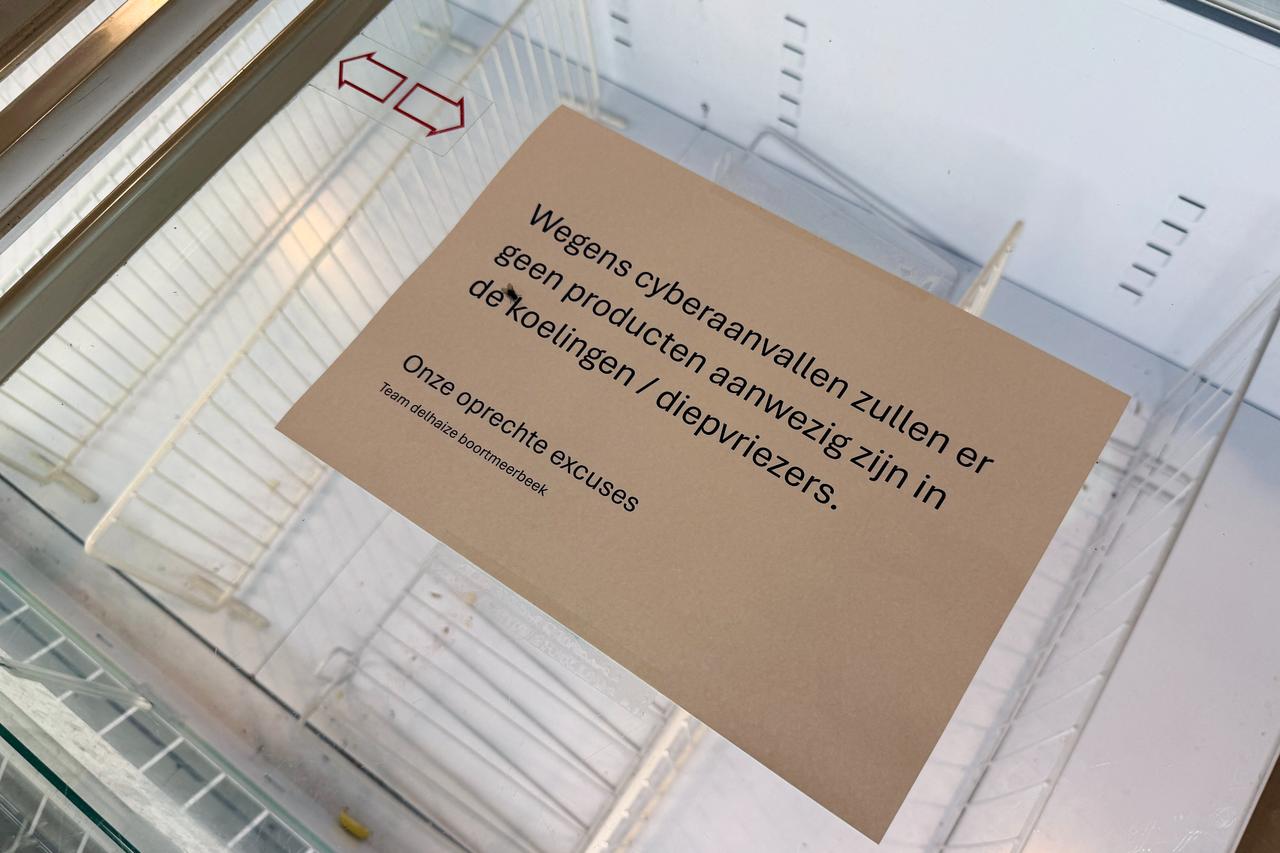
Belgian Interior Minister Bernard Quintin said Nov. 12 that "according to reliable evidence obtained by our agencies, Iran could potentially be behind the attacks" on refrigeration systems at several major retail chains on Nov. 2, while wishing to remain "diplomatically cautious."
Foreign Minister Maxime Prevot said official attribution would be premature, and federal prosecutors are investigating.
Similar incidents were reported in at least 11 other European countries, including Estonia, Finland, Ireland, Italy, Luxembourg, the Netherlands, Portugal and Sweden.
Sweden’s Civil Defense Minister Carl-Oskar Bohlin said it was too early to link Swedish cases to France, noting the sabotage "would have been easy to copy."
The EU pledged a "swift and united response."
ENISA chief Juhan Lepassaar warned: "Today it was fridges, tomorrow it could be routers, the day after tomorrow it could be home appliances."
"It is a continuation of Iran’s asymmetric threat strategy and its determination to bring the battlefield onto European soil," Iran specialist Clement Therme of the University of Montpellier Paul-Valery told Agence France-Presse (AFP), describing a "horizontal escalation" toward civilian infrastructure.
A European security source told AFP that Iran had sent "very clear signals" that another major U.S.-Israeli bombing campaign would have consequences in Europe.
Tehran has also been accused of plots against U.S. air bases in Britain and attacks on Jewish targets, and pro-Iranian networks have circulated an AI-generated video titled "Europe On Fire," as Iran blames Israel for the accusations.


 Set as preferred source
 Set as preferred source


 1 min read
 1 min read