Newsletters


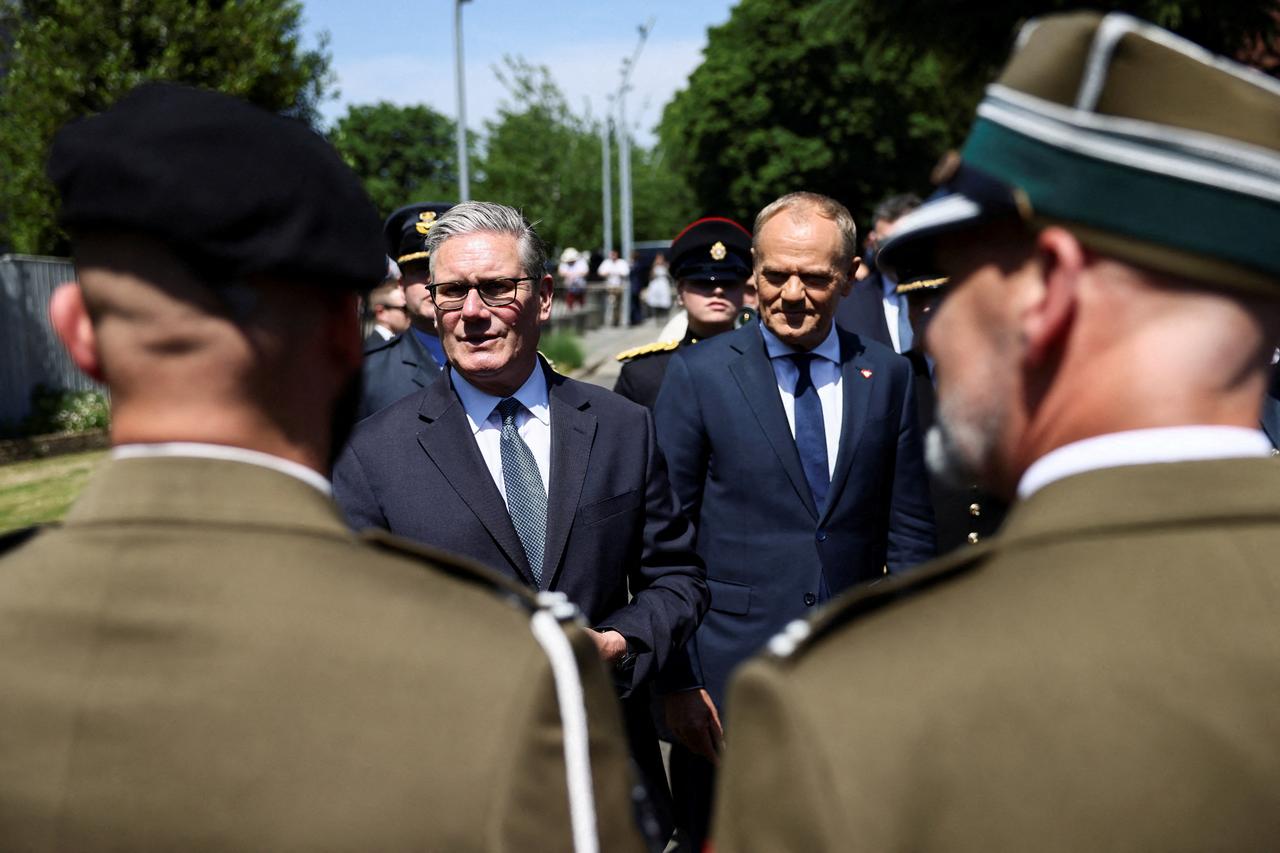


Britain and Poland signed a landmark security and defense partnership treaty Wednesday, formalizing a broad alliance that spans military cooperation, energy security and economic resilience, as the two NATO allies placed Russia at the center of their shared threat assessment.
Prime Minister Keir Starmer and his Polish counterpart Donald Tusk signed the agreement, dubbed the Northolt Treaty, following talks in London, cementing a relationship that both governments described as foundational to stability across the Euro-Atlantic region.
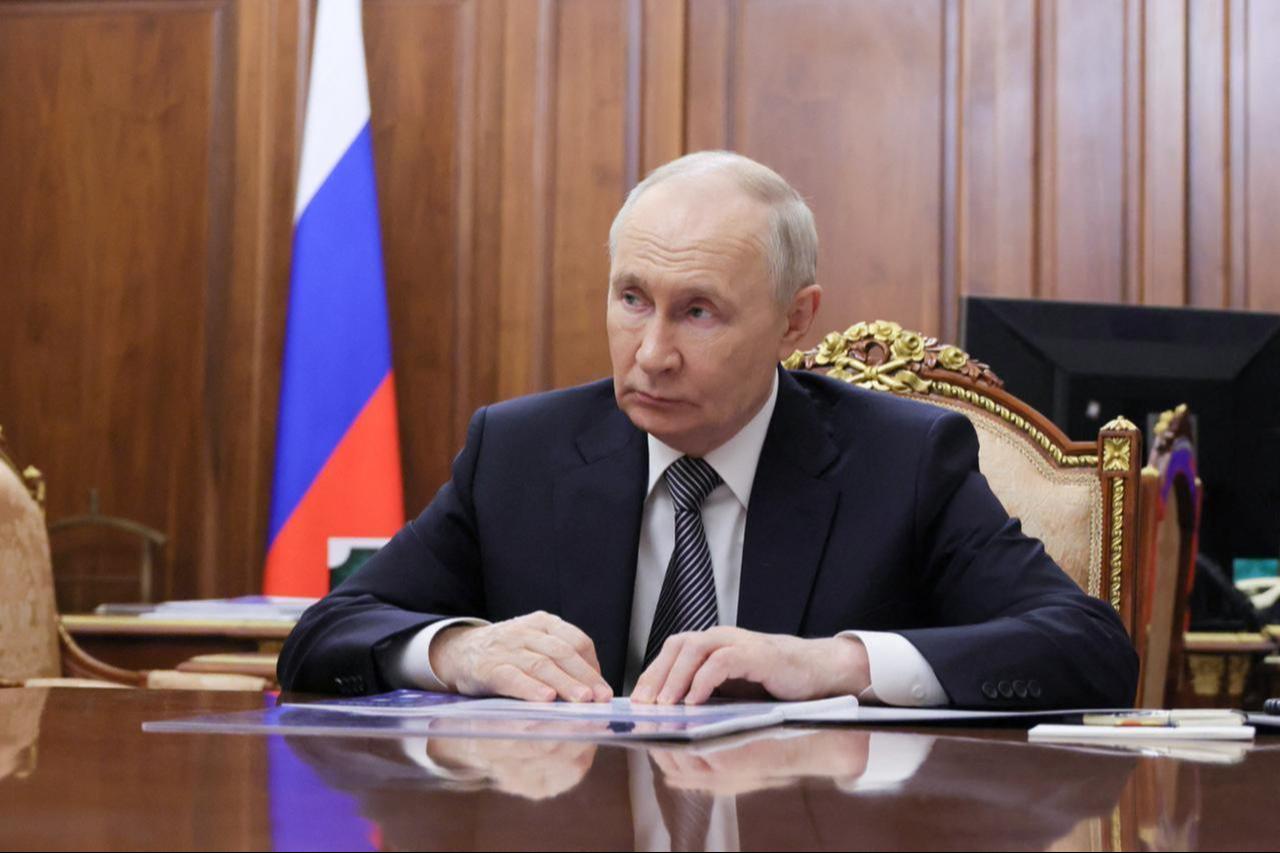

The treaty's language on Russia is among its most striking features. London and Warsaw jointly labeled the Kremlin the "most significant long-term threat" to European security, committing to counter its "malign actions." The declaration marks one of the most explicit bilateral statements on Russia's role in destabilizing the continent issued by two major European powers in recent years.
The agreement builds on a 2017 treaty and a 2023 joint declaration, deepening existing defense ties and extending cooperation into areas including climate and energy security. Both governments also reaffirmed what they called an "ironclad commitment" to NATO as the bedrock of collective defense across the Euro-Atlantic area.
Beyond broad political alignment, the treaty carries concrete industrial ambitions. The two countries committed to greater alignment of their defense industrial and export strategies, recognizing what the text describes as the mutually reinforcing benefits of securing supply chains for national programs while creating a reliable pipeline of orders for defense companies. The arrangement is designed to open pathways for future partnerships between the two countries' defense sectors.
Both sides also pledged to deepen cooperation in international security and foreign policy, with the stated aim of supporting broader international peace and stability.
Reaction from both capitals was swift and emphatic. Tusk marked the signing with a post on X, writing, "Long live the Polish-British alliance! The Northolt Treaty has been signed." Starmer's office said the agreement "strengthens our cooperation, boosts joint capabilities, and reinforces our commitment to NATO," adding that the two countries are "secure at home and strong abroad" by standing together.
Poland, which shares a border with both Russia's Kaliningrad exclave and Belarus, has emerged as one of NATO's most strategically significant eastern members and has sharply increased its defense spending in recent years. For Britain, the agreement extends its post-Brexit effort to maintain deep security engagement with European partners outside the formal structures of the European Union.


 Set as preferred source
 Set as preferred source


 1 min read

 1 min read