Sign in
 Newsletters


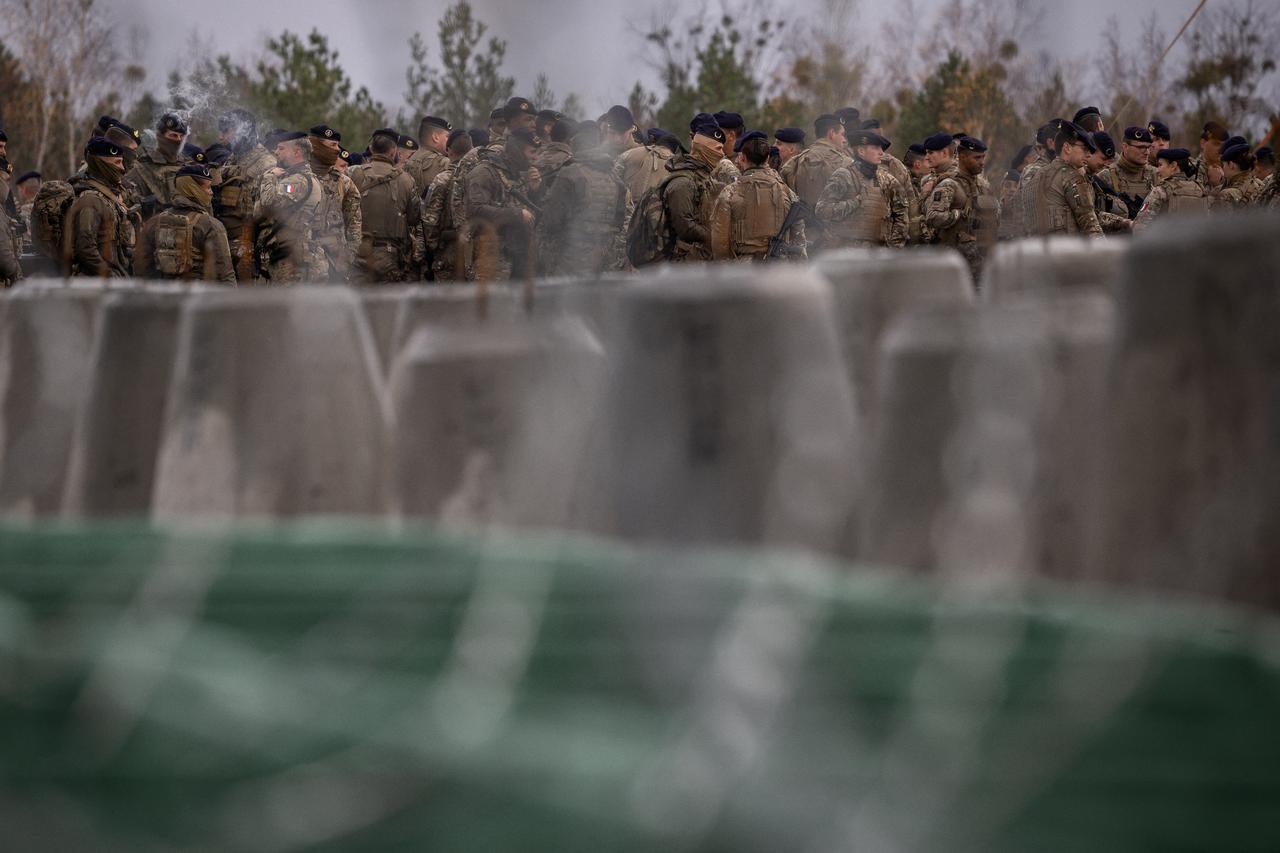


Europe, including Türkiye and the U.K., could spend an estimated €320 billion ($350.9 billion) on direct military infrastructure from 2026 to 2035, according to consulting firm BCG, as construction and building materials companies position themselves for a defense infrastructure boom, the Financial Times (FT) reported on Saturday.
BCG's estimate, which excludes Ukraine, covers barracks, ammunition storage, military airfields, naval bases, training areas and command-and-control facilities, according to the report.
BCG estimates a further €300 billion ($329 billion) will go to broader defense and security investments in Germany, France and Poland alone, including making bridges, ports and power grids suitable for military use, bringing the potential total to €620 billion.
Major groups, including Spain's ACS, Austria's Strabag and France's Vinci forecast more defense and dual-use projects, while suppliers Heidelberg Materials, Holcim and CRH have flagged rising demand, the newspaper said.
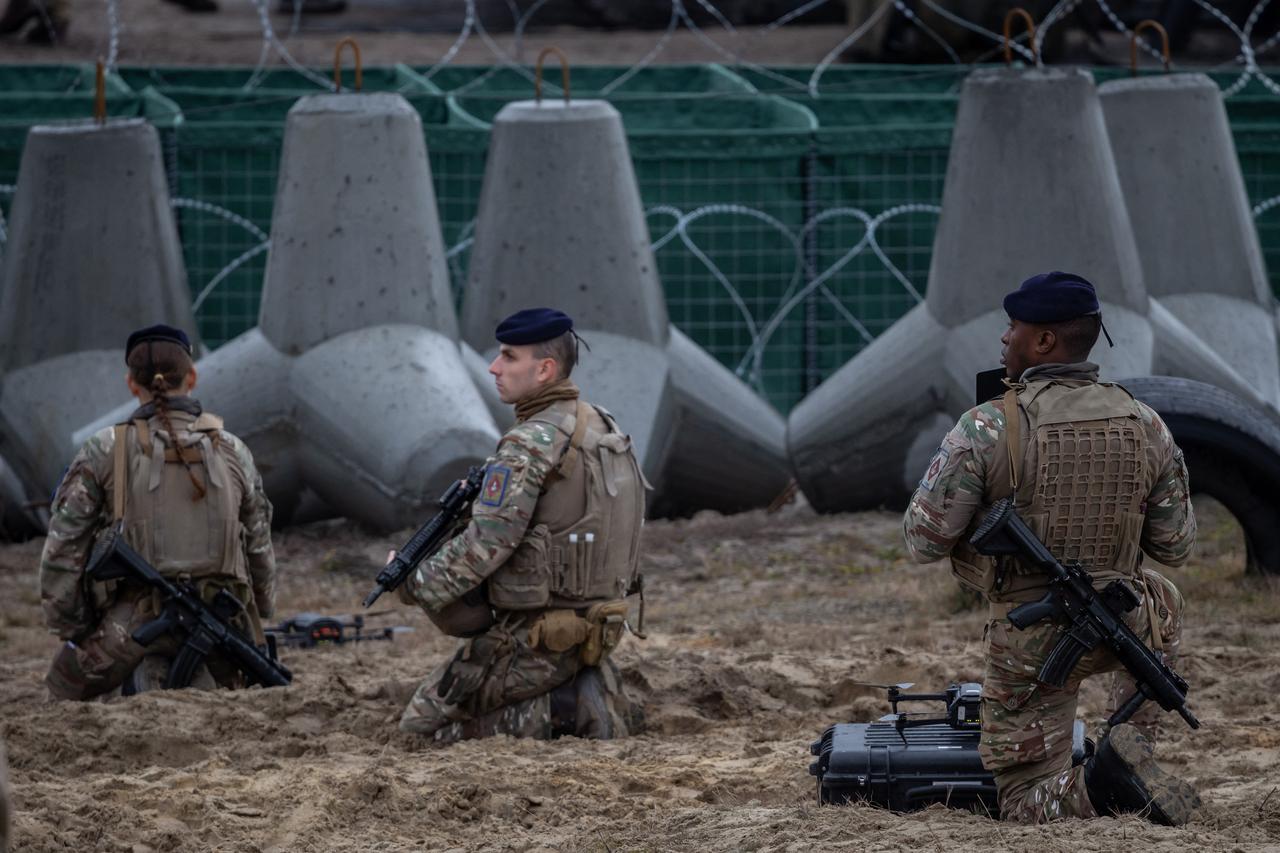

ACS forecast this month that global defense infrastructure spending will almost double to as much as €120 billion ($131.6 billion) a year by 2030 from €68 billion ($74.5 billion) this year.
In Europe, it projects an increase to as much as €30 billion ($32.9 billion) from €19 billion ($20.8 billion). A chart of ACS projections shows North America rising to roughly €84 billion ($92.1 billion) from about €45 billion ($49.3 billion) and Australia to about €6 billion ($6.5 billion) from roughly €3 billion ($3.2 billion).
ACS has completed 154 security and defense projects in Europe and is modernizing a military airport in the Czech Republic and an armed forces university campus in Germany.
Strabag is helping build a military hospital near Ramstein Air Base in Germany under a €859 million ($942.1 million) contract.
Companies are setting up dedicated defense teams, developing new products and securing security clearances for staff, according to the report. CRH is developing low-carbon concrete designed to withstand heavy military vehicles and freezing winters.
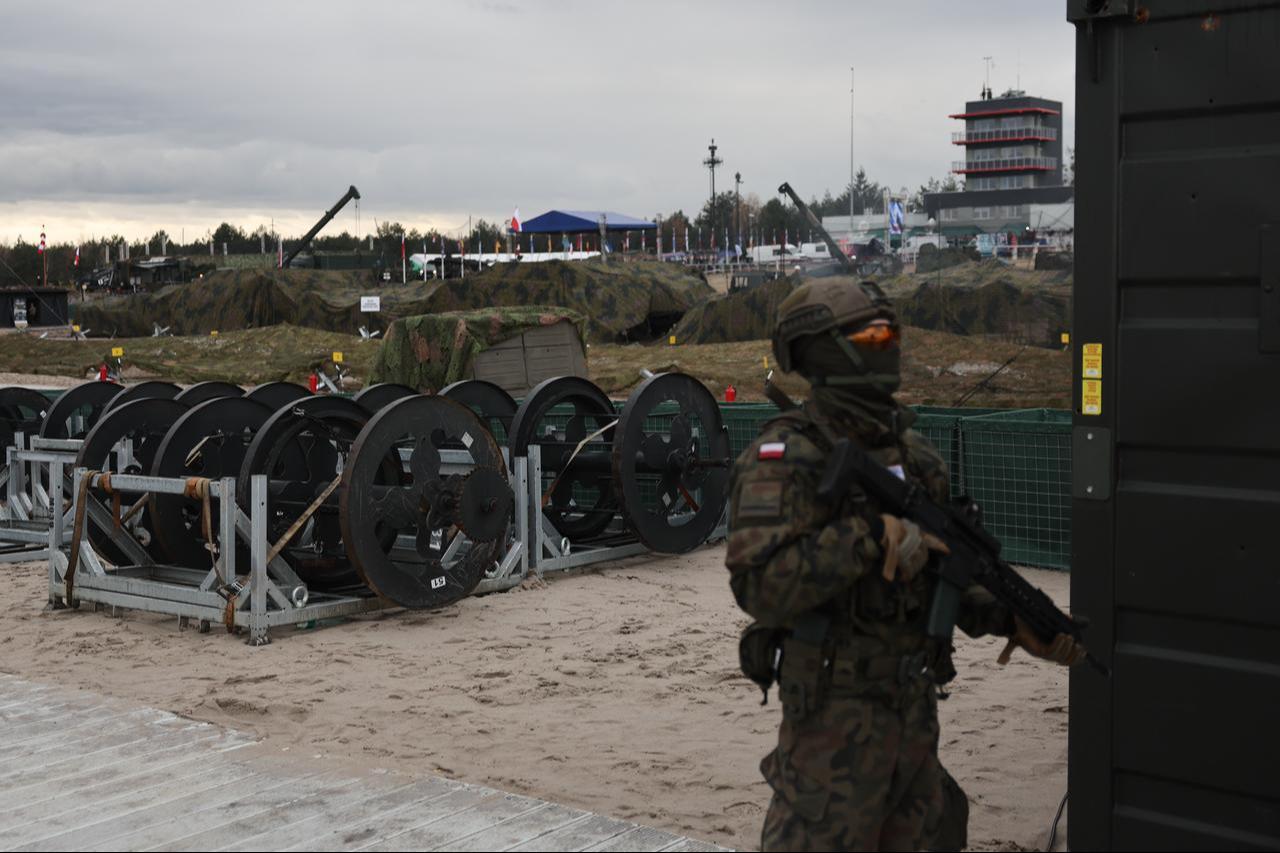
NATO members committed last year to spend 5% of GDP annually on defense by 2035, including 1.5% for security, infrastructure and civil preparedness. Actual spending will depend on national finances, political will and bureaucracy.
"There is often a Grand Canyon between a political commitment and a poured foundation," said Anthony Codling, head of building materials research at RBC Capital Markets.
The EU's declared defense infrastructure spending is estimated at €11.6 billion ($12.7 billion) this year, according to the European Defense Agency.
That figure has risen about 20% a year since 2023 but remains far below the pace needed to reach BCG's forecast, as builders bet on Europe's defense infrastructure push.


 Set as preferred source
 Set as preferred source



 4 min read