Sign in
 Newsletters


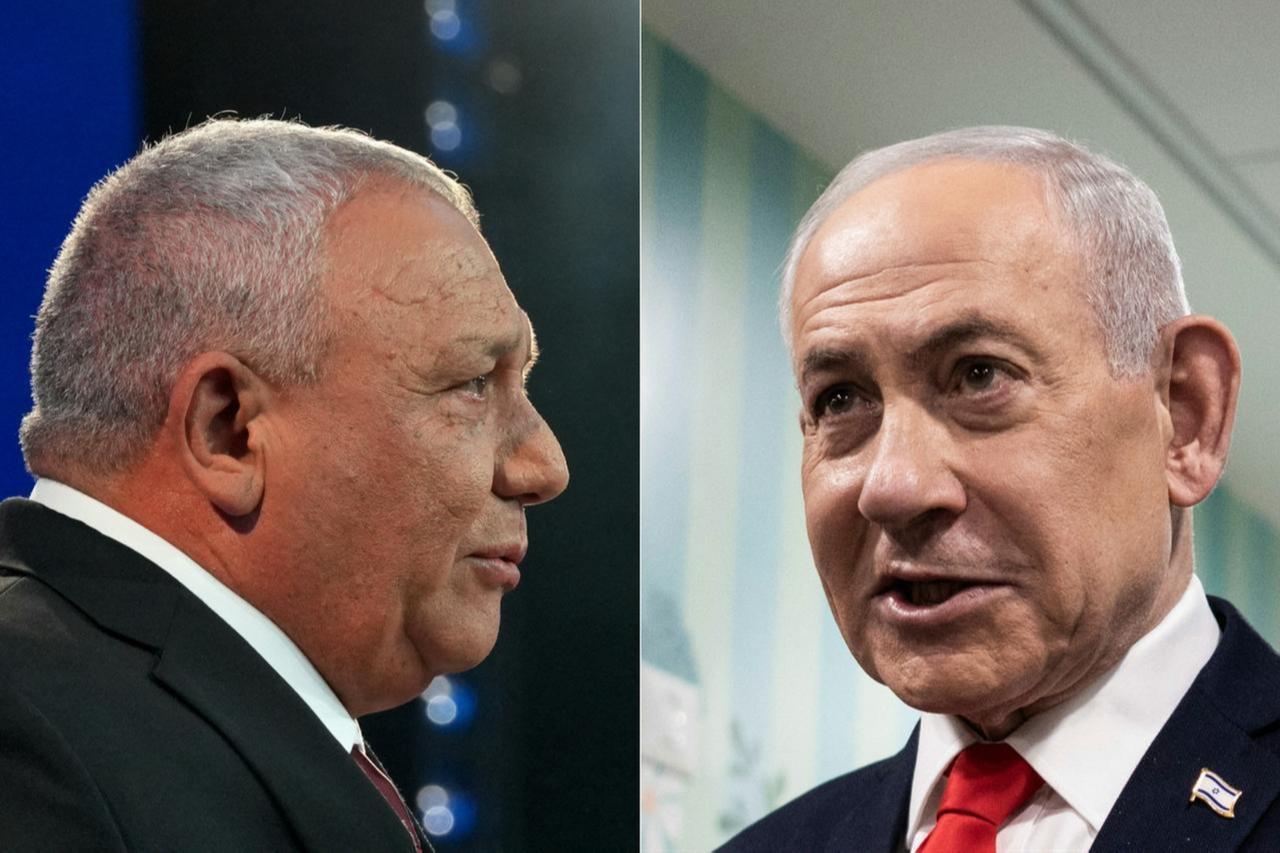


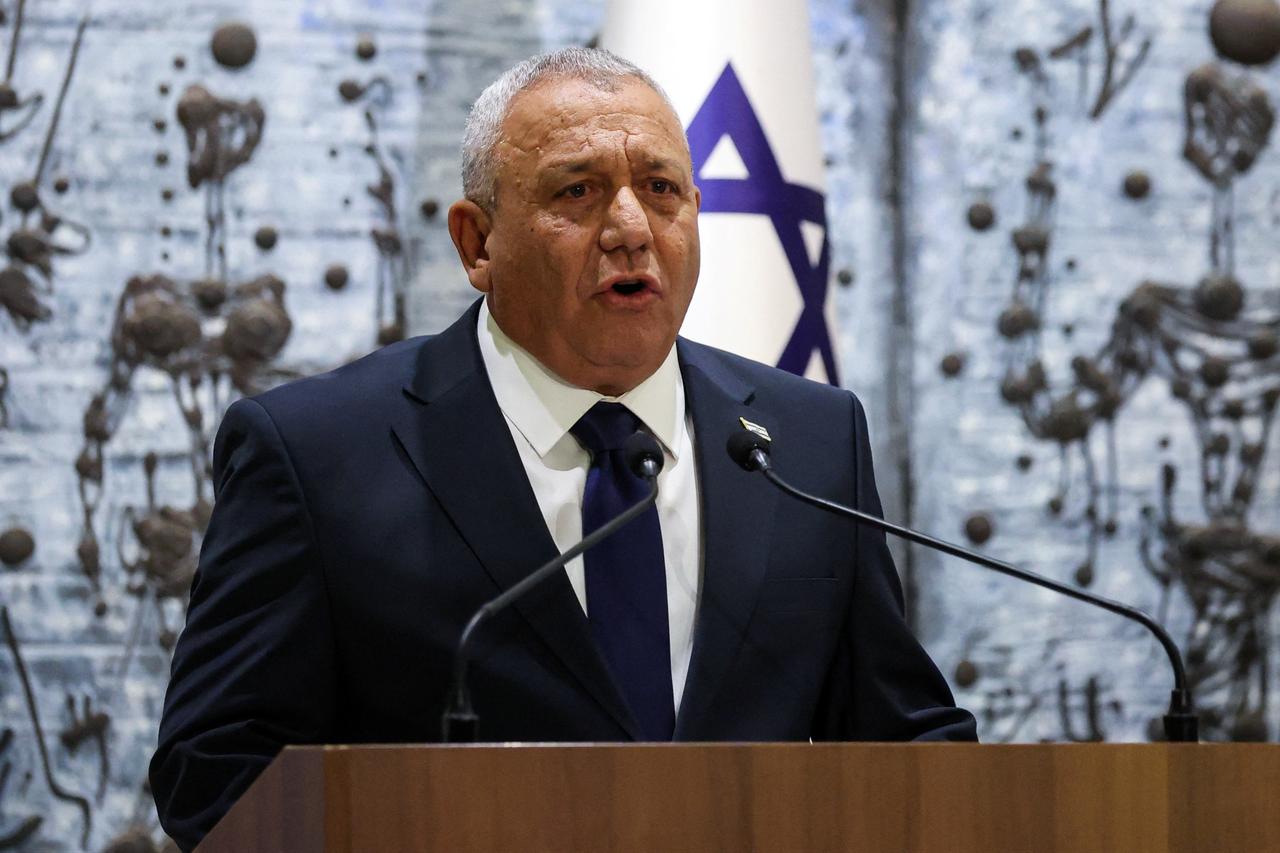
Gadi Eisenkot, the lawmaker tasked with forming Israel's next government, has invited caretaker Prime Minister Benjamin Netanyahu's right-wing Likud party to coalition negotiations, his party said on Saturday.
The talks between Eisenkot's centrist Yashar party and Likud are scheduled to begin on Sunday. Yashar said the invitation reflected a "genuine commitment to forming the broadest possible government."
Eisenkot, a former military chief, has until next month to assemble a government to replace Netanyahu's. The October election produced no clear majority for either political bloc. Under Israel's parliamentary system, a candidate needs the backing of 61 of the 120 members of the Knesset to govern.
In a statement, Yashar said Eisenkot had instructed the party's negotiating team to invite its Likud counterparts to a "marathon series of talks," starting with the meeting already set for Sunday. The party said it would "leave no stone unturned" as it works toward the breakthrough needed to form a government.
The announcement comes as Eisenkot's broad anti-Netanyahu camp is divided over how to proceed. Some in the bloc are weighing alliances with the ultra-Orthodox parties and Arab-majority lists, while others favor a national unity government that would include Netanyahu's bloc.
Former Prime Minister Naftali Bennett, an important figure in Eisenkot's camp, called on Saturday for a "Zionist unity government headed by Eisenkot." Bennett, who led an unusually diverse coalition as prime minister before leaving office, said he was committed to ensuring Netanyahu does not return to the premiership. His party, he said, will not join Netanyahu or his bloc "under any circumstances."
Netanyahu has pressed hard for a national unity government, which he argues is needed to guarantee Israel's security. Eisenkot has signaled openness to governing alongside members of Likud, but he has previously ruled out serving in a government led by Netanyahu himself.
On Friday, Eisenkot vowed not to let the coalition-building process drag on. He said he would be prepared to put a minority national emergency government to a parliamentary vote if efforts to build a broad-based government fail.


 Set as preferred source
 Set as preferred source


 1 min read
 1 min read