Newsletters





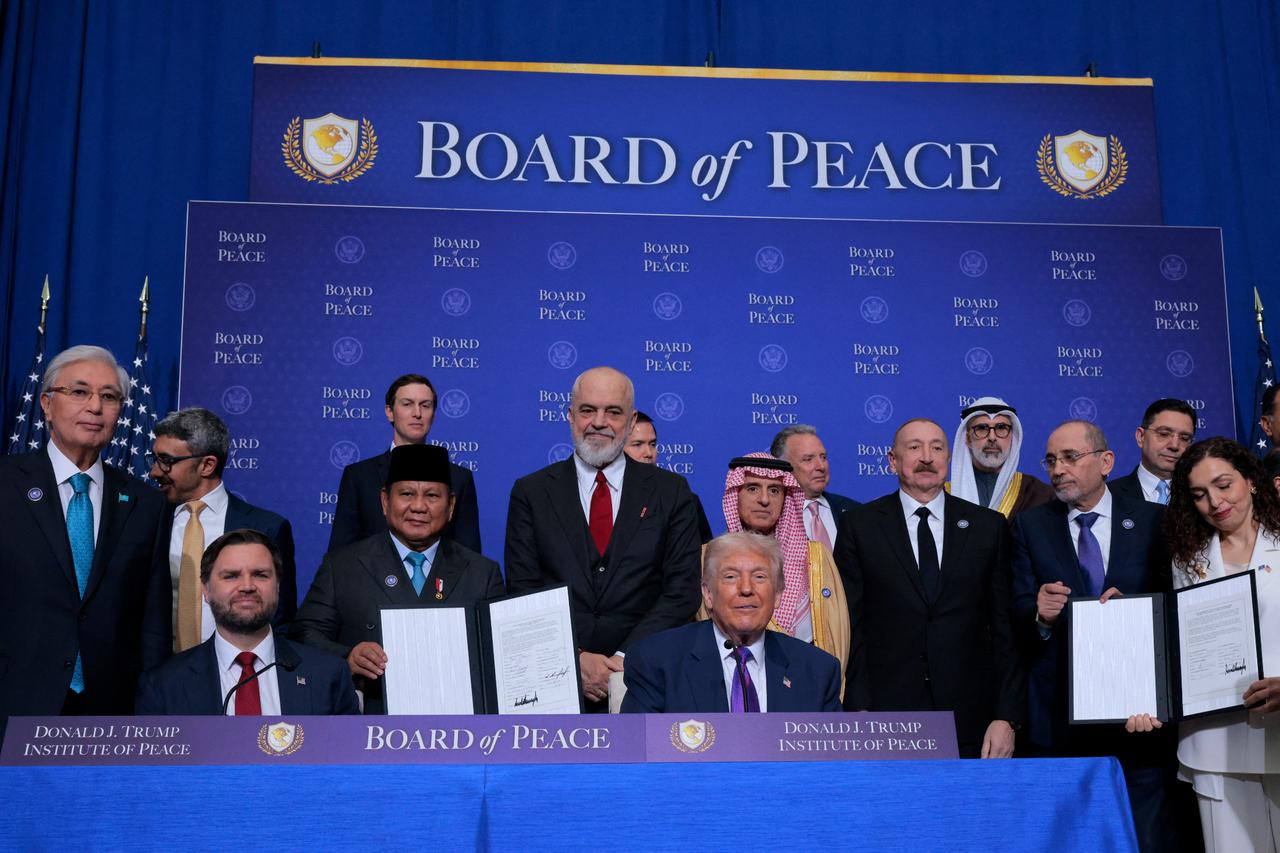
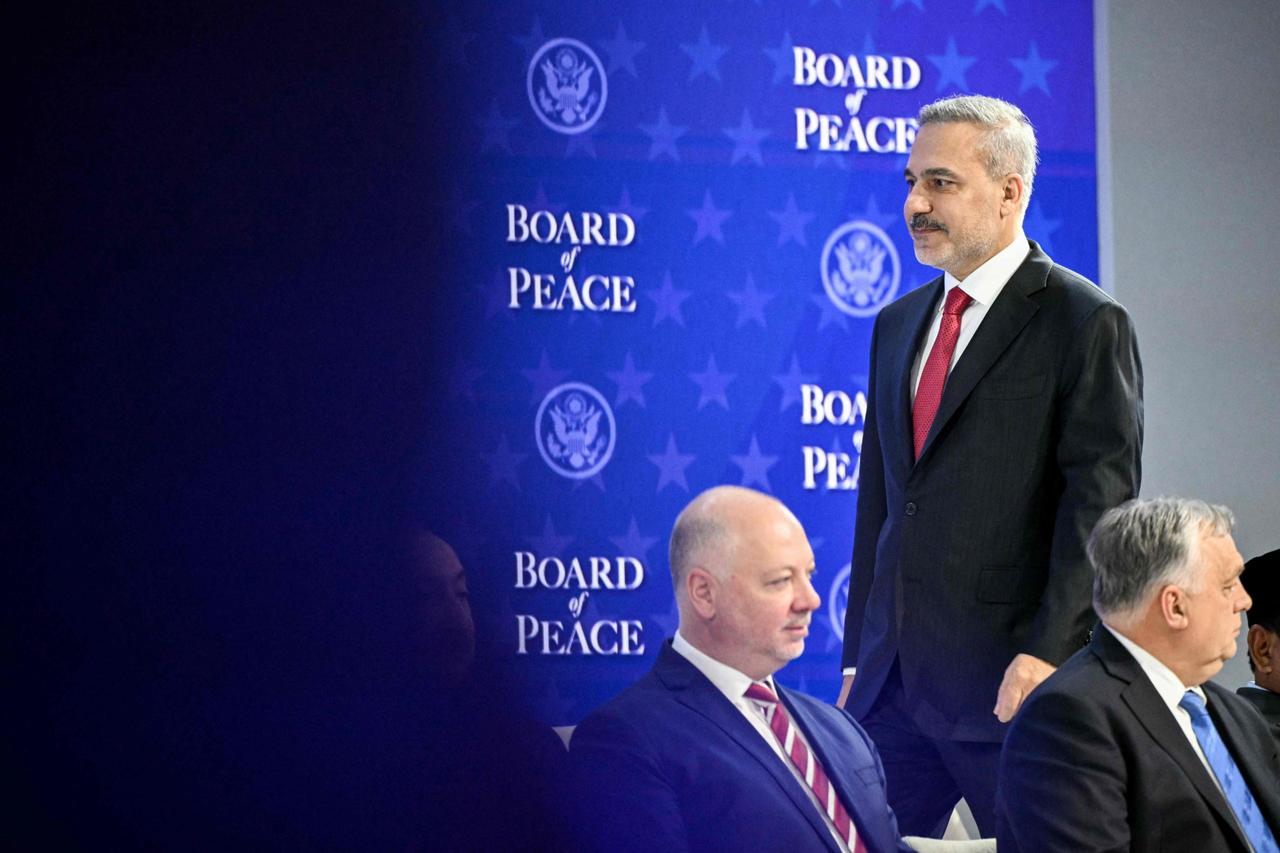
Business and political leaders at the inaugural meeting of the U.S.-led Board of Peace called for moving beyond temporary relief in Gaza toward a permanent reconstruction framework, outlining multibillion-dollar plans tied to security conditions and governance reforms.
Marc Rowan, CEO of Apollo Global Management, said the objective is to transform current momentum into a long-term foundation rather than short-term assistance.
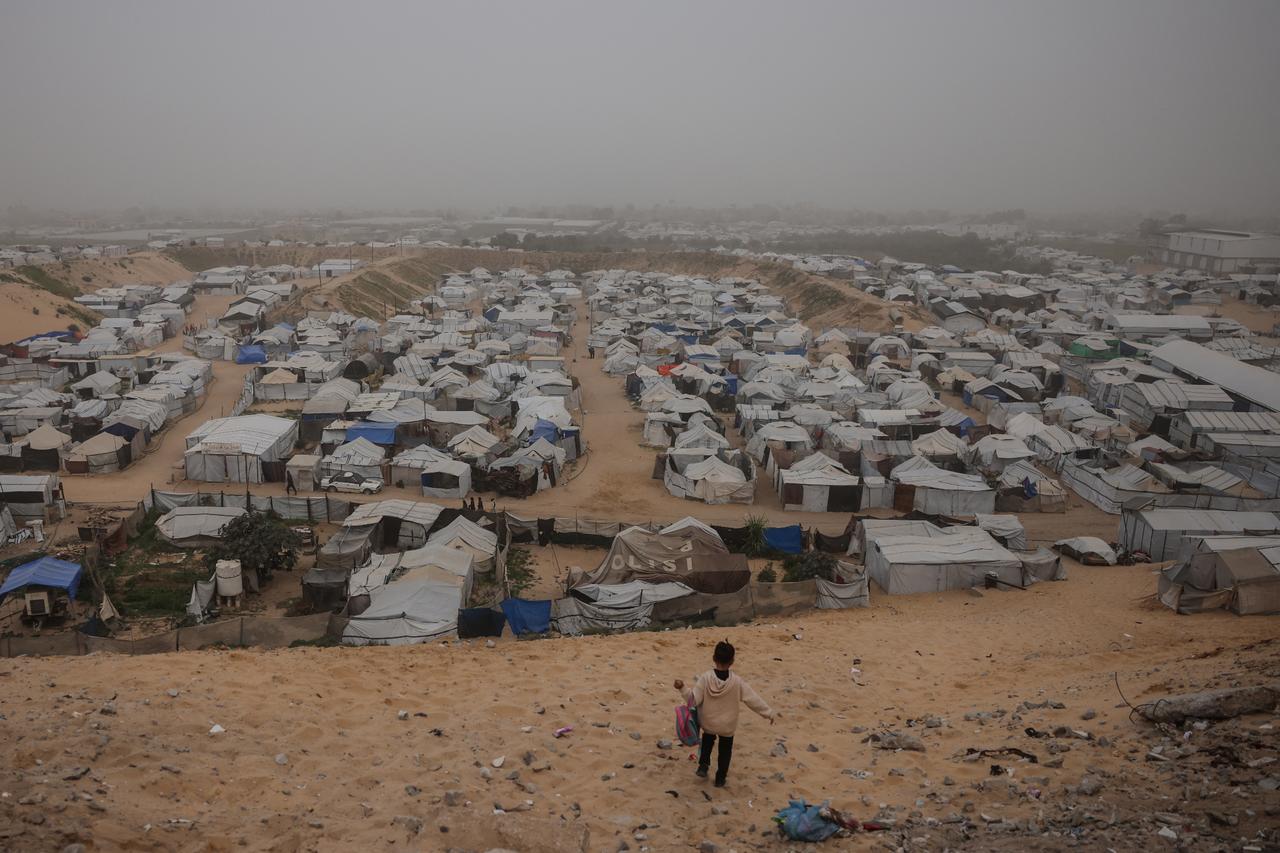

Rowan said the plan would consolidate Gaza’s productive assets under a unified structure, enabling independent and professional management for the benefit of its residents.
The initial phase envisions building 100,000 homes for 500,000 residents, supported by $5 billion in infrastructure investment. The long-term vision includes 400,000 homes and over $30 billion in infrastructure.
He said the Gaza coastline alone holds an estimated $50 billion in value, while rebuilt housing stock and infrastructure are each valued at more than $30 billion. In total, he said, $115 billion in economic value “needs to be unlocked and financed.”
Rowan argued that the challenge is not funding or collateral but achieving peace. He identified Khan Younis as the first location where security will be deployed.
Rowan also serves as vice chairman of Darca Schools in Israel and chairman of the board of the UJA-Federation of New York. He previously led a campaign criticizing the University of Pennsylvania over its hosting of the Palestine Writes Literature Festival in 2023, after which then-President Elizabeth Magill resigned.
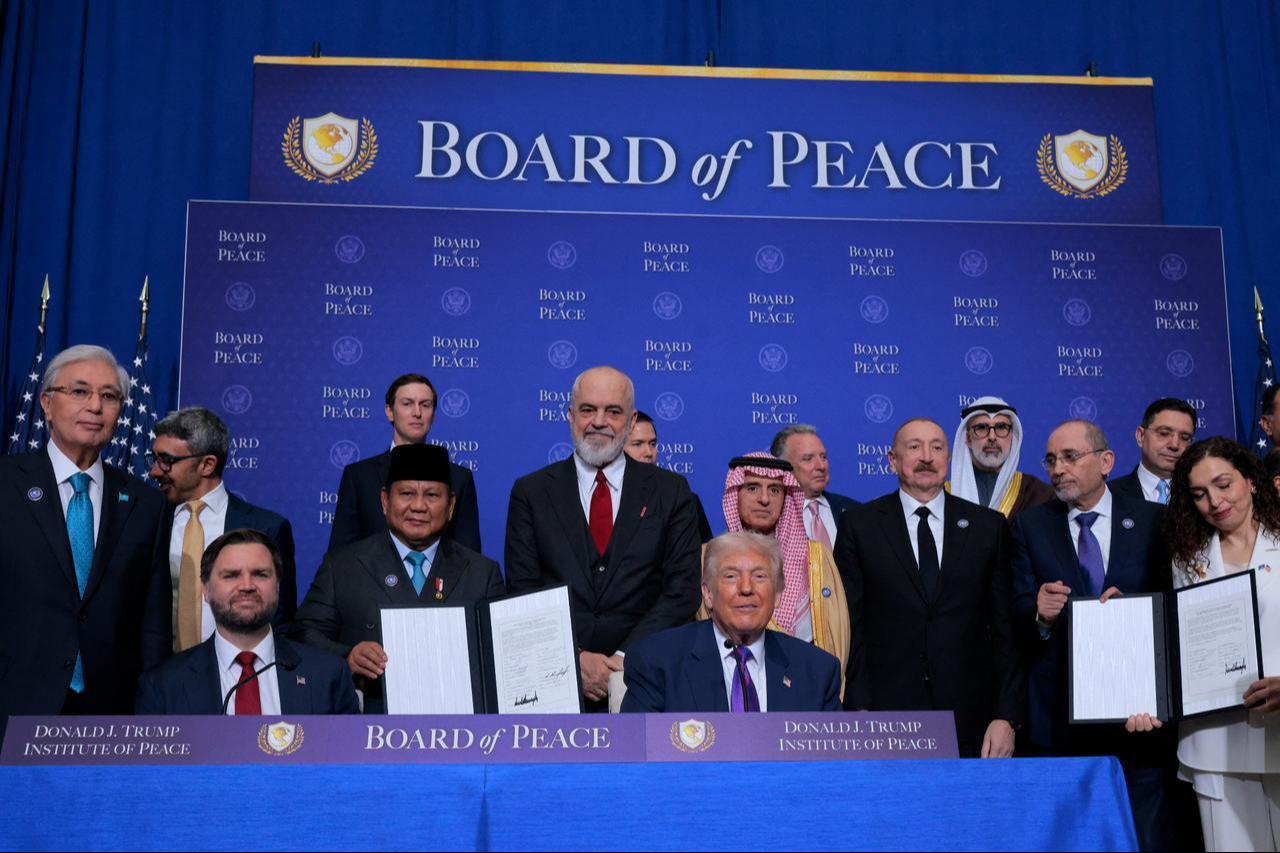
Cypriot-Israeli businessman Yakir Gabay said reconstruction depends entirely on the full disarmament of Hamas.
He said the redevelopment plan begins with clearing 70 million tons of rubble, unexploded ordnance and underground tunnels, while providing temporary housing and building permanent homes and essential infrastructure.
The master plan includes schools, hospitals, manufacturing and agriculture sectors, roads, trains, water and energy plants, logistics hubs, telecommunication and tech data centers, sports facilities, and a new seaport and airport.
Gabay said regional contractors are prepared to participate and that funding has been secured. He added that the 26-mile Gaza coastline could be developed with 200 hotels, with value directed to Gazans through a sovereign fund.
Israeli tech entrepreneur Liran Tancman said Gaza must reconnect digitally and economically to the world. He said the National Committee for the Administration of Gaza (NCAG) is building a secure digital backbone enabling e-payments, financial services, e-learning and health care.
He said Palestinian, Arab and U.S. partners are working together to deliver practical solutions, including an Amazon-like logistics system to facilitate trade.
Tancman previously co-founded the Gaza Humanitarian Foundation (GHF) during Israel’s blockade. Human Rights Watch and the UN have criticized aid distribution systems associated with biometric vetting, saying they risk becoming intelligence-gathering points.
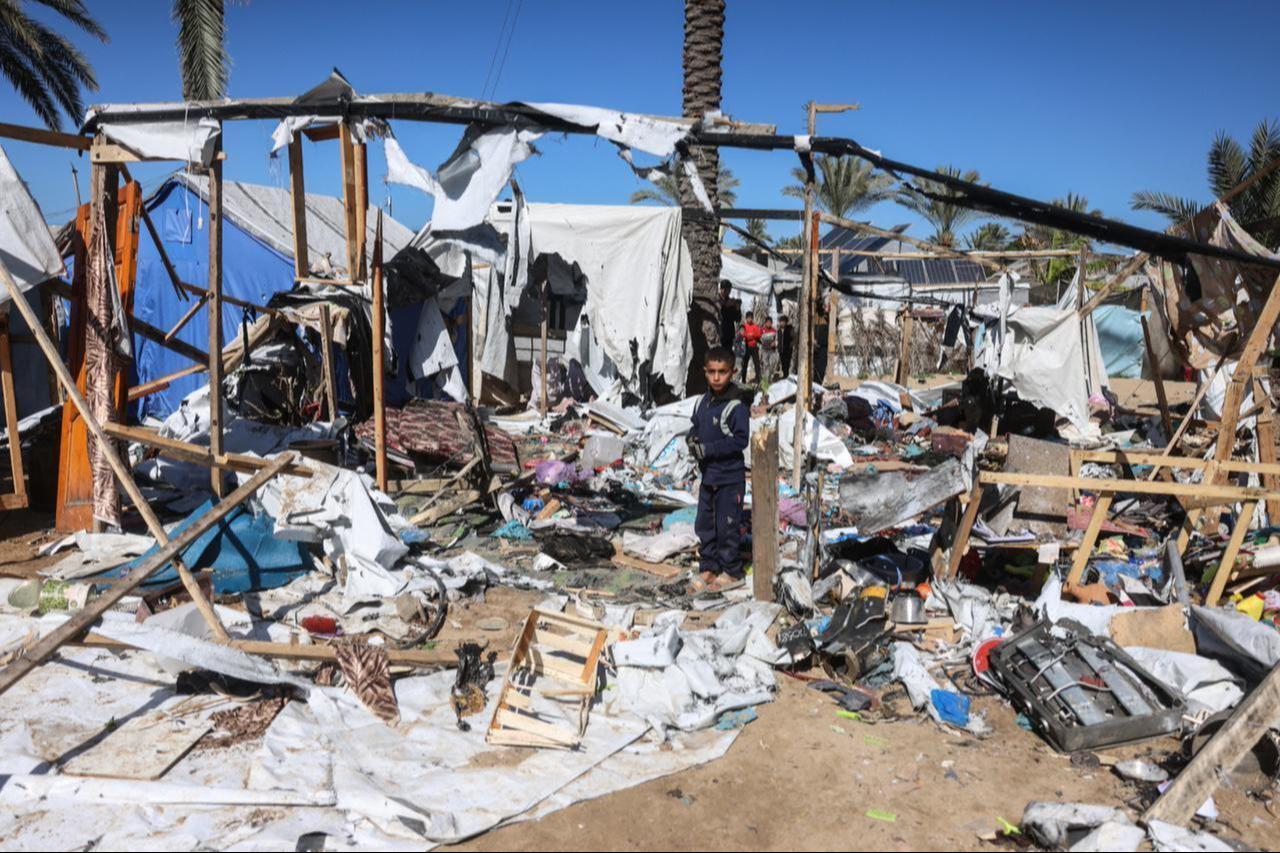
Romanian President Nicusor Dan said Romania is prepared to evacuate 1,000 children from Gaza for medical treatment and potentially support up to 4,000 family members. He said Romania can help rebuild emergency response systems and core institutions such as police and public administration.
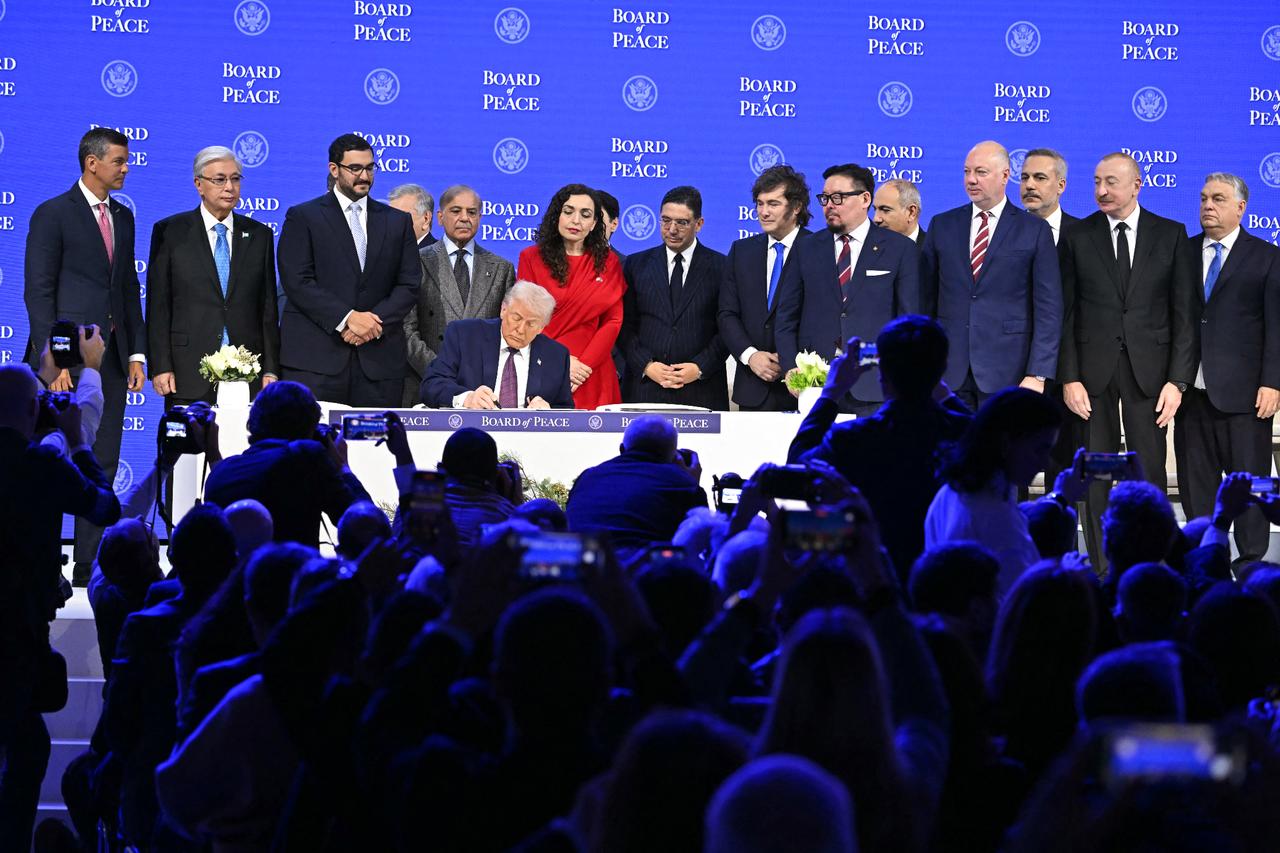
Paraguayan President Santiago Pena praised the Board of Peace initiative and said Paraguay is ready to collaborate, though it will not contribute financial resources.
A U.S.-backed ceasefire has been in place since Oct. 10. Israel’s offensive since October 2023 has killed more than 72,000 Palestinians and injured over 171,000, according to Gaza’s Health Ministry. Despite the ceasefire, 611 Palestinians have been killed and 1,630 injured in reported violations, the ministry said.
The Board of Peace was established within efforts toward a peaceful settlement in Gaza and has since expanded its mission to promote peacemaking globally.


 Set as preferred source
 Set as preferred source


 2 min read
 1 min read