Newsletters


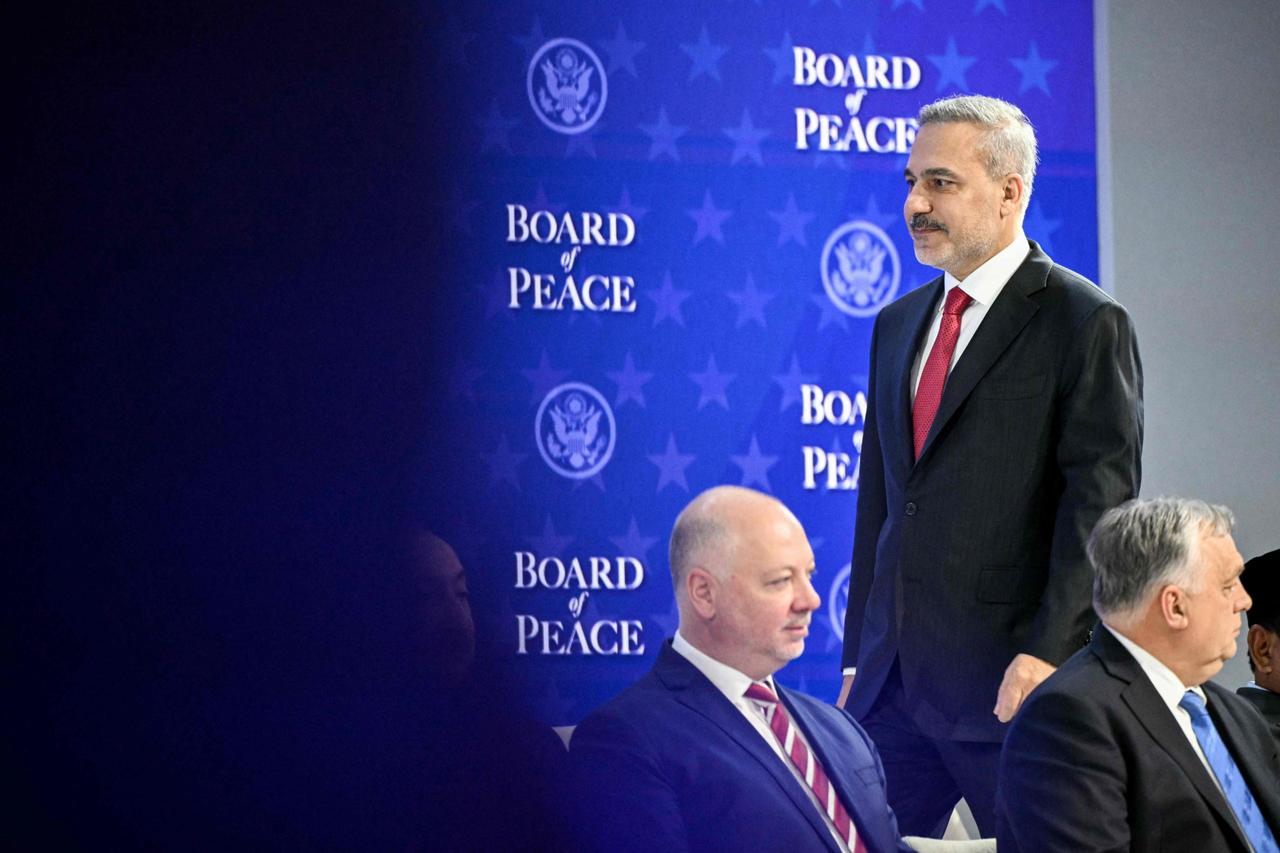


In parts of Türkiye's media circles, the invitation for the country to join the newly formed "Board of Peace" has been widely hailed as a political gesture and a recognition of Türkiye's indispensable regional weight.
International inclusion, however, is rarely an affirmation rather than an obligation.
It is vital to understand that this "seat at the table" is designed to transform adversarial influence into conditional cooperation and is less likely to be about prestige or indispensability in regional diplomacy.
The Board of Peace initiative is a good step in terms of stability and Türkiye's taking part is hopeful for American-Turkish relations, and that Türkiye’s presence is a reality-based necessity rather than a sentimental alignment.
Nonetheless, it should be mentioned that the inclusion is not the ultimate "prize" but a "test" that binds Türkiye to a process where constructive behavior is rewarded, and obstruction carries costs with the US administration.
Rather than a diplomatic embrace, the reconciliation represents an effort to transform Türkiye’s regional weight into regulated, accountable cooperation within the new type of U.S.-led framework.
The Turkish public often views international participation through the lens of prestige. Yet, the "Board of Peace" is not intended to be "comfortable" for its participants of Middle Eastern origin.
For more than a decade, Türkiye has positioned itself as a central interlocutor on Middle Eastern crises. This role relied heavily on assertive rhetoric, flexible alliances and informal mediation channels rather than binding institutional commitments.
The Board of Peace signals a clear departure from that model. Membership shifts influence from performative diplomacy to a framework defined by benchmarks, timelines, and collective responsibility.
Within this structure, political statements carry limited value unless matched by tangible outcomes. De-escalation initiatives, reconstruction coordination, and security guarantees are expected to deliver measurable results.
As a consequence, Türkiye’s regional posture becomes subject to continuous evaluation. Influence is no longer asserted through positioning alone but earned through sustained contribution.
Thus, the Board membership in this framework shifts Türkiye’s role from "performative diplomacy" and confrontational rhetoric to "practical contribution" and public accountability.
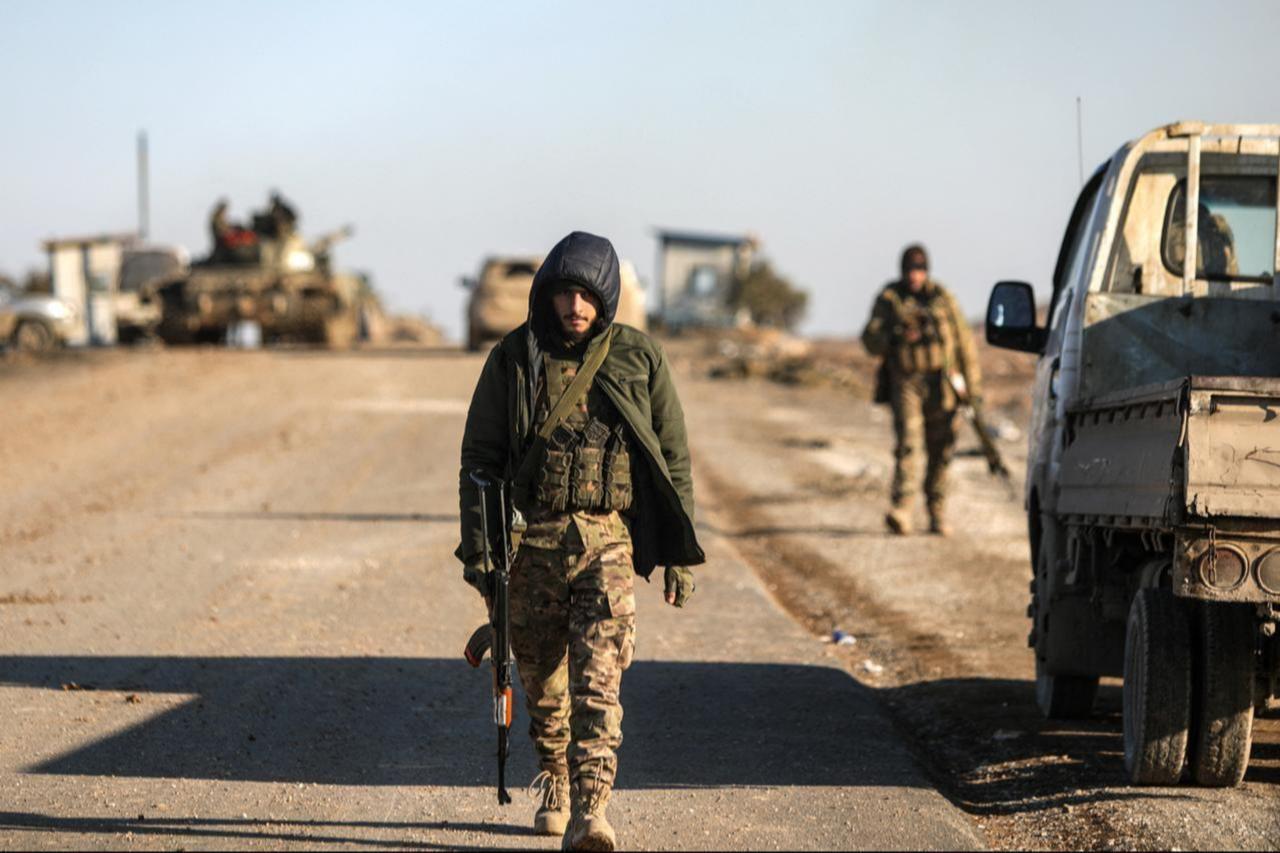
The overarching framework of this nascent era in Turkish-American relations possesses a functional utility that extends well beyond the immediate purview of the Board, with strategic engagements in northern Syria serving as a poignant case in point.
For nearly a decade, Ankara has maintained a steadfast insistence on a bilateral partnership with the United States over any alignment with non-state militant factions, and it became a diplomatic objective it has finally realized its diplomatic objective, removing a tall barrier between NATO allies.
By the same token, this resolution should be interpreted not merely as a geopolitical triumph, but as a formidable mandate of stewardship.
Indeed, such an acquisition may demand significant sacrifices from the government, potentially requiring the expenditure of domestic political capital and the endurance of internal policy trade-offs.
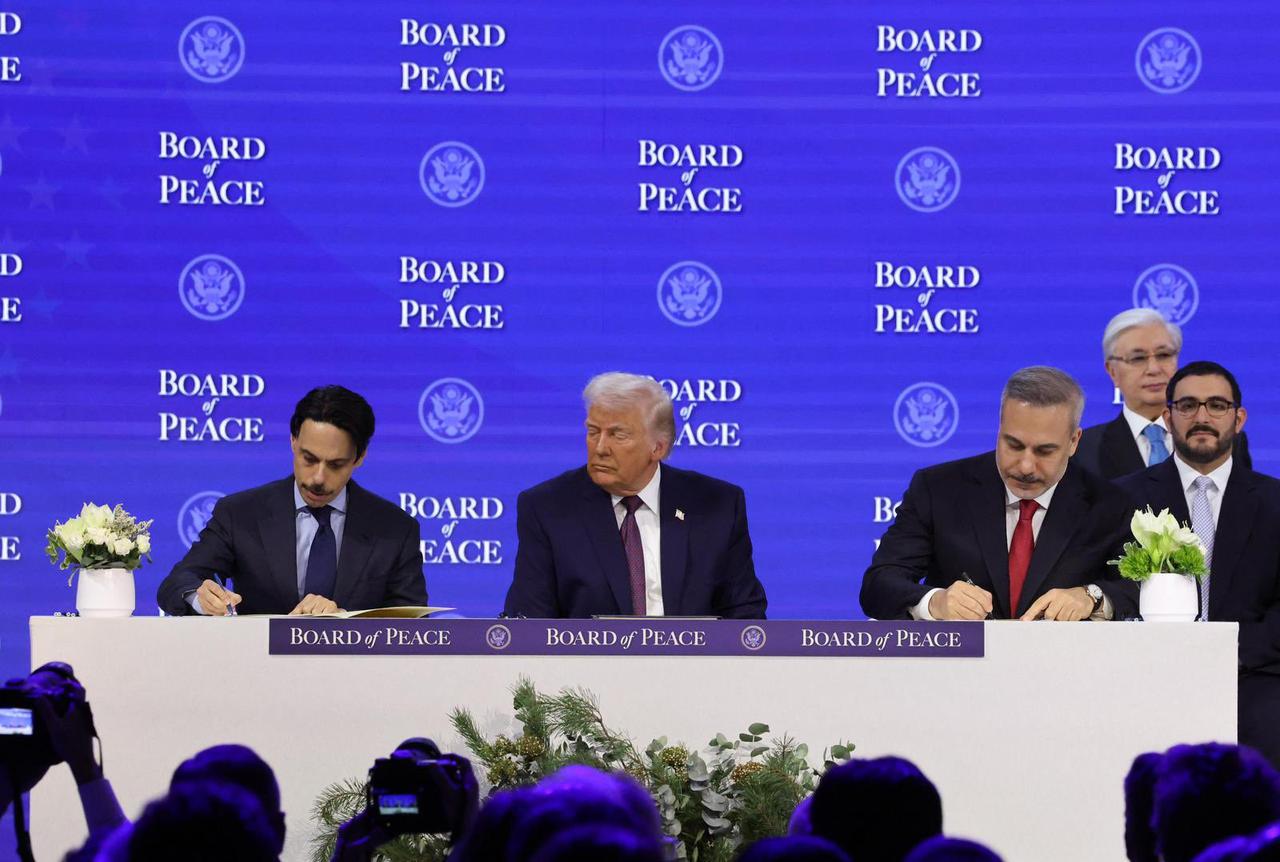

Participation on the board brings visibility, but it also imposes scrutiny. Ankara’s actions—both inside the framework and in parallel regional theaters—are assessed against shared objectives and commitments.
This visibility ties Türkiye’s regional standing directly to performance. Informal back-channel diplomacy is replaced by institutional oversight and public accountability.
The framework also narrows the space for obstruction. Delays, tactical vetoes, or destabilizing moves carry political and reputational costs within a system anchored to U.S. priorities.
In this context, constructive behavior enhances standing, while divergence invites pressure.
While it's true that ‘peace’ is forged with one’s adversaries, the activation of this particular mechanism of leverage carries inherent risks; Ankara may find itself inadvertently drawn into alignments that it wouldn't hope to be in a fast manner.
The Trump administration’s foreign policy is predicated on the dual imperatives of consolidating American gains while enforcing the principle of burden-sharing.
For instance, many European governments have abstained from participating in this Board, though primarily due to profound ideological mismatches, but also because they are shirking responsibility for most issues and are therefore looked down upon by Washington.
Their absence limits their ability to influence post-conflict arrangements and regional security coordination. Türkiye, by contrast, has been offered a role from within.
While the Board of Peace is a mechanism of control, it is also Türkiye’s best chance to move from the periphery of "moral clarity" to the center of strategic relevance.
Türkiye’s future standing within this structure will depend on its ability to translate rhetoric into policy and ambition into concrete outcomes.
U.S. Ambassador to Ankara Tom Barrack said last year that President Donald Trump plans to give Türkiye the "legitimacy" it seeks, predicting "dramatic changes" in bilateral relations ahead.
The cost of granting legitimacy to the United States is minimal. However, it is not easily granted. Indeed, Türkiye was unable to obtain it during Trump's first term.
Yet Türkiye was meeting these emerging standards well before the current administration’s tenure.
Throughout the 2010s, Ankara remained a distinct outlier within NATO, consistently maintaining defense expenditures above the 2% of gross domestic product (GDP) threshold, thereby fulfilling the very fiscal benchmarks that have now become a cornerstone of American expectations.
This responsibility, which has now become an obligation, was the kind of opportunity Ankara had been preparing for and seeking for many years.
Now the board is linking Türkiye’s regional relevance to its willingness to contribute to sustained stability in line with the goals of its leadership.


 Set as preferred source
 Set as preferred source


 2 min read