Newsletters


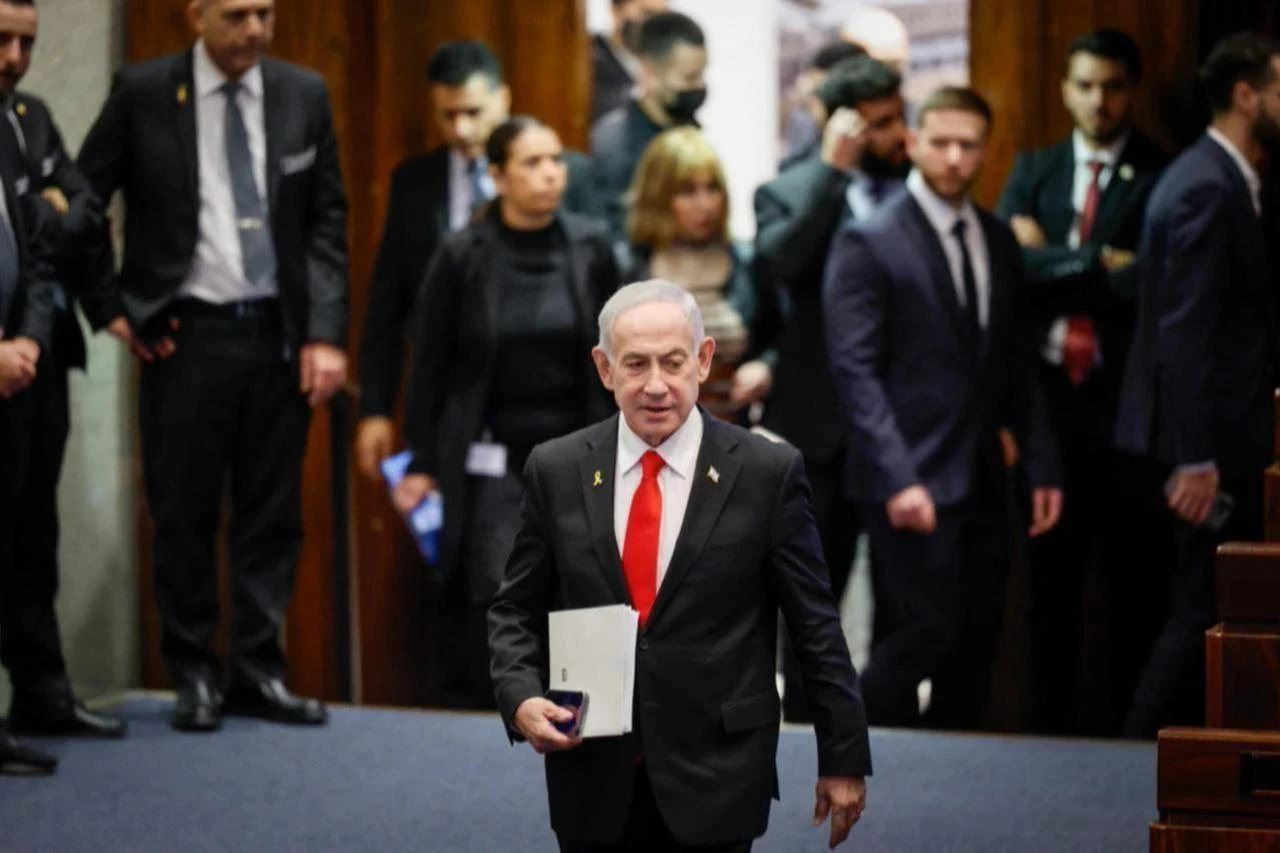


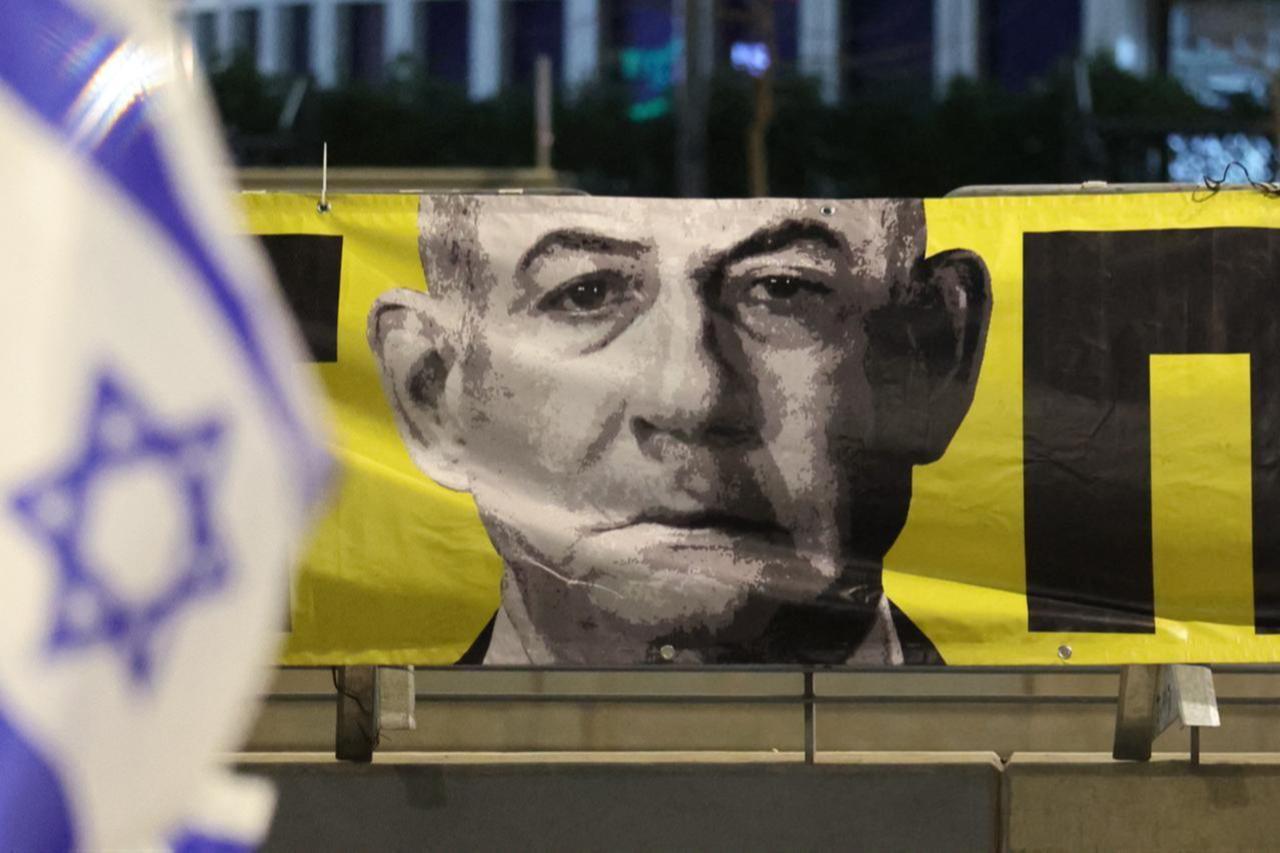
Israel's Prime Minister Benjamin Netanyahu intervened to prevent a Knesset vote on the formal recognition of the so-called Armenian genocide following direct contact from a senior Azerbaijani official, an Israeli source told Haaretz, exposing a rift between Netanyahu and Foreign Minister Gideon Sa'ar over one of the most diplomatically sensitive moves in recent Israeli history.
The Israeli government had approved the recognition last month, but the vote that would have brought the measure before parliament was quietly shelved.
According to the Israeli source, the intervention came after Hikmat Hajiyev, a political adviser to Azerbaijani President Ilham Aliyev, contacted the Prime Minister's Office.
Israeli officials subsequently informed their Azerbaijani counterparts that the matter had been removed from the Knesset's agenda before the summer recess.
Sa'ar's office denied that Netanyahu had blocked the vote but offered no alternative explanation.
"There is a government decision, and it was approved unanimously," the foreign minister's office said in a statement.
"It will not be changed, and that is the important and historic fact." The Prime Minister's Office and Hajiyev did not respond to Haaretz's requests for comment.
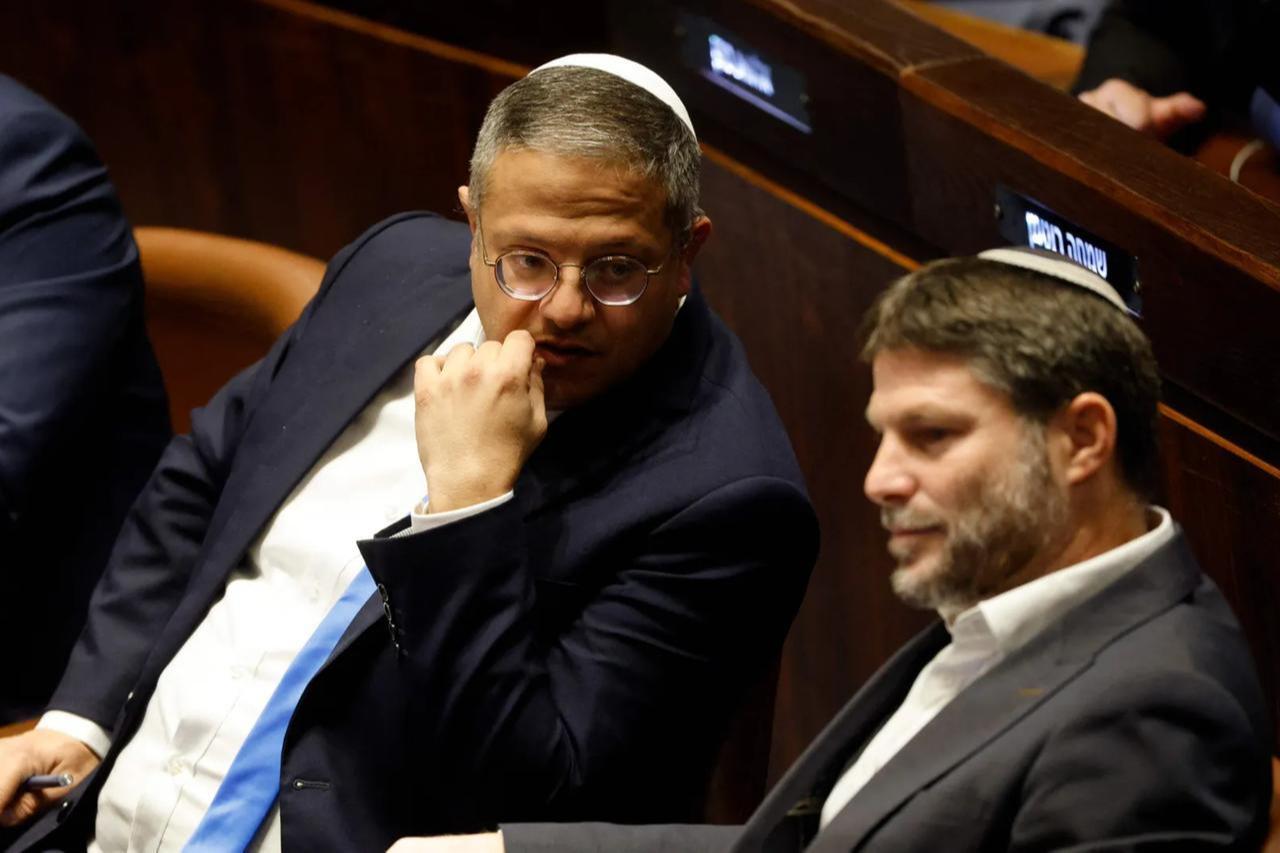

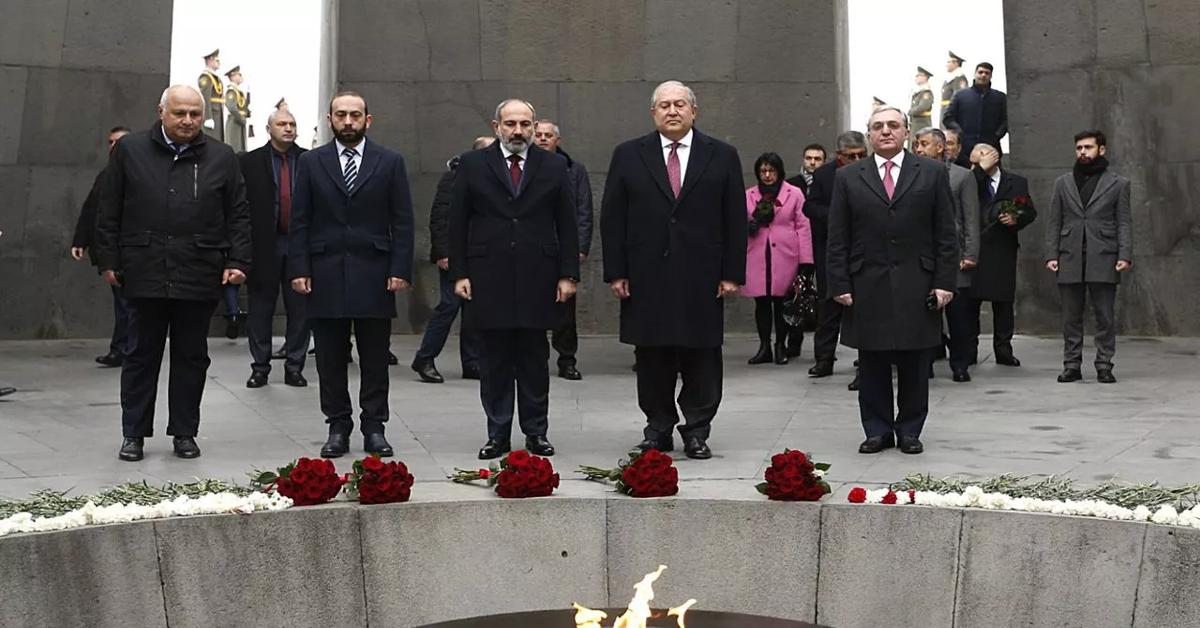
The proposal approved by the Israeli government stipulated that Israel would recognize the so-called Armenian genocide, committed during the late Ottoman Empire period, and condemn any attempt to deny, minimize, or distort it.
Sa'ar, who introduced the measure at cabinet, framed it in moral rather than geopolitical terms, saying that "it was never too late to do the right thing" and explicitly denying that the move was directed against Türkiye.
The recognition would have placed Israel among 32 countries that have acknowledged the so-called genocide in various forms to date.
Despite the cabinet's unanimous backing, the measure never cleared the additional parliamentary step. The episode marks the latest in a long series of failed attempts to secure formal Knesset recognition.
Efforts date back to at least 2011, when then-Knesset Speaker Reuven Rivlin expressed unusual solidarity with the cause.
In 2018, then-Meretz chairwoman Tamar Zandberg withdrew a recognition proposal after the coalition and the Foreign Ministry pushed to replace the word "genocide" with softer language such as "tragedy" or "atrocities against the Armenian people."
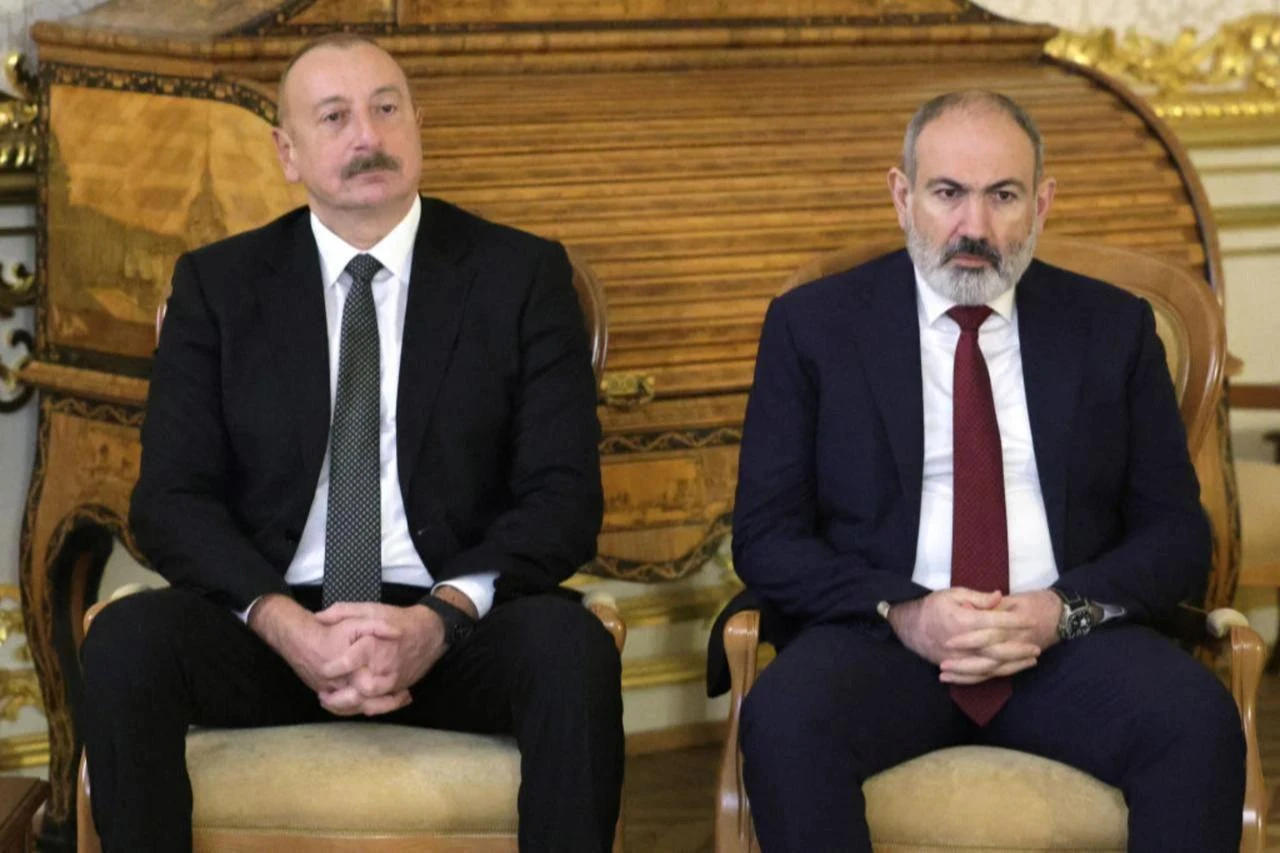
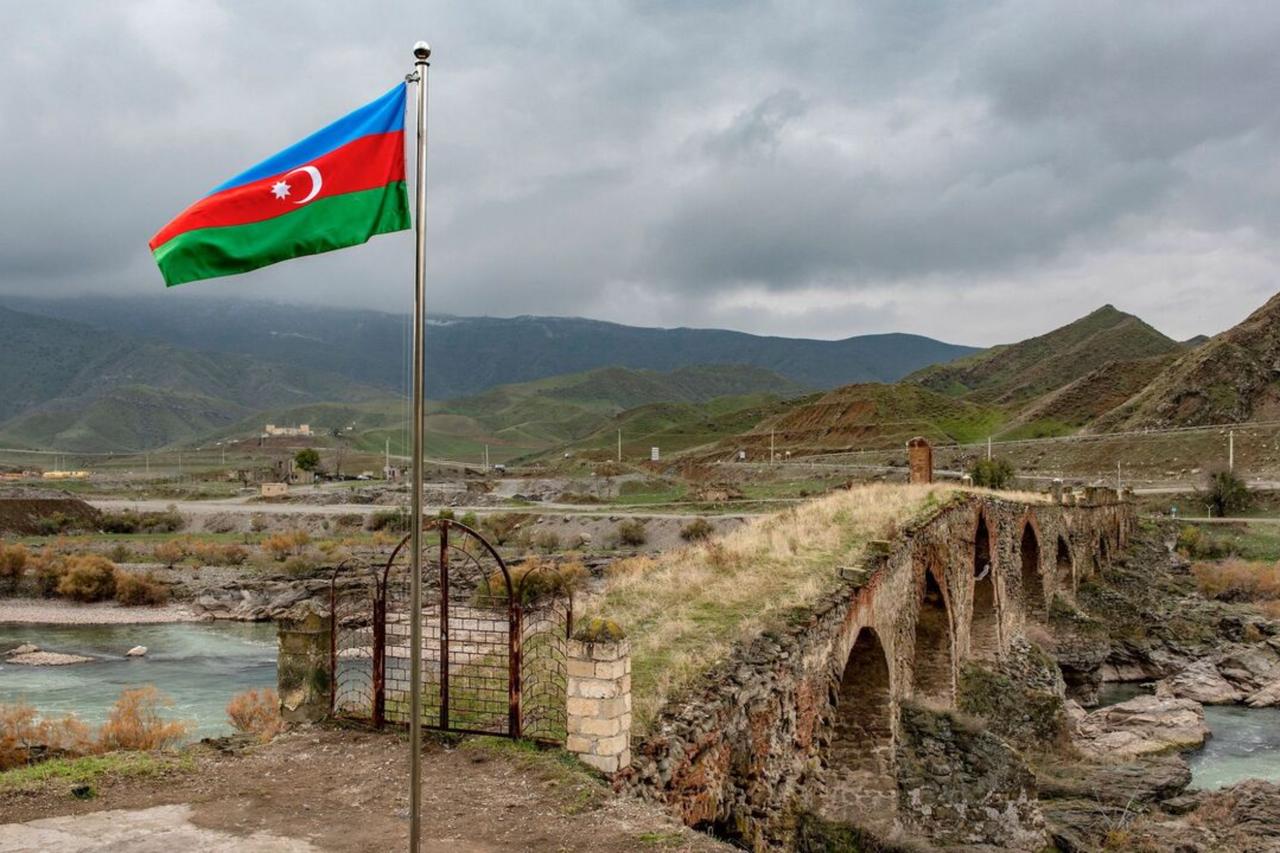
The episode lays bare the strategic importance Israel places on its relationship with Azerbaijan.
In recent years, Baku has been regarded in Jerusalem as one of Israel's most significant regional partners.
During the war between Armenia and Azerbaijan, which concluded roughly a year ago, Israel supplied Azerbaijan with weapons.
A 2023 Haaretz investigation revealed that Azerbaijani cargo flights used Israel's Ovda Airbase near Eilat to transport Israeli arms, while CNN later reported that Israeli special forces were deployed to Azerbaijan to conduct operations against Iran during the conflict.
Azerbaijan's Foreign Ministry issued a formal condemnation of the recognition last month, calling it "the distortion of the historical facts surrounding the events of 1915" and dismissing it as reducing "a complex historical issue to a political decision without a sound legal or scholarly basis."
Baku said the move would deepen divisions rather than advance reconciliation.
An article on the Azerbaijani website Haqqin.az, published roughly ten days ago, claimed that Israel had "heeded" Azerbaijan's concerns and that steps had been taken to ensure the proposal would not be revived.
The outlet was sold last month to a journalist who received an award from President Aliyev.
Beyond the debate, Baku appeared to send a broader diplomatic signal last week when Aliyev hosted Palestinian Prime Minister Mohammad Mustafa at his palace in Baku.
A statement from the Azerbaijani presidency reaffirmed support for a Palestinian state with East Jerusalem as its capital, referring to the city in one passage by its traditional Arabic designation.
The statement also noted Azerbaijan's continued assistance to Palestinians through UNRWA and plans to build a high school in the West Bank.
The developments come against a backdrop of an apparent contradiction in Netanyahu's own statements.
Last year, the prime minister acknowledged the so-called Armenian genocide during a podcast with conservative American businessman Patrick Bet-David, and suggested the Knesset had already passed a resolution on the matter. It had not.
While Knesset committees have held commemorative discussions every few years since 2011, none of those proceedings constitutes official parliamentary recognition under Israeli law.


 Set as preferred source
 Set as preferred source


 1 min read
 1 min read