Newsletters


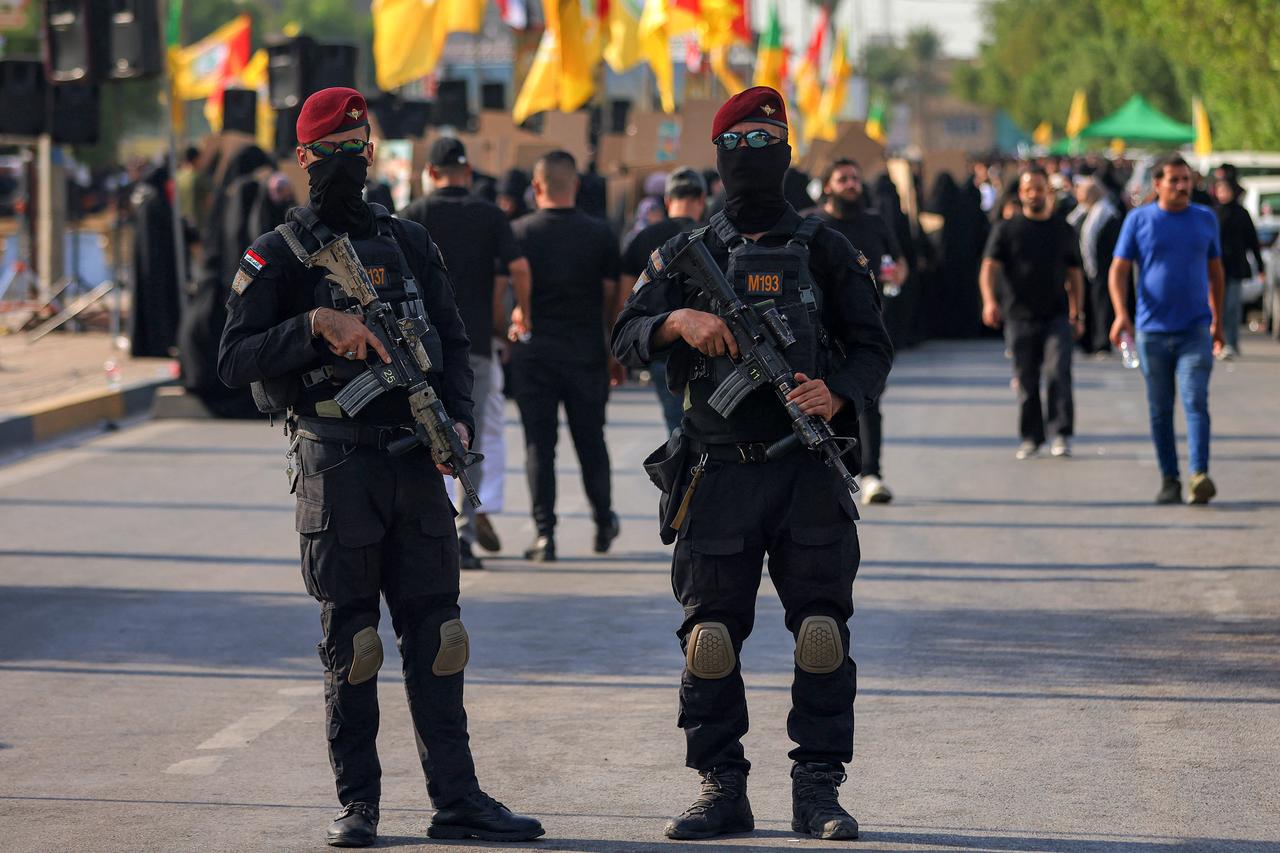


Iraqi Prime Minister Ali al-Zaidi said Thursday that his government will address weapons outside state control under a roadmap with agreed timelines, with the process to be completed by June 30, 2027.
In a statement carried by the Iraqi News Agency, Zaidi said Oct. 1 marked “a serious beginning” for addressing the issue through “a clear roadmap and agreed timelines.”
The plan will uphold the constitutional principle that decisions on war and peace belong to the constitutional authorities, prohibiting military action outside their authority, he said.
The government will also work to fully disarm all non-Iraqi armed groups operating on Iraqi territory, Zaidi added.
“We congratulate the Iraqi people on this great day, Oct. 1, 2026, and the major national achievement of ending the international coalition’s mission in Iraq,” he said.
Zaidi had previously set Sept. 30 as a deadline for armed factions to hand over their weapons to the state, but later backed away from it as talks to “regulate” weapons continued.
The Iraqi government believes the withdrawal of coalition forces will remove the justification armed factions, many of them backed by Iran, have used to keep their arsenals.
But the pullout has also raised concerns that the factions could be strengthened and that Iraq could be drawn deeper into the wider Middle East war.
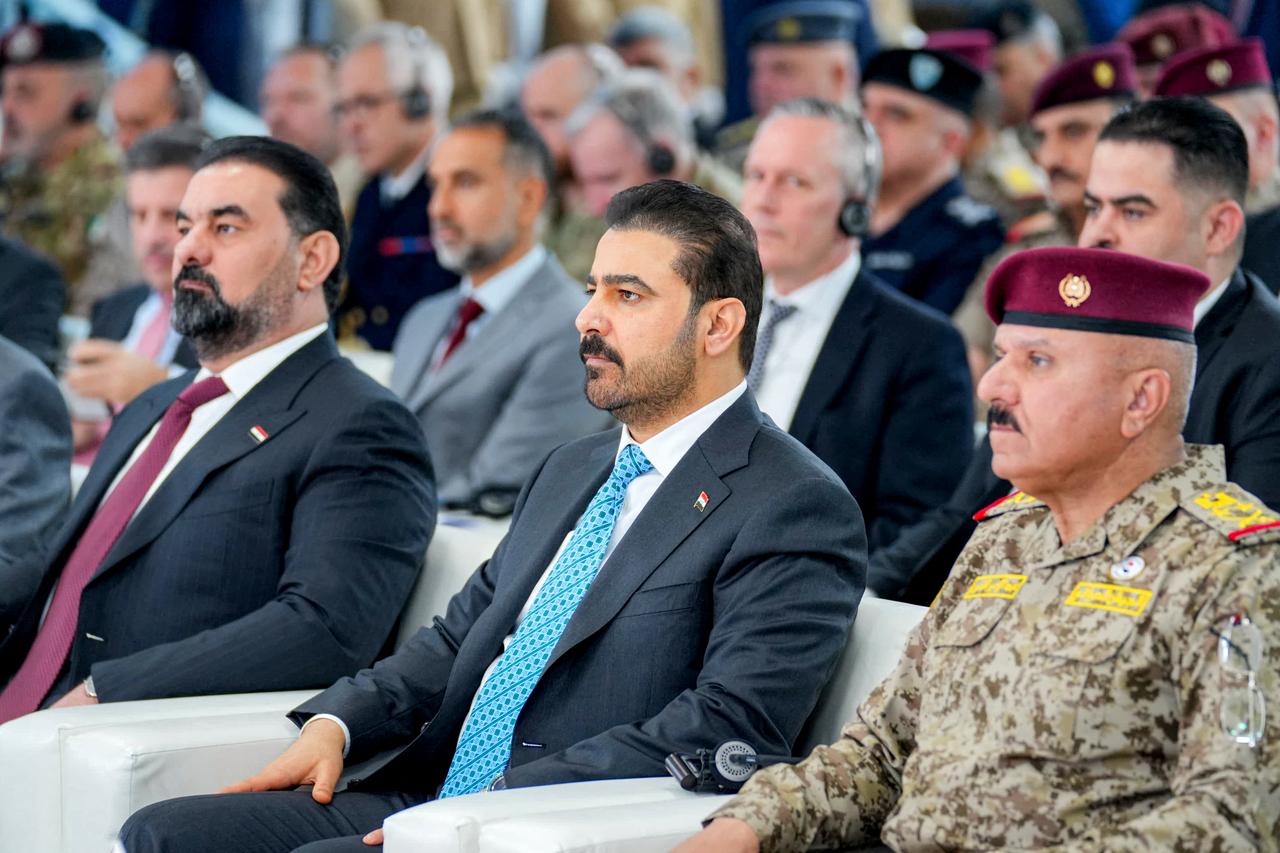

The U.S.-led anti-Daesh coalition officially ended its mission in Iraq a day earlier, more than a decade after it deployed to help Iraqi forces fight the group.
Iran’s Revolutionary Guards welcomed the withdrawal of U.S. forces from Iraq as a “historic victory” and called for American troops to leave the Middle East.
The Guards “congratulate the proud nation of Iraq, the united front of the Islamic Resistance, and the revolutionary fighters of the Islamic world on this historic victory,” they said in a statement carried by official media.
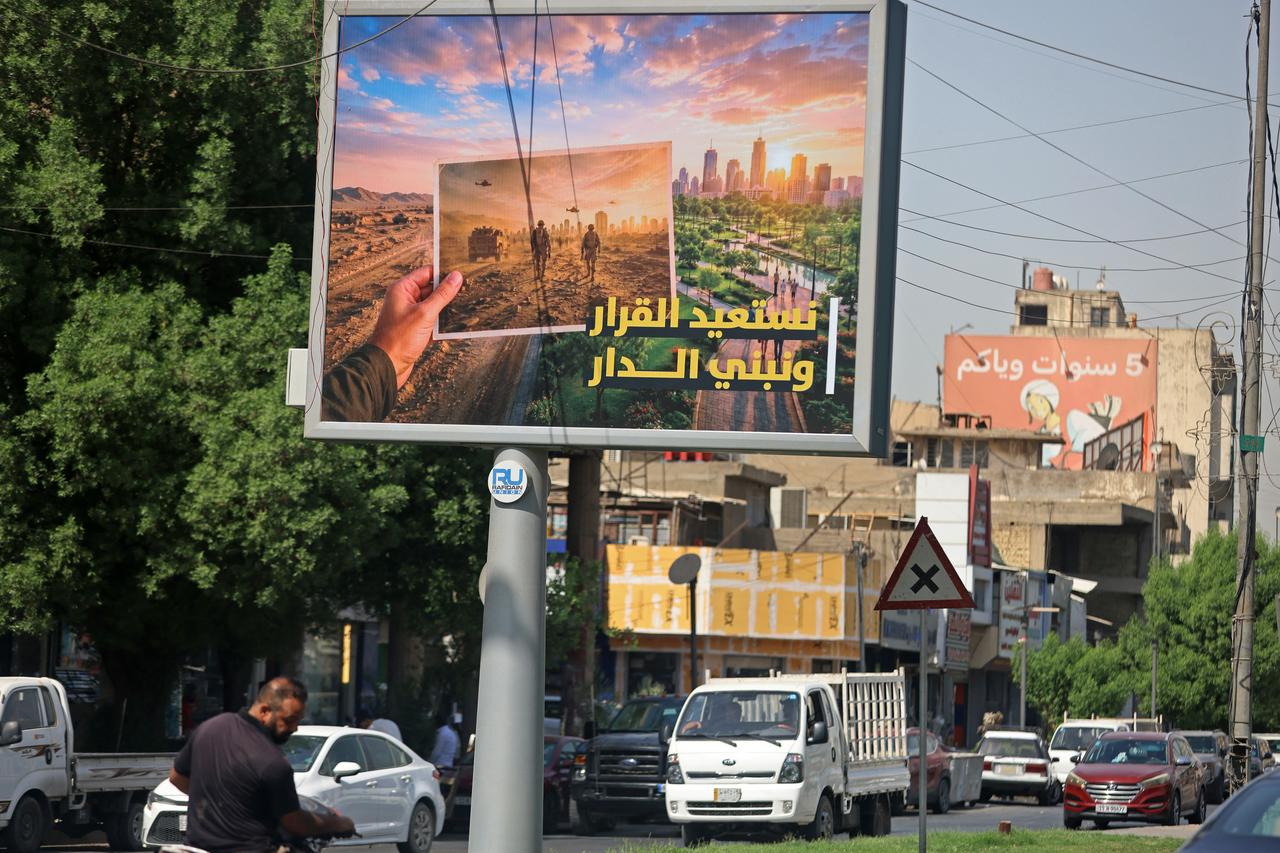
Some armed factions have already handed over weapons to the state, while others have refused to disarm.
Iraqi factions backed by Tehran said Wednesday they were “not bound by any timeline or agreement” to surrender their weapons.
Jaafar al-Husseini, a military spokesman for Kataeb Hezbollah, said during an event celebrating the withdrawal of U.S.-led coalition forces that factions had been in talks on “regulating” their weapons but had “not yet received a response from the Iraqi government.”
“Based on this, the Islamic Resistance declares that it is not bound by any timetable or agreement that any governmental or political party has spoken of or may speak of,” he said.
The factions have put forward conditions that include not only the withdrawal of foreign troops but also an end to what they describe as American political and economic interference.
Kataeb Hezbollah said the withdrawal of “the occupation forces” was “a start toward achieving full sovereignty.”
The group also issued a warning to Zaidi’s government.
“A government that doesn’t work for the good of its people will be brought down by all possible means,” it said.
Pro-Iran groups had long demanded the withdrawal of U.S. troops, targeting them with drones and missiles and prompting U.S. retaliatory strikes that killed several faction commanders over the years.
During the Middle East war that began with U.S.-Israeli strikes on Iran, Tehran and allied factions intensified attacks in Iraq, targeting U.S.-led troops in northern Iraq.


 Set as preferred source
 Set as preferred source


 2 min read
 1 min read