Newsletters


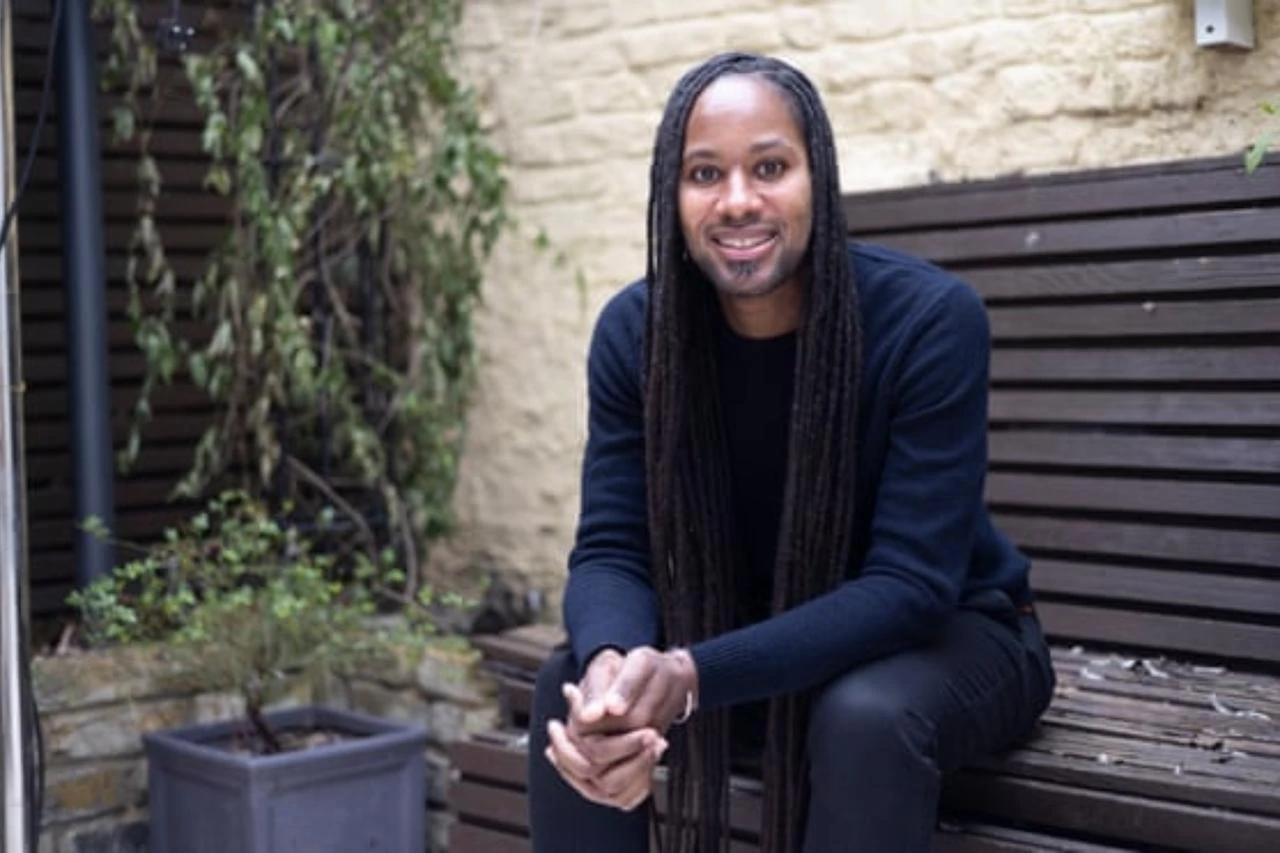


The University of Cambridge has defended its mental health support for academic Jason Arday, who was found dead on Aug. 14, saying it continued to provide extensive support and security measures even after he resigned this month from his post as professor of sociology of education, a Guardian article reports.
The measures reportedly included panic alarms and the screening of racist emails and mail. Arday resigned after widespread press coverage of accusations of plagiarism and inconsistencies in statements about his career and achievements.
A university spokesperson said the institution's support continued in the face of intense public and media scrutiny and after his resignation, adding that its thoughts and deepest condolences were with Arday's family and loved ones during what it described as an extremely difficult time.
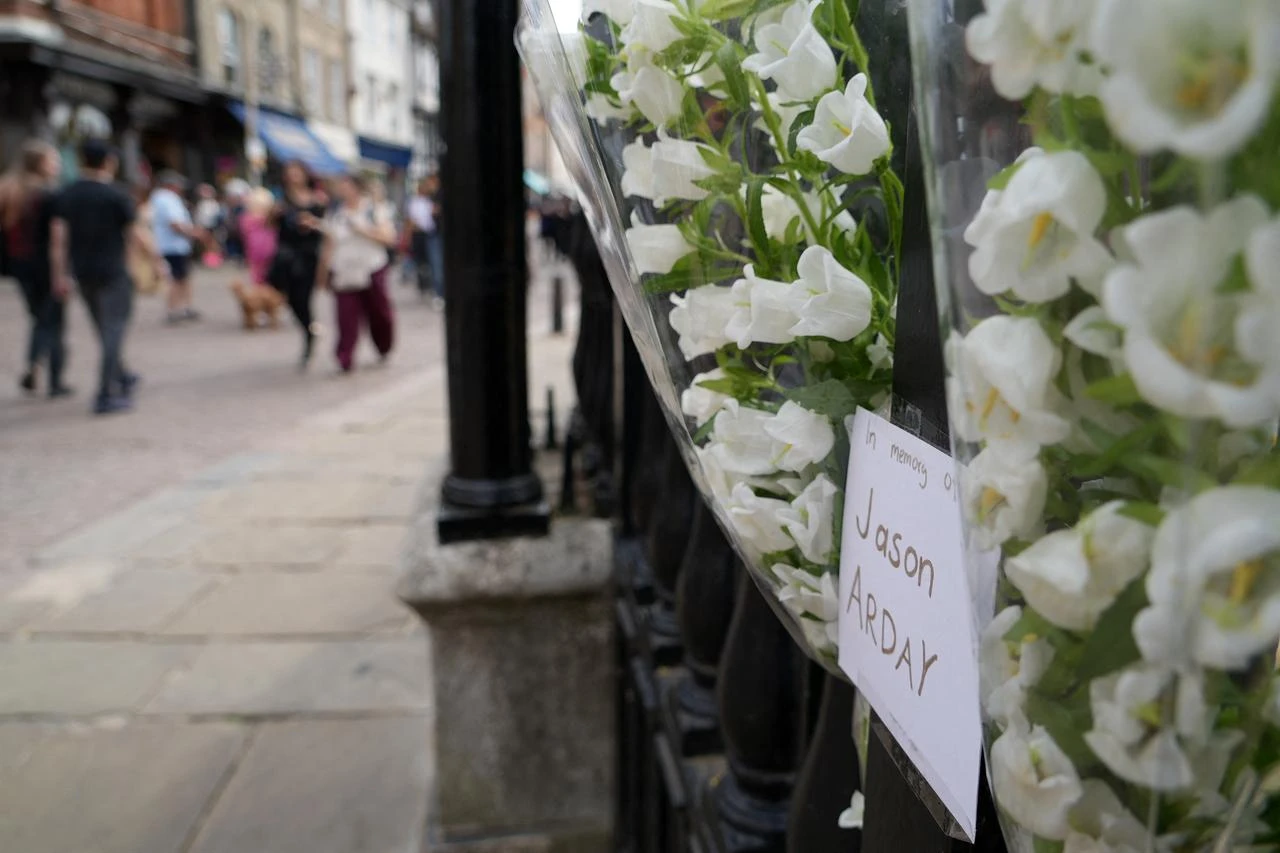

Arday, 41, was pronounced dead after emergency services were called to his home in Battersea, south London, on Friday. He had been appointed professor of sociology of education at Cambridge at age 37 in 2023, making him the university's youngest-ever black professor at the time.
Jason Atta Kwei Arday was born in May 1985 in south London, one of four brothers, to parents originally from Ghana. The midwife who delivered him told his mom, "He's going to do something special," Arday wrote in a memoir being published this month.
His book also notes another prophecy, delivered some two decades later by an aid worker during a relief mission he joined in Brazil. "You're destined to do great things, but I also believe you're destined for very sad and difficult things as well," Arday recalled her saying.
The autobiography recounts doctors diagnosing him with autism and global developmental delay, a term applied to under-fives with issues around motor skills and speech.
Doctors branded him "a lost cause," and therapists warned he would require lifelong support, he wrote. He credited his mental health nurse mom, an anti-racism activist whom he always called Giff, with helping defy the predictions, in part using music to aid his linguistic understanding.
Arday writes that he was non-verbal until age 11 after "thousands of hours" of speech therapy. Some of his childhood claims have been disputed, with at least two former schoolmates telling The Guardian they recalled him speaking during this period. But others have spoken up in support.
"The coverage about him being a fantasist and a liar does not ring true with the human that I know and loved," childhood friend Mike Freeman told Sky News.
Arday did not read or write until he was 18, according to his biography on Cambridge's website. He gained just two school-level qualifications, in Physical Education (PE) and textiles.
After earning a vocational qualification in sport and development, he became a PE teacher before launching his academic career. He subsequently earned PE and education-related university degrees before earning a PhD from Liverpool John Moores University.
While studying for his doctorate, he wrote a set of goals on a bedroom wall. "One of these read: 'One day I will work at Oxford or Cambridge,'" he wrote.
Arday fulfilled that dream within a decade, after academic roles at Roehampton, Durham, and Glasgow universities, becoming a sociology of education professor at Cambridge.
Cambridge commended him as a "highly respected scholar of race, inequality and education." But around this time, plagiarism concerns first surfaced.
David Harris, a British academic who published a 2024 critique of critical race theory, an academic framework examining how race and racism shape laws and institutions, is said to have contacted Arday and Cambridge with claims. Arday reportedly lodged a harassment complaint against Harris with police.
Two years later, a Times Higher Education reporter contacted Arday with similar allegations but abandoned the story after receiving a letter from a leading defamation law firm on Arday's behalf, The Times said.
Then in July, Nathan Cofnas, a U.S. academic and self-defined "race realist," whose Cambridge research affiliation ended in 2024 amid racism accusations, published further plagiarism claims.
The Telegraph newspaper followed up, alleging dozens of passages in Arday's PhD had been copied from another earlier thesis. Meanwhile, some of his claimed accomplishments, around marathon-running and fundraising, as well as over the alleged abuse he faced, have been disputed in newspaper probes.
Arday admitted making academic "mistakes" but said he was being falsely portrayed as a liar. He told The Times some early academic errors were due to his autism, as he relied on using mimicry to understand information.
Arday has also insisted Black academics face racially motivated systemic targeting, alleging conservative "activists" on both sides of the Atlantic were using a "playbook" to discredit them, according to reports. "It's a disgrace and, quite frankly, evil," he reportedly told a conference.


 Set as preferred source
 Set as preferred source


 1 min read


 1 min read