Sign in
 Newsletters


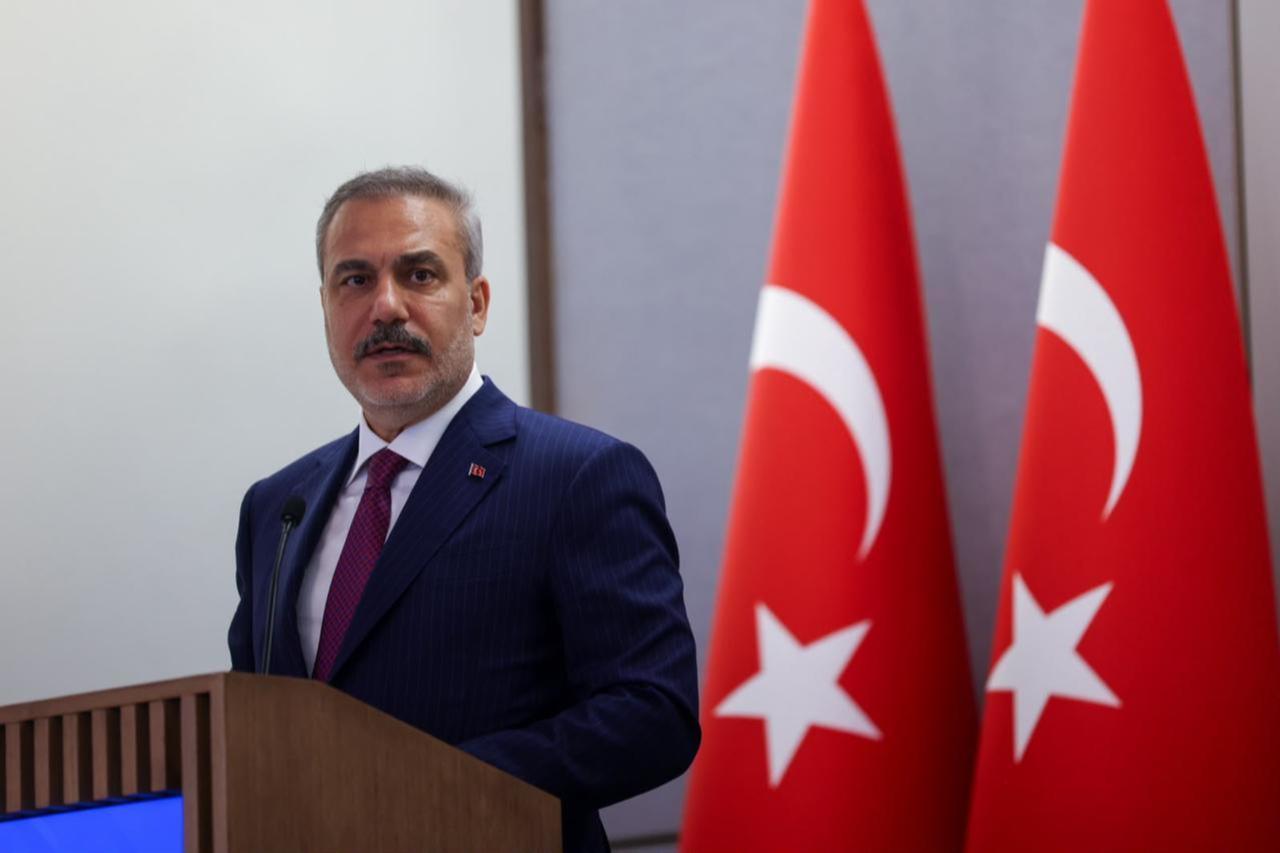


Foreign Minister Hakan Fidan said Türkiye must take responsibility proportionate to its position as a shared hub linking Europe, the Black Sea, the Caucasus and Central Asia, and offer solutions and lead on connectivity. “Türkiye’s central role here is of course appreciated by everyone,” he said.
Fidan spoke to Anadolu Agency after the Second Ministerial Meeting on Interregional Security and Connectivity, held in Brussels as part of the European Union’s Foreign Affairs Council. He called the gathering very important in both subject and outcome. Strategy alone is not enough on connectivity, he said, and concrete steps are needed to put it into practice.
He said ministers from EU member states, the Caucasus and Central Asia discussed how connectivity could be realized within those regions and beyond, and how trade, energy and data transfers could become more efficient and uninterrupted.
Participants also looked at how to improve connectivity by drawing lessons from the disruptions that wars and crises have caused in the Strait of Hormuz, the Bab el-Mandeb Strait and the Black Sea, Fidan said. Türkiye stands out as a common point for Europe, the Black Sea, the Caucasus and Central Asia along the Middle Corridor, the trade route linking Asia and Europe across the Caspian region, he said.
“We need to take responsibility in line with this role, both offering solutions and leading on them,” Fidan said, adding that this was what the meeting had done.
On the sidelines, he met officials from Ukraine, Germany, Lithuania, Denmark, Bulgaria, Romania and Moldova. He said talks on the Black Sea are continuing, with a focus on how grain can be brought back to world markets. Ankara is speaking to both the Ukrainian and Russian sides, and discussed the matter with European partners and Ukrainian counterparts, he said.
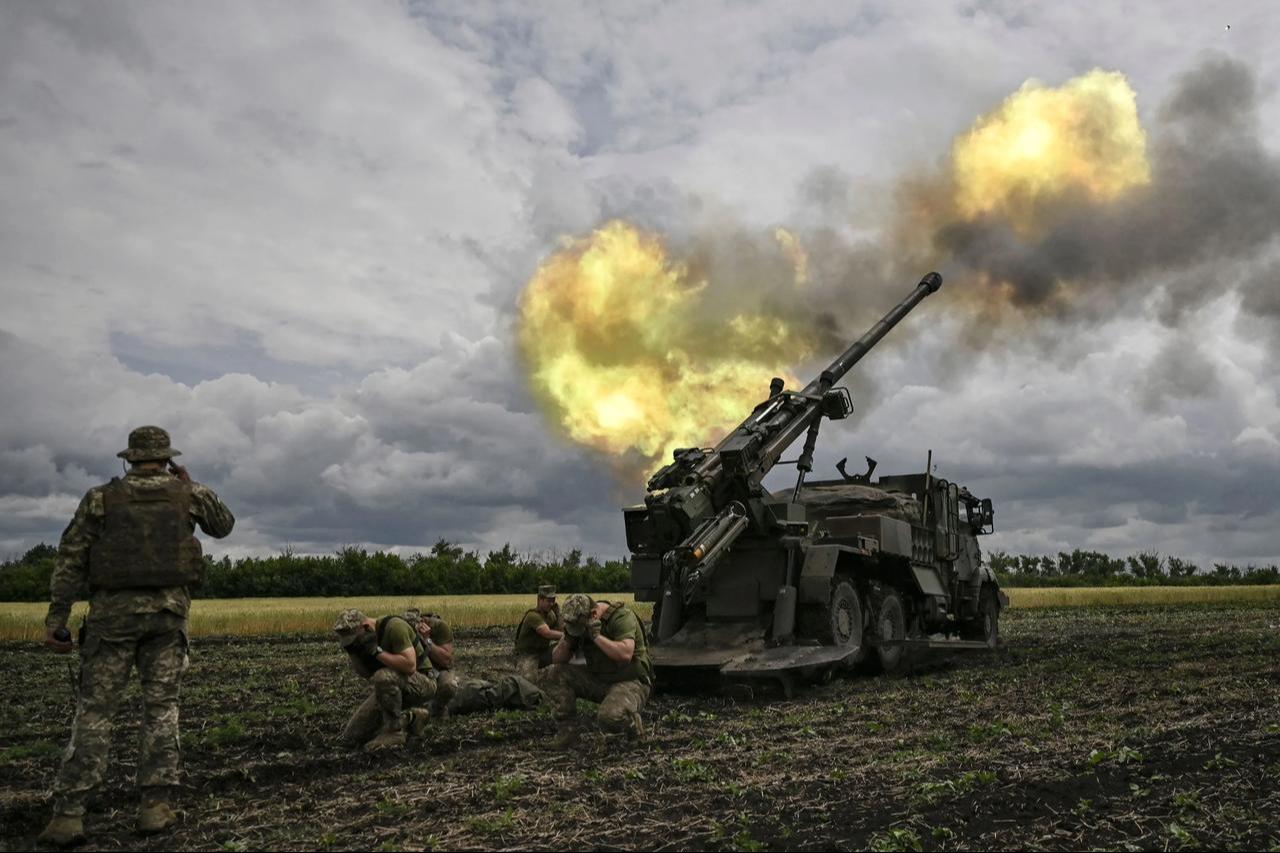

Asked where matters stand after negotiations among Russia, the United States and Ukraine in the United Arab Emirates aimed at ending the war, Fidan noted that Türkiye has also hosted the same format on numerous occasions and spoken with the parties. “We see that the core of the issue is still unresolved,” he said.
The central obstacle, he said, is Donbas. Russia wants the remainder of the region and treats it as lying within its own border definition, while Ukraine regards it as homeland and refuses to give it up. That dispute is what keeps the war going, he said. By Russian reckoning the remaining area amounts to 11 to 12 percent of the region, while Ukrainians put it at 18 percent. Other issues are being discussed to a lesser degree, Fidan said.
Fidan said any peace deal would need to specify where the line of contact between Russia and Ukraine would run, with Donbas the most important part of that question. The security guarantees each side expects are also a major issue, he added.
Russia invaded Ukraine in February 2022, and the war that followed turned the Black Sea into a contested shipping lane.
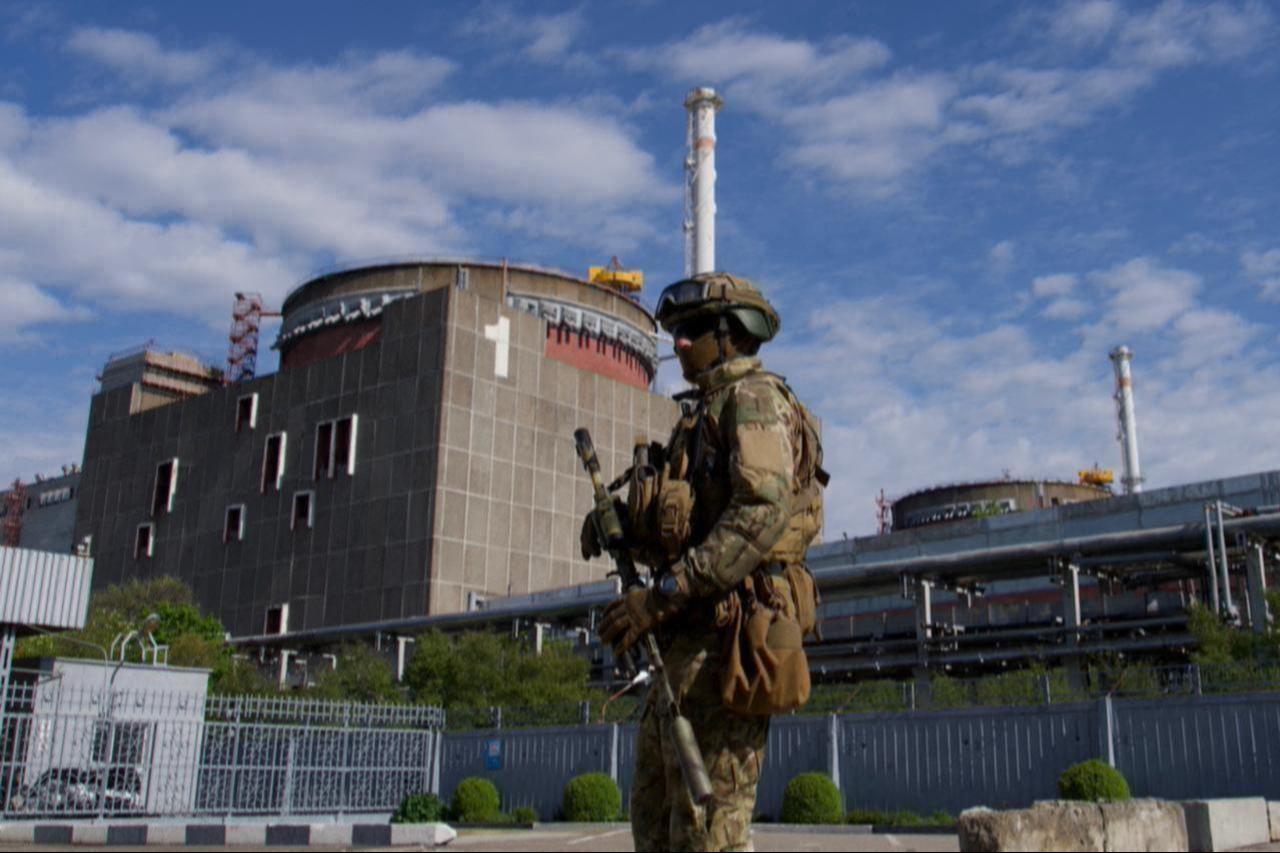
Fidan said a settlement would amount to more than peace between two countries. It would be peace between Europe and Russia, and the new security and peace architecture between them needs to be discussed openly. “The parties had not shown their hands very much until recently,” he said. “They had certain intentions, saying ‘let it be this way, let it be that way,’ but now it is time to slowly discuss these issues in concrete terms.”
He asked what shape a new European security architecture would take, one built around the Russia-Europe confrontation and aimed at ending it.
Fidan said President Recep Tayyip Erdogan has followed these issues closely for years and brings extensive experience, and that Türkiye has made proposals to the parties. He listed the outstanding problems as setting the contact line, resolving Donbas, security guarantees, the new Europe-Russia security arrangement, the fate of sanctions while Ukraine rebuilds, and what happens to frozen Russian assets. These matters make up the content of the agreement now under discussion, and satisfying every party on all of them is “quite difficult,” he said.
 1 min read
While those talks continue, Fidan said, ensuring safe navigation in the Black Sea is an important question. Türkiye is working on how poorer countries can get the wheat they need onto markets and has made proposals, he said. Some of those proposals were completed at the Brussels meeting, since the issue also concerns Black Sea states Bulgaria and Romania, he said. He met Bulgarian, Romanian and Ukrainian officials in Brussels, and had met Russian officials in recent days.
“God willing, the formula we have in mind will go somewhere and we will settle it,” Fidan said. He called it a difficult equation because Russia does not want a temporary arrangement with Ukraine in the Black Sea without a lasting peace agreement. Türkiye has ideas on how to build common ground despite that reluctance, he said, but it is too early to share them publicly, and they are being shared with the parties concerned. “If one day it comes to life, of course we will share it,” he said.
The Black Sea Grain Initiative, brokered by Türkiye and the United Nations in 2022, had allowed Ukrainian grain exports by sea before it lapsed in 2023.


 Set as preferred source
 Set as preferred source


 1 min read