Newsletters




Tensions between the United States and Iran continue to raise the question of whether escalating rhetoric could eventually turn into direct military confrontation. While recent flare-ups have paused short of open war, the underlying drivers of the crisis remain unresolved, keeping regional actors on edge.
Against this backdrop, Ankara has once again emerged as a potential diplomatic hub. Türkiye’s past involvement in easing similar crises, most notably during the brief but intense 12-day conflict earlier in the year, has fueled expectations that it could again play a stabilizing role.
Over the past few days, Türkiye, along with other regional countries, has actively sought to persuade the U.S. to calm down in the face of the option of a harsh intervention.

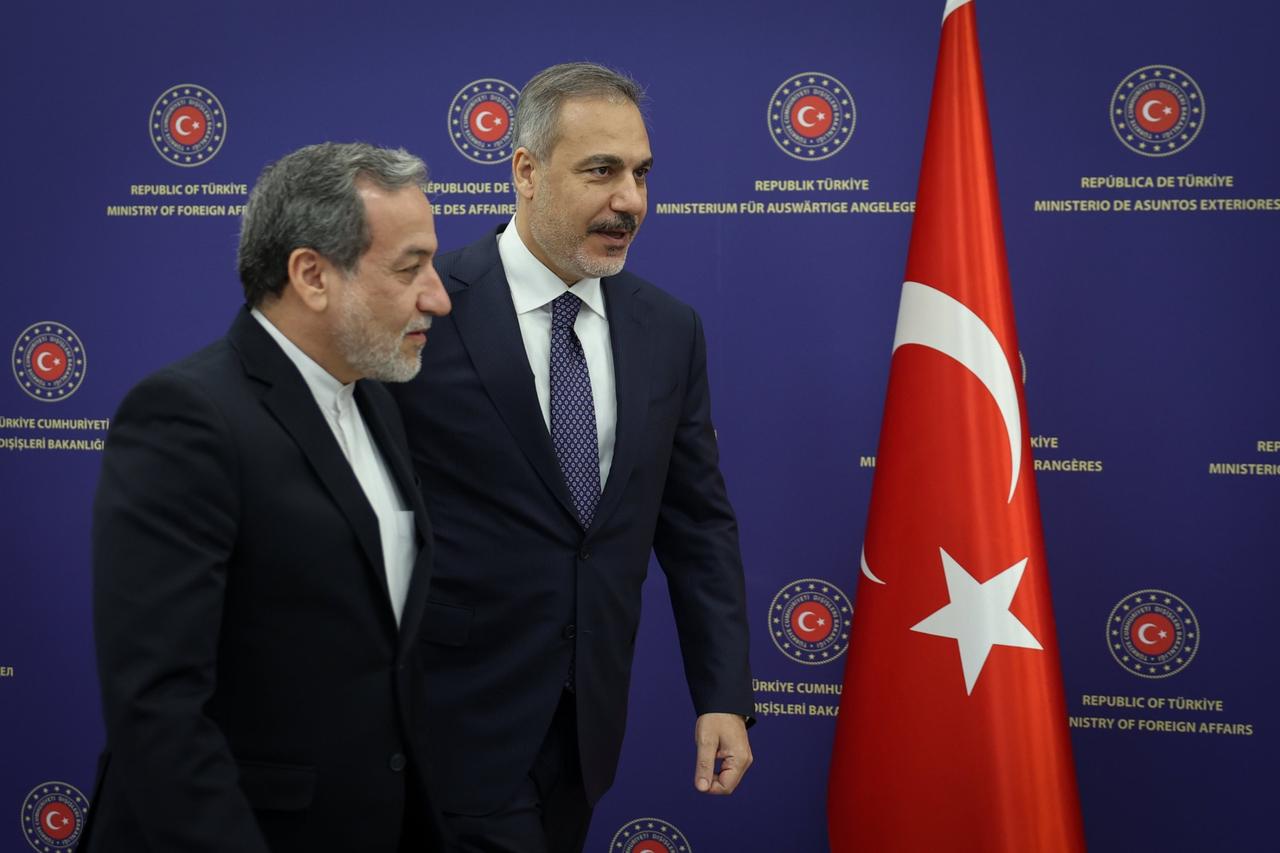
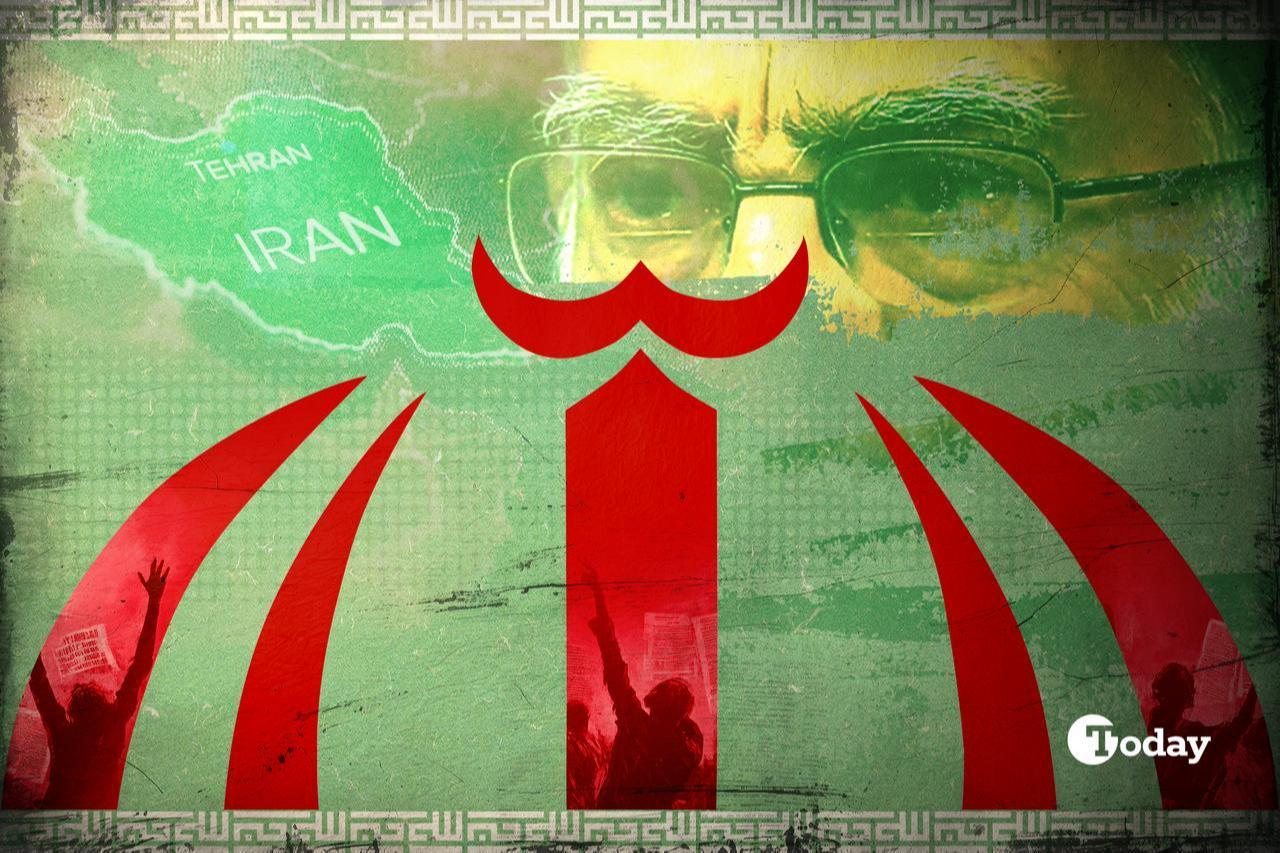
Iran’s top diplomat, Abbas Araghchi, is expected in Ankara for high-level consultations focused on defusing the risk of a US military strike on Friday. Turkish officials are using the talks to press Tehran on the need for flexibility over its nuclear file, arguing that limited concessions may be the only way to prevent a conflict with far-reaching regional consequences.
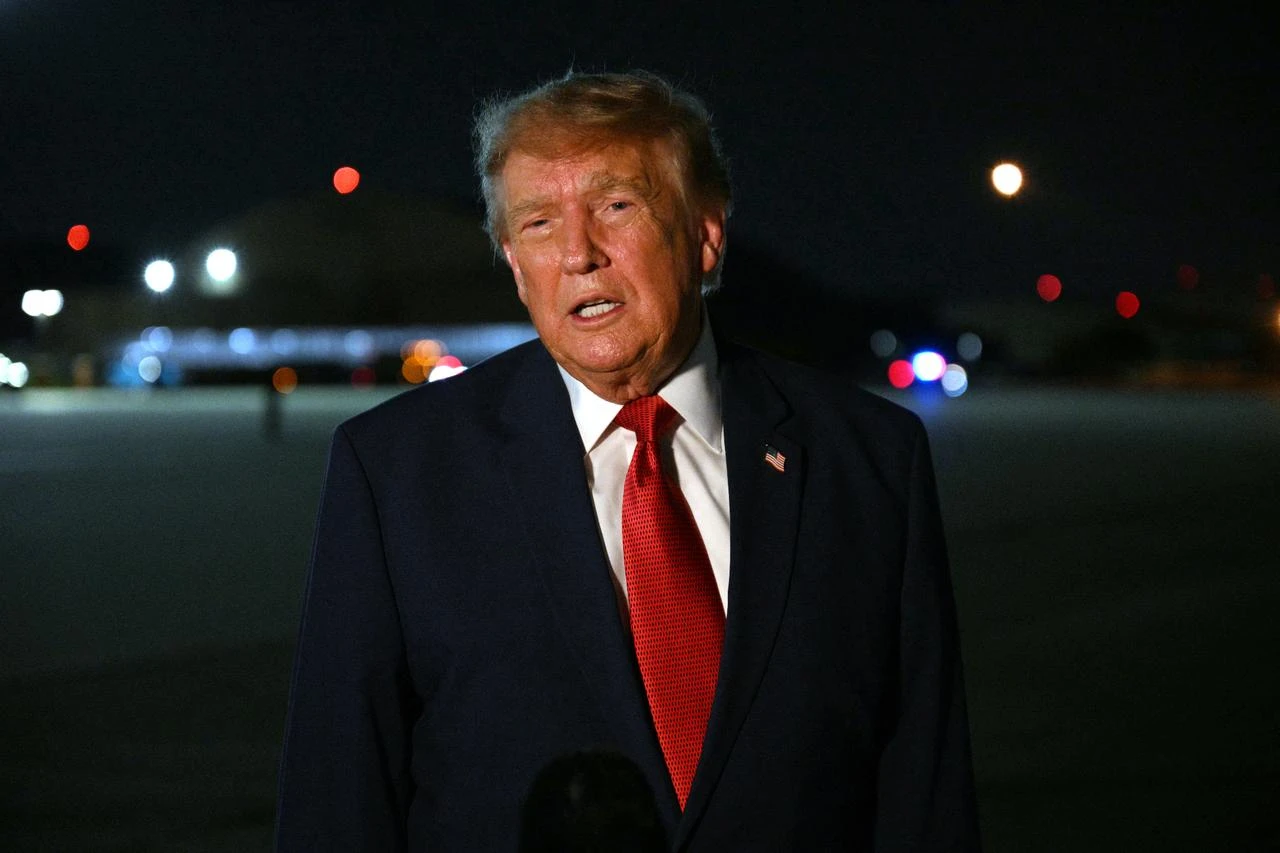
President Recep Tayyip Erdogan has also floated the idea of a direct virtual meeting between U.S. President Donald Trump and Iranian President Masoud Pezeshkian. While such an unconventional format could resonate with Trump’s personal diplomacy style, it remains a sensitive proposition for Iran, which has avoided formal bilateral engagement with Washington for nearly ten years.
Türkiye has been actively engaged in behind-the-scenes diplomacy, maintaining contact with both Tehran and Washington. These efforts focus on reducing tensions and exploring avenues for compromise before the crisis hardens into open conflict.
Ankara’s influence is amplified by the broader regional context. Several Gulf countries, including Saudi Arabia, Qatar, and the United Arab Emirates, have publicly opposed the use of their territory for any military strike against Iran. This stance has reshaped operational calculations and limited escalation pathways.
Türkiye’s own position is distinct. While hosting NATO facilities, Ankara has signaled little willingness to allow its territory to be used as part of a military campaign against Iran. Instead, it has aligned itself with a broader regional preference for containment and de-escalation.
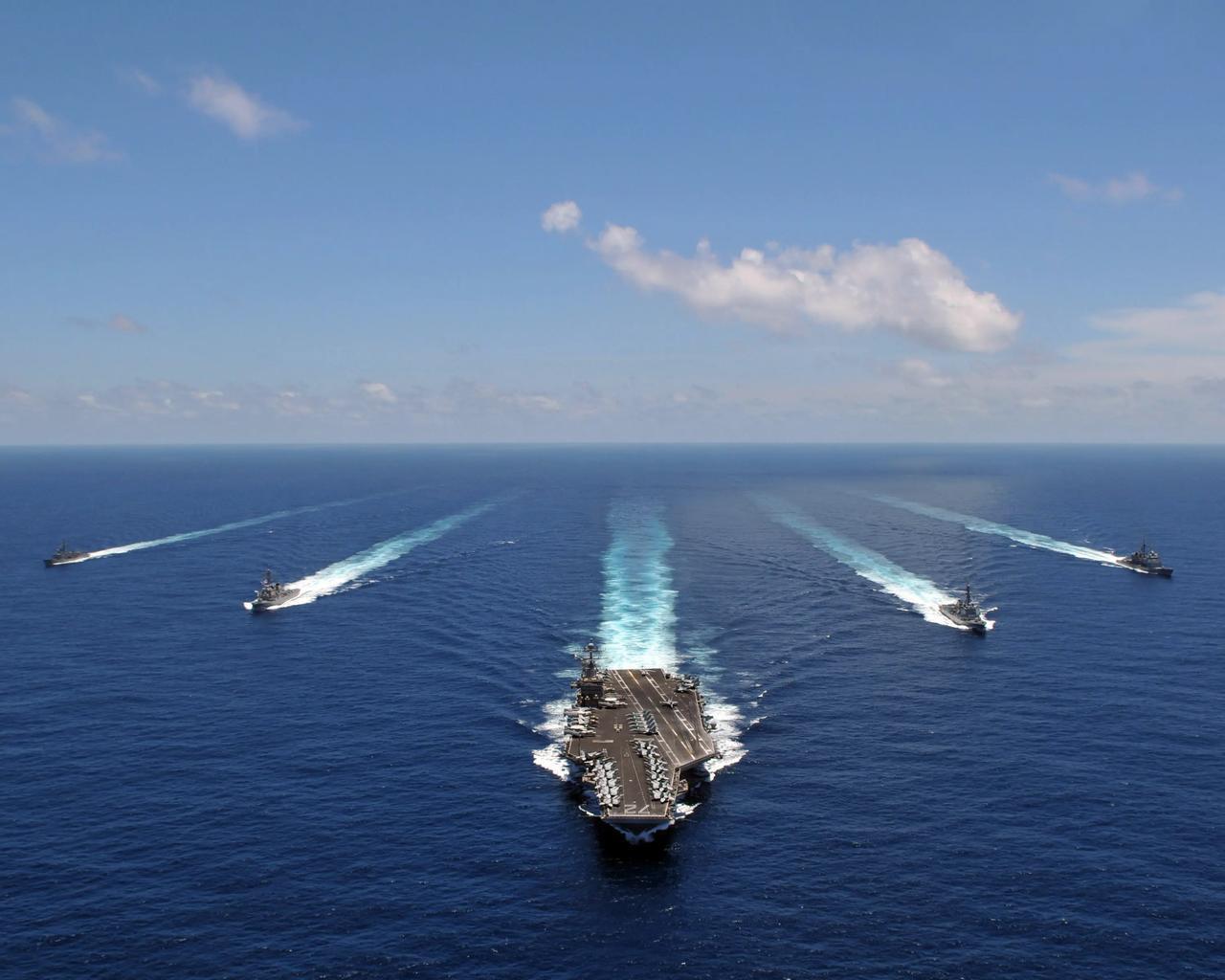
From a military standpoint, Iran sits amid a dense network of U.S. and allied bases. Facilities in Iraq, Qatar, Bahrain, and elsewhere in the Gulf lie within relatively close range, making them potential targets in any escalation scenario.
The strategic importance of maritime routes further raises the stakes. Iran has repeatedly signaled that attacks on its core assets could prompt moves to disrupt traffic through the Strait of Hormuz, a narrow passage vital to global energy supplies.
Any disruption in this corridor would have immediate global consequences, particularly at a time when energy markets remain fragile due to ongoing conflicts elsewhere. This reality acts as both a deterrent and a source of leverage for Tehran.
Another scenario that Türkiye and many other countries in the region fear is that a different refugee crisis, which could come immediately after the knot in Syria has started to unravel.
At the heart of the crisis lies a deep trust deficit. Past agreements, including the nuclear deal abandoned by Washington under a previous administration, continue to shape Iranian skepticism toward new negotiations.
U.S. demands extend beyond nuclear issues to include missile capabilities and regional behavior. For Tehran, the concern is not only the scope of these demands but also whether commitments made today will be upheld tomorrow.
In this context, Türkiye and other mediators are seen as potential guarantors of a more durable framework. While such arrangements may not deliver lasting peace, they could provide a more stable and legitimate basis for managing disputes.
Comparisons between Iran and other sanctioned states, such as Venezuela, have gained traction in some policy debates. However, Iran’s political structure is far more complex and layered.
Power in Tehran is distributed across religious authorities, security institutions, and elected bodies, creating a system that cannot be easily reshaped through pressure on a single leader. Any attempt to force rapid change risks destabilizing not just Iran but a vast surrounding region.
The potential fallout would extend well beyond Iran’s borders, affecting conflicts and power balances from the Middle East to parts of Africa. This makes simplistic analogies not only inaccurate but potentially dangerous.
Türkiye’s engagement reflects both regional responsibility and national interest. A major conflict involving Iran would have immediate economic, security, and political repercussions for Ankara and its neighbors.
By keeping dialogue channels open with all sides, Türkiye aims to pull the crisis back toward the negotiating table. The goal is not necessarily a comprehensive settlement, but first a managed process that prevents sudden escalation.
As diplomatic contacts continue, attention will focus on whether Ankara’s efforts, combined with broader regional pressure, can slow the momentum toward confrontation.


 Set as preferred source
 Set as preferred source


 2 min read