Newsletters


U.S. Central Command chief Adm. Brad Cooper traveled to Saudi Arabia to coordinate a potential response after Yemen’s Houthis seized key positions along the Red Sea coast and moved into a position to exert control over the Bab al-Mandab Strait, Al-Monitor reported Friday.
Cooper flew to the kingdom overnight Thursday as Saudi-backed, government-aligned Yemeni forces retreated during a rapid Houthi offensive along Yemen’s western coast, according to two people familiar with the matter cited by Al-Monitor.
The U.S. Navy admiral was expected to meet senior Saudi officials as Riyadh seeks to consolidate the military effort by forces aligned with Yemen’s internationally recognized government.


The Houthis seized the Red Sea port city of Mocha on Thursday before taking Dhubab and Perim Island on Friday.
Perim lies at the mouth of the Red Sea, and the advances put the Iran-armed group in a position to exert control over the Bab al-Mandab Strait, a major shipping route used for Arab oil and gas exports since Iran began attacking vessels in the Strait of Hormuz.
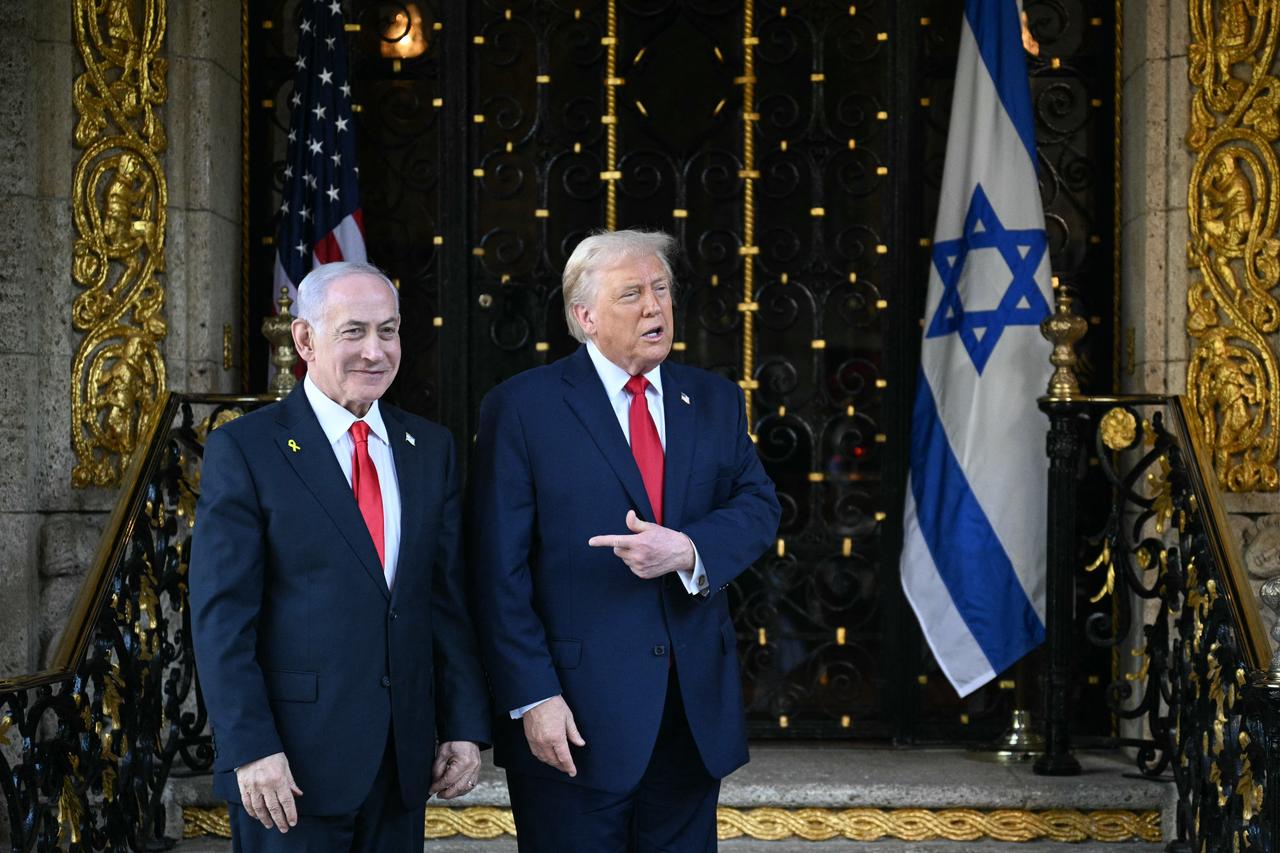
U.S. President Donald Trump said in July that Washington could become involved if Houthi attacks continued against vessels traveling to and from Saudi Arabia.
“If something like that happens, we take care of it,” Trump said at the White House on July 21.
Trump previously authorized a U.S. naval and air campaign against the Houthis in March 2025 before announcing a ceasefire after 52 days. The bilateral agreement was brokered by Oman.
He has not reauthorized direct U.S. military intervention in Yemen since the United States began its broader war with Iran in late February.
“The United States is focused on protecting our core national security interests — such as ensuring freedom of navigation in the Red Sea — while empowering our regional partners to take the lead in managing and resolving regional security challenges,” a senior administration official told Al-Monitor.
“We are in continuous dialogue with Saudi Arabia and the Republic of Yemen government regarding regional stability,” the official added.
At least 160 U.S. military personnel have been operating in Saudi Arabia in recent weeks to facilitate intelligence sharing and operational coordination under CENTCOM, according to two sources cited by Al-Monitor.
The coordination increased as Iran’s Islamic Revolutionary Guard Corps stepped up support for the Houthis and encouraged further attacks against Saudi Arabia despite warnings from Riyadh, one of the sources said.

Satellite imagery from overnight Thursday showed several fires and smoke rising from locations along Saudi Arabia’s East-West Pipeline, suggesting possible damage.
Saudi Arabia has used the pipeline to bypass the Strait of Hormuz for oil exports.
The Houthis previously struck the pipeline in 2019, temporarily disrupting its operations.
Neither Saudi authorities nor Aramco had commented on the apparent damage.


 Set as preferred source
 Set as preferred source


 1 min read

 1 min read