Newsletters


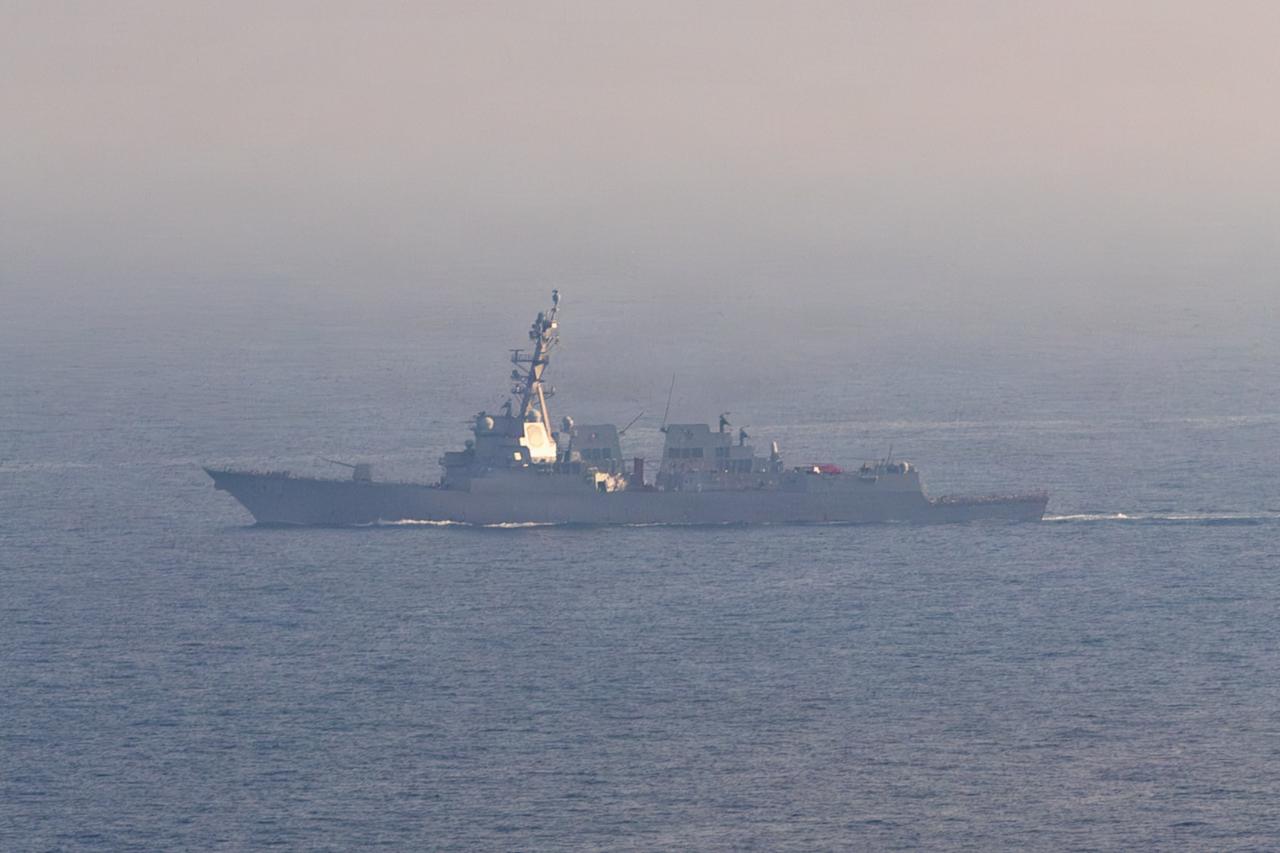


U.S. Central Command (CENTCOM) flatly denied Monday that any American vessel had been struck by Iranian missiles in the Strait of Hormuz, calling the claim circulating in Iranian state media "false."
"CLAIM: Iranian state media claims that Iran's Islamic Revolutionary Guard Corps hit a U.S. warship with two missiles," CENTCOM posted on X.
"TRUTH: No U.S. Navy ships have been struck. U.S. forces are supporting Project Freedom and enforcing the naval blockade on Iranian ports," CENTCOM added.
A senior U.S. official separately denied the claim, according to Axios global affairs correspondent Barak Ravid.
Iran's semi-official Fars News Agency reported that a U.S. Navy frigate attempting to transit the Strait of Hormuz near Jask was struck by two missiles after ignoring warnings from Iran's navy.
The report said the vessel was unable to continue and was forced to withdraw from the area. Fars cited local sources; the claim could not be independently verified.
Iran's state news agency IRNA separately reported, citing a military statement, that Iran's navy had prevented "enemy destroyers", described as U.S. and Israeli, from entering the strait following "a firm and rapid warning."
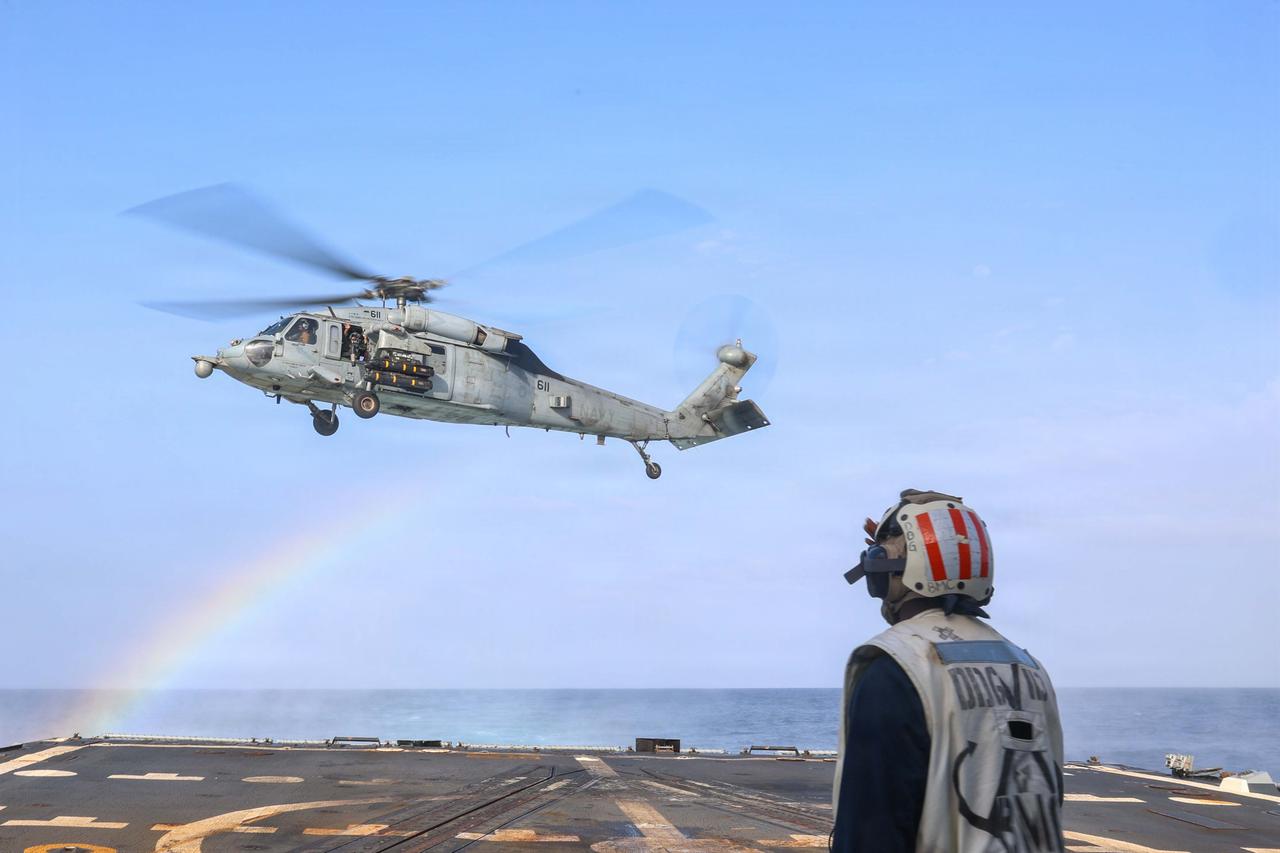
An Iranian military source also said that "the first shots have been fired" at U.S. naval vessels attempting to enter the Strait of Hormuz.
"Iran is fully prepared for every scenario and the Americans know that Iran will not allow Trump to bully its way through," the Iranian military source told Tasnim News Agency.
"The first shots have been fired. The Iranian armed forces, as in the 40-day war, will not allow U.S. combat forces to pass through the Strait of Hormuz," the military source said.
The source added that Iran had prepared "other scenarios" beyond firing at U.S. warships and would act on them if needed, as the source warned all vessels in the strait to "learn from the experience of the 40-day war and not pay the price for American mistakes."
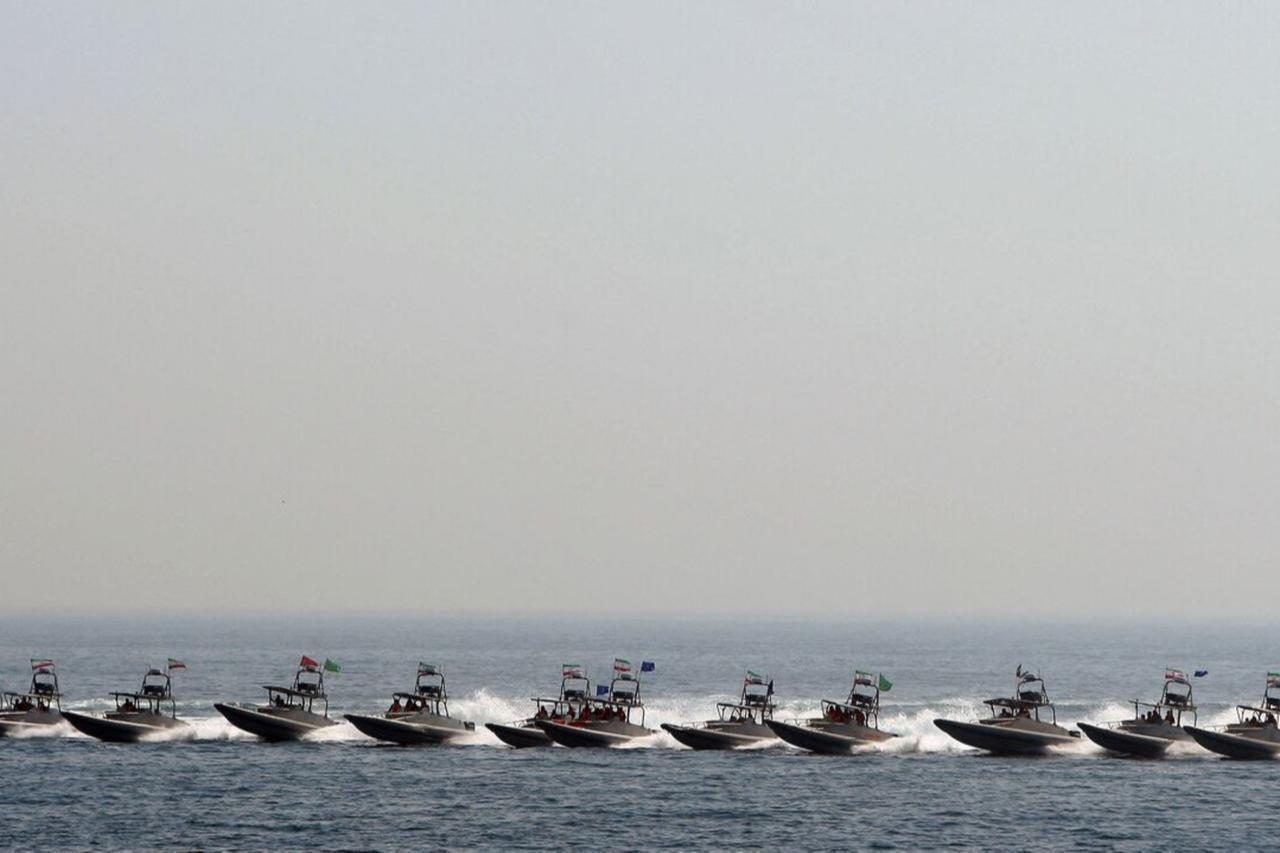

Axios reported that Trump had rejected a more aggressive plan to force open the Strait just days earlier, choosing instead a calibrated opening move that officials described as the beginning of a process that "could lead to a confrontation."
According to the report, CENTCOM Commander Adm. Brad Cooper presented Trump on Thursday with a more ambitious plan to send Navy ships through the strait by force, under which U.S. forces would have destroyed any Iranian missiles or fast boats launched in response and resumed full-scale war if Iran escalated by attacking Gulf states.
Trump opted instead for the current approach: U.S. Navy ships positioned "in the vicinity," ready to intervene, alongside over 100 aircraft, guided-missile destroyers, drones and 15,000 troops.
A U.S. official told Axios that rules of engagement had been updated, authorizing U.S. forces to strike immediate threats against ships crossing the strait, including IRGC fast boats or Iranian missile positions.
A source close to Trump described Project Freedom as "the beginning of a process that could lead to a confrontation with the Iranians," adding that if Iran acted against the operation, "they will be the bad guys and we will have the legitimacy to act."
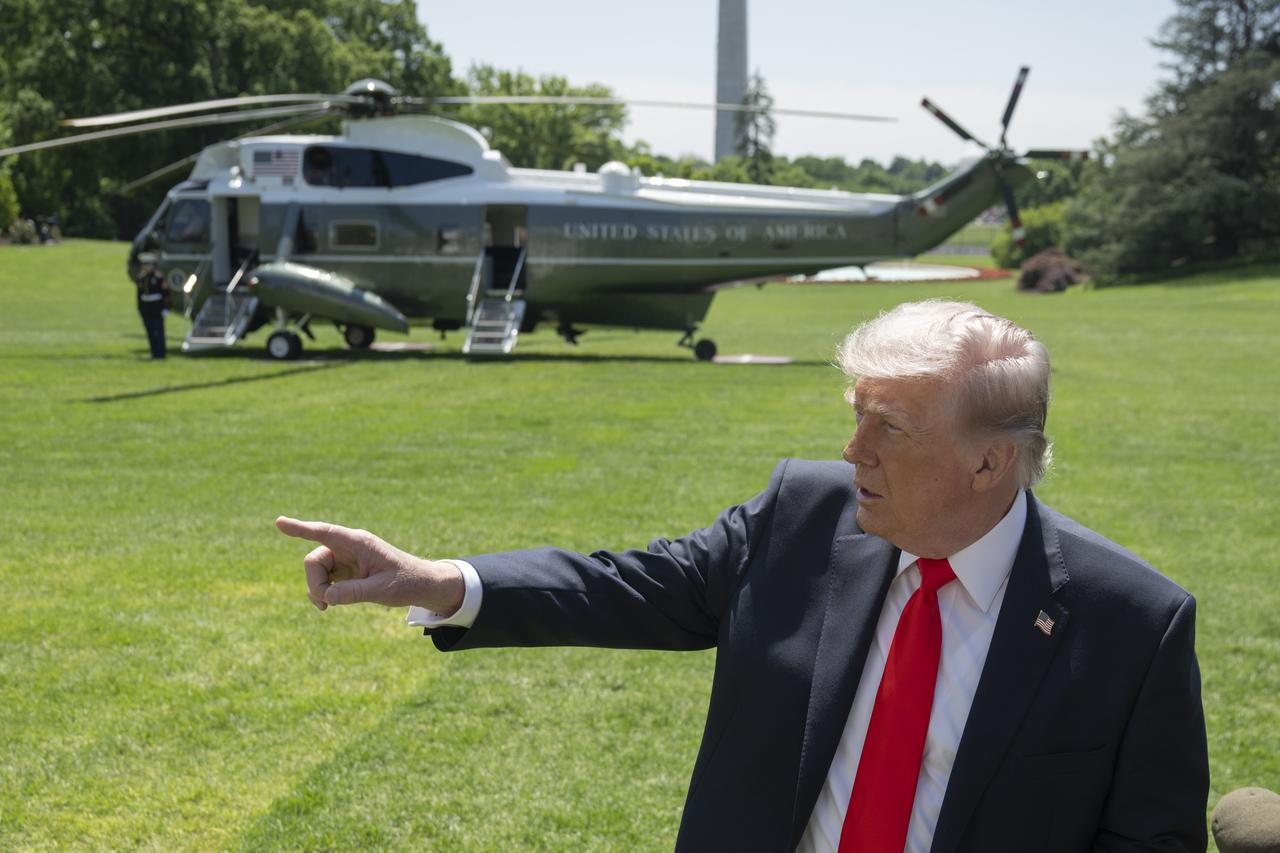
Axios reported that Trump's envoys Jared Kushner and Steve Witkoff continue exchanging drafts with Iranian Foreign Minister Abbas Araghchi, but the process is hampered by the Supreme Leader's inaccessibility.
"They're carrying messages by hand to caves or wherever he or whoever is hiding. It slows the process down," one senior U.S. official said.
Witkoff has been presenting an optimistic assessment of deal prospects to Trump, but other senior officials are far more pessimistic, Axios reported.
"It's either we're looking at the real contours of an achievable deal soon, or he's going to bomb the hell out of them," a senior official said.
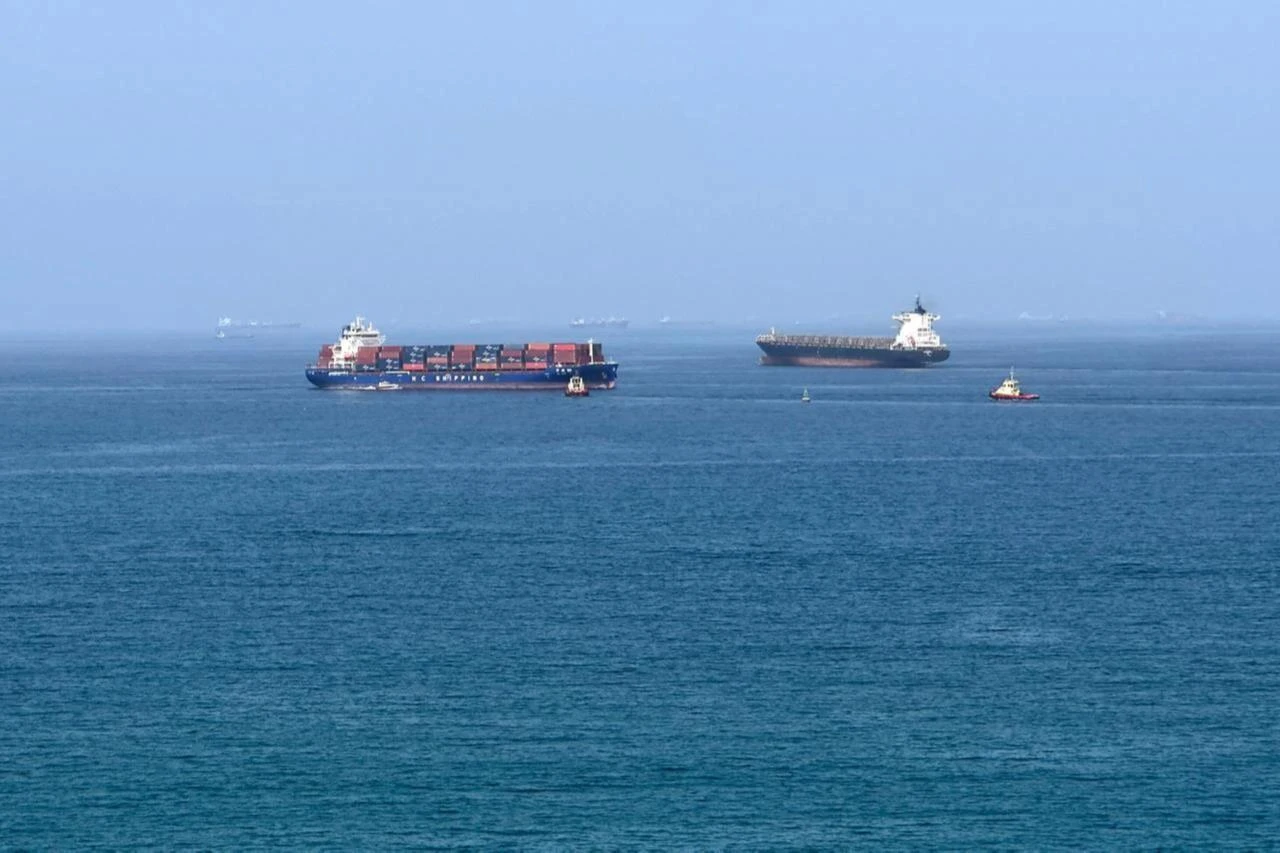
Several U.S. Navy ships began moving from the Arabian Sea toward the Strait on Monday afternoon local time.


 Set as preferred source
 Set as preferred source


 1 min read

 1 min read