Newsletters


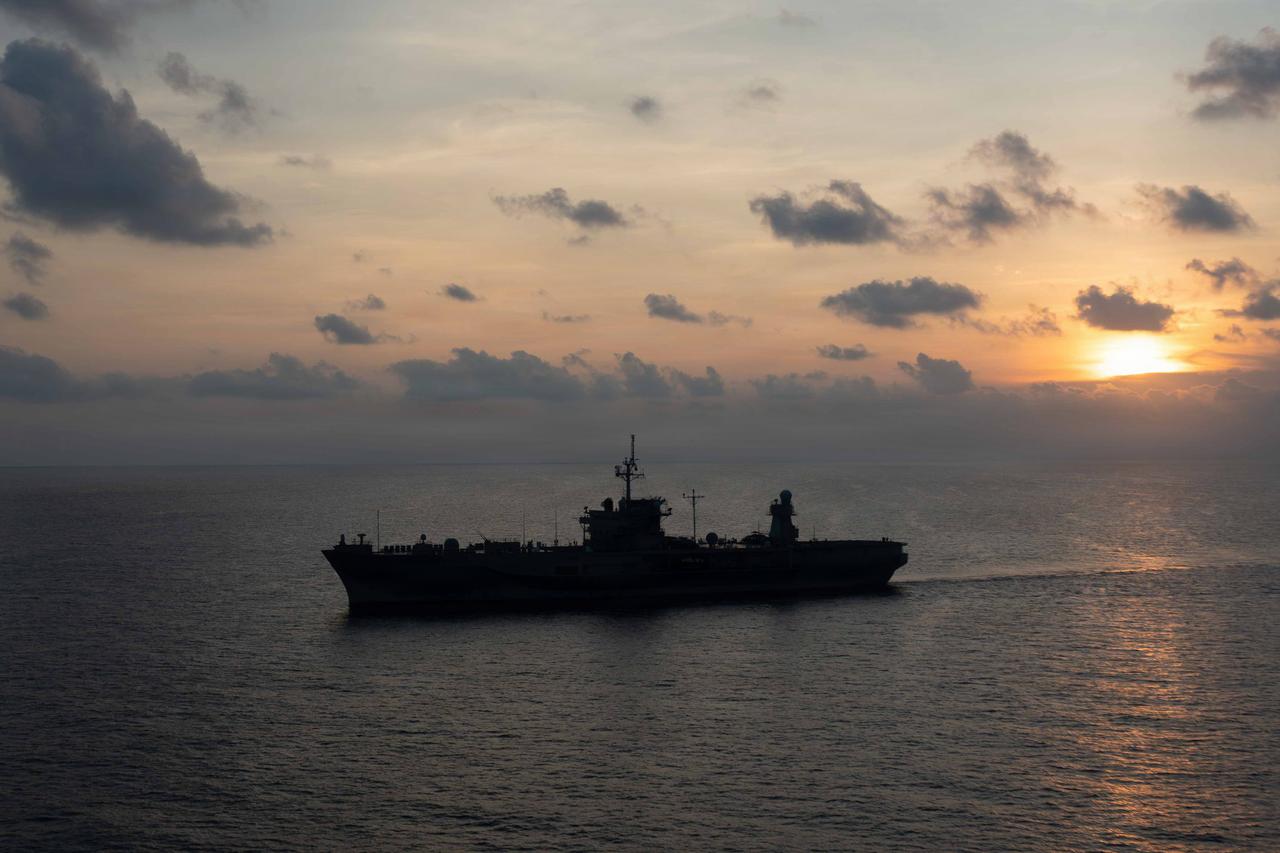


U.S. Central Command (CENTCOM) warned Monday that any vessel entering or departing the blockaded area east of the Strait of Hormuz without authorization is "subject to interception, diversion, and capture."
The U.S. military issued a formal note to seafarers clarifying that the blockade encompasses the entirety of the Iranian coastline including all ports and oil terminals, while neutral transit through the Strait of Hormuz to non-Iranian destinations remains permitted.
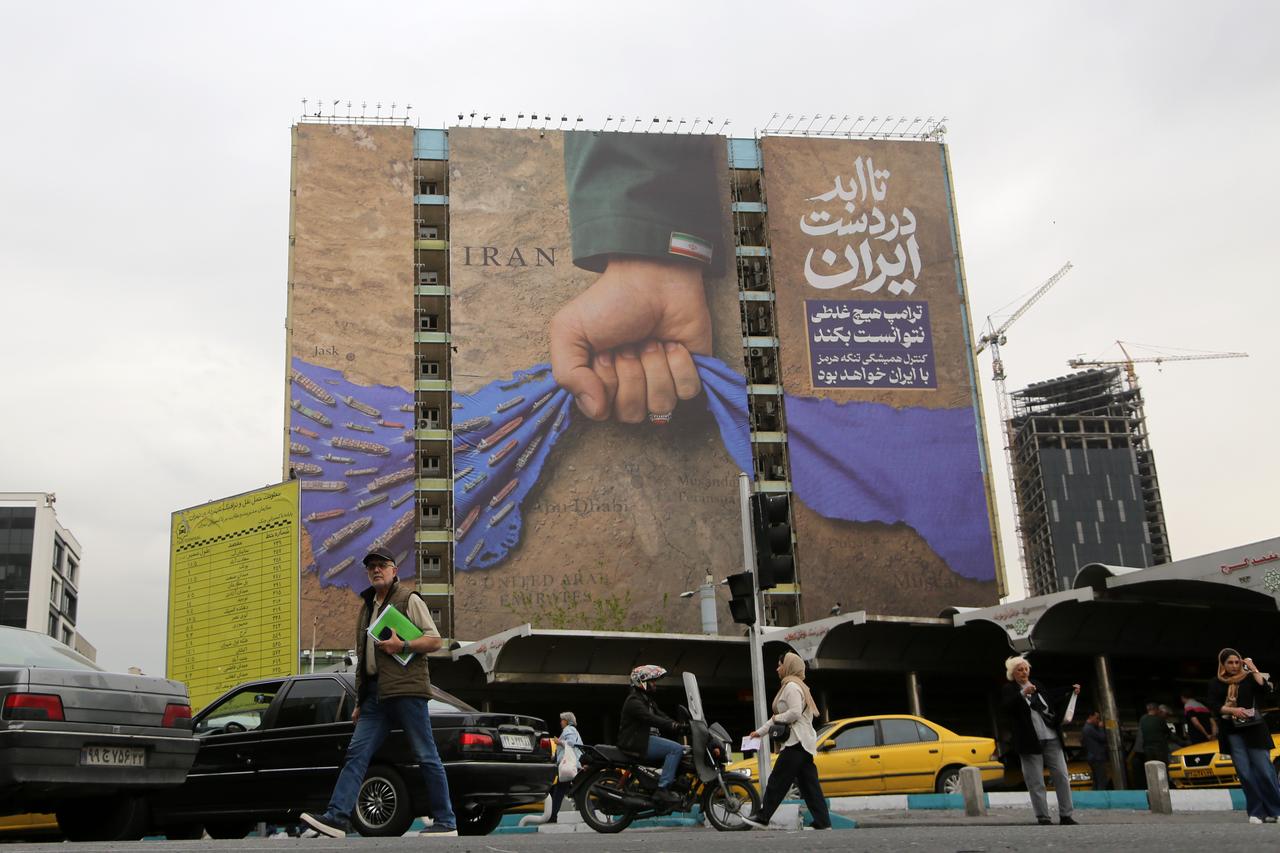

In an advanced note to seafarers seen by Reuters, CENTCOM laid out the blockade's enforcement framework.
"Any vessel entering or departing the blockaded area without authorization is subject to interception, diversion, and capture," the note said.
The blockade will be enforced in the Gulf of Oman and Arabian Sea east of the Strait of Hormuz and will apply to all vessel traffic regardless of flag. The note stated that the blockade encompasses "the entirety of the Iranian coastline," including but not limited to Iranian ports and oil terminals.
"The blockade will not impede neutral transit passage through the Strait of Hormuz to or from non-Iranian destinations," the note added.
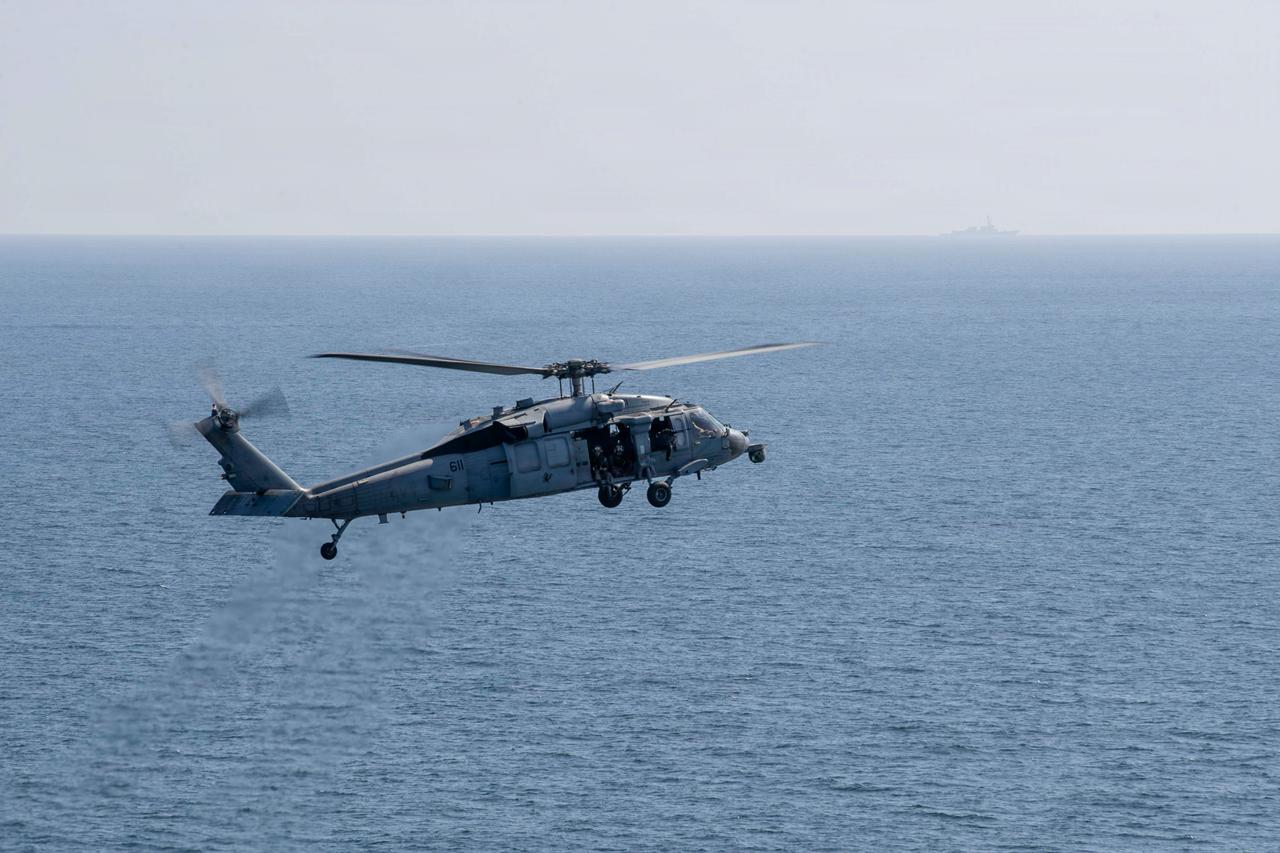
CENTCOM said humanitarian cargo would not be stopped entirely but would face inspection.
The note said a neutral vessel may still be subject to search to determine the presence of contraband cargo. Humanitarian shipments including food, medical supplies and other essential goods will also be permitted, subject to inspection.
MarineTraffic data showed 31 vessels in total had passed through the Strait of Hormuz in the preceding 24 hours. As of 7:32 a.m. ET Monday, 11 vessels were in the waterway, three under the Iranian flag, with six oil or chemical tankers and three cargo ships.
The majority were recorded as not carrying anything, though four were either partially laden or their load condition was unknown.
Alexis Ellender, an analyst at global trade analysis firm Kpler, said major shipping companies had already effectively withdrawn.
"There is still a trickle of trade making its way through. But the risk appetite for major shipping companies is incredibly low. Sending their vessels through the strait is just not worth it for them," he said.
Two tankers with links to Iran exited the Persian Gulf via the Strait of Hormuz on Monday, according to Kpler. One of the ships, the tanker Auroura, a sanctioned ship, was believed to carrying a cargo of Iranian naphtha, a petroleum product. The second tanker, the New Future, loaded gas oil at the United Arab Emirates' (UAE) Hamriyah port.
The blockade took effect Monday at 10 a.m. ET, 1400 GMT.


 Set as preferred source
 Set as preferred source


 1 min read


 1 min read